The era of tangled wires and tethered audio experiences is firmly in the past, thanks to the ubiquitous rise of portable Bluetooth speakers. These compact marvels have revolutionized how we consume audio, transforming mundane gatherings into vibrant parties, quiet evenings into immersive listening sessions, and solo adventures into soundtracks for the soul. But with a dizzying array of options flooding the market, navigating the world of portable Bluetooth speakers can feel overwhelming. This comprehensive guide aims to demystify the technology, highlight key features, and empower you to make an informed decision that perfectly suits your needs and budget.
Understanding the Core Technology: Bluetooth Connectivity
At the heart of every portable Bluetooth speaker lies its namesake technology. Bluetooth is a wireless communication protocol that allows devices to exchange data over short distances using radio waves. For speakers, this means seamless pairing with your smartphone, tablet, laptop, or any other Bluetooth-enabled source device. The latest Bluetooth versions, such as Bluetooth 5.0 and 5.1, offer significant improvements in range, speed, and power efficiency, ensuring a stable and reliable connection with minimal latency. This is crucial for enjoying music without frustrating audio dropouts or noticeable delays between the video on your screen and the sound from your speaker.
Key Features to Consider When Buying
Beyond basic Bluetooth connectivity, a multitude of features contribute to a speaker’s performance and suitability for different scenarios. Understanding these elements is paramount to selecting the right device.
-
Sound Quality: This is, arguably, the most critical factor. Look for speakers that deliver clear highs, well-defined mids, and a satisfying bass response. Consider the speaker’s driver size and configuration, as larger drivers generally produce richer sound. Many high-end speakers employ passive radiators to enhance bass without increasing the overall size. Reading reviews and, if possible, auditioning speakers in person are the best ways to assess sound quality. Pay attention to reviews that discuss tonal balance, distortion at higher volumes, and the speaker’s ability to reproduce different music genres effectively.
-
Battery Life: For a portable speaker, longevity is key. Manufacturers often boast impressive battery life figures, but real-world usage can vary significantly depending on volume levels, Bluetooth connection stability, and the use of additional features like LED lights. Aim for at least 10-15 hours of playback on a single charge for everyday use. For extended trips or outdoor adventures, speakers with 20+ hours of battery life are highly recommended. Some speakers also offer quick charging capabilities, allowing you to get several hours of playback from a short charging session.
-
Durability and Water Resistance: If you plan to use your speaker outdoors, by the pool, or in a humid environment, water and dust resistance are non-negotiable. Look for IP (Ingress Protection) ratings. IPX4 signifies splash resistance, while IPX7 indicates the speaker can be submerged in up to 1 meter of water for 30 minutes. Higher IP ratings offer greater protection against the elements, making them ideal for beach trips, camping, or even just accidental spills. Many ruggedized speakers also feature shockproof designs to withstand accidental drops.
-
Portability and Size: The definition of “portable” can vary. Do you need something that fits in your pocket, or a slightly larger unit that delivers more powerful sound? Consider the speaker’s weight and dimensions. Compact speakers are excellent for travel and everyday carry, while larger models might offer superior audio performance but are less convenient to transport. Many speakers include carrying straps or carabiner clips for easy attachment to backpacks.
-
Connectivity Options: While Bluetooth is the primary connection method, some speakers offer additional ports. A 3.5mm auxiliary input allows you to connect non-Bluetooth devices, which can be useful for older audio sources or when Bluetooth connectivity is unreliable. Some speakers also feature USB ports for charging other devices (power bank functionality) or for playing music directly from a USB drive.
-
Additional Features:
- Stereo Pairing (True Wireless Stereo – TWS): This allows you to connect two identical speakers wirelessly to create a wider stereo soundstage, significantly enhancing the listening experience.
- Built-in Microphone for Speakerphone Functionality: Many speakers include a microphone, enabling you to take hands-free calls. The quality of the microphone and noise cancellation can vary.
- App Integration: Some manufacturers offer companion apps that provide EQ (equalizer) settings, firmware updates, and advanced control over the speaker’s features.
- LED Lighting: While not essential for sound, some speakers incorporate customizable LED lights that can add a visual element to your listening experience, especially during parties.
- Voice Assistant Integration: A growing number of speakers support integration with voice assistants like Google Assistant or Amazon Alexa, allowing for voice-controlled playback and smart home interactions.
Types of Portable Bluetooth Speakers
The market caters to diverse needs and preferences, offering a range of speaker types:
-
Ultra-Portable Speakers: These are the smallest and lightest, designed for maximum portability. They often fit in a pocket or can be clipped to a bag. While convenient, their sound quality and bass response may be limited due to their size.
- Ideal for: Solo listening, travel, everyday carry.
-
Compact Speakers: A step up in size and sound, these speakers offer a good balance between portability and audio performance. They are versatile and suitable for a variety of environments.
- Ideal for: Small gatherings, picnics, personal listening.
-
Rugged/Outdoor Speakers: Built to withstand the elements, these speakers are typically water-resistant, dustproof, and shockproof. They often feature robust construction and enhanced battery life.
- Ideal for: Camping, hiking, beach trips, poolside parties.
-
Party Speakers: These larger, more powerful speakers are designed to fill larger spaces with sound and often include features like booming bass, customizable lighting, and the ability to daisy-chain multiple speakers for an even bigger sound experience.
- Ideal for: Parties, outdoor events, gatherings with many people.
-
Smart Speakers (with Bluetooth): While primarily designed for voice assistant integration and smart home control, many smart speakers also offer Bluetooth connectivity, allowing them to function as portable Bluetooth speakers when disconnected from Wi-Fi.
- Ideal for: Users who want both smart functionality and portable audio.
Choosing the Right Speaker for Your Lifestyle
To make the best choice, consider your primary use case:
- For the Traveler: Prioritize compact size, lightweight design, long battery life, and robust build quality. Water resistance is also a significant advantage for outdoor excursions.
- For the Homebody: Focus on sound quality and features that enhance your listening experience at home. Stereo pairing and app integration might be more appealing.
- For the Outdoor Enthusiast: Durability, water resistance, and a powerful sound output are paramount. Look for ruggedized designs and good battery life for extended adventures.
- For the Party Animal: Seek out speakers with high volume output, strong bass, and features like stereo pairing or the ability to connect multiple speakers. LED lighting can also be a fun addition.
Maintaining Your Portable Bluetooth Speaker
To ensure your speaker performs optimally and lasts for years, follow these simple maintenance tips:
- Charging: Use the provided charger or a reputable alternative. Avoid overcharging, though most modern speakers have built-in protection.
- Cleaning: For general cleaning, use a soft, dry cloth. For stubborn grime, a slightly damp cloth (not wet) can be used, but ensure the speaker is completely dry before use. Avoid harsh chemicals.
- Water Resistance: If your speaker has an IP rating, ensure any ports and seals are properly closed before exposing it to water. After exposure to salt water or chlorine, rinse the speaker with fresh water and dry it thoroughly.
- Storage: Store your speaker in a cool, dry place when not in use. Avoid extreme temperatures.
The Future of Portable Bluetooth Speakers
The innovation in portable Bluetooth speakers shows no signs of slowing down. We can expect further advancements in battery technology for even longer playback times, improved audio drivers for richer and more immersive sound, and enhanced connectivity options. The integration of AI and machine learning could lead to speakers that automatically adapt their sound profile to the environment or even predict your listening preferences. As the technology evolves, so too will the possibilities for wireless audio, making portable Bluetooth speakers an indispensable part of our modern lives.

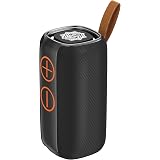
pTron Newly Launched Fusion Tunes 10W Mini Bluetooth Speaker with Wireless Karaoke Mic, 8Hrs Playtime, Vivid RGB Lights, Voice Effects, Multi-Play Modes BT5.1/TF Card & Type-C Charging Port (Black)
₹849.00 (as of October 10, 2026 16:56 GMT +05:30 - More infoProduct prices and availability are accurate as of the date/time indicated and are subject to change. Any price and availability information displayed on [relevant Amazon Site(s), as applicable] at the time of purchase will apply to the purchase of this product.)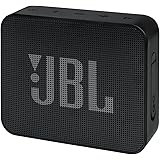
JBL Go Essential with Rich Base, Wireless Ultra Portable Bluetooth Speaker, Vibrant Colors, Waterproof, Type C (Without Mic, Black)
₹1,614.05 (as of October 10, 2026 16:56 GMT +05:30 - More infoProduct prices and availability are accurate as of the date/time indicated and are subject to change. Any price and availability information displayed on [relevant Amazon Site(s), as applicable] at the time of purchase will apply to the purchase of this product.)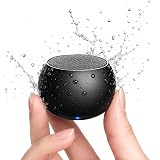
heetipuk Mini Wireless Bluetooth Speaker with Heavy Metal Electroplating | Round Mini Speaker, Power Button Controlled, Long Battery Backup & Quick Charge Thunder Eagle (Black)
₹270.00 (as of October 10, 2026 16:56 GMT +05:30 - More infoProduct prices and availability are accurate as of the date/time indicated and are subject to change. Any price and availability information displayed on [relevant Amazon Site(s), as applicable] at the time of purchase will apply to the purchase of this product.)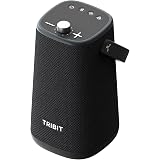
Tribit StormBox Max Portable Bluetooth Speaker, 60W, 360° Sound, Black | IP68 Waterproof, XBass 2.0, BT6.0, 20H Playtime, Wireless, Custom EQ, Built-in Mic, TWS Pairing, Courtyard, Travel, Outdoor
₹11,999.00 (as of October 10, 2026 16:56 GMT +05:30 - More infoProduct prices and availability are accurate as of the date/time indicated and are subject to change. Any price and availability information displayed on [relevant Amazon Site(s), as applicable] at the time of purchase will apply to the purchase of this product.)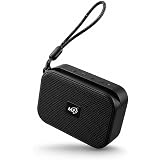
Portable Bluetooth Speaker with Mobile Holder | 5W Loud & Clear Sound | Wireless TWS Pairing | Compact Mini Speaker with Strap | Hands-Free Music Stand for Mobile | Travel Friendly Speaker (Black)
Now retrieving the price.
(as of October 10, 2026 16:56 GMT +05:30 - More infoProduct prices and availability are accurate as of the date/time indicated and are subject to change. Any price and availability information displayed on [relevant Amazon Site(s), as applicable] at the time of purchase will apply to the purchase of this product.)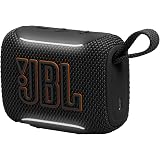
JBL Go 5 Portable Bluetooth Speaker with Pro Sound & Deep Bass, Ambient Edge Lighting, Upto 10 Hours Playtime, IP68 Waterproof, AirTouch Pairing, Auracast, USB-C Lossless Audio (Black)
₹4,699.00 (as of October 10, 2026 16:56 GMT +05:30 - More infoProduct prices and availability are accurate as of the date/time indicated and are subject to change. Any price and availability information displayed on [relevant Amazon Site(s), as applicable] at the time of purchase will apply to the purchase of this product.)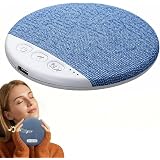
Pillow Speaker for Sleeping, Ultra-Thin Bluetooth Sleep Speaker Under Pillow for Side Sleepers, 7-Day Battery Life, Private Bedtime Audio with Auto-Off Timer, Blue
₹269.00 (as of October 10, 2026 16:56 GMT +05:30 - More infoProduct prices and availability are accurate as of the date/time indicated and are subject to change. Any price and availability information displayed on [relevant Amazon Site(s), as applicable] at the time of purchase will apply to the purchase of this product.)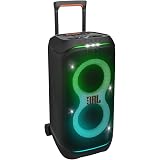
JBL Partybox 320,BITA Award Winner- Best Party Speaker, 240W, AI Sound Boost, Futuristic Light Show, Multispeaker Connection by Auracast, Telescopic Handle & Wheels, Dual Guitar & Mic Inputs (Black)
₹34,999.00 (as of October 10, 2026 16:56 GMT +05:30 - More infoProduct prices and availability are accurate as of the date/time indicated and are subject to change. Any price and availability information displayed on [relevant Amazon Site(s), as applicable] at the time of purchase will apply to the purchase of this product.)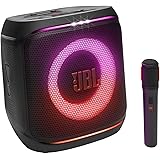
JBL Partybox Encore 2 with Mic, Wireless Bluetooth Party Speaker, AI Sound Boost, Dynamic Light Show, Upto 15Hrs Playtime, Replaceable Battery, Multi-Speaker Connection by Auracast, PartyBox App-Black
₹19,999.00 (as of October 10, 2026 16:56 GMT +05:30 - More infoProduct prices and availability are accurate as of the date/time indicated and are subject to change. Any price and availability information displayed on [relevant Amazon Site(s), as applicable] at the time of purchase will apply to the purchase of this product.)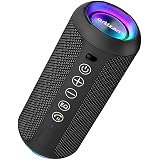
Ortizan Portable Bluetooth Speaker, IPX7 Waterproof, Wireless, Big Sound and Deep Bass, 24W Stereo, TWS Pairing, 30Hrs Playtime, Bluetooth 5.3, RGB Lights, for Home/Party/Outdoor/Beach (X10_Black)
₹2,799.00 (as of October 10, 2026 16:56 GMT +05:30 - More infoProduct prices and availability are accurate as of the date/time indicated and are subject to change. Any price and availability information displayed on [relevant Amazon Site(s), as applicable] at the time of purchase will apply to the purchase of this product.)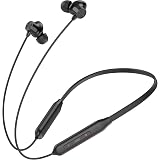
AROMA NB120 Ace Upto 50 Hours* Playtime, Fast Charging, Dual Pairing BT Neckband Bluetooth
₹269.00 (as of October 10, 2026 16:56 GMT +05:30 - More infoProduct prices and availability are accurate as of the date/time indicated and are subject to change. Any price and availability information displayed on [relevant Amazon Site(s), as applicable] at the time of purchase will apply to the purchase of this product.)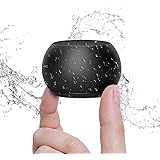
jbl Mini Bluetooth Speaker Ultra 4D with Loud Stereo Sound and Long Playtime Mini Speaker Easy to Carry Metal Electroplating Round Body Pack of-1-Random Multicolor
₹279.00 (as of October 10, 2026 16:56 GMT +05:30 - More infoProduct prices and availability are accurate as of the date/time indicated and are subject to change. Any price and availability information displayed on [relevant Amazon Site(s), as applicable] at the time of purchase will apply to the purchase of this product.)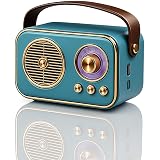
Fire turtle Vintage Bluetooth Wireless Speaker | 10W RMS Loud Sound | Retro Design with Type-C Charging, 8H Battery Backup, USB & AUX Input, Portable Home & Outdoor Speaker 636 Blue
₹569.00 (as of October 10, 2026 16:56 GMT +05:30 - More infoProduct prices and availability are accurate as of the date/time indicated and are subject to change. Any price and availability information displayed on [relevant Amazon Site(s), as applicable] at the time of purchase will apply to the purchase of this product.)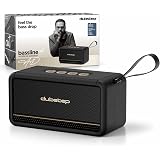
Dubstep Bassline Cut Wireless Bluetooth Speaker | 14W Stereo Sound | X-BASS Technology | RGB Lighting | Up to 8 Hours Playtime | USB Type-C Charging | Portable Speaker with Carry Lanyard | Black
₹849.00 (as of October 10, 2026 16:56 GMT +05:30 - More infoProduct prices and availability are accurate as of the date/time indicated and are subject to change. Any price and availability information displayed on [relevant Amazon Site(s), as applicable] at the time of purchase will apply to the purchase of this product.)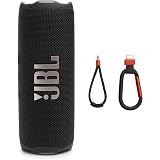
JBL Flip 7 Wireless Portable Bluetooth Speaker, Bold Pro Sound with AI Sound Boost, 16Hrs of Playtime, IP68 Water & Dustproof, Multi-Speaker Connection by Auracast, Personalization App (Black)
₹9,999.00 (as of October 10, 2026 16:56 GMT +05:30 - More infoProduct prices and availability are accurate as of the date/time indicated and are subject to change. Any price and availability information displayed on [relevant Amazon Site(s), as applicable] at the time of purchase will apply to the purchase of this product.)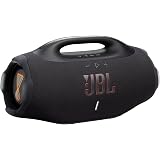
JBL Boombox 4, Wireless Portable Bluetooth Speaker, 34H Playtime Black
₹44,999.00 (as of October 10, 2026 16:56 GMT +05:30 - More infoProduct prices and availability are accurate as of the date/time indicated and are subject to change. Any price and availability information displayed on [relevant Amazon Site(s), as applicable] at the time of purchase will apply to the purchase of this product.)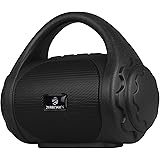
Zebronics ZEB-COUNTY 3W Wireless Bluetooth Portable Speaker With Supporting Carry Handle, USB, SD Card, AUX, FM & Call Function. (Black)
₹499.00 (as of October 10, 2026 16:56 GMT +05:30 - More infoProduct prices and availability are accurate as of the date/time indicated and are subject to change. Any price and availability information displayed on [relevant Amazon Site(s), as applicable] at the time of purchase will apply to the purchase of this product.)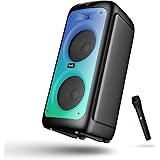
boAt Partypal 390/400 Speaker w/ 160 W Signature Sound, Karaoke with 2 Microphone Input Ports, Up to 6 hrs Playtime, EQ Modes, TWS Mode, Bluetooth v5.3, AUX & USB Type-C Port, Space Black
₹8,999.00 (as of October 10, 2026 16:56 GMT +05:30 - More infoProduct prices and availability are accurate as of the date/time indicated and are subject to change. Any price and availability information displayed on [relevant Amazon Site(s), as applicable] at the time of purchase will apply to the purchase of this product.)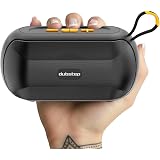
Dubstep Pop 1400 Portable Bluetooth Speaker | 14W Loud Sound, Deep Bass with XBASS, 16 Hrs Playtime, TWS Stereo Pairing, 52mm Driver, Splash-Resistant, Carry Strap (Black)
₹649.00 (as of October 10, 2026 16:56 GMT +05:30 - More infoProduct prices and availability are accurate as of the date/time indicated and are subject to change. Any price and availability information displayed on [relevant Amazon Site(s), as applicable] at the time of purchase will apply to the purchase of this product.)