Description: Unleash deep, thumping bass anywhere in India! Discover the best portable Bluetooth speakers, key technical specs, and essential buying tips for parties and travel.
🎧 The Bass Revolution: Why Portable Bluetooth Speakers are Essential in India
The rhythm of life in India, from a spontaneous chai break in the hills to a lively rooftop sangeet ceremony, is incomplete without music. Gone are the days of cumbersome sound systems. Today, the portable bass Bluetooth speaker is the undisputed king, offering a dynamic fusion of high-fidelity audio, deep, resonant bass, and unparalleled convenience.
For the modern Indian consumer, a speaker isn’t just about sound—it’s about an experience. We demand robust sound that can cut through the noise of a bustling street, a battery life that can last through a weekend trek, and a build that can handle the unpredictability of a monsoon shower. This comprehensive guide will dissect the technology, analyze the market, and provide actionable, data-backed insights to help you choose the perfect speaker to amplify your life.
🛠️ Decoding the Deep Bass: The Technology Behind the Thump
The true magic of a portable bass Bluetooth speaker lies in its engineering. Achieving powerful, undistorted low-frequency sound (bass) in a compact, battery-powered device is a technical feat. Understanding these core components will empower you to look past marketing buzzwords and assess true audio quality.
H2: The Technical Trilogy: Drivers, Radiators, and DSP
Bass frequencies typically range from 20 Hz to 250 Hz. To reproduce these low tones effectively in a small enclosure, manufacturers rely on three main pillars:
- 1. The Active Driver (Woofer):
- The Science: This is the primary component that uses electrical energy to physically move air, creating sound. Larger driver size (measured in mm or inches) generally correlates with the ability to move more air, thus generating deeper bass. For a party speaker, look for drivers 70 mm (3 inches) and above.
- The Insight: High-quality drivers use materials like carbon fiber or aluminum for stiffness, ensuring the cone moves cleanly without distortion, even at high volumes.
- 2. Passive Radiators vs. Ports:
- The Technique: Since there’s often no room for a large, dedicated subwoofer or a long bass port (a tube that vents internal pressure), most portable speakers use passive radiators.
- Passive Radiators (The Unpowered Woofer): These are unpowered diaphragms that use the internal air pressure created by the active driver to enhance low-frequency output. They act like a dedicated bass system without needing their own power source. They are key to getting a deep, room-filling bass from a compact body, common in brands like JBL and Bose.
- The Advantage: Passive radiators prevent the ‘chuffing’ noise often associated with small-ported enclosures and are better for rugged, outdoor use as they seal the internal electronics.
- 3. Digital Signal Processing (DSP):
- The Brains: DSP is a microchip that processes the audio signal in real-time. It can be programmed to boost bass frequencies (Bass Boost modes like Sony’s ULT Field series or Tribit’s XBass), prevent distortion at maximum volume, and ensure a balanced sound profile.
- The Takeaway: A good DSP is crucial for clarity. It allows the speaker to deliver punchy, powerful bass without turning the audio into a muddy mess.
| Component | Function for Bass | Ideal Feature for Portability |
| Active Driver | Converts power to sound; moves air for low frequencies. | ≥ 70 mm diameter for powerful volume. |
| Passive Radiator | Uses internal air pressure to boost bass depth. | Dual, opposing radiators for maximum effect and balance. |
| DSP/EQ | Software tuning to enhance bass and limit distortion. | Dedicated ‘Bass Mode’ button or app-based custom EQ. |
🇮🇳 India’s Thriving Market: Trends and Consumer Demands
The Indian audio market is currently experiencing exponential growth. Experts project the Bluetooth speaker market will reach over USD 2 Billion by 2033, with a CAGR of around 15.40% (IMARC Group, 2024). This surge is driven by:
- Smartphone Penetration: Music streaming via smartphones is the primary consumption method.
- The Premium Shift: While budget-friendly options dominate, the premium bracket (above ₹15,000) is showing the highest growth rate, indicating that Indian consumers are increasingly willing to pay for superior sound quality and brand reliability.
- Outdoor Lifestyle: Increasing demand for travel, trekking, and outdoor parties is accelerating the need for rugged, high-wattage, deep-bass speakers.
Key Consumer Demands:
- “Bass Bada Hai”: A strong emphasis on powerful, deep bass for Bollywood, EDM, and Punjabi music.
- Durability and Weatherproofing: A minimum of IPX6 or IP67 rating is now a mandatory feature for protection against dust and water splashes.
- Extended Battery Life: Long playtime, with many top models now offering 12-30 hours of battery life.
🎯 The Ultimate Buyer’s Guide: 7 Questions to Ask
Choosing the right speaker means aligning its capabilities with your lifestyle. Here is a practical, seven-step checklist for the Indian buyer:
H3: Choosing Your Portable Bass Bluetooth Speaker
- Where Will You Use It Most?
- Outdoors/Parties (The Loud Life): You need high Wattage (W) for volume and large Driver Sizes for bass that carries. Look for speakers in the 30W to 90W+ range (e.g., JBL Boombox, Sony ULT Field 7). TWS (True Wireless Stereo) pairing capability to link two speakers is a huge advantage.
- Travel/Trekking (The Minimalist): Prioritize low weight, compactness, and a high IP rating (IP67 is best). Bass is important, but a balanced sound that lasts 20+ hours is paramount (e.g., Marshall Emberton II, JBL Flip series).
- Indoor/Home Use (The Audiophile): Focus on Sound Clarity and Balance over sheer volume. Look for speakers with high-quality tweeters (for clear highs) and a sophisticated DSP for tight, non-muddy bass.
- Is the IP Rating High Enough?
- IP67 means Dustproof and can be submerged in 1 meter of water for 30 minutes. This is the gold standard for India’s diverse climate. IPX4 is only splash-resistant.
- What is the Connection Standard?
- Ensure the speaker supports at least Bluetooth 5.0 for a stable connection, lower latency, and longer range (10+ meters).
- How is the Bass Engineered?
- Check for the presence of Dual Passive Radiators (often visible on the side panels) and a dedicated Bass Boost Mode. Read reviews specifically for bass depth and distortion at max volume.
- What is the Power Output (RMS)?
- RMS (Root Mean Square) is the continuous power the speaker can handle. It’s a more realistic measure of volume than Peak Power. A powerful party speaker typically has an RMS of 30 W and above.
- Does the App Offer Custom EQ?
- Brands like Sony, JBL, and Marshall offer companion apps that let you fine-tune the Equalizer (EQ). This allows you to personalize the bass, mids, and treble—an invaluable feature for discerning listeners.
- What is the Brand’s Service Reputation in India?
- Choose brands with a strong service network in India (e.g., JBL/Harman, Sony, boAt, Zebronics). A great speaker is useless if you can’t get it repaired.
🌟 Top Contenders for Deep Bass: A Comparative Look
Based on consumer feedback, technical specs, and market popularity in India, here are some of the top-performing portable bass Bluetooth speakers:
| Model (Example) | Key Bass Feature | Power Output (RMS) | IP Rating | Target User in India |
| JBL Flip/Charge Series | Dual Passive Radiators, JBL Pro Sound | 20W – 40W | IP67 | Travel, Poolside Parties, Reliable Bass |
| Sony ULT Field Series | Dedicated ULT BASS Button, Sound Diffusion Processor | 20W – 55W | IP67 | EDM/Hip-Hop Lovers, Party-First |
| Marshall Emberton II | True Stereophonic 360° Sound | 20W (Stereo) | IP67 | Fashion-Conscious, Balanced Audio, Long Battery |
| Tribit StormBox Blast | 80W Subwoofer, XBass Technology | 90W – 100W | IPX7 | Large Outdoor Gatherings, Maximum Volume |
| boAt Stone Series | boAt Signature Sound, TWS link | 14W – 60W | IPX6/IPX7 | Budget-Conscious, Students, Everyday Use |
H4: Case Study: The Power of DSP in Bass Management
Consider the difference between two 30W speakers. Speaker A uses a basic DSP, and as the volume rises, the bass distorts and the audio sounds ‘muddy.’ Speaker B (from a premium brand) uses an advanced DSP that intelligently limits the lowest frequencies just enough at max volume to prevent driver over-excursion, allowing the mid-bass to remain punchy and clear. This is the difference between a loud speaker and a quality loud speaker. Invest in a brand known for its sound tuning.
🔋 Battery Life and Portability: The Indian Road Trip Factor
For Indian readers, portability is synonymous with freedom—the freedom to take your sound from Marine Drive to the Himalayas.
- Long-Haul Power: High bass consumption is power-hungry. Always check the claimed battery life at 50% volume, as playing bass-heavy music at 80% volume will significantly reduce playtime (often by 30% to 50%). A speaker with a 12,000 mAh battery might offer 24 hours at 50% volume but only 8-10 hours at full blast.
- Charging Standards: The convenience of USB-C charging is now non-negotiable. Look for models with a Power Bank Function to charge your phone—a lifesaver on treks.
- Design for Carrying: Features like an integrated carry strap, a sturdy handle, or a rugged rubberised exterior are practical necessities, not mere aesthetics.
🚀 Future of Sound: What’s Next for Portable Bass Speakers?
The market is rapidly evolving beyond just Bluetooth:
- Auracast Technology: Newer models are beginning to incorporate Auracast, a next-generation Bluetooth standard that allows you to broadcast audio to an unlimited number of compatible speakers simultaneously. Imagine an entire wedding hall connected seamlessly.
- AI Sound Tuning: Future speakers will likely use AI to automatically adjust the EQ and bass level based on the ambient noise and the room’s acoustics—offering a truly personalised sound experience.
- Eco-Friendly Focus: With growing environmental consciousness, expect to see more speakers made from recycled plastics and packaged in sustainable materials.
✅ Final Verdict and Call to Action
Choosing the ideal portable bass Bluetooth speaker is a rewarding investment in your auditory journey. It requires a balanced consideration of technical specifications (large drivers, passive radiators, DSP) and practical usability (IP rating, battery life, portability).
Don’t just chase the loudest volume; seek the clearest, deepest bass that can enrich your favourite tracks without sounding boomy or distorted. For the Indian consumer, the best speaker is the one that is as tough, vibrant, and versatile as the places you take it.
Your Sound Awaits!
The market is buzzing with innovative options, catering to every budget and need. Take this guide, zero in on the features that matter most to you—be it the all-weather toughness of an IP67 rating, the sheer party-power of a 60W RMS output, or the refined clarity of a custom EQ—and make your selection.
Actionable Insight: The single best way to test a speaker’s bass is to play your favourite Indian track (something with a driving kick drum and deep sub-bass like an A.R. Rahman or Pritam composition) and note if the bass remains tight and punchy at 80% volume, or if it loses definition and becomes muddy.
Zebronics 2026 Launch Portable Bluetooth Speaker, 5W RMS, Up to 10Hrs Playback, Passive Radiator, TWS, BT v5.4, USB & mSD, 9 RGB Modes, Splash Proof, Type-C Charging (Sonic POD 15)
₹679.00 (as of September 19, 2026 15:29 GMT +05:30 - More infoProduct prices and availability are accurate as of the date/time indicated and are subject to change. Any price and availability information displayed on [relevant Amazon Site(s), as applicable] at the time of purchase will apply to the purchase of this product.)
Sony SRS-XB100 Portable Bluetooth Speaker, Extra Bass, IP67 Waterproof & Dustproof, 16 Hr Battery, Hands-Free Calling, Strap – Black
₹2,989.00 (as of September 19, 2026 15:29 GMT +05:30 - More infoProduct prices and availability are accurate as of the date/time indicated and are subject to change. Any price and availability information displayed on [relevant Amazon Site(s), as applicable] at the time of purchase will apply to the purchase of this product.)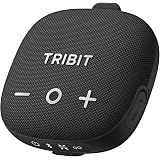
Tribit StormBox Micro 3 Bluetooth Speaker, 13W, IP68, 24H Playtime, Black | XBass, Carry Strap, Magnetic Mount, Bluetooth 6.0, Custom EQ, Built-in Mic, Stereo TWS Pairing, Outdoor, Cycling, Type-C
₹6,498.00 (as of September 19, 2026 15:29 GMT +05:30 - More infoProduct prices and availability are accurate as of the date/time indicated and are subject to change. Any price and availability information displayed on [relevant Amazon Site(s), as applicable] at the time of purchase will apply to the purchase of this product.)
daWg Banger 50 Bluetooth 18W Portable Speaker, Upto 9Hrs Backup, IPX5 | FlexDNA™ Audio, Powerful Racetrack Driver, Dual Bass Radiators, TWS for 2X Banger, Built-In Mic For Calls, Tri-Mode (Black)
₹1,999.00 (as of September 19, 2026 15:29 GMT +05:30 - More infoProduct prices and availability are accurate as of the date/time indicated and are subject to change. Any price and availability information displayed on [relevant Amazon Site(s), as applicable] at the time of purchase will apply to the purchase of this product.)
Nu Republic SonicPop 2000 Portable Bluetooth Speaker | 16W Loud Sound, XBASS Deep Bass, RGB Lights, 66mm Driver, TWS Pairing, BT 5.4, Multi-Port, 6 Hrs Playtime, Carry Strap (Blue)
₹799.00 (as of September 19, 2026 15:29 GMT +05:30 - More infoProduct prices and availability are accurate as of the date/time indicated and are subject to change. Any price and availability information displayed on [relevant Amazon Site(s), as applicable] at the time of purchase will apply to the purchase of this product.)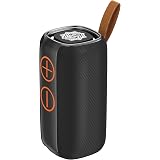
DIGIMORE StormBox 30W BT Speaker with AI Sound Boost | BT 5.4, TWS Pairing, Water Resistant, Type-C Fast Charging, 10Hrs Long Battery, RGB Lights, Premium Matte Finish for Home & Travel Use (D-1322)
₹1,899.00 (as of September 19, 2026 15:29 GMT +05:30 - More infoProduct prices and availability are accurate as of the date/time indicated and are subject to change. Any price and availability information displayed on [relevant Amazon Site(s), as applicable] at the time of purchase will apply to the purchase of this product.)
JAMPOD JBL Mini Bluetooth Speaker Ultra Wireless Speaker with Heavy Metal Electroplating | Round Mini Speaker, Power Button Controlled, Long Battery Backup & Quick Charge-Multicolor
₹299.00 (as of September 19, 2026 15:29 GMT +05:30 - More infoProduct prices and availability are accurate as of the date/time indicated and are subject to change. Any price and availability information displayed on [relevant Amazon Site(s), as applicable] at the time of purchase will apply to the purchase of this product.)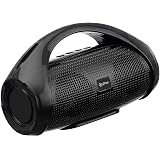
pTron Fusion Go 10W Portable Bluetooth Speaker with 6Hrs Playtime, Immersive Sound, Auto-TWS Function, Supports BT/USB/SD Card/AUX Playback & Lightweight (Obsidian)
Now retrieving the price.
(as of September 19, 2026 15:29 GMT +05:30 - More infoProduct prices and availability are accurate as of the date/time indicated and are subject to change. Any price and availability information displayed on [relevant Amazon Site(s), as applicable] at the time of purchase will apply to the purchase of this product.)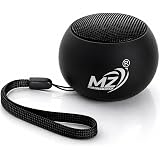
Mz Quality Talk Mini Bluetooth Speaker 3W Portable Wireless Speaker with Deep Bass, Bluetooth 5.2, Built-in Mic, Pocket Size Sound Box, 2 Hours Playtime, Ultra Compact (Black)
₹277.98 (as of September 19, 2026 15:29 GMT +05:30 - More infoProduct prices and availability are accurate as of the date/time indicated and are subject to change. Any price and availability information displayed on [relevant Amazon Site(s), as applicable] at the time of purchase will apply to the purchase of this product.)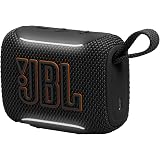
JBL Go 5 Portable Bluetooth Speaker with Pro Sound & Deep Bass, Ambient Edge Lighting, Upto 10 Hours Playtime, IP68 Waterproof, AirTouch Pairing, Auracast, USB-C Lossless Audio (Black)
₹4,699.00 (as of September 19, 2026 15:29 GMT +05:30 - More infoProduct prices and availability are accurate as of the date/time indicated and are subject to change. Any price and availability information displayed on [relevant Amazon Site(s), as applicable] at the time of purchase will apply to the purchase of this product.)
Thar Adventure Edition Car Shaped Bluetooth Speaker with Wired Microphone, 20W Wireless Portable Karaoke Speaker, Bluetooth 5.0, HD Stereo Sound, Rechargeable Music Speaker
₹999.00 (as of September 19, 2026 15:29 GMT +05:30 - More infoProduct prices and availability are accurate as of the date/time indicated and are subject to change. Any price and availability information displayed on [relevant Amazon Site(s), as applicable] at the time of purchase will apply to the purchase of this product.)
PANCA Bluetooth Pillow Speaker for Sleeping, Wireless Under Pillow Sleep Speaker with White Noise, Portable Mini Stereo Music Speaker for Side Sleepers, Bedside Travel Sleep Aid (Blue)
₹599.00 (as of September 19, 2026 15:29 GMT +05:30 - More infoProduct prices and availability are accurate as of the date/time indicated and are subject to change. Any price and availability information displayed on [relevant Amazon Site(s), as applicable] at the time of purchase will apply to the purchase of this product.)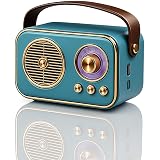
Fire turtle Vintage Bluetooth Wireless Speaker | 10W RMS Loud Sound | Retro Design with Type-C Charging, 8H Battery Backup, USB & AUX Input, Portable Home & Outdoor Speaker 636 Blue
₹599.00 (as of September 19, 2026 15:29 GMT +05:30 - More infoProduct prices and availability are accurate as of the date/time indicated and are subject to change. Any price and availability information displayed on [relevant Amazon Site(s), as applicable] at the time of purchase will apply to the purchase of this product.)
Mivi Roam 2 Bluetooth 5W Portable Speaker,24 Hours Playtime,Powerful Bass, Wireless Stereo Speaker with Studio Quality Sound,Waterproof, Bluetooth 5.0
₹799.00 (as of September 19, 2026 15:29 GMT +05:30 - More infoProduct prices and availability are accurate as of the date/time indicated and are subject to change. Any price and availability information displayed on [relevant Amazon Site(s), as applicable] at the time of purchase will apply to the purchase of this product.)
Amazon Echo Dot (5th Gen), smart speaker with Alexa+, vibrant sound, motion detection, temperature sensor, bluetooth, Blue
₹5,499.00 (as of September 19, 2026 15:29 GMT +05:30 - More infoProduct prices and availability are accurate as of the date/time indicated and are subject to change. Any price and availability information displayed on [relevant Amazon Site(s), as applicable] at the time of purchase will apply to the purchase of this product.)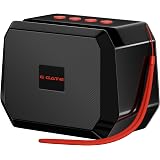
E GATE Atom S24 Bluetooth Wireless Speaker with Phone Stand | 8W | 52mm Driver, Bluetooth 5.2 | TWS Pairing, FM Radio, USB & mSD Card Support | Up to 15 Hours Playtime 411 (Black)
₹499.00 (as of September 19, 2026 15:29 GMT +05:30 - More infoProduct prices and availability are accurate as of the date/time indicated and are subject to change. Any price and availability information displayed on [relevant Amazon Site(s), as applicable] at the time of purchase will apply to the purchase of this product.)
heetipuk Mini Wireless Bluetooth Speaker with Heavy Metal Electroplating | Round Mini Speaker, Power Button Controlled, Long Battery Backup & Quick Charge Thunder Eagle (Black)
₹259.00 (as of September 19, 2026 15:29 GMT +05:30 - More infoProduct prices and availability are accurate as of the date/time indicated and are subject to change. Any price and availability information displayed on [relevant Amazon Site(s), as applicable] at the time of purchase will apply to the purchase of this product.)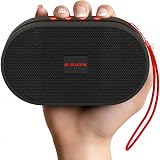
E GATE Atom S21 Bluetooth Wireless Speaker with Phone Stand | 5W | 52mm Driver, Bluetooth 5.2 | TWS Pairing, FM Radio, USB & mSD Card Support | Up to 10 Hours Playtime Portable Speaker (Black)
₹399.00 (as of September 19, 2026 15:29 GMT +05:30 - More infoProduct prices and availability are accurate as of the date/time indicated and are subject to change. Any price and availability information displayed on [relevant Amazon Site(s), as applicable] at the time of purchase will apply to the purchase of this product.)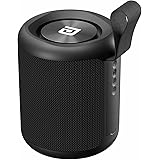
Portronics SoundDrum P 20W Portable Bluetooth Speaker with 6-7 hrs Playback Time, Handsfree Calling, USB Slot, Aux-in Port, Type C Charging (Black)
₹1,899.00 (as of September 19, 2026 15:29 GMT +05:30 - More infoProduct prices and availability are accurate as of the date/time indicated and are subject to change. Any price and availability information displayed on [relevant Amazon Site(s), as applicable] at the time of purchase will apply to the purchase of this product.)