
The Original Apple Watch Price: A Look Back at the Dawn of Wearable Computing
The launch of the original Apple Watch in April 2015 marked a pivotal moment in the consumer electronics landscape. More than just a new gadget, it represented Apple’s ambitious foray into the nascent world of wearables, a category they aimed to redefine with their characteristic blend of design, functionality, and a carefully curated pricing strategy. Examining the original Apple Watch price reveals not only the cost of entry into this new ecosystem but also the strategic thinking behind Apple’s tiered approach, catering to different consumer segments and aspirations.
At its core, the original Apple Watch was not a single product but a family of devices, each with its own distinct identity and, crucially, its own price point. This multi-tiered strategy was a deliberate choice, designed to broaden appeal while simultaneously establishing a premium perception for the brand. The entry-level offering, the Apple Watch Sport, provided the most accessible gateway. Priced at $349, it aimed to attract a wider audience, including fitness enthusiasts and early adopters seeking the core functionalities of a smartwatch without the opulent finishes. The Sport model featured an anodized aluminum case, available in silver or space gray, paired with durable fluoroelastomer bands in a range of vibrant colors. This accessible price point was crucial for establishing market penetration and gathering user data, laying the groundwork for future iterations.
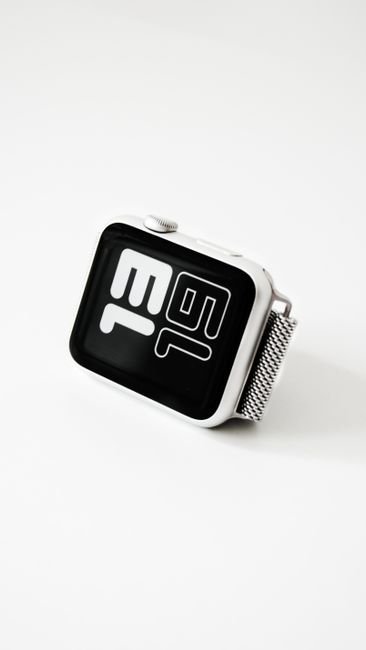
Moving up the ladder, the Apple Watch (often referred to as the standard model) offered a more refined experience. With a stainless steel case, available in either polished silver or space black, and a sapphire crystal display – a significant upgrade in durability and scratch resistance over the Sport model’s Ion-X glass – this version signaled a step up in both materials and perceived value. The price for the standard Apple Watch began at $549, with prices escalating based on case finish, band selection, and the chosen screen size (38mm or 42mm). This mid-tier option was designed to appeal to a broader demographic seeking a more sophisticated aesthetic and enhanced durability, bridging the gap between the utilitarian Sport and the luxurious Edition.
The pinnacle of the original Apple Watch lineup was the Apple Watch Edition. This was where Apple truly pushed the boundaries of luxury wearables, positioning the device as a high-end fashion accessory. The Edition models were crafted from 18-karat gold, available in either yellow or rose gold, and featured a polished finish that exuded opulence. The price for an Apple Watch Edition started at a staggering $10,000, with some configurations reaching as high as $17,000. This stratospheric pricing was a clear statement of intent, aiming to capture the high-net-worth individual market and associate the Apple Watch with exclusivity and prestige. The Edition models came with premium leather straps or sophisticated metal bracelets, further emphasizing their luxury status. This segment was less about mass adoption and more about brand elevation and establishing a new category of high-end personal technology.
The pricing structure of the original Apple Watch was a masterclass in market segmentation. By offering distinct tiers, Apple effectively communicated different value propositions. The Sport model emphasized functionality and affordability, making it an attractive proposition for the tech-savvy and fitness-conscious. The standard model offered a balance of durability, design, and a more premium feel, appealing to a wider segment of the general consumer market. The Edition, on the other hand, was a bold statement of luxury, aimed at a niche but influential audience, generating significant buzz and reinforcing Apple’s brand image as an innovator capable of creating desirable, high-end products.
Beyond the initial purchase price, potential buyers also had to consider the cost of accessories. Apple offered a wide array of interchangeable bands for all models, allowing for extensive personalization. These bands ranged from affordable sport bands to more elaborate leather and stainless steel options, adding to the overall cost of ownership. This accessory ecosystem not only provided revenue streams but also encouraged users to engage with their Apple Watch on a deeper, more personal level, transforming it from a mere device into an extension of their individual style.
The original Apple Watch price was a carefully calculated gamble. It aimed to democratize wearable technology with the Sport model, offer a compelling premium option with the standard model, and establish a new benchmark in luxury wearables with the Edition. While the $349 entry point seemed reasonable for a first-generation Apple product, the jump to $549 and then to five figures for the Edition models highlighted the varied interpretations of what a smartwatch could be and who it was intended for. This tiered pricing strategy was instrumental in shaping consumer perceptions, driving adoption across different market segments, and ultimately paving the way for the continued evolution and success of the Apple Watch in the years that followed. The original pricing, therefore, was not just about the cost of the hardware; it was a strategic blueprint for entering and dominating a new technological frontier.