
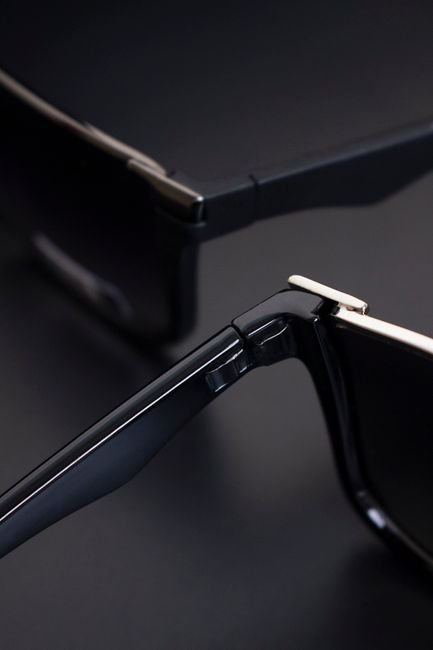
The Future of Sunglass Technology: Enhanced UV Protection
The relentless march of innovation is profoundly reshaping the humble sunglass, transforming it from a mere fashion accessory into a sophisticated shield for our precious eyesight. While the primary function of sunglasses has always been to mitigate the harsh glare of sunlight, the future lies in vastly enhanced UV protection, moving beyond basic UVA and UVB blocking to encompass a more comprehensive and intelligent approach to safeguarding our vision from the sun’s damaging rays.
For decades, sunglass lenses have offered a degree of UV protection, typically rated to block up to 99% of UVA and UVB rays. This has been a crucial step in preventing immediate discomfort and long-term damage like cataracts and macular degeneration. However, the spectrum of harmful solar radiation extends beyond these two well-known culprits. Emerging research highlights the significant impact of High-Energy Visible (HEV) light, often referred to as blue light, and even infrared (IR) radiation on ocular health. The next generation of sunglass technology is actively addressing these broader threats, promising unparalleled protection.
One of the most significant advancements on the horizon is the development of lenses with a broader spectrum of UV and HEV light filtering capabilities. Instead of relying on single-layer coatings, manufacturers are exploring multi-layered lens technologies. These layers, meticulously engineered, can selectively absorb and reflect different wavelengths of light. Imagine a lens with an inner layer designed to block UVA and UVB, an intermediate layer specifically targeting HEV blue light, and an outer layer that might even offer some degree of infrared protection. This layered approach offers a more nuanced and effective defense against the full spectrum of damaging light.
The materials science behind sunglass lenses is also undergoing a revolution. Traditional polycarbonate and plastic lenses, while offering impact resistance, are being augmented and even replaced by advanced polymers and composites. These new materials possess inherent UV-blocking properties, meaning the protection is not just a surface coating but integrated into the very fabric of the lens. This makes the protection more durable and less prone to degradation over time. Furthermore, research into photochromic materials is leading to lenses that not only adapt to changing light conditions by darkening but also adjust their UV and HEV filtering properties accordingly, offering optimal protection in every environment.
Smart lens technology represents another exciting frontier. Imagine sunglasses that actively monitor your environment and adjust their protective properties in real-time. Integrated sensors could detect the intensity and spectral composition of sunlight, signaling the lens to modify its filtration. This could involve subtle shifts in tint, or more sophisticated adjustments to the molecular structure of the lens material itself. Such adaptive lenses would offer a dynamic and personalized approach to UV protection, ensuring you are always shielded to the optimal degree, whether you are on a bright ski slope or in dappled shade.
The integration of nanotechnology is also poised to play a pivotal role. Nanoparticles, when incorporated into lens coatings or materials, can create incredibly thin yet highly effective barriers against specific wavelengths of light. These nanoparticles can be engineered to precisely absorb or scatter UV and HEV rays without compromising visible light transmission or color perception. This allows for the creation of remarkably clear and aesthetically pleasing lenses that offer superior protection. Think of microscopic shields embedded within the lens, working tirelessly to intercept harmful radiation before it reaches your eyes.
Beyond the lens itself, the frame design and materials are also evolving to enhance UV protection. Wrap-around designs, which have become increasingly popular, are crucial for minimizing light ingress from the sides, top, and bottom. Future frames may incorporate advanced materials that are not only lightweight and durable but also possess inherent UV-reflective properties, further reducing the amount of stray light that can reach the eyes. Furthermore, the integration of subtle ventilation systems within the frames could help manage heat generated by prolonged sun exposure, contributing to overall eye comfort and protection.
The development of specialized sunglass technologies for specific needs is also a growing area. For athletes, for instance, the focus is on lenses that not only provide enhanced UV and HEV protection but also offer superior contrast enhancement, glare reduction, and impact resistance. This might involve specialized tinting technologies and lens coatings that optimize visual acuity in challenging outdoor conditions. For individuals with specific eye conditions or sensitivities, custom-designed lenses offering tailored UV and HEV filtration profiles will become increasingly accessible.
The educational aspect of UV protection is also gaining traction. As consumers become more aware of the long-term consequences of UV exposure, the demand for high-quality, demonstrably effective sunglass technology will increase. Manufacturers are investing in clear labeling and certification processes to help consumers understand the specific protective capabilities of their lenses. This transparency will empower individuals to make informed choices about their eye health.
The future of sunglass technology is not simply about blocking more light; it’s about intelligent, adaptive, and comprehensive protection. It’s about leveraging cutting-edge materials science, nanotechnology, and smart technology to create eyewear that actively safeguards our vision from the multifaceted threats posed by solar radiation. As we continue to spend more time outdoors and as awareness of ocular health grows, these advancements will be crucial in preserving our eyesight for a lifetime. The sunglass of tomorrow will be a testament to human ingenuity, a powerful tool in our ongoing battle against the damaging effects of the sun.