
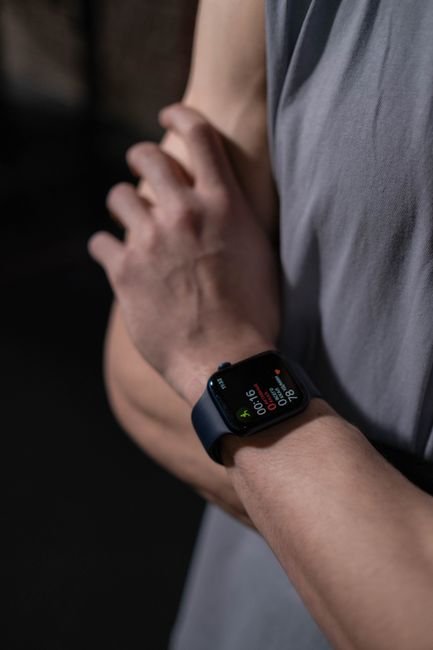
Your Wrist, Your Heart Guardian: Smartwatches with ECG for Cardiac Care
For individuals managing heart conditions, proactive monitoring is not just a recommendation; it’s a lifeline. Traditional methods of cardiac assessment often involve scheduled doctor’s visits and bulky equipment. However, a revolutionary advancement is now placing powerful diagnostic tools directly onto the wrists of heart patients: smartwatches with electrocardiogram (ECG) capabilities. These sophisticated wearables are transforming how cardiac health is understood and managed, offering unprecedented insights and empowering individuals to take a more active role in their well-being.
Understanding the ECG: A Window into Your Heart’s Electrical Symphony
At its core, an ECG is a non-invasive test that records the electrical activity of the heart. This electrical activity dictates the heart’s rhythm and strength of contraction, essentially orchestrating its pumping action. A traditional ECG, performed in a clinical setting, uses electrodes placed on the chest, arms, and legs to capture these signals. The resulting waveform provides a detailed snapshot of the heart’s electrical patterns, allowing healthcare professionals to detect a wide range of abnormalities, including:
- Arrhythmias: Irregular heartbeats, such as atrial fibrillation (AFib), bradycardia (slow heart rate), and tachycardia (fast heart rate).
- Ischemia: Reduced blood flow to the heart muscle, often an indicator of coronary artery disease.
- Previous Heart Attacks: Evidence of damage to the heart muscle from past cardiac events.
- Heart Block: Disruptions in the electrical pathways that control the heartbeat.
How Smartwatches Replicate Clinical ECGs
The magic of smartwatches with ECG functionality lies in their ability to miniaturize this diagnostic capability. These devices typically employ a single-lead ECG sensor, usually integrated into the watch’s casing. When activated, the user places a finger from their opposite hand on the watch’s crown or a designated sensor area. This completes an electrical circuit, allowing the smartwatch to record the electrical impulses traveling through the heart.
The process is remarkably simple and can be performed anywhere, anytime. Within seconds, the smartwatch captures a snapshot of the heart’s electrical activity, which is then processed and analyzed by the device’s algorithms. The results are typically presented as a waveform, often accompanied by an assessment of whether the rhythm appears normal or suggests potential irregularities like AFib. This on-demand capability is a game-changer for heart patients, allowing for immediate data collection during moments of concern or as part of a regular monitoring routine.
Key Features and Benefits for Heart Patients
The integration of ECG technology into smartwatches offers a multitude of benefits specifically tailored to the needs of individuals with cardiac conditions:
- Early Detection of Arrhythmias: Perhaps the most significant advantage is the ability to detect asymptomatic or intermittent arrhythmias. Conditions like AFib often don’t present with obvious symptoms, making them difficult to diagnose with traditional methods. Smartwatches can capture these episodes when they occur, providing crucial data to physicians for timely intervention.
- Proactive Health Management: Empowering patients with the ability to monitor their heart rhythm regularly fosters a sense of control and encourages proactive engagement with their health. This can lead to better adherence to treatment plans and lifestyle modifications.
- Reduced Healthcare Burden: By enabling remote monitoring and potentially reducing the need for frequent clinical visits for routine checks, smartwatches can alleviate pressure on healthcare systems and offer convenience to patients.
- Data-Driven Consultations: The ECG data collected by smartwatches can be shared with healthcare providers, offering them a more comprehensive and real-time understanding of the patient’s cardiac status. This can lead to more informed diagnoses and personalized treatment strategies.
- Peace of Mind: For individuals living with the anxiety of a heart condition, the ability to quickly check their heart rhythm can provide significant peace of mind, reducing stress and improving overall quality of life.
- Symptom Correlation: Patients can correlate their symptoms (e.g., palpitations, dizziness) with their ECG readings, providing valuable context for their doctor.
Navigating the Landscape: Popular Smartwatches with ECG
Several leading smartwatch manufacturers have incorporated advanced ECG capabilities into their devices. While specific features and accuracy may vary, these models are at the forefront of cardiac wearable technology:
- Apple Watch: The Apple Watch Series (starting from Series 4) is renowned for its FDA-cleared ECG app. It can detect signs of atrial fibrillation, providing users with a detailed rhythm and heart rate reading. The data can be exported as a PDF for sharing with physicians.
- Samsung Galaxy Watch: Samsung’s Galaxy Watch series (e.g., Galaxy Watch 4, 5, 6) also offers an ECG app that monitors heart rhythm for signs of AFib. It provides on-demand readings and can track blood pressure in some regions (though this feature requires calibration with a traditional cuff).
- Fitbit Sense/Sense 2: Fitbit’s Sense line features an ECG app that detects heart rhythm irregularities. It also offers other advanced health metrics like stress tracking and skin temperature sensing, which can be indirectly related to cardiac health.
Important Considerations for Heart Patients
While smartwatches with ECG are powerful tools, it’s crucial to understand their limitations and use them responsibly:
- Not a Diagnostic Tool for All Conditions: These devices are primarily designed to detect signs of AFib. They are not a substitute for a comprehensive medical evaluation and cannot diagnose all types of heart disease or arrhythmias.
- Consult Your Doctor: Always discuss your smartwatch’s ECG readings with your cardiologist or healthcare provider. They will interpret the data in the context of your overall health and medical history.
- False Positives and Negatives: Like any medical device, smartwatches can produce false positives (indicating an issue when there isn’t one) or false negatives (missing an actual issue). Consistent monitoring and professional interpretation are key.
- Regulatory Approvals: Look for smartwatches that have received regulatory clearance (e.g., FDA approval in the United States) for their ECG functionality. This indicates that the device has met specific safety and performance standards.
- Battery Life and Usage: Regular ECG readings can impact battery life. Understand the device’s battery performance and charging needs.
- Data Privacy and Security: Be aware of how your health data is stored and shared by the smartwatch manufacturer. Choose devices with robust privacy policies.
- Understanding the Waveform: While the app provides an interpretation, understanding the basics of an ECG waveform can be beneficial for discussions with your doctor.
Integrating Smartwatch ECG into Your Cardiac Care Plan
For heart patients, incorporating a smartwatch with ECG functionality can be a seamless and beneficial addition to their existing care plan. Here’s how to maximize its utility:
- Discuss with Your Cardiologist: Before purchasing, have a conversation with your cardiologist about whether a smartwatch with ECG is appropriate for your specific condition and if they recommend any particular models.
- Learn to Use the App: Familiarize yourself with the ECG app on your chosen smartwatch. Understand how to initiate a reading and interpret the basic information provided.
- Establish a Routine (If Recommended): Your doctor might suggest a regular schedule for taking ECG readings, especially if you have a history of arrhythmias.
- Record Readings During Symptoms: If you experience any concerning symptoms like palpitations, dizziness, or shortness of breath, immediately take an ECG reading.
- Share Data Regularly: Most smartwatch apps allow you to export ECG data. Share these readings with your cardiologist during your appointments or as requested.
- Don’t Self-Diagnose: Remember that the smartwatch provides data, not a definitive diagnosis. Always rely on your healthcare provider for medical interpretation and treatment decisions.
- Maintain Device Functionality: Ensure your smartwatch is charged and in good working order to capture accurate readings.
The Future of Cardiac Monitoring: Continuous Innovation
The evolution of smartwatches with ECG is ongoing. Future advancements are likely to include:
- More Sophisticated Algorithms: Improved AI and machine learning will enhance the accuracy and breadth of detected cardiac abnormalities.
- Integration with Other Health Data: Combining ECG data with other biometric information (e.g., blood pressure, oxygen saturation, sleep patterns) will provide a more holistic view of cardiovascular health.
- Remote Patient Monitoring Platforms: Seamless integration with healthcare provider platforms will facilitate real-time remote patient monitoring and telehealth consultations.
- Extended Battery Life: Addressing battery concerns will make continuous monitoring more practical.
Smartwatches with ECG technology represent a significant leap forward in empowering heart patients. By placing accessible, on-demand cardiac monitoring tools directly on their wrists, these devices are fostering proactive health management, enabling earlier detection of critical conditions, and ultimately, contributing to improved cardiac outcomes and a better quality of life. This is not just wearable technology; it’s a vital component of modern cardiac care.