
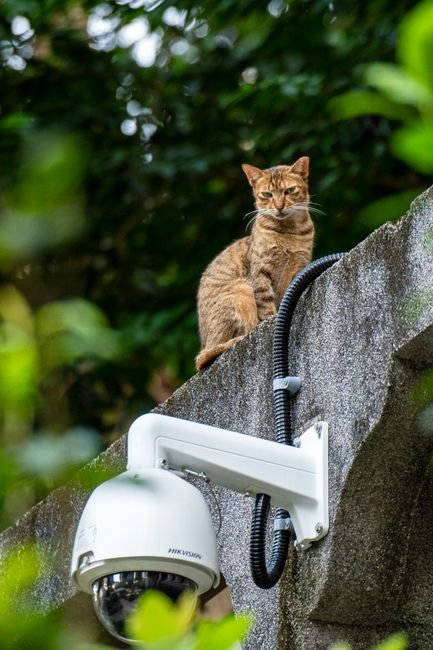
CCTV Camera Systems: Your Ultimate Guide to Home Security
In an era where home security is paramount, Closed-Circuit Television (CCTV) camera systems have emerged as indispensable tools for safeguarding our residences. These sophisticated surveillance networks offer a powerful deterrent against criminal activity, provide invaluable evidence in the event of an incident, and grant peace of mind to homeowners. This comprehensive guide delves deep into the world of CCTV, empowering you to make informed decisions for your home security needs.
Understanding the Fundamentals: How CCTV Works
At its core, a CCTV system comprises cameras that capture video footage, a recording device to store this footage, and often, a display monitor for real-time viewing. The cameras, strategically placed around your property, transmit video signals to a central recording unit, typically a Digital Video Recorder (DVR) or a Network Video Recorder (NVR). DVRs are traditionally used with analog cameras, while NVRs are designed for IP (Internet Protocol) cameras, which are increasingly popular due to their advanced features and superior image quality. The recorded footage can then be accessed remotely via the internet, allowing you to monitor your home from anywhere in the world.
Types of CCTV Cameras: Tailoring to Your Needs
The market offers a diverse range of CCTV cameras, each designed for specific applications and environments. Understanding these variations is crucial for selecting the right equipment.
-
Dome Cameras: Characterized by their discreet, dome-shaped housing, these cameras are often mounted on ceilings or walls. Their design makes it difficult for intruders to determine the camera’s exact field of vision, adding an element of psychological deterrence. Dome cameras are well-suited for indoor use and areas where aesthetics are a concern.
-
Bullet Cameras: These are the classic, cylindrical cameras often seen mounted on exterior walls. Their distinct shape makes them highly visible, acting as a strong deterrent. Bullet cameras are robust, weather-resistant, and ideal for monitoring entry points, driveways, and perimeter areas. Many come equipped with infrared (IR) LEDs for effective night vision.
-
Turret Cameras (Eyeball Cameras): Similar to dome cameras but with a more adaptable mounting bracket, turret cameras allow for greater flexibility in positioning. They offer a balance between the discreetness of dome cameras and the adjustability of bullet cameras, making them a versatile choice for both indoor and outdoor applications.
-
PTZ (Pan-Tilt-Zoom) Cameras: These advanced cameras offer remote control over their movement, allowing users to pan left and right, tilt up and down, and zoom in on specific areas. PTZ cameras are ideal for covering large areas or for situations where detailed observation is required. They are often used in commercial settings but are becoming more accessible for high-end residential security.
-
Wireless Cameras: These cameras connect to your network wirelessly, simplifying installation by eliminating the need for extensive cabling. They are powered either by batteries or a power adapter. While convenient, wireless cameras can be susceptible to signal interference and may require regular battery changes.
-
Wired Cameras: Traditional wired cameras offer a more stable and reliable connection compared to wireless alternatives. They require running cables from the camera to the DVR/NVR, which can be more labor-intensive but ensures consistent performance.
Key Features to Consider: Beyond the Basics
When evaluating CCTV systems, several critical features will significantly impact their effectiveness and your user experience.
-
Resolution: This refers to the clarity and detail of the video image. Higher resolution, measured in megapixels (MP) or TV lines (TVL), translates to sharper images, making it easier to identify individuals and details. Common resolutions include 720p (HD), 1080p (Full HD), and 4K (Ultra HD). For home security, 1080p is generally considered the minimum for effective surveillance.
-
Night Vision (Infrared – IR): Crucial for round-the-clock surveillance, night vision allows cameras to capture clear images in low-light or complete darkness. The range of the IR LEDs determines how far into the darkness the camera can see. Look for cameras with IR ranges that adequately cover the areas you intend to monitor.
-
Field of View (FOV): This indicates the width of the area a camera can capture. A wider FOV means the camera can cover more ground, reducing the number of cameras needed. However, a very wide FOV can sometimes lead to distorted images at the edges.
-
Weatherproofing (IP Rating): For outdoor cameras, weather resistance is paramount. IP (Ingress Protection) ratings indicate a camera’s ability to withstand dust and water. An IP66 or IP67 rating is typically recommended for outdoor use, ensuring protection against heavy rain and dust.
-
Motion Detection: This feature enables cameras to record only when movement is detected, saving storage space and making it easier to review footage. Advanced motion detection systems can differentiate between human and animal movement, reducing false alarms.
-
Two-Way Audio: Some cameras are equipped with microphones and speakers, allowing for two-way communication. This can be useful for speaking to visitors, deterring intruders, or even communicating with family members.
-
Remote Access and Mobile App Integration: The ability to view live footage and recorded events from your smartphone or tablet is a significant convenience. Most modern CCTV systems offer dedicated mobile apps for seamless remote access.
-
Storage Options: CCTV footage needs to be stored. Common options include:
- Local Storage (DVR/NVR Hard Drive): Offers the most direct and secure storage. The capacity of the hard drive determines how much footage can be retained.
- Cloud Storage: Provides off-site storage, offering an added layer of security against physical damage to your local recording device. This often comes with a subscription fee.
- SD Card Storage: Some cameras have built-in SD card slots for local, on-camera recording, useful as a backup or for standalone camera setups.
Types of CCTV Systems: Wired vs. Wireless
The choice between wired and wireless CCTV systems is a fundamental decision that impacts installation, reliability, and cost.
-
Wired Systems (Analog/IP):
- Pros: Generally more reliable, less susceptible to interference, often offer higher bandwidth for better video quality, and can be more secure against hacking.
- Cons: Installation can be more complex and costly due to the need for running cables, and placement options are more limited by cable length.
-
Wireless Systems (Wi-Fi):
- Pros: Easier and quicker installation, greater flexibility in camera placement, and less invasive to your home’s aesthetics.
- Cons: Can be prone to signal interference from other devices or obstructions, may have limitations on range, and battery-powered models require regular charging or replacement.
Installation: DIY vs. Professional
Deciding whether to install your CCTV system yourself or hire a professional depends on your technical skills, the complexity of the system, and your available time.
-
DIY Installation:
- Pros: Cost savings, complete control over the process, and a sense of accomplishment.
- Cons: Requires technical knowledge, can be time-consuming, and mistakes can lead to system malfunctions or suboptimal performance.
-
Professional Installation:
- Pros: Ensures proper setup and optimal performance, saves time and effort, and often comes with a warranty.
- Cons: Higher upfront cost.
Choosing the Right System for Your Home
The ideal CCTV system for your home is not a one-size-fits-all solution. It depends on several factors:
- Property Size and Layout: Larger properties will require more cameras and potentially longer cable runs or a robust wireless network.
- Specific Security Concerns: Are you primarily concerned about break-ins, package theft, or monitoring children and pets?
- Budget: CCTV systems range from affordable DIY kits to high-end professional installations.
- Technical Proficiency: Your comfort level with technology will influence your choice between DIY and professional installation, and wired vs. wireless.
Essential Placement Strategies for Maximum Coverage
Strategic camera placement is as crucial as the quality of the equipment itself. Consider these key areas:
- Entry Points: Front door, back door, garage doors, and any accessible windows are prime targets for intruders.
- Perimeter: Monitor the boundaries of your property to detect any suspicious activity before it reaches your home.
- Driveways and Garages: Capture vehicle details and potential loitering.
- Vulnerable Areas: Any blind spots or areas with limited visibility around your home.
- High-Value Areas (Indoors): If you have specific concerns about internal theft, consider placing cameras in areas where valuables are kept.
Legal and Ethical Considerations
While CCTV offers enhanced security, it’s important to be aware of legal and ethical considerations:
- Privacy: Ensure your cameras are not pointed into neighboring properties or public spaces where individuals have a reasonable expectation of privacy.
- Notification: In some regions, it may be legally required to inform visitors or residents that they are being recorded.
- Data Storage and Retention: Understand local regulations regarding how long you can legally store CCTV footage.
Maintenance and Upkeep
To ensure your CCTV system functions optimally, regular maintenance is essential:
- Clean Lenses: Dust and grime can obscure the camera’s view.
- Check Connections: Ensure all cables are securely connected and free from damage.
- Update Firmware: For IP cameras and NVRs, keeping firmware updated