
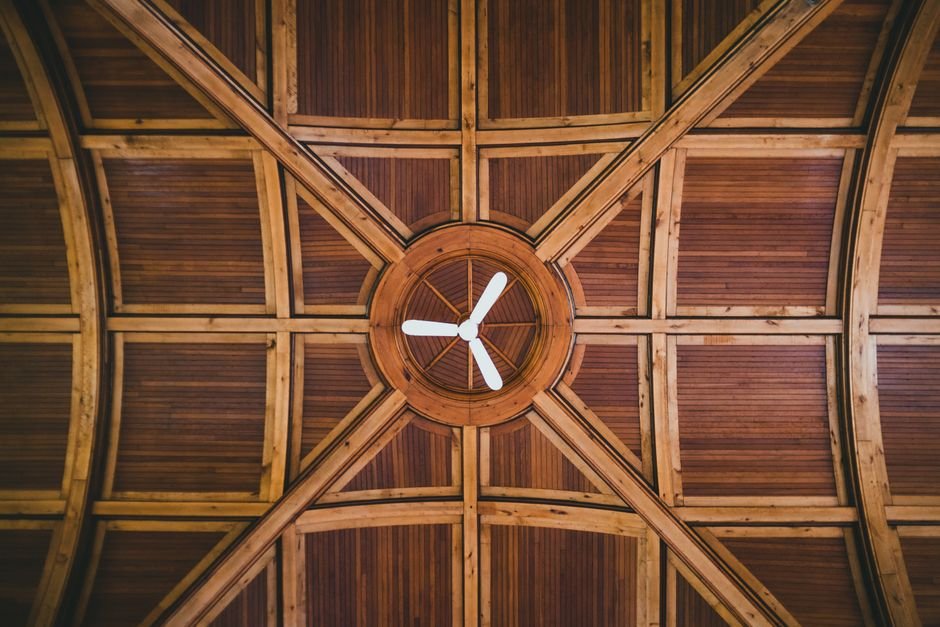
Beat the Heat in Style: Get the Coolest Summer Yet with High-Speed Ceiling Fans
As the mercury climbs and the sun relentlessly beats down, the quest for cool, comfortable living becomes paramount. While air conditioning offers a powerful solution, its energy consumption and cost can be a significant concern. Enter the unsung hero of summer comfort: the high-speed ceiling fan. Far from the sluggish, outdated models of yesteryear, modern high-speed ceiling fans offer a sophisticated, energy-efficient, and stylish way to transform your home into a cool sanctuary. This article delves into why embracing high-speed ceiling fans is the smartest move for the coolest summer yet, exploring their benefits, features, and how to choose the perfect one.
The fundamental principle behind a ceiling fan’s cooling power lies in the wind-chill effect. Unlike air conditioners that actively lower the ambient temperature, ceiling fans create a gentle breeze that evaporates moisture from your skin. This evaporation process is what makes you feel cooler, even if the actual room temperature remains the same. High-speed ceiling fans, with their powerful motors and optimized blade designs, amplify this effect, delivering a noticeably more refreshing sensation. Imagine stepping into a room where a persistent, invigorating breeze whispers through, instantly melting away the oppressive heat. This is the promise of a high-speed ceiling fan.
One of the most compelling advantages of opting for high-speed ceiling fans is their superior energy efficiency. Compared to running an air conditioner, a ceiling fan consumes a fraction of the electricity. This translates directly into significant savings on your energy bills, making it an environmentally conscious and economically sound choice. Many high-speed models are also designed with advanced features like DC (Direct Current) motors, which are even more energy-efficient than traditional AC motors, often using up to 70% less energy. This commitment to sustainability is a major draw for homeowners looking to reduce their carbon footprint while maintaining comfort.
Beyond their practical benefits, high-speed ceiling fans have evolved into design statements. Gone are the days of bulky, utilitarian fixtures. Today’s market offers a stunning array of styles, finishes, and sizes to complement any interior décor. From sleek, minimalist designs with integrated LED lighting to rustic farmhouse aesthetics with wooden blades, there’s a high-speed ceiling fan to elevate the look and feel of any room. Consider the material of the blades – options range from durable ABS plastic and elegant wood to stylish metal, each offering a unique visual appeal. The finish is equally important, with choices like brushed nickel, matte black, polished chrome, and antique bronze allowing for seamless integration with your existing color palette and furniture.
The performance of a high-speed ceiling fan is largely determined by its motor and blade design. Powerful, robust motors are essential for achieving high rotational speeds (RPMs) and generating substantial airflow. Look for fans with robust motor housings and efficient cooling mechanisms to ensure longevity and consistent performance. Blade pitch and shape also play a crucial role. A steeper blade pitch (the angle at which the blades are set) generally moves more air, while the aerodynamic design of the blades themselves can reduce drag and noise, leading to a quieter operation. Many high-speed fans are engineered with specifically shaped blades to maximize airflow while minimizing turbulence and sound.
Key features to consider when selecting a high-speed ceiling fan include:
- Motor Type: DC motors offer superior energy efficiency and quieter operation compared to AC motors.
- Blade Span: The diameter of the fan’s blades should be appropriate for the size of the room. Larger rooms require larger fans for optimal air circulation.
- Airflow (CFM): Cubic Feet per Minute (CFM) measures the volume of air a fan moves. Higher CFM indicates greater airflow and cooling potential. Aim for a CFM that is suitable for your room size and desired cooling intensity.
- Speed Settings: Multiple speed settings provide flexibility, allowing you to adjust the airflow to your preference and the ambient conditions. High-speed fans typically offer at least three, often five or more, distinct speeds.
- Reversible Function: Many ceiling fans offer a reversible motor function, allowing you to change the direction of the blades. In summer, the blades should rotate counter-clockwise to push cool air down. In winter, reversing the direction to clockwise can gently draw cooler air up and push warmer air from the ceiling down, aiding in heating efficiency.
- Integrated Lighting: Many modern high-speed ceiling fans come with integrated LED lighting, offering a convenient all-in-one solution for illumination and air circulation. Look for dimmable options for added ambiance control.
- Remote Control: A remote control enhances convenience, allowing you to adjust fan speed, direction, and lighting without leaving your seat.
- Smart Home Compatibility: For the ultimate in modern convenience, consider a fan that integrates with smart home systems like Amazon Alexa or Google Assistant, allowing for voice control and automation.
- Noise Level: While high-speed fans are designed for efficiency, noise can still be a factor. Look for fans with low decibel ratings, especially for bedrooms or living areas where quiet operation is desired.
The installation of a high-speed ceiling fan is a crucial step that ensures optimal performance and safety. While DIY installation is possible for those with electrical experience, it is often recommended to hire a qualified electrician to ensure proper wiring and secure mounting. A correctly installed fan will operate smoothly, quietly, and efficiently, delivering its full cooling potential. Ensure the mounting hardware is robust and the ceiling structure can support the weight of the fan.
Maximizing the cooling effect of your high-speed ceiling fan involves a few strategic considerations. Firstly, ensure the fan is running counter-clockwise during warmer months to create a downdraft of cool air. Secondly, use the fan in conjunction with other cooling methods. For instance, running a ceiling fan can allow you to set your thermostat a few degrees higher without sacrificing comfort, further reducing energy consumption. Also, keep curtains and blinds closed during the hottest parts of the day to block out direct sunlight, and ensure your home is well-insulated.
The benefits extend beyond personal comfort. High-speed ceiling fans can also improve air quality by circulating air and preventing stagnation, which can help reduce the buildup of dust and allergens. This makes them an excellent addition to homes with pets or individuals who suffer from respiratory issues. The constant movement of air can also help to prevent the formation of mold and mildew in humid environments.
Investing in a high-speed ceiling fan is not just about buying an appliance; it’s about investing in a cooler, more comfortable, and more energy-efficient lifestyle. As summer approaches, consider the transformative power of these modern marvels. They offer a refreshing breeze, significant energy savings, and a stylish enhancement to your living space. By understanding the features, benefits, and proper selection criteria, you can ensure you get the coolest summer yet, all while enjoying the quiet hum of efficient innovation. Make the smart choice for your home and your well-being, and embrace the power of high-speed ceiling fans this season.