
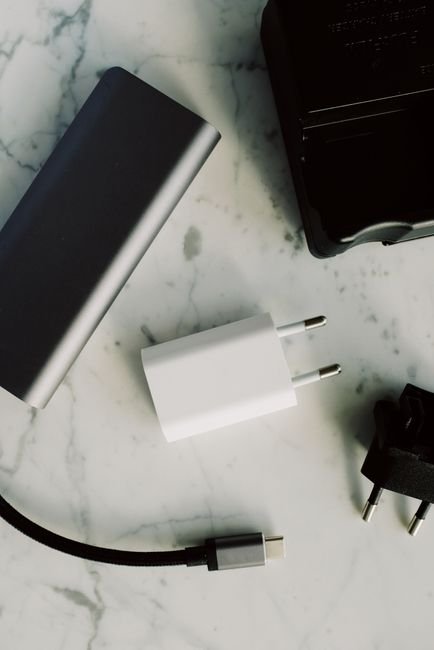
Power Bank Safety: Safeguarding Your Devices and Yourself
In our increasingly mobile world, power banks have become indispensable companions, offering a lifeline to our smartphones, tablets, and other essential gadgets. However, the convenience they provide comes with inherent risks if not handled with care. This article delves into comprehensive power bank safety tips, ensuring you can harness their charging capabilities without compromising the integrity of your devices or your personal well-being. Understanding these precautions is paramount for responsible power bank ownership.
Understanding the Risks: What Can Go Wrong?
Before diving into preventative measures, it’s crucial to grasp the potential hazards associated with power banks. The primary concerns revolve around:
- Overheating and Fire: This is perhaps the most significant risk. Faulty batteries, charging incompatible devices, or using damaged power banks can lead to excessive heat, potentially causing thermal runaway and fire.
- Battery Damage and Degradation: Improper charging, extreme temperatures, and physical impact can degrade the power bank’s battery, reducing its lifespan and increasing the risk of malfunction.
- Device Damage: Using a power bank with incorrect voltage or amperage, or one that experiences a sudden surge or discharge, can permanently damage connected devices.
- Electric Shock: While less common, damaged power banks or faulty charging cables can pose a risk of electric shock, especially in damp environments.
- Explosion: In extreme cases of severe battery damage or manufacturing defects, power banks can explode, posing a serious safety threat.
Choosing Wisely: The Foundation of Power Bank Safety
The safety journey begins with your purchasing decision. Opting for reputable brands and certified products significantly mitigates risks.
- Buy from Reputable Brands and Retailers: Avoid suspiciously cheap, unbranded power banks. Stick to well-known manufacturers with a track record of quality and safety certifications. Purchasing from authorized retailers also ensures you’re receiving genuine products.
- Look for Safety Certifications: Seek out certifications like UL (Underwriters Laboratories), CE (Conformité Européenne), FCC (Federal Communications Commission), and RoHS (Restriction of Hazardous Substances). These indicate the product has undergone rigorous testing for safety and compliance.
- Check User Reviews: Before purchasing, read reviews from other users. Pay attention to any recurring complaints regarding overheating, charging issues, or premature failure.
- Understand Capacity (mAh): While higher mAh means more charges, it doesn’t directly correlate with safety. Focus on the brand’s reputation and certifications over sheer capacity.
Safe Charging Practices: For Your Power Bank and Devices
How you charge your power bank and the devices connected to it plays a vital role in their longevity and your safety.
- Use the Original or Certified Charging Cables and Adapters: Always use the charging cable and wall adapter that came with your power bank or a certified equivalent. Using generic or damaged cables can lead to inefficient charging, overheating, and potential damage to both the power bank and the device.
- Avoid Overcharging: While most modern power banks have built-in protection against overcharging, it’s still good practice to unplug them once fully charged. Leaving them plugged in for extended periods, especially overnight, can still contribute to battery degradation and heat buildup.
- Charge in a Well-Ventilated Area: Never charge your power bank in enclosed spaces like under a pillow, on a bed, or in direct sunlight. This prevents adequate heat dissipation, increasing the risk of overheating. A cool, dry, and well-ventilated surface is ideal.
- Monitor Charging Temperature: During charging, periodically feel the power bank. If it becomes excessively hot to the touch, disconnect it immediately and let it cool down. A slight warmth is normal, but uncomfortable heat is a warning sign.
- Charge Devices Safely: Ensure the device you’re charging is compatible with the power bank’s output specifications (voltage and amperage). Most power banks are designed to auto-detect device needs, but using a power bank with significantly different specifications can be detrimental.
Storage and Maintenance: Extending Lifespan and Ensuring Safety
Proper storage and regular maintenance are crucial for both the performance and safety of your power bank.
- Store in a Cool, Dry Place: Avoid extreme temperatures. Don’t leave your power bank in a hot car, direct sunlight, or in very cold environments. Ideal storage temperatures are typically between 20°C and 25°C (68°F and 77°F).
- Keep Away from Moisture and Liquids: Water and electronics are a dangerous combination. Ensure your power bank remains dry to prevent short circuits and corrosion.
- Avoid Physical Damage: Dropping or subjecting your power bank to impact can damage the internal battery and circuitry, leading to potential safety hazards. Store it in a protective case or pouch when not in use.
- Regularly Inspect for Damage: Before each use, visually inspect your power bank and its charging cables for any signs of damage, such as swelling, cracks, leaks, or frayed wires. If any damage is observed, discontinue use immediately.
- Recharge Periodically: If you don’t use your power bank regularly, it’s advisable to recharge it at least every 3-6 months to maintain battery health. Completely depleting the battery and leaving it in that state for extended periods can be harmful.
Travel and Transportation: Navigating Power Bank Safety on the Go
Traveling with power banks requires specific considerations to ensure your safety and compliance with regulations.
- Airline Regulations: Most airlines permit passengers to carry power banks in their carry-on luggage only, not in checked baggage. There are often limits on the capacity (mAh) of power banks allowed. Always check the specific regulations of your airline and the destination country before flying.
- Secure Your Power Bank: During travel, ensure your power bank is secured to prevent accidental activation or damage. Consider a dedicated power bank pouch or case.
- Avoid Extreme Temperatures During Travel: Be mindful of temperature fluctuations in vehicles or during transit, as extreme heat can be particularly damaging.
When to Discontinue Use: Recognizing Warning Signs
Your power bank will often signal when it’s no longer safe to use. Heeding these warnings is critical.
- Physical Swelling or Bulging: If the power bank’s casing appears swollen or bulging, it indicates internal battery damage and a significant risk of explosion. Stop using it immediately and dispose of it properly.
- Excessive Heat: As mentioned, if the power bank becomes unusually hot during charging or use, disconnect it. Persistent overheating is a clear danger sign.
- Leaking or Strange Odors: Any signs of leakage from the power bank or a strange, acrid smell are indicators of severe internal damage.
- Malfunctions or Inconsistent Performance: If the power bank consistently fails to charge devices, charges them erratically, or shuts down unexpectedly, it may have internal issues.
- Physical Damage: Cracks, dents, or a damaged charging port can compromise the internal components and lead to safety hazards.
Responsible Disposal: Eco-Friendly and Safe Practices
When a power bank reaches the end of its life or becomes unsafe to use, proper disposal is essential.
- Do Not Throw in Regular Trash: Power bank batteries contain hazardous materials. Disposing of them in regular household waste can contaminate landfills and pose environmental risks.
- Find E-Waste Recycling Centers: Many electronic retailers and local government waste management facilities offer e-waste recycling programs. These centers are equipped to safely dismantle and recycle the components of power banks.
- Check Manufacturer Take-Back Programs: Some manufacturers offer take-back programs for their old products.
By adhering to these comprehensive power bank safety tips, you can confidently utilize these portable charging solutions, protecting your valuable devices and ensuring your personal safety in an increasingly connected world. Responsible ownership translates to a safer and more reliable experience.