
The Athlete’s Edge: Unlocking Peak Performance with Smartwatch Heart Rate and Blood Pressure Tracking
For the modern athlete, the pursuit of peak performance is a relentless journey, demanding meticulous attention to every facet of training, recovery, and overall well-being. Gone are the days of relying solely on gut feeling and manual logs. Today, advanced wearable technology, particularly smartwatches, has become an indispensable tool, offering real-time insights that were once the exclusive domain of elite sports science labs. At the forefront of this technological revolution are the integrated heart rate and blood pressure monitoring capabilities, transforming how athletes understand their bodies and optimize their training regimens.
Heart Rate: The Unseen Engine of Performance
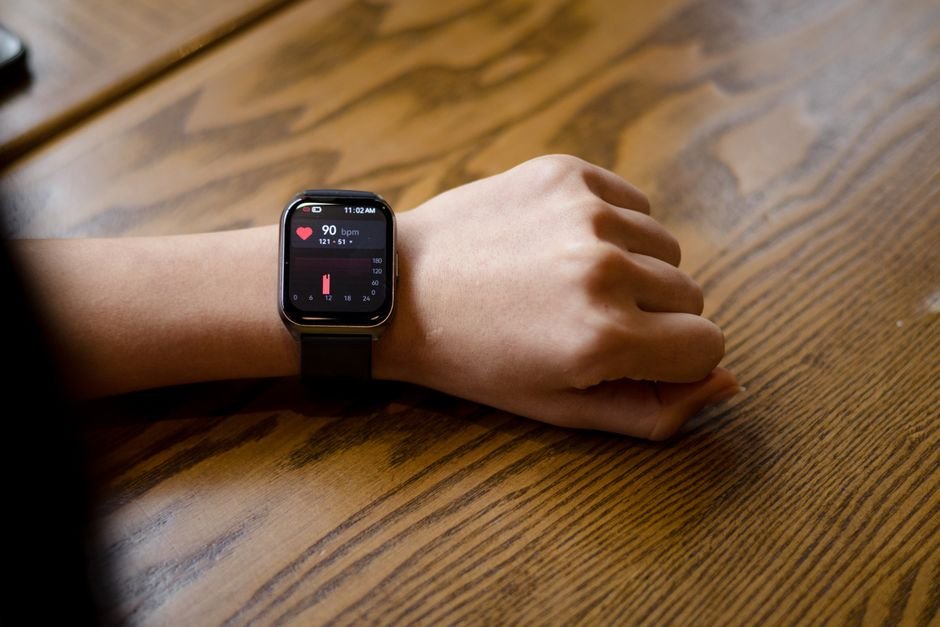
Heart rate (HR) is a fundamental physiological metric, a direct indicator of cardiovascular exertion and the body’s response to physical stress. For athletes, understanding and utilizing HR data is paramount. Smartwatches, equipped with sophisticated optical sensors, continuously measure beats per minute (BPM) with remarkable accuracy, providing a dynamic window into an athlete’s internal state.
Zones of Power: Training with Precision
The true power of HR monitoring lies in its ability to delineate distinct training zones. These zones, typically categorized into five levels (very light, light, moderate, hard, and maximum), correspond to different physiological systems and training adaptations.
- Zone 1 (Very Light): Recovery and warm-up, promoting blood flow and aiding muscle repair.
- Zone 2 (Light): Aerobic base building, improving endurance and fat utilization. Crucial for long-distance runners and cyclists.
- Zone 3 (Moderate): Tempo training, enhancing aerobic capacity and lactate threshold. This is where sustained effort builds speed and stamina.
- Zone 4 (Hard): Anaerobic threshold training, pushing the body’s limits to improve VO2 max and power output. Essential for sprinters and high-intensity interval training (HIIT).
- Zone 5 (Maximum): Peak exertion, used sparingly for short bursts to maximize performance and test absolute limits.
Smartwatches allow athletes to set personalized HR zones based on their maximum heart rate (MHR) or heart rate reserve (HRR). During workouts, the watch provides real-time feedback, alerting the athlete when they enter or exit specific zones, ensuring they are training at the intended intensity. This prevents overtraining, which can lead to injury and burnout, and underspending, which limits progress.
Beyond the Workout: Resting Heart Rate and Recovery
The utility of HR monitoring extends far beyond the active training session. Resting Heart Rate (RHR), measured first thing in the morning before any activity, is a powerful indicator of cardiovascular fitness and recovery. A consistently lower RHR signifies a more efficient heart, capable of pumping more blood with each beat. Conversely, a sudden increase in RHR can signal impending illness, overtraining, or insufficient recovery, prompting an athlete to adjust their training or prioritize rest.
Heart Rate Variability (HRV), a closely related metric, analyzes the subtle variations in time between heartbeats. Higher HRV is generally associated with better stress management, improved recovery, and a more resilient nervous system. Many advanced smartwatches now incorporate HRV tracking, offering a deeper insight into an athlete’s readiness to train and their overall physiological balance. By monitoring trends in RHR and HRV, athletes can proactively manage their training load, optimize their recovery strategies, and prevent the detrimental effects of chronic fatigue.
Blood Pressure: A Vital Sign for Performance and Health
While heart rate has long been a staple in sports wearables, the integration of blood pressure (BP) monitoring represents a significant leap forward in comprehensive athlete health assessment. BP, the force of blood pushing against the walls of arteries, is a critical indicator of cardiovascular health and can significantly impact athletic performance.
The Nuances of BP in Athletes
For athletes, understanding BP is twofold: its impact on immediate performance and its long-term health implications.
- Performance Impact: During strenuous exercise, BP naturally increases as the heart pumps harder to deliver oxygenated blood to working muscles. However, abnormally high or low BP responses during activity can signal underlying issues that may limit performance or pose health risks. For instance, a hypertensive response to exercise could indicate an increased risk of cardiovascular events.
- Health Implications: Chronic high blood pressure (hypertension) is a silent killer, increasing the risk of heart disease, stroke, and kidney problems. Even in young, seemingly healthy athletes, undiagnosed hypertension can go unnoticed, potentially impacting their long-term health and athletic careers. Conversely, abnormally low blood pressure (hypotension) can lead to dizziness, fatigue, and reduced exercise capacity.
Smartwatch BP Measurement: Innovation and Accuracy
Traditionally, BP measurement required a cuff-based sphygmomanometer, a cumbersome and infrequent method. Newer generations of smartwatches are incorporating innovative cuffless BP monitoring technology. While the exact mechanisms vary between manufacturers, these often rely on photoplethysmography (PPG) sensors (the same technology used for HR) combined with advanced algorithms that analyze pulse wave velocity and other physiological signals to estimate BP.
Interpreting BP Data for Athletes
The data provided by smartwatch BP monitors allows athletes to:
- Establish Baselines: Understand their typical BP ranges during rest and recovery.
- Monitor Trends: Track daily and weekly BP fluctuations, identifying any concerning patterns.
- Correlate with Activity: Observe how BP responds to different types of training and recovery.
- Early Detection: Potentially identify pre-hypertension or hypertension at an early stage, prompting consultation with a healthcare professional.
It’s crucial to emphasize that while smartwatch BP technology is rapidly advancing, it is not yet a substitute for clinical diagnostic tools. However, it offers an invaluable supplementary data stream for athletes to gain a more holistic understanding of their cardiovascular health and to proactively engage with their physicians.
Synergy of HR and BP: A Holistic View
The true power of smartwatches for athletes lies in the synergistic analysis of heart rate and blood pressure data. These two metrics, when viewed together, provide a more comprehensive picture of the body’s response to training and stress.
- Training Load Management: An athlete consistently exhibiting elevated RHR and higher-than-usual BP during rest might be overtrained and require a deload week.
- Recovery Optimization: Observing a rapid return of HR and BP to baseline levels post-exercise indicates efficient recovery.
- Performance Bottlenecks: If an athlete’s HR is high but their BP response is sluggish, it could suggest a potential cardiovascular limitation.
- Stress Response: Both elevated HR and BP can be indicators of acute or chronic stress, prompting athletes to incorporate stress-management techniques into their routines.
Choosing the Right Smartwatch for Performance Tracking
When selecting a smartwatch for athletic performance, several key features related to HR and BP tracking should be considered:
- Accuracy and Reliability: Look for devices that have undergone rigorous testing and have a reputation for accurate HR and BP readings.
- Continuous Monitoring: The ability to track HR and BP continuously, not just during workouts, provides invaluable resting and recovery data.
- Data Visualization and Analysis: The accompanying app should offer clear, intuitive charts and graphs to easily interpret trends and identify key insights.
- Personalization: Customizable HR zones and BP alerts are essential for tailoring the device to individual needs.
- Integration with Other Metrics: Compatibility with other training data (e.g., GPS, pace, cadence, sleep) allows for a more holistic analysis.
- Battery Life: For endurance athletes, long battery life is crucial to avoid interruptions during extended training sessions or events.
- Durability and Water Resistance: The watch should be built to withstand the rigors of various sports and environmental conditions.
The Future of Athletic Performance with Wearable Technology
The evolution of smartwatches in performance tracking is far from over. Future advancements will likely bring even greater accuracy in BP measurement, more sophisticated AI-driven insights that can predict injury risk or optimal training windows, and seamless integration with other health monitoring devices. For athletes, this means an ever-increasing ability to understand their bodies at a profound level, making data-driven decisions that unlock new levels of performance, enhance longevity in their sport, and safeguard their overall health. The smartwatch, once a mere gadget, has firmly established itself as an indispensable partner in the athlete’s relentless pursuit of excellence.