
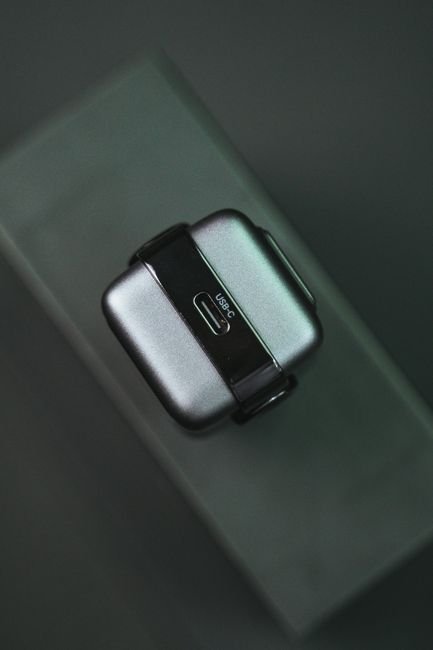
Type-C Fast Charger: Your Ultimate Universal Charging Solution
The ubiquitous charging port has undergone a revolution. Gone are the days of a tangled mess of proprietary cables, each tethered to a specific device. Enter USB Type-C, a reversible, versatile, and increasingly dominant standard that promises to simplify our digital lives. At the heart of this transformation lies the Type-C fast charger, a powerhouse designed to deliver rapid, efficient, and universal power to a growing ecosystem of electronics. Understanding its capabilities and benefits is key to unlocking its full potential as your ultimate charging solution.
The Dawn of a Unified Standard: Why Type-C Matters
For years, consumers have grappled with a fragmented charging landscape. Apple devices relied on Lightning, Android phones often sported Micro-USB or Mini-USB, and laptops had their own unique power adapters. This led to significant inconvenience, requiring users to carry multiple chargers and cables, often leading to compatibility issues and the frustrating search for the “right” plug.
USB Type-C, standardized by the USB Implementers Forum, eradicates this complexity. Its symmetrical, oval-shaped connector can be plugged in either way, eliminating the fumbling and frustration associated with traditional USB ports. Beyond its physical design, Type-C is a gateway to advanced power delivery and data transfer capabilities. This is where the “fast charger” aspect becomes paramount.
Unleashing the Speed: The Power of Fast Charging
The true magic of a Type-C fast charger lies in its ability to deliver significantly more power than its predecessors. This is primarily achieved through the USB Power Delivery (USB PD) specification. USB PD is a dynamic power-sharing protocol that allows devices to negotiate the optimal voltage and current for charging. Instead of a fixed power output, USB PD enables a much higher maximum power transfer, dramatically reducing charging times.
Consider the difference: a standard 5W charger might take hours to replenish a smartphone battery. A Type-C fast charger, leveraging USB PD, can deliver anywhere from 15W to 100W or even more, depending on the charger and the device’s capabilities. This means you can go from 0% to 50% battery in as little as 30 minutes on many modern smartphones, making low battery anxiety a relic of the past.
Key Technologies Powering Type-C Fast Charging:
- USB Power Delivery (USB PD): As mentioned, this is the foundational technology. It allows for intelligent negotiation of power levels between the charger and the device, supporting various voltage profiles (e.g., 5V, 9V, 12V, 15V, 20V) and current levels. Newer versions of USB PD, like PD 3.0 and PD 3.1 (Extended Power Range – EPR), push the boundaries even further, enabling higher wattage for power-hungry devices like laptops and monitors.
- Qualcomm Quick Charge (QC): While USB PD is the industry standard, proprietary fast-charging technologies like Qualcomm’s Quick Charge are also widely implemented, often in conjunction with Type-C. QC 3.0 and QC 4+ are backward compatible with USB PD and offer intelligent voltage adjustment for optimized charging speeds. Many Type-C chargers will support both USB PD and QC standards to ensure broad compatibility.
- Proprietary Fast Charging Technologies: Manufacturers like Samsung (Super Fast Charging, PPS), OnePlus (Warp Charge/SuperVOOC), and others have their own branded fast-charging technologies. These often utilize specific protocols and higher wattages, but many are designed to work with Type-C ports and may even leverage USB PD principles for broader compatibility. Look for chargers that explicitly mention support for these technologies if you own devices that utilize them.
Beyond Smartphones: The Universal Charging Ecosystem
The versatility of Type-C fast chargers extends far beyond mobile phones. Their high power output and standardized nature make them ideal for a growing array of devices:
- Laptops: Many modern laptops, including ultrabooks and even some gaming laptops, now feature Type-C ports that support charging. A single, high-wattage Type-C fast charger can power your laptop, reducing the need for bulky, device-specific power bricks. This is a game-changer for digital nomads and anyone seeking a streamlined setup.
- Tablets: From iPads to Android tablets, Type-C charging offers faster power replenishment, ensuring your creative or entertainment hub is always ready.
- Nintendo Switch and other gaming consoles: The convenience of a single charger for multiple devices is amplified with portable gaming consoles like the Nintendo Switch, which utilizes a Type-C port for charging.
- Wireless Earbuds and Smartwatches: Even smaller wearables are increasingly adopting Type-C, benefiting from faster charging to keep them powered throughout the day.
- Power Banks: High-capacity power banks are now equipped with Type-C PD ports, allowing for rapid recharging of the power bank itself and then delivering that fast power to your connected devices.
- Monitors and Docking Stations: With the advent of USB PD EPR, Type-C chargers can now power larger displays and complex docking stations, further consolidating your charging and connectivity needs.
Choosing the Right Type-C Fast Charger: Key Considerations
With the proliferation of Type-C chargers, making the right choice is crucial. Here are the essential factors to consider:
-
Wattage: This is the most critical specification. Match the charger’s wattage to the power requirements of your devices.
- Smartphones: 18W to 65W is generally sufficient for most smartphones. Higher wattages will offer faster charging if your phone supports it.
- Tablets: 30W to 65W is a good range.
- Laptops: This varies significantly. Ultrabooks might require 45W to 65W, while more powerful laptops could need 90W to 100W or even more. Always check your laptop’s original charger specifications.
- Multiple Devices: If you plan to charge multiple devices simultaneously, look for chargers with multiple ports and a total output wattage that can accommodate all your devices.
-
USB Power Delivery (USB PD) Support: Ensure the charger explicitly states support for USB PD. Look for PD 3.0 or PD 3.1 for the latest and most efficient charging capabilities.
-
Compatibility with Other Fast Charging Standards: If you have devices that rely on specific proprietary fast-charging technologies (e.g., Qualcomm Quick Charge), verify that the charger supports those standards as well for maximum compatibility.
-
Number and Type of Ports:
- USB-C Ports: Most fast chargers will have at least one USB-C port.
- USB-A Ports: Some chargers still include USB-A ports for backward compatibility with older devices.
- Multiple USB-C Ports: If you need to charge several Type-C devices simultaneously, look for chargers with multiple USB-C outputs.
-
Brand Reputation and Certifications: Opt for reputable brands known for quality and safety. Look for certifications like UL, CE, FCC, and USB-IF compliance, which indicate that the charger has met stringent safety and performance standards.
-
Cable Quality: The charging cable is just as important as the charger itself. Ensure you are using a high-quality USB-C cable rated for the wattage your charger and device support. Cheap or unrated cables can limit charging speed and even pose a safety risk.
-
GaN Technology: Gallium Nitride (GaN) is a semiconductor material that allows for smaller, more efficient, and cooler-running chargers. GaN chargers are becoming increasingly popular for their compact size and high power output, making them excellent travel companions.
The Environmental and Economic Benefits of Type-C Fast Chargers
The adoption of a universal charging standard like Type-C has far-reaching implications beyond convenience.
- Reduced E-Waste: By consolidating the need for multiple proprietary chargers, Type-C significantly reduces electronic waste. Consumers are less likely to discard old chargers when a single, versatile solution can power all their devices.
- Cost Savings: While the initial investment in a high-quality Type-C fast charger might seem higher, the long-term savings are substantial. You’ll no longer need to purchase individual chargers for each new device, and the longevity of a well-built charger ensures years of reliable service.
- Streamlined Travel: The ability to carry a single charger for your phone, laptop, tablet, and other accessories simplifies packing and reduces clutter, making travel more efficient and enjoyable.
The Future is Connected: Embracing the Type-C Revolution
The Type-C fast charger is more than just an accessory; it’s a fundamental shift in how we power our digital lives. Its universality, speed, and efficiency are transforming the way we interact with our devices. As more manufacturers embrace this standard, the ecosystem of compatible devices will continue to expand, further solidifying Type-C as the ultimate universal charging solution. By understanding its technology and making informed purchasing decisions, you can harness the full power of this revolution, enjoying faster charging, reduced clutter, and a more connected future.