
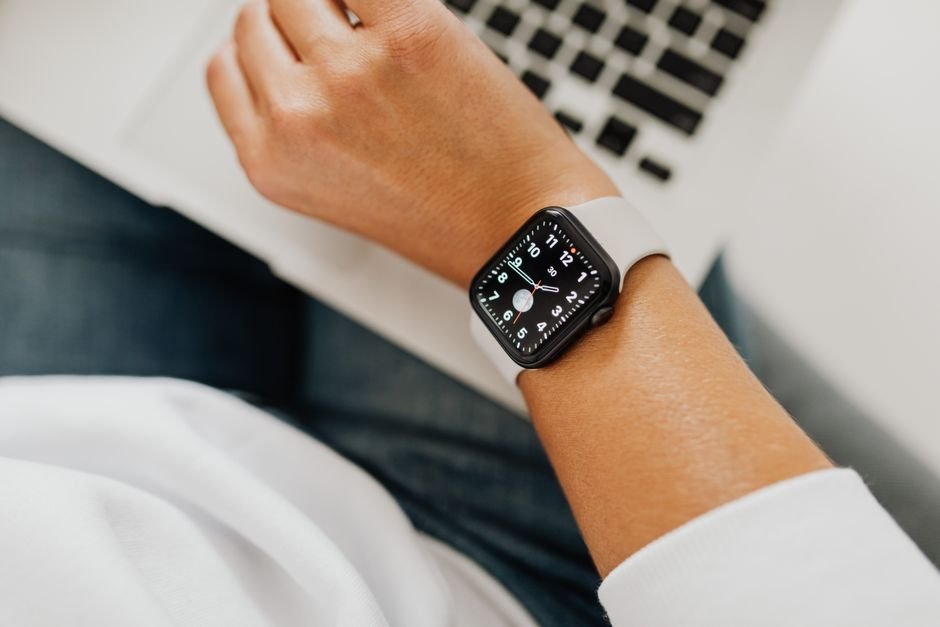
Smart Band Design Trends: Style Meets Technology
The humble fitness tracker has evolved into a sophisticated wearable, a seamless extension of our digital lives and personal style. Smart band design is no longer solely about functionality; it’s a potent blend of cutting-edge technology and aesthetic sophistication. This convergence is driving a wave of innovation, pushing manufacturers to create devices that are as fashionable as they are intelligent.
The Shifting Paradigm: From Gadget to Accessory
Gone are the days of bulky, utilitarian smart bands that screamed “tech.” Today’s smart bands are designed to be indistinguishable from premium jewelry or stylish watches. This shift is driven by a growing consumer base that demands wearables that complement their wardrobe and personal brand. The emphasis has moved from simply tracking steps to becoming a discreet yet powerful tool for health monitoring, communication, and personal expression.
Materials Matter: Elevating the Tactile Experience
The choice of materials plays a pivotal role in defining the aesthetic and perceived value of a smart band. Manufacturers are moving beyond basic plastics and rubber to embrace premium materials that offer both durability and a luxurious feel.
- Metals Galore: Stainless steel, aluminum, and even titanium are now commonplace. These metals provide a robust yet elegant feel, often finished with brushed, polished, or PVD coatings in a spectrum of colors, from classic silver and gold to contemporary rose gold and matte black. This lends a sophisticated, watch-like quality to the devices.
- Leather and Beyond: Traditional leather bands remain a popular choice, offering a timeless and versatile look. However, designers are experimenting with exotic leathers, vegan leather alternatives, and even woven fabrics to cater to diverse tastes and ethical considerations. The texture and feel of the band are increasingly important, contributing to the overall user experience.
- Ceramics and Advanced Composites: High-end models are exploring the use of ceramic for bezels and casings. Ceramic is renowned for its scratch resistance, hypoallergenic properties, and a smooth, cool-to-the-touch feel. Advanced composites are also being utilized for their lightweight yet strong characteristics, allowing for sleeker profiles.
- Interchangeability as a Core Feature: The ability to easily swap bands has become a standard expectation. This allows users to customize their smart band for different occasions – a sporty silicone band for workouts, a sleek leather band for the office, and a sparkling metal mesh for an evening out. This modularity empowers users to treat their smart band as a dynamic fashion accessory.
Form Factors and Aesthetics: Embracing Minimalism and Personalization
The shape and overall design language of smart bands are also undergoing a transformation, prioritizing sleekness and user-centric aesthetics.
- Slender and Streamlined Silhouettes: Bulky designs are giving way to slimmer, more ergonomic profiles. The goal is to create a device that sits comfortably on the wrist without being obtrusive. This often involves minimizing the thickness of the main module and integrating sensors discreetly.
- Edge-to-Edge Displays and Bezel-less Designs: Similar to smartphone trends, smart bands are adopting edge-to-edge displays and minimizing bezels. This maximizes screen real estate for notifications and data visualization while contributing to a more modern and immersive aesthetic. Curved displays are also emerging, offering a more fluid and integrated look.
- Minimalist Dials and Watch Faces: The digital watch faces are no longer just functional displays; they are an integral part of the design. Trends lean towards minimalist aesthetics, with clean typography, subtle animations, and customizable complications that allow users to prioritize the information they want to see at a glance. Analog-inspired watch faces are also gaining traction, bridging the gap between traditional timepieces and smart technology.
- Subtle Branding and Integrated Controls: Overt logos are becoming less common. Instead, branding is often subtly integrated into the design, perhaps through a small etched logo or a distinctive button. Physical buttons are being replaced by haptic feedback and touch-sensitive surfaces, further streamlining the device’s appearance.
- Color Palettes and Finishes: Beyond the standard black and silver, a wider array of sophisticated color options is available. Muted pastels, deep jewel tones, and sophisticated metallic finishes allow users to express their individuality. Matte finishes are particularly popular, offering a subtle and understated elegance.
Display Technology: Clarity and Vibrancy
The display is the primary interface for a smart band, and advancements in display technology are crucial for both functionality and aesthetics.
- AMOLED Dominance: AMOLED displays are now the de facto standard for high-end smart bands. Their ability to produce vibrant colors, deep blacks, and excellent contrast ratios significantly enhances the visual experience. This also contributes to better power efficiency, especially when displaying dark watch faces.
- Always-On Displays (AOD): AOD functionality allows users to see essential information like time and date without needing to wake the device. This feature, when implemented with energy-efficient displays, adds a layer of convenience and a touch of classic watch design.
- Increased Brightness and Sunlight Readability: As smart bands are used outdoors, improved brightness levels and anti-reflective coatings are essential for clear visibility in direct sunlight. This ensures that users can access information and notifications without squinting.
User Interface (UI) and User Experience (UX): Intuitive and Engaging
The design of the smart band extends beyond its physical form to the software that powers it.
- Intuitive Navigation: Gestures and swipes are becoming the primary means of navigation, mirroring the intuitive interactions found on smartphones. Clear iconography and logical menu structures ensure that users can access features quickly and easily.
- Personalized Dashboards: Users are increasingly demanding the ability to customize their dashboards, prioritizing the health metrics, notifications, and app shortcuts that matter most to them. This personalization enhances engagement and makes the smart band feel truly their own.
- Seamless Integration with Ecosystems: Smart bands are designed to work harmoniously with their respective smartphone operating systems and companion apps. This seamless integration allows for effortless data syncing, notification management, and access to a wider range of functionalities.
- Gamification and Motivational Design: To encourage consistent use and healthy habits, many smart bands incorporate gamified elements. This can include achievement badges, progress streaks, and friendly competitions with friends, all presented through engaging and visually appealing interfaces.
Sustainability and Ethical Considerations
A growing segment of consumers is prioritizing sustainability and ethical sourcing. Smart band manufacturers are responding by:
- Recycled and Eco-Friendly Materials: The use of recycled plastics, metals, and ethically sourced materials for bands and casings is becoming more prevalent.
- Modular Design for Longevity: Designing devices with modular components can facilitate easier repairs and upgrades, extending the product’s lifespan and reducing electronic waste.
- Reduced Packaging: Manufacturers are exploring minimalist and recyclable packaging solutions to minimize their environmental footprint.
The Future of Smart Band Design: Beyond the Wrist
While the wrist remains the primary location for smart bands, the definition of a “smart band” is expanding. We are seeing:
- Smart Rings: These discreet wearables offer many of the same tracking capabilities as smart bands but in an even more subtle form factor. Design trends here focus on minimalist aesthetics and comfortable wear.
- Smart Clothing Integration: The integration of sensors into fabrics is a nascent but promising area, blurring the lines between wearable technology and everyday apparel.
The evolution of smart band design is a testament to the power of human-centered innovation. By prioritizing both cutting-edge technology and sophisticated aesthetics, these devices are transforming from mere gadgets into indispensable companions that enhance our health, our connectivity, and our personal style. The future of smart bands is undeniably bright, promising even more seamless integration, personalized experiences, and a harmonious blend of form and function.