
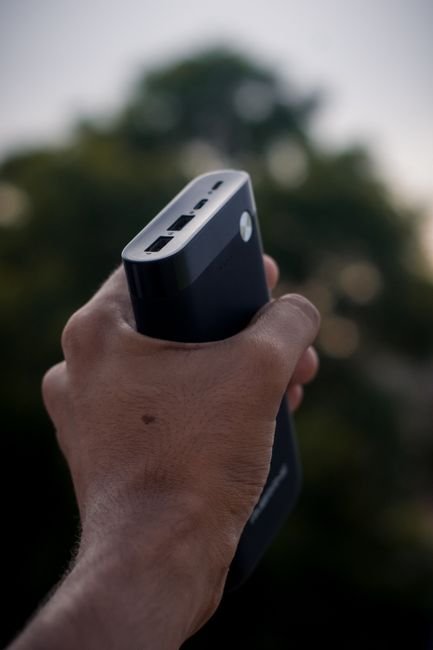
Essential Power Banks for Summer Travel: Never Run Out of Juice
Summer travel beckons with sun-drenched adventures, spontaneous detours, and the desire to capture every memorable moment. From navigating unfamiliar cities to documenting breathtaking landscapes, our smartphones and other portable devices are indispensable companions. However, the relentless use of GPS, cameras, and streaming services can quickly drain their batteries, leaving us stranded and disconnected. This is where a reliable power bank becomes not just a convenience, but an absolute necessity. Investing in the right power bank ensures you’ll never run out of juice when it matters most, keeping your devices alive and your summer adventures uninterrupted.
Understanding Power Bank Essentials: Capacity, Ports, and Speed
The sheer variety of power banks available can be overwhelming. To make an informed decision, it’s crucial to understand the core specifications that dictate their performance.
-
Capacity (mAh): This is the most critical metric, measured in milliampere-hours (mAh). It indicates how much charge the power bank can store. A higher mAh rating means more recharges for your devices. For summer travel, consider your device usage patterns. A typical smartphone battery ranges from 3,000 to 5,000 mAh. For a single day of moderate use, a 10,000 mAh power bank is usually sufficient for one to two full charges. If you’re an avid photographer, a heavy gamer, or traveling for extended periods without access to outlets, opt for 20,000 mAh or even higher. Remember that power banks are not 100% efficient; some energy is lost during charging.
-
Ports: Most power banks feature USB-A ports for connecting standard cables. However, the future is USB-C. Look for power banks with at least one USB-C port, especially if you own newer devices that utilize this standard. USB-C offers faster charging speeds and can often be used for both input (charging the power bank) and output (charging your devices). Some power banks also offer multiple USB-A and USB-C ports, allowing you to charge several devices simultaneously.
-
Charging Speed (Output Watts/Amps): This refers to how quickly the power bank can charge your devices. Look for specifications like “5V/2.4A” or “9V/2A.” Higher amperage (A) and voltage (V) generally translate to faster charging. Power delivery (PD) and Quick Charge (QC) technologies are game-changers. USB PD allows for higher power transfer, especially beneficial for charging laptops and tablets. QC is a Qualcomm technology that significantly speeds up charging for compatible Android devices. Ensure your power bank supports the fast-charging technology used by your devices for optimal performance.
-
Input Charging Speed: This determines how quickly the power bank itself can be recharged. A higher input wattage means less downtime waiting for your power bank to be ready for your next adventure. Some higher-capacity power banks can take a significant time to recharge, so a fast input is a valuable feature.
Top Power Bank Recommendations for Summer Adventures
Based on capacity, charging technology, portability, and user reviews, here are some of the best power banks to consider for your summer travels:
1. Anker PowerCore III Elite 25600mAh:
For the power-hungry traveler, this is a behemoth. With a massive 25,600 mAh capacity, it can charge a smartphone multiple times, a tablet, and even a USB-C laptop. It features two USB-C ports (one with 60W PD) and two USB-A ports, offering incredible versatility. The 60W PD output is powerful enough to keep most modern laptops topped up, making it ideal for digital nomads or those who rely on their laptops for work or entertainment on the go. Its robust build quality ensures it can withstand the rigors of travel.
2. RAVPower PD Pioneer 20000mAh:
A strong contender offering a balanced blend of capacity and charging speed. This 20,000 mAh unit typically boasts dual USB-C PD ports, with one capable of 60W output, and a USB-A port. It’s a fantastic option for charging multiple devices, including laptops, tablets, and smartphones, rapidly. The compact design for its capacity makes it relatively portable, fitting easily into a backpack or carry-on.
3. INIU Portable Charger 10000mAh:
For those who prioritize portability and everyday use, the INIU 10000mAh power bank is an excellent choice. Often featuring dual USB-C ports with PD capabilities and a sleek, compact design, it’s perfect for keeping your smartphone and other smaller devices charged throughout the day. Its smaller capacity makes it lighter and easier to carry in a pocket or small bag. Many models include intelligent LED displays showing remaining power, adding a layer of user-friendliness.
4. Baseus Blade 20000mAh 65W:
This power bank stands out for its incredibly slim profile, making it one of the most portable high-capacity options available. Despite its thinness, it packs a 20,000 mAh battery and supports 65W fast charging via its USB-C ports. It’s ideal for those who want maximum power without excessive bulk, fitting snugly into laptop sleeves or even larger pockets. The design is modern and premium, appealing to tech-savvy travelers.
5. Goal Zero Sherpa 100AC Power Bank:
For the ultimate off-grid adventurer, the Sherpa 100AC is a powerhouse. While larger and heavier, it offers a substantial 100Wh capacity and a built-in AC outlet, allowing you to power devices that normally require a wall socket, like small cameras, drones, or even some medical equipment. It also includes USB-C PD and USB-A ports. This is the go-to for camping, backpacking, or any situation where AC power is completely unavailable.
Beyond the Core: Features to Enhance Your Summer Travel Experience
While capacity and charging speed are paramount, several other features can elevate your power bank experience during summer travel:
-
Wireless Charging: Many modern power banks integrate Qi wireless charging pads. This is incredibly convenient for compatible smartphones, eliminating the need for cables altogether. Simply place your phone on the power bank to start charging.
-
Built-in Cables: Some power banks come with integrated USB-C or Lightning cables, reducing the number of accessories you need to carry. This is a fantastic space-saver and prevents you from forgetting essential cables.
-
Solar Charging Capability: For extended wilderness trips where outlets are non-existent, a power bank with solar charging input can be a lifesaver. While solar charging is typically slow, it offers a sustainable way to keep your power bank topped up from sunlight.
-
Pass-Through Charging: This feature allows you to charge both your devices and the power bank simultaneously. This is useful for overnight charging, where you can plug in your power bank and your phone at the same time, and both will be ready by morning.
-
Durability and Water Resistance: For beach trips, hiking, or any outdoor activity, a rugged and water-resistant power bank is a wise investment. Look for models with IP ratings indicating their resistance to dust and water.
-
LED Indicators and Displays: Clear battery level indicators, whether simple LEDs or digital displays, are essential for knowing how much power you have left. Some advanced displays even show charging speed and voltage.
Tips for Maximizing Your Power Bank’s Lifespan and Performance
To ensure your power bank serves you well throughout your summer travels and beyond, follow these best practices:
- Charge it Fully Before You Leave: Never start a trip with a partially charged power bank.
- Store it Properly: Avoid exposing your power bank to extreme temperatures, especially direct sunlight, which can degrade the battery.
- Use Quality Cables: Always use the cables that came with your devices or reputable third-party cables to ensure safe and efficient charging.
- Avoid Overcharging: While most modern power banks have overcharge protection, it’s still good practice not to leave them plugged in indefinitely after they’ve reached 100%.
- Keep it Clean: Dust and debris can accumulate in ports, hindering charging. Clean ports with compressed air or a dry, soft brush.
- Understand Your Devices’ Needs: Know which fast-charging technologies your devices support to select a power bank that can take full advantage of them.
By understanding the key specifications and considering the features that best suit your travel style, you can confidently select an essential power bank that will keep your devices powered up and your summer adventures running smoothly. Never again will a dead battery interrupt a breathtaking sunset, a crucial navigation point, or a cherished video call home. Embrace the freedom of staying connected, no matter where your summer travels take you.