
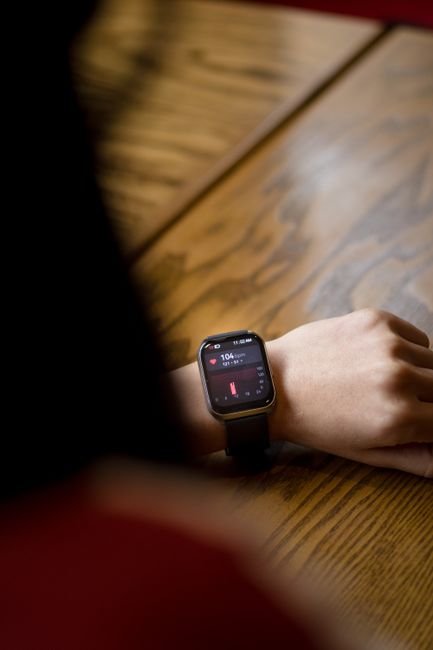
AI Smartwatch Technology: Next-Level Health Monitoring Features
The evolution of wearable technology has witnessed a dramatic surge in sophistication, with AI-powered smartwatches at the forefront of a new era in personalized health monitoring. Beyond basic step counting and heart rate tracking, these intelligent devices are now capable of analyzing complex biological data, offering proactive insights and potentially life-saving interventions. This article delves into the cutting-edge AI-driven health monitoring features that are redefining what we expect from our wristwear.
The Power of Predictive Analytics in Health
Artificial intelligence, particularly machine learning algorithms, is the engine driving the enhanced health capabilities of modern smartwatches. These algorithms learn from vast datasets, identifying subtle patterns and anomalies that might escape human observation. This predictive power is transforming health monitoring from reactive to proactive. For instance, AI can analyze variations in heart rate variability (HRV) over time, not just as a single metric, but in conjunction with sleep quality, activity levels, and even environmental factors. By recognizing deviations from an individual’s baseline, the AI can flag potential signs of stress, overtraining, or even early indicators of cardiovascular issues.
Advanced Cardiovascular Monitoring: Beyond the Basics
Traditional smartwatches offer basic heart rate monitoring. However, AI takes this to a profound level. Features like electrocardiogram (ECG) capabilities, once exclusive to clinical settings, are now integrated into many high-end smartwatches. AI algorithms analyze the ECG readings to detect arrhythmias such as atrial fibrillation (AFib), a common but often asymptomatic condition that significantly increases the risk of stroke. The AI can differentiate between normal sinus rhythm and irregular patterns, alerting the user and providing data that can be shared with a healthcare professional.
Furthermore, AI is enhancing blood pressure monitoring. While non-invasive cuffless blood pressure measurement is still an evolving field, AI plays a crucial role in interpreting the subtle physiological signals that correlate with blood pressure. By analyzing pulse wave velocity, PPG (photoplethysmography) signals, and other biometric data, AI models are being trained to estimate blood pressure trends, offering users a more convenient way to track this vital sign. Continuous blood pressure monitoring, facilitated by AI, could revolutionize hypertension management.
Sleep Stage Analysis and Optimization
Sleep is a cornerstone of overall health, and AI smartwatches are providing unprecedented insights into our sleep patterns. Beyond simply tracking duration, AI analyzes data from accelerometers, gyroscopes, and heart rate sensors to accurately identify different sleep stages: light sleep, deep sleep, and REM sleep. Machine learning models learn an individual’s unique sleep architecture and can then identify disruptions, such as frequent awakenings or insufficient time spent in restorative deep sleep.
This detailed analysis allows AI to offer personalized recommendations for sleep improvement. This might include suggesting optimal bedtime routines, advising on wake-up times to align with natural sleep cycles, or even recommending environmental adjustments like room temperature or light exposure. Some advanced AI systems can even correlate poor sleep with daytime cognitive performance or mood, creating a holistic understanding of the sleep-wake cycle’s impact.
Stress Detection and Management Tools
The constant barrage of modern life can take a significant toll on mental well-being. AI smartwatches are emerging as powerful tools for stress detection and management. By analyzing a combination of physiological indicators – including heart rate, HRV, skin conductance (electrodermal activity), and even subtle changes in voice patterns captured by onboard microphones – AI can quantify stress levels in real-time.
Once stress is detected, the AI can offer immediate interventions. This might involve guided breathing exercises, mindfulness prompts, or even suggesting a short break from demanding tasks. The AI learns the user’s stress triggers and responses, allowing it to provide more tailored and effective coping strategies over time. This proactive approach to stress management can contribute significantly to reducing the long-term health consequences of chronic stress.
Blood Oxygen Saturation (SpO2) Monitoring and Respiratory Health
Blood oxygen saturation (SpO2) is a critical indicator of respiratory and circulatory health. AI-powered smartwatches equipped with SpO2 sensors can continuously monitor oxygen levels in the blood. Machine learning algorithms analyze the PPG signal to accurately determine SpO2, even during sleep.
This feature is particularly valuable for individuals with respiratory conditions like sleep apnea, asthma, or COPD. Significant drops in SpO2 can be an early warning sign of exacerbations or complications. AI can detect these dips and alert the user or even their designated caregiver. Furthermore, by correlating SpO2 readings with activity levels and sleep quality, AI can provide a more comprehensive picture of respiratory function and potential areas for improvement.
Fall Detection and Emergency Response
For older adults or individuals with mobility challenges, fall detection is a crucial safety feature. AI algorithms analyze accelerometer and gyroscope data to distinguish between normal movements and the sudden impact of a fall. When a fall is detected, the smartwatch can automatically alert emergency contacts or services, providing them with the user’s location.
The AI’s sophistication in fall detection goes beyond simple motion sensing. It can learn to differentiate between a genuine fall and accidental bumps or stumbles, reducing false alarms. In some advanced systems, the AI can even assess the severity of the fall based on the impact and the user’s subsequent immobility, prioritizing emergency response accordingly.
Personalized Fitness and Training Insights
AI is revolutionizing fitness tracking by moving beyond generic metrics. Smartwatches now offer personalized workout recommendations based on an individual’s fitness level, recovery status, and goals. AI analyzes workout data, including intensity, duration, and heart rate response, alongside recovery metrics like sleep and HRV, to suggest optimal training loads and rest periods.
This personalized approach helps prevent overtraining, reduces the risk of injury, and maximizes training effectiveness. AI can also provide real-time feedback during workouts, guiding users to maintain optimal intensity or form. For athletes, AI-powered insights into performance trends, fatigue levels, and recovery needs can be invaluable for achieving peak performance.
Glucose Monitoring and Diabetes Management
While non-invasive continuous glucose monitoring (CGM) for smartwatches is still a developing technology, AI is playing a pivotal role in its advancement. Existing CGMs, often paired with smartwatches, leverage AI to predict glucose trends, provide alerts for hypo- and hyperglycemia, and offer insights into how diet and exercise impact blood sugar levels.
Future iterations of AI smartwatches are expected to integrate more direct glucose sensing capabilities, further simplifying diabetes management. AI algorithms will be crucial in interpreting these readings, providing users with actionable advice on insulin dosage, meal timing, and exercise to maintain optimal glycemic control.
The Future of AI in Smartwatch Health Monitoring
The trajectory of AI in smartwatch health monitoring is one of continuous innovation. We can anticipate even more sophisticated sensors capable of measuring a wider range of biomarkers, from hydration levels and body temperature fluctuations to early indicators of infectious diseases. AI’s ability to synthesize data from multiple sources – including environmental data from the watch and potentially even genomic information – will lead to hyper-personalized health insights and preventative strategies. The seamless integration of AI-powered smartwatches into a broader healthcare ecosystem, with data sharing capabilities for clinicians, promises a future where proactive, data-driven health management becomes the norm.