
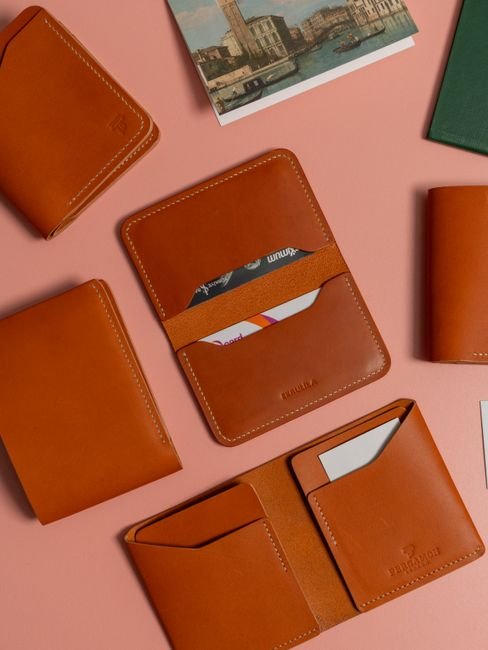
RFID Blocking Wallets: Safeguarding Your Financial Frontier
In an increasingly digital world, the security of our personal information has become paramount. Among the burgeoning threats to financial privacy, the silent menace of Radio-Frequency Identification (RFID) skimming poses a significant concern. This sophisticated form of identity theft allows criminals to wirelessly extract sensitive data from credit cards, passports, and other RFID-enabled documents without physical contact. Fortunately, a robust defense against this digital intrusion lies within a seemingly simple accessory: the RFID blocking wallet.
These specially designed wallets act as a Faraday cage for your sensitive cards, preventing unauthorized RFID readers from accessing your personal and financial details. Understanding the technology behind RFID, the risks associated with its vulnerability, and the efficacy of RFID blocking wallets is crucial for maintaining a secure financial frontier.
The Invisible Threat: Understanding RFID Technology and Its Vulnerabilities
RFID technology utilizes radio waves to transmit data between an RFID tag and a reader. In the context of financial documents, credit cards, debit cards, and passports are embedded with microchips containing encoded information. This includes your name, account number, expiry date, and in the case of passports, biographical data and even facial recognition information.
The convenience of RFID technology is undeniable. Contactless payments allow for swift transactions, and e-passports expedite border crossings. However, this very wireless nature creates an inherent vulnerability. RFID readers, which can be disguised as everyday devices, can be used by malicious actors to scan and capture your data from a distance, sometimes several feet away. This process, known as RFID skimming, can occur without you even realizing it.
The implications of successful RFID skimming are far-reaching. Stolen credit card information can be used for fraudulent purchases, leading to financial losses and the arduous task of disputing fraudulent charges. Stolen passport data can be exploited for identity theft, potentially impacting your credit score, ability to obtain loans, and even your freedom to travel. The ease with which this information can be acquired makes RFID skimming a particularly insidious threat.
The Shield: How RFID Blocking Wallets Intervene
RFID blocking wallets are engineered with a specific purpose: to create a barrier that disrupts the radio waves used by RFID readers. The core of this protection lies in the materials used in their construction. Typically, these wallets incorporate a layer of metallic fabric, often made from aluminum, copper, or specialized conductive materials.
When an RFID reader attempts to transmit radio waves to a card within an RFID blocking wallet, the metallic layer acts as a shield. It absorbs or reflects the radio waves, preventing them from reaching the RFID chip and thus blocking the data transmission. This effectively renders your RFID-enabled cards invisible to unauthorized scanners.
The effectiveness of an RFID blocking wallet depends on several factors, including the quality of the materials, the design of the wallet, and the specific frequency of the RFID technology being targeted. Most modern RFID blocking wallets are designed to block common RFID frequencies used by credit cards (13.56 MHz) and passports (125 kHz).
Choosing Your Digital Armor: Key Features of High-Quality RFID Blocking Wallets
When selecting an RFID blocking wallet, several features warrant careful consideration to ensure optimal protection and functionality:
- Material Composition: Look for wallets explicitly stating the use of conductive materials like aluminum foil, copper mesh, or proprietary RFID blocking fabrics. The density and weave of these materials are crucial for effective shielding.
- Shielding Coverage: Ensure the RFID blocking layer completely encases the card slots. A wallet with partial shielding may still leave some of your cards vulnerable.
- Durability and Construction: A good RFID blocking wallet should be as durable as a traditional wallet. Examine the stitching, zippers, and overall construction for longevity.
- Design and Capacity: Beyond security, consider the wallet’s practical aspects. Does it offer enough space for your cards, cash, and other essentials? Various styles are available, from minimalist cardholders to bifold and trifold designs.
- Brand Reputation and Reviews: Research brands known for their commitment to security and customer satisfaction. Online reviews can provide valuable insights into the real-world performance and durability of different RFID blocking wallets.
- Testing and Certification: While not always present, some manufacturers may offer testing results or certifications to validate their wallet’s RFID blocking capabilities.
Beyond the Wallet: Complementary Security Measures
While an RFID blocking wallet is a powerful tool, it’s important to remember that it’s one component of a comprehensive digital security strategy. To further bolster your financial protection, consider these complementary measures:
- Stay Informed About Skimming Risks: Be aware of your surroundings, especially in crowded public places where skimming attempts are more likely.
- Monitor Your Financial Accounts Regularly: Frequently check your credit card statements and bank accounts for any suspicious activity. Promptly report any unauthorized transactions to your financial institution.
- Use Strong, Unique Passwords: For online banking and financial services, employ complex and distinct passwords that are difficult to guess or crack.
- Enable Two-Factor Authentication (2FA): Wherever available, activate 2FA for an extra layer of security on your online accounts.
- Be Cautious with Public Wi-Fi: Avoid conducting sensitive financial transactions on unsecured public Wi-Fi networks.
- Secure Your Physical Documents: When not in use, store your passport and other sensitive identification documents in a secure location.
- Consider Identity Theft Protection Services: For added peace of mind, explore professional identity theft protection services that can monitor your personal information across various platforms.
The Evolution of Security: RFID Blocking Wallets in a Connected World
The advent of RFID blocking wallets signifies a proactive response to emerging digital threats. As technology continues to evolve, so too will the methods employed by both security providers and malicious actors. Investing in an RFID blocking wallet is a tangible step towards reclaiming control over your financial data in an increasingly interconnected and vulnerable digital landscape.
By understanding the risks and embracing the protective capabilities of these specialized wallets, individuals can fortify their financial frontier and navigate the digital age with greater confidence and security. The humble wallet has transformed from a simple container for cash and cards into a vital shield against the invisible threats of the modern world.