
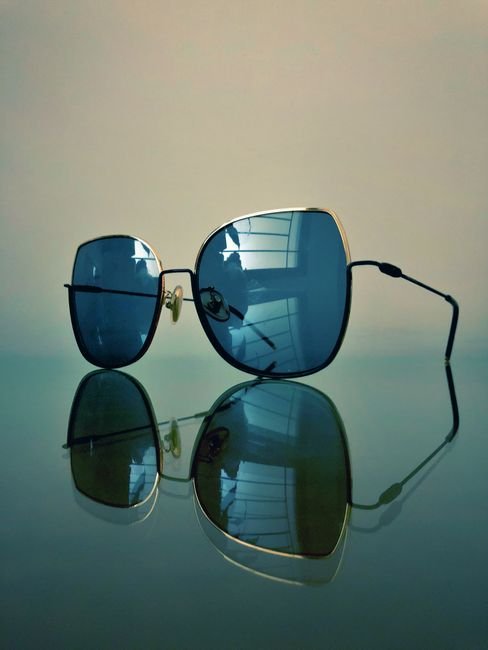
Chic and Safe: Your Next Pair of UV Protection Sunglasses
The sun, a source of life and warmth, also poses significant threats to our health, particularly our eyes. Prolonged exposure to ultraviolet (UV) radiation, invisible yet potent, can lead to a spectrum of ocular issues ranging from discomfort to severe, long-term damage. This makes investing in high-quality UV protection sunglasses not merely a fashion statement, but a critical aspect of eye care. Beyond shielding your vision, the right pair of sunglasses can elevate your style, becoming a quintessential accessory for any season.
Understanding the UV Threat: Why Protection is Paramount
UV radiation is categorized into three main types: UVA, UVB, and UVC. While the Earth’s ozone layer effectively filters out UVC rays, UVA and UVB penetrate the atmosphere and reach our eyes.
- UVB Rays: These are the primary culprits behind sunburn and are strongly linked to the development of cataracts and macular degeneration. UVB rays are most intense during the summer months and between 10 am and 4 pm.
- UVA Rays: Though less intense than UVB, UVA rays penetrate deeper into the eye, contributing to premature aging of the eye tissues and increasing the risk of certain eye cancers. They are present year-round, even on cloudy days, and can pass through window glass.
The cumulative effect of UV exposure over a lifetime can be substantial. Children’s eyes are particularly vulnerable due to their larger pupils and clearer lenses, which allow more UV radiation to reach the retina. Therefore, establishing good sun protection habits early on is vital.
Decoding UV Protection Labels: What to Look For
Navigating the world of sunglasses can be confusing, with various labels and technical jargon. The most crucial factor to understand is the level of UV protection offered.
- 100% UV Protection (or UV400): This is the gold standard. Sunglasses labeled “100% UV protection” or “UV400” block virtually all harmful UVA and UVB rays. “UV400” signifies that the lenses block light rays up to 400 nanometers, effectively encompassing the entire spectrum of harmful UV radiation. Always prioritize this labeling.
- CE Mark: In Europe, the CE mark indicates that the sunglasses meet European safety standards, including UV protection. However, it doesn’t specify the exact level of protection. Combine this with a UV400 or 100% UV protection label for comprehensive assurance.
- Tint and UV Protection are Unrelated: It’s a common misconception that darker lenses offer better UV protection. The tint of a lens affects how much visible light passes through, influencing comfort in bright conditions. It has no bearing on UV blocking capabilities. You can have a lightly tinted lens that offers 100% UV protection and a very dark lens that offers very little.
Beyond Protection: Lens Quality and Features
While UV protection is non-negotiable, several other lens features contribute to both visual clarity and overall comfort.
- Polarized Lenses: These lenses are designed to reduce glare from reflective surfaces like water, snow, roads, and even car hoods. The glare is essentially horizontally polarized light. Polarized lenses have a special filter that blocks these horizontal light waves, leading to significantly improved visual comfort and reduced eye strain. They are particularly beneficial for activities like driving, fishing, and skiing.
- Lens Materials:
- Polycarbonate: Lightweight, impact-resistant, and naturally block 100% of UV rays. An excellent choice for active lifestyles and children due to their durability.
- CR-39 (Plastic): Offers good optical clarity and scratch resistance. UV protection is achieved through coatings.
- Glass: Provides superior optical clarity and scratch resistance but is heavier and can shatter. UV protection is achieved through coatings.
- Lens Coatings: Beyond UV protection, various coatings can enhance lens performance:
- Anti-reflective coating: Reduces glare and reflections from the back surface of the lens, improving visual acuity.
- Scratch-resistant coating: While no lens is truly scratch-proof, this coating helps protect against minor abrasions.
- Hydrophobic/Oleophobic coating: Repels water and oil, making lenses easier to clean and reducing smudges.
Style Meets Substance: Choosing the Right Frame
The frame of your sunglasses plays a significant role in both their aesthetic appeal and their protective capabilities.
- Coverage is Key: Larger frames and wrap-around styles offer superior protection by minimizing the amount of UV light that can enter from the sides, top, and bottom. This is especially important for extended outdoor activities.
- Material Matters:
- Acetate: A durable, hypoallergenic plastic derived from cotton. It offers a wide range of colors and patterns and is lightweight.
- Metal: Offers a classic look and can be very lightweight and adjustable. Common metals include stainless steel, titanium, and aluminum.
- Nylon: A flexible and lightweight material often used in sports sunglasses for its durability and comfort.
- Fit and Comfort: Sunglasses should fit snugly without pinching or slipping. The bridge should rest comfortably on your nose, and the temples should sit securely behind your ears. A proper fit ensures that the sunglasses stay in place and provide optimal coverage.
The Latest Trends in Chic UV Protection
The world of eyewear is constantly evolving, blending cutting-edge technology with timeless style.
- Oversized and Bold: Large, statement-making frames continue to dominate, offering maximum coverage and a dramatic flair. Think oversized aviators, chunky cat-eyes, and square frames with thick rims.
- Retro Revival: Vintage-inspired styles like round frames, wayfarers, and classic aviators are making a strong comeback, offering a nod to iconic fashion eras.
- Sustainable Materials: Eco-conscious consumers will find a growing selection of sunglasses crafted from recycled plastics, plant-based materials, and even reclaimed wood. These options offer a stylish and responsible choice.
- Clear and Translucent Lenses: While not offering the same level of light reduction as darker tints, clear and lightly tinted lenses with full UV protection are gaining popularity for their fashion-forward aesthetic, particularly in streetwear.
- Innovative Colorways: Beyond classic black and tortoiseshell, expect to see sunglasses in vibrant hues, pastels, and even gradient finishes, allowing for personalized expression.
When and Where to Wear Your UV Protection Sunglasses
While the sun’s rays are strongest during peak hours, UV radiation is present year-round. Therefore, wearing your UV protection sunglasses consistently is recommended.
- Everyday Wear: Even on cloudy days, significant UV radiation can penetrate the atmosphere. Make them a part of your daily routine.
- Driving: Glare from the road can be intense, and UV rays can still reach your eyes through car windows. Polarized lenses are particularly beneficial for drivers.
- Outdoor Activities: Whether you’re hiking, biking, running, or simply enjoying a picnic, your eyes need protection.
- Water and Snow Sports: Water and snow are highly reflective, intensifying UV exposure. Polarized and wrap-around styles are essential for these activities.
- Near Water Bodies: The reflection from water can significantly increase your UV exposure.
- High Altitudes: UV radiation is stronger at higher elevations.
Maintaining Your Investment: Care and Longevity
To ensure your chic and safe sunglasses provide lasting protection and style, proper care is essential.
- Cleaning: Always use a soft, lint-free microfiber cloth to clean your lenses. Avoid paper towels, tissues, or rough fabrics, which can scratch the lens surface. Mild soap and water can be used for stubborn dirt, followed by a thorough rinse and gentle drying.
- Storage: When not in use, store your sunglasses in their protective case to prevent scratches and damage. Avoid leaving them on hot surfaces like car dashboards, as extreme heat can damage the frame and lens coatings.
- Handling: Handle your sunglasses by the frame, not by the lenses, to avoid bending or damaging them.
By understanding the importance of UV protection, decoding lens technologies, and choosing stylish yet functional frames, you can make an informed decision for your next pair of sunglasses. Prioritizing your eye health doesn’t mean compromising on style; it means embracing a look that is both chic and undeniably safe.