
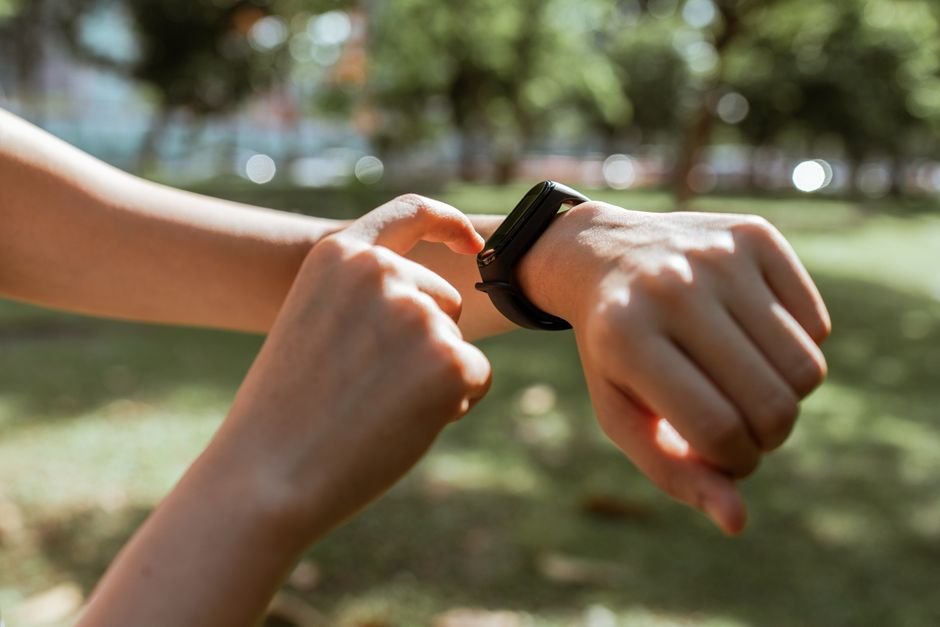
Wearable AI: Transforming Health Monitoring with Smartwatches
The convergence of artificial intelligence (AI) and wearable technology, particularly smartwatches, is ushering in a new era of proactive and personalized health monitoring. These ubiquitous devices, once primarily tools for tracking steps and displaying notifications, are rapidly evolving into sophisticated health companions, leveraging AI to provide deeper insights and actionable recommendations. This transformation is not merely about convenience; it’s about empowering individuals with unprecedented control over their well-being, enabling earlier detection of potential health issues, and fostering a more preventative approach to healthcare.
At the core of this revolution lies the smartwatch’s ability to collect a continuous stream of physiological data. Sensors embedded within these devices, such as optical heart rate monitors, accelerometers, gyroscopes, and increasingly, ECG electrodes and blood oxygen sensors, capture vital metrics like heart rate variability (HRV), sleep patterns, activity levels, and even subtle changes in body temperature. However, raw data alone is insufficient. The true power emerges when AI algorithms are applied to this data, transforming it into meaningful information.
AI’s role in health monitoring via smartwatches is multifaceted. Firstly, it excels at pattern recognition. AI can identify deviations from an individual’s baseline physiological data, alerting users to potential anomalies that might otherwise go unnoticed. For instance, a sudden and sustained increase in resting heart rate, or a significant disruption in sleep architecture, could be early indicators of stress, infection, or even underlying cardiac conditions. Machine learning models are trained on vast datasets of healthy and unhealthy physiological patterns, allowing them to differentiate between normal fluctuations and concerning trends with remarkable accuracy.
Secondly, AI facilitates predictive analytics. By analyzing historical data and correlating it with known health risks, AI can predict the likelihood of certain health events. For example, AI algorithms can assess an individual’s risk of developing conditions like atrial fibrillation (AFib) by analyzing long-term heart rate data and identifying subtle irregular rhythms. Similarly, AI can predict periods of heightened stress or fatigue based on sleep quality, activity, and HRV, allowing users to proactively manage their energy levels and prevent burnout.
Thirdly, AI enables personalized insights and recommendations. Instead of generic advice, AI-powered smartwatches offer tailored guidance based on an individual’s unique physiology and lifestyle. If an AI detects that a user’s sleep quality is consistently poor, it might suggest specific bedtime routines, adjustments to their sleep environment, or even recommend consulting a sleep specialist. For individuals managing chronic conditions, AI can provide personalized feedback on how their daily activities and habits are impacting their health metrics, empowering them to make informed lifestyle choices.
The integration of AI into smartwatches is significantly impacting various aspects of health monitoring. Cardiovascular health is a prime example. Beyond basic heart rate tracking, smartwatches are now equipped with ECG capabilities that, when analyzed by AI, can detect signs of AFib, a common heart rhythm disorder that significantly increases the risk of stroke. AI algorithms can process these ECG readings in real-time, providing immediate alerts to the user and their healthcare provider if an irregular rhythm is detected. Furthermore, AI’s ability to analyze HRV offers insights into the autonomic nervous system’s balance, which is crucial for stress management and overall cardiovascular well-being.
Sleep tracking has also been revolutionized. Traditional sleep trackers provided basic duration and sleep stage information. However, AI-powered smartwatches delve deeper, analyzing factors like sleep latency, wakefulness during the night, and respiratory patterns to provide a comprehensive sleep score and actionable advice for improvement. AI can identify potential sleep disturbances, such as sleep apnea, by analyzing breathing irregularities during sleep, prompting users to seek medical evaluation.
Mental health monitoring is another emerging frontier. While not a substitute for professional diagnosis, AI can identify physiological markers associated with stress, anxiety, and even depression. Changes in HRV, sleep patterns, and activity levels can be interpreted by AI to suggest periods of heightened stress or emotional distress, encouraging users to engage in mindfulness exercises, seek social support, or consult a mental health professional.
The proactive management of chronic diseases is being profoundly shaped by wearable AI. For individuals with diabetes, smartwatches can integrate with continuous glucose monitors (CGMs) to provide AI-driven insights into how diet, exercise, and stress affect blood sugar levels, enabling better glycemic control. Similarly, for those with respiratory conditions, AI can monitor oxygen saturation levels and respiratory rate, alerting users to potential exacerbations.
The democratization of health data is a significant societal impact. Smartwatches, empowered by AI, provide individuals with a readily accessible and understandable view of their health, fostering a sense of ownership and agency. This data can be shared with healthcare providers, creating a richer and more comprehensive picture of a patient’s health beyond infrequent clinical visits. This collaborative approach can lead to more accurate diagnoses, personalized treatment plans, and ultimately, better health outcomes.
However, the widespread adoption of wearable AI in health monitoring also presents challenges. Data privacy and security are paramount concerns. The sensitive nature of health data necessitates robust encryption and clear policies regarding data ownership and usage. Ensuring that individuals have control over their personal health information is crucial for building trust.
Accuracy and validation of AI algorithms are also critical. While AI has made significant strides, it is essential that these algorithms are rigorously tested and validated against clinical standards. Over-reliance on potentially inaccurate AI-generated insights could lead to unnecessary anxiety or missed diagnoses. Continuous research and development are needed to refine these algorithms and ensure their reliability.
Furthermore, digital literacy and accessibility remain important considerations. Not everyone has equal access to or understanding of these technologies. Efforts are needed to ensure that the benefits of wearable AI are accessible to all segments of the population, bridging the digital divide.
The future of wearable AI in health monitoring is incredibly promising. Advancements in sensor technology will enable the collection of even more sophisticated physiological data, such as hydration levels, stress hormones, and even early biomarkers for various diseases. AI will become even more adept at interpreting this data, providing increasingly personalized and predictive health insights. The integration of AI-powered smartwatches into broader healthcare ecosystems, including telehealth platforms and electronic health records, will further enhance their impact. The continuous feedback loop between users, their smartwatches, and their healthcare providers will foster a truly preventative and personalized approach to health, transforming how we understand and manage our well-being.