
The Ultimate Smartwatch: Mastering Your Health with Advanced Heart Rate & SpO2 Monitoring for Men and Women
In the relentless pursuit of well-being, wearable technology has emerged as an indispensable ally. At the forefront of this revolution are smartwatches, transcending mere timekeeping to become sophisticated personal health companions. For discerning individuals, both men and women, the integration of advanced Heart Rate (HR) and Blood Oxygen Saturation (SpO2) monitoring represents a paradigm shift in proactive health management. This article delves into the intricacies of these vital metrics, exploring how the ultimate smartwatch empowers users to understand, track, and optimize their physiological well-being.
Understanding the Pillars of Health: Heart Rate and SpO2
At the core of comprehensive health monitoring lie two critical physiological indicators: Heart Rate and SpO2.
Heart Rate (HR): The Rhythmic Blueprint of Your Cardiovascular System
Your heart rate, measured in beats per minute (bpm), is a direct reflection of your cardiovascular system’s efficiency. It signifies the number of times your heart pumps blood throughout your body in a minute.
- Resting Heart Rate (RHR): This is your heart rate when you are completely at rest, ideally measured first thing in the morning before any physical activity. A lower RHR generally indicates a more efficient and fitter heart. For adults, a typical RHR ranges from 60 to 100 bpm. Athletes often have RHRs in the 40s or 50s.
- Active Heart Rate: This fluctuates based on physical exertion. During exercise, your heart rate increases to deliver more oxygen to your muscles. Understanding your active HR zones (e.g., fat-burning, cardio, peak) is crucial for effective training and achieving fitness goals.
- Heart Rate Variability (HRV): This measures the variation in time between consecutive heartbeats. Higher HRV is generally associated with better stress resilience, a more adaptable nervous system, and improved recovery. Low HRV can be an indicator of stress, fatigue, or illness.
Blood Oxygen Saturation (SpO2): The Oxygenation Gauge of Your Blood
SpO2 measures the percentage of hemoglobin in your red blood cells that is carrying oxygen. This metric is vital for understanding how effectively your lungs are transferring oxygen into your bloodstream and how well your body is distributing it.
- Normal SpO2 Levels: For healthy individuals, SpO2 levels typically range from 95% to 100%.
- Low SpO2 Levels: Readings below 90% can indicate potential respiratory issues, such as sleep apnea, lung disease, or other circulatory problems. During intense exercise or at high altitudes, SpO2 may temporarily dip, but consistent low readings warrant medical attention.
The Smartwatch Advantage: Seamless, Continuous, and Actionable Insights
The ultimate smartwatch revolutionizes how we access and interpret HR and SpO2 data. Gone are the days of intermittent checks with cumbersome medical devices. Modern smartwatches offer:
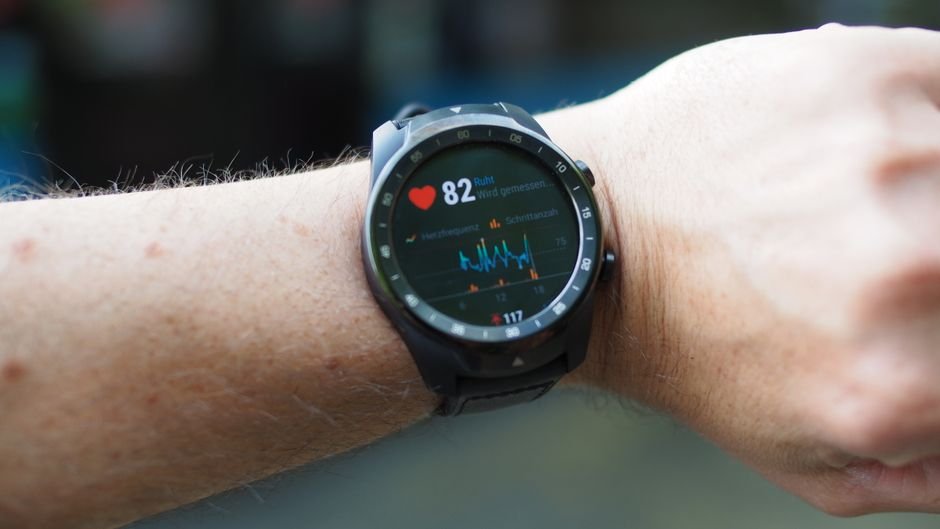
- Continuous HR Monitoring: Utilizing advanced optical sensors (photoplethysmography or PPG), these devices track your heart rate 24/7. This provides a comprehensive view of your cardiovascular health, identifying trends, anomalies, and the impact of daily activities, stress, and sleep on your heart.
- On-Demand and Background SpO2 Measurement: While some smartwatches offer spontaneous SpO2 readings, others can perform background measurements, particularly during sleep. This is invaluable for detecting potential nocturnal respiratory disturbances.
- Real-time Data and Trend Analysis: The smartwatch displays your current HR and SpO2 readings prominently. More importantly, it syncs this data with a companion smartphone app, allowing for in-depth analysis of historical trends, patterns, and correlations. This empowers users to see how diet, exercise, sleep, and stress impact their vital signs over time.
- Personalized Alerts and Notifications: The ultimate smartwatch can be programmed to alert you to significant deviations from your baseline HR or SpO2. This could include unusually high or low heart rates, or a sudden drop in blood oxygen levels, prompting you to take action or consult a healthcare professional.
- Sleep Tracking Integration: Sleep is a critical restorative process. Smartwatches that monitor HR and SpO2 during sleep can identify periods of restlessness, elevated heart rate during sleep, and potential oxygen desaturation events. This data is instrumental in diagnosing and managing sleep disorders like sleep apnea.
- Activity and Fitness Tracking Synergy: HR and SpO2 data are intrinsically linked to physical activity. The smartwatch uses HR to define exercise zones, calculate calorie burn, and assess workout intensity. SpO2 monitoring during strenuous activities can reveal how well your body is coping with oxygen demands.
- Stress Management Tools: By analyzing HRV, a component of HR monitoring, smartwatches can provide insights into your stress levels. Combined with SpO2 data, a holistic view of your body’s response to stress can be achieved, enabling users to implement mindfulness techniques or adjust their routines.
Tailored Benefits for Men and Women
While the fundamental physiology of HR and SpO2 is the same, certain nuances and health considerations can make these metrics particularly relevant for men and women:
For Men:
- Cardiovascular Health Focus: Heart disease remains a leading cause of mortality for men. Continuous HR monitoring can help identify potential arrhythmias, atrial fibrillation (AFib), and track overall cardiovascular fitness. Early detection of abnormal heart rhythms is paramount.
- Performance Optimization: For active men, understanding HR zones allows for precise training to maximize endurance, strength, and fat burning. HRV can also guide recovery strategies, preventing overtraining.
- Sleep Apnea Detection: Men are statistically more prone to obstructive sleep apnea. SpO2 monitoring during sleep can be a crucial early indicator, prompting further investigation and treatment.
- Stress Management: Chronic stress can significantly impact cardiovascular health. Monitoring HR and HRV can empower men to proactively manage stress and its physiological consequences.
For Women:
- Hormonal Fluctuations and HR: Women’s heart rates can be influenced by hormonal cycles, including menstruation and menopause. Tracking HR trends can help identify these influences and understand individual baselines.
- Pregnancy Monitoring: During pregnancy, a woman’s heart rate naturally increases. Smartwatches can provide valuable insights into these changes, and in some cases, alert to potential complications. SpO2 monitoring is also important to ensure adequate oxygenation for both mother and baby.
- Menopause and Cardiovascular Changes: As women approach and go through menopause, their risk of cardiovascular disease increases. HR and SpO2 monitoring can serve as an early warning system for developing issues.
- Anemia Awareness: Anemia, more common in women, can affect oxygen-carrying capacity. While not a direct diagnostic tool, consistent low SpO2 readings might prompt a discussion with a doctor about potential iron deficiencies.
- Holistic Well-being: For women juggling multiple roles, the smartwatch offers a comprehensive view of their health, integrating physical activity, sleep, and stress management for overall well-being.
Choosing the Ultimate Smartwatch: Key Features to Consider
When selecting a smartwatch that excels in HR and SpO2 monitoring, prioritize the following:
- Accuracy and Reliability: Look for reputable brands that have undergone clinical validation or have a strong track record for sensor accuracy. Read reviews and compare specifications.
- Continuous Monitoring Capabilities: Ensure the watch offers 24/7 HR tracking and can perform background SpO2 measurements, especially during sleep.
- Advanced Sensors: Modern smartwatches employ sophisticated PPG sensors that are more accurate and less susceptible to motion artifacts.
- Comprehensive App Ecosystem: The companion app is as important as the watch itself. It should offer intuitive data visualization, historical trend analysis, personalized insights, and integration with other health platforms.
- Comfort and Durability: For continuous wear, comfort is paramount. Choose a watch with a lightweight design and a band that suits your skin. Durability is essential for an active lifestyle.
- Battery Life: Frequent charging can be inconvenient. Opt for a smartwatch with a battery that lasts at least a few days, especially if you plan on utilizing all its monitoring features.
- Additional Health Metrics: While HR and SpO2 are key, consider smartwatches that also track ECG, skin temperature, respiration rate, and blood pressure (though the latter is often an estimate).
- Water Resistance: For swimmers and those who sweat profusely, water resistance is a crucial feature.
- Smart Features Integration: Beyond health, consider smart features like notifications, GPS, contactless payments, and music control that align with your lifestyle.
Leveraging Your Data for a Healthier You
The ultimate smartwatch is not just a data collection device; it’s a catalyst for change. By consistently monitoring your HR and SpO2, you gain the power to:
- Identify Early Warning Signs: Unexplained fatigue, shortness of breath, or unusual heart rhythms can be detected early, prompting proactive medical consultation.
- Optimize Training Regimens: Understand your body’s response to exercise, fine-tune workout intensity, and ensure adequate recovery.
- Improve Sleep Quality: Identify patterns of poor sleep and potential sleep disturbances like sleep apnea, leading to better rest and overall health.
- Manage Stress Effectively: Gain awareness of your body’s stress responses and implement strategies to mitigate their impact.
- Make Informed Lifestyle Choices: See firsthand how diet, hydration, and daily habits affect your physiological markers, empowering you to make healthier decisions.
- Engage in Proactive Health Management: Shift from a reactive approach to a proactive one