
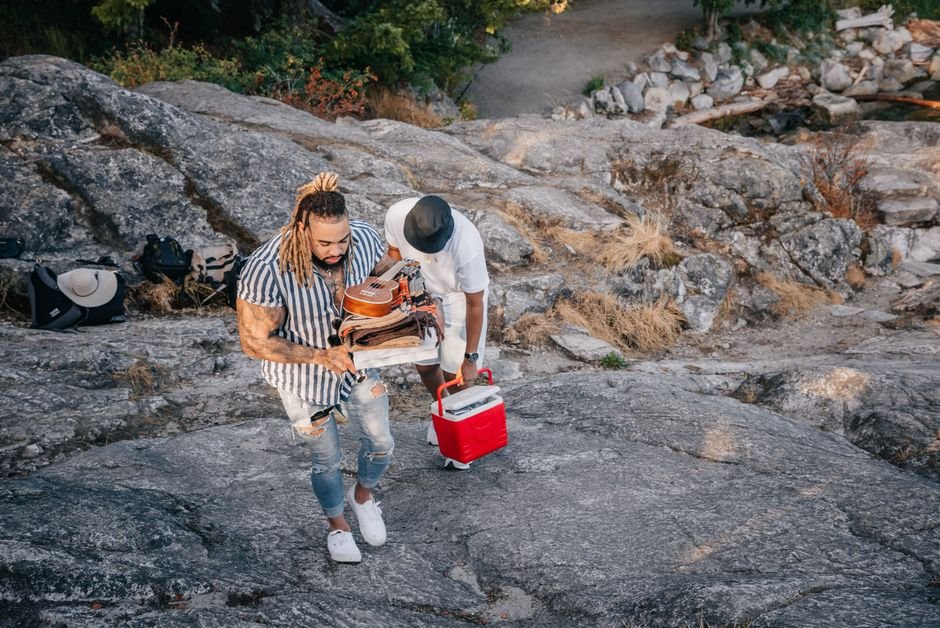
Road Trip Ready: Compact Coolers for Life on the Go
The open road beckons, promising adventure, freedom, and the sweet taste of exploration. But for any seasoned traveler, the success of a journey often hinges on the small, yet crucial, details. Among these, keeping your provisions cool and fresh stands paramount. Gone are the days of bulky, unwieldy ice chests. Today’s road warriors demand compact coolers that are as efficient as they are portable, designed to seamlessly integrate into the dynamic rhythm of life on the go. This guide delves into the world of compact coolers, empowering you to choose the perfect chilled companion for your next escapade.
The Evolution of Portable Refrigeration: Beyond the Basic Ice Chest
The humble ice chest has served us well, but technological advancements have revolutionized portable cooling. Modern compact coolers offer a spectrum of solutions, from passively insulated marvels to actively powered thermoelectric and compressor units. Understanding these distinctions is key to selecting the right cooler for your specific needs.
Passive Coolers: The Insulated Champions
These are the traditionalists, relying on superior insulation and strategically placed ice packs or blocks to maintain low temperatures. Their simplicity is their strength: no power required, lightweight, and generally more affordable.
-
Soft-Sided Coolers: Constructed from durable, flexible fabrics like nylon or polyester, these coolers are incredibly versatile. They compress for easy storage when not in use and often feature multiple compartments for organization. Look for features like thick insulation (often foam or PE cotton), leak-proof liners, and robust zippers. Brands like RTIC Soft Pack, Coleman Soft Cooler, and Hydro Flask Day Escape are renowned for their durability and cooling performance. Their flexibility makes them ideal for fitting into tight car spaces, backpacks, or even as carry-on luggage. They excel at keeping items cool for day trips, picnics, and shorter excursions where prolonged chilling isn’t the primary concern.
-
Hard-Sided Compact Coolers: While still passive, hard-sided coolers offer superior insulation and durability. They are typically made from robust plastic, often roto-molded for exceptional strength and impact resistance. These coolers excel at maintaining ice for extended periods, making them suitable for multi-day camping trips or longer road trips where access to ice might be limited. Brands like YETI Tundra Haul (though larger, their smaller models are relevant), ORCA coolers, and Engel High Performance Coolers are industry leaders. Their thick walls and airtight seals are crucial for maximizing ice retention. Consider their weight when empty, as they can be heavier than soft-sided options. The trade-off for superior cooling performance is often a higher price point and less compressibility.
Active Coolers: Powered by Innovation
For those who prioritize consistent, reliable cooling without the need for ice replenishment, active coolers are the game-changers. These units utilize electricity to actively cool their contents.
-
Thermoelectric Coolers (Peltier Coolers): These coolers use the Peltier effect to transfer heat. They are powered by plugging into a 12V car cigarette lighter socket or a standard AC outlet. They offer the convenience of not needing ice, but their cooling capacity is limited – they typically cool to about 20-30°F below ambient temperature. They are excellent for keeping drinks and snacks cool on shorter trips or for maintaining a specific temperature for medications. Brands like Koolatron, Whynter, and Igloo offer a wide range of thermoelectric models. Their lightweight nature and relatively low cost make them an attractive option for casual road trippers. However, performance can be significantly impacted by extreme external temperatures.
-
Compressor Coolers: These are the heavyweights of portable refrigeration, employing a refrigeration compressor similar to those found in household refrigerators. They offer true refrigeration capabilities, capable of cooling to well below freezing, and can often function as freezers. They are powered by 12V DC or 24V DC, and many also have AC adapters for home use. While more expensive and heavier than thermoelectric coolers, their performance is unparalleled. Brands like Dometic CFX Series, ARB Zero Series, and National Luna are top-tier choices for serious adventurers, RVers, and overlanders. These are ideal for extended trips, keeping perishables truly fresh, and even freezing items for longer expeditions. Their energy consumption is higher than thermoelectric models, so consider a dual-battery system or solar power for off-grid use.
Key Features to Consider for Your Compact Cooler
When navigating the diverse landscape of compact coolers, several features will significantly impact your satisfaction:
- Capacity: Measured in liters or quarts, capacity is crucial. A 12-liter cooler might be perfect for a day trip for two, while a 30-liter model might be necessary for a weekend family outing. Consider the volume of food and drinks you typically pack.
- Insulation Quality: For passive coolers, the thickness and material of the insulation are paramount for ice retention. Look for rotomolded construction for hard-sided coolers and thick foam or PE cotton for soft-sided options.
- Portability and Ergonomics: Handles, shoulder straps, and wheels can make a significant difference, especially when loaded. Compact coolers should be easy to carry, lift, and maneuver.
- Durability and Construction: Road trips can be rough. Look for robust materials, strong hinges, and reliable zippers that can withstand the rigors of travel.
- Ease of Cleaning: A leak-proof liner and a smooth interior surface will make post-trip clean-up a breeze.
- Power Source (for Active Coolers): Ensure the cooler’s power requirements (12V DC, AC) align with your vehicle’s capabilities and your planned usage.
- Temperature Control (for Active Coolers): The ability to set a precise temperature is a significant advantage for compressor coolers.
- Ice Retention (for Passive Coolers): Reputable brands often provide estimated ice retention times under specific conditions. While these are estimates, they offer a valuable benchmark.
- Weight: Consider the cooler’s empty weight in addition to its capacity, as you’ll be the one lifting it.
- Extra Features: Dry storage compartments, bottle openers, and built-in cup holders can add convenience.
Optimizing Your Compact Cooler for Maximum Performance
Regardless of the type of compact cooler you choose, a few strategic steps can significantly enhance its cooling efficiency:
- Pre-Chill Everything: Ensure all food and drinks are thoroughly chilled before packing.
- Use Ice Packs or Blocks: For passive coolers, invest in good quality reusable ice packs or large ice blocks. They last longer than small cubes.
- Pack Smartly: Place items that need to stay coldest at the bottom, near the ice. Fill empty spaces with crumpled towels or newspaper to minimize air circulation.
- Minimize Opening: The more you open the cooler, the more cold air escapes. Plan your access to avoid unnecessary openings.
- Keep it in the Shade: Direct sunlight is the enemy of any cooler. Store it in a shaded area whenever possible.
- Drain Melted Ice: For passive coolers, periodically drain melted ice to prevent it from warming up the remaining ice.
- Consider a Cooler Cover: Insulated cooler covers can provide an extra layer of protection against the elements.
- For Active Coolers: Ensure proper ventilation for thermoelectric coolers and avoid overloading compressor coolers beyond their rated capacity.
Compact Coolers for Every Road Trip Scenario
- The Day Tripper: A soft-sided cooler or a small, well-insulated hard-sided cooler (15-30 liters) is ideal for picnics, beach outings, or short drives.
- The Weekend Warrior: A medium-sized hard-sided cooler (30-50 liters) or a thermoelectric cooler will suffice for a couple of nights away.
- The Extended Explorer: For multi-day adventures or camping trips, a larger hard-sided cooler with excellent ice retention or a robust compressor cooler is essential.
- The RV/Van Life Enthusiast: Compressor coolers are a popular choice for their reliability and ability to function as a refrigerator or freezer, eliminating the need for ice.
- The Health-Conscious Traveler: Thermoelectric or compressor coolers are perfect for keeping medications, dairy products, or other temperature-sensitive items safely chilled.
Investing in a high-quality compact cooler is an investment in the enjoyment and success of your road trips. By understanding the different types available and considering your specific needs, you can find the perfect chilled companion to keep your provisions fresh and your adventures cool, mile after mile.