
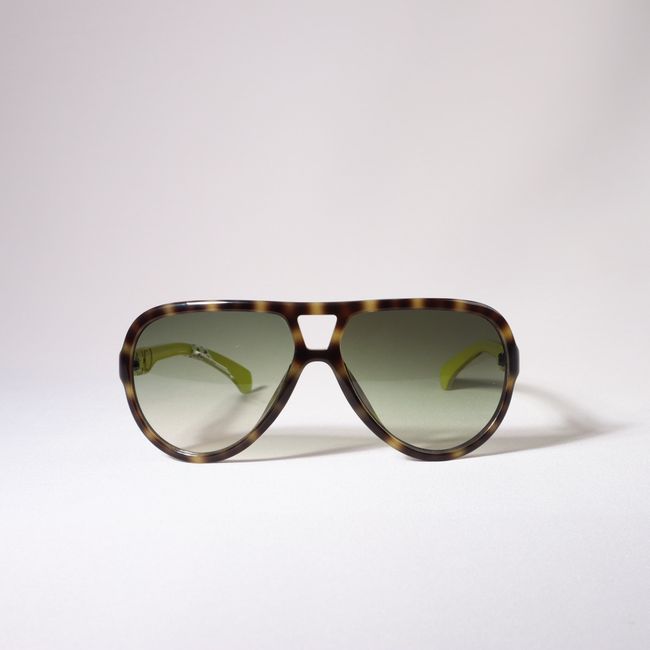
Discover the Lightest: Women’s Sunglasses for Ultimate Comfort
The sun’s embrace, while often welcome, necessitates protection for our eyes. For women, sunglasses are more than just a shield; they are a style statement, a confidence booster, and an essential accessory. However, the pursuit of stylish eyewear can sometimes lead to discomfort. Heavy frames, pinching nose pads, and general pressure can turn a pleasant day outdoors into a persistent annoyance. This is where the pursuit of the lightest women’s sunglasses becomes paramount. Achieving ultimate comfort doesn’t mean sacrificing style or protection; it means understanding the materials, designs, and technologies that prioritize a feather-light feel.
The quest for lightweight sunglasses begins with an exploration of innovative materials. Traditional acetate and metal frames, while offering durability and a wide range of aesthetic possibilities, can contribute to significant weight. Modern manufacturers are increasingly turning to advanced plastics and alloys that drastically reduce heft without compromising structural integrity or visual appeal.
Ultra-Lightweight Materials: The Foundation of Comfort
TR90 Nylon: This thermoplastic material, often referred to as “memory plastic,” is a cornerstone of lightweight eyewear. TR90 is incredibly flexible, durable, and, most importantly, exceptionally light. Its inherent resilience allows frames to bend and flex without breaking, a significant advantage for active lifestyles. Many high-performance and sport-oriented sunglasses utilize TR90 for its superior comfort and robust nature. Brands known for their athletic eyewear often feature extensive collections crafted from this material, offering sunglasses that feel virtually weightless on the face. The flexibility also contributes to a more secure fit, reducing the likelihood of slippage, another common cause of discomfort.
O-Matter™ (Oakley’s proprietary material): Similar to TR90, O-Matter™ is a stress-resistant nylon composite that offers exceptional durability and a significantly reduced weight compared to traditional materials. Oakley has pioneered the use of O-Matter™ in their performance eyewear, engineering frames that can withstand extreme conditions while remaining remarkably comfortable for extended wear. Its matte finish often contributes to a sophisticated, understated look, proving that lightweight doesn’t have to mean flimsy.
Grilamid TR-90 LX: An even more refined version of TR90, LX (Luxury) versions often boast enhanced flexibility and a smoother, more premium feel. These materials are meticulously engineered to distribute weight evenly across the face, minimizing pressure points.
Carbon Fiber: While less common in mainstream fashion sunglasses due to cost, carbon fiber is an incredibly strong and lightweight material used in high-end and performance eyewear. Its exceptional strength-to-weight ratio makes it an ideal choice for those who demand the absolute lightest options. Sunglasses made with carbon fiber exude a sleek, futuristic aesthetic and offer unparalleled comfort due to their minimal mass.
Magnesium Alloys: For metal frames, magnesium alloys offer a compelling alternative to heavier options like stainless steel or titanium. Magnesium is significantly lighter than aluminum and boasts excellent strength. Sunglasses crafted from magnesium alloys often feature a minimalist design, further contributing to their airy feel. These can be a great option for those who prefer the classic look of metal frames but are seeking a more comfortable, lightweight experience.
Titanium (High-Grade): While titanium itself isn’t the absolute lightest material, high-grade titanium alloys, particularly those used in eyewear, are remarkably strong and can be engineered into very thin, lightweight frames. The biocompatible nature of titanium also makes it an excellent choice for individuals with sensitive skin, as it’s hypoallergenic and less likely to cause irritation. The sleekness and durability of titanium frames offer a timeless appeal.
Beyond Materials: Design Elements for Optimal Comfort
The materials are only part of the equation. The design of the sunglasses plays a crucial role in how they feel on the face. Designers meticulously consider every element to ensure a weightless experience.
Sleek, Minimalist Frames: Overly chunky or ornate frames inherently carry more weight. Lightweight sunglasses often feature streamlined silhouettes, thin temples, and minimalist designs. This not only reduces mass but also contributes to a more elegant and understated aesthetic. The absence of unnecessary embellishments ensures that the focus remains on the lenses and the wearer’s features.
Ergonomic Temple Design: The temples, or arms of the sunglasses, are critical for comfort. Lightweight designs often feature thinner, more flexible temples that conform to the shape of the head. Some innovative designs incorporate a slight curve that gently grips the head without exerting excessive pressure. The length and angle of the temples are also carefully calibrated to prevent slipping and ensure a secure, comfortable fit.
Adjustable and Lightweight Nose Pads: Nose pads are often a source of discomfort, especially if they are too large, too hard, or poorly positioned. Lightweight sunglasses frequently utilize small, soft, and often silicone-based nose pads. Many high-quality models feature adjustable nose pads, allowing the wearer to customize the fit and distribute the weight more evenly across the bridge of the nose. This customization is key to preventing pressure marks and slippage.
Low-Profile Bridge: The bridge of the sunglasses, the part that rests on the nose, can significantly impact comfort. Lightweight designs often feature a low-profile bridge that sits comfortably without digging into the skin. The shape of the bridge is also important, with some designs offering a more anatomical fit to minimize contact points and pressure.
Balanced Weight Distribution: Even with lightweight materials, poor weight distribution can lead to discomfort. Reputable brands invest in engineering that ensures the weight of the sunglasses is evenly distributed across the face. This means the front of the frame doesn’t feel disproportionately heavy compared to the temples, or vice versa. This meticulous balance is often achieved through careful placement of the lenses and the overall frame structure.
Lens Technology: Lighter Lenses for Lighter Frames
While the frame is often the primary contributor to weight, the lenses also play a role. Advancements in lens technology have led to the development of lighter, yet equally protective, lens materials.
Polycarbonate Lenses: These are a popular choice for lightweight sunglasses due to their inherent lightness and impact resistance. Polycarbonate is significantly lighter than glass and offers excellent UV protection. It’s a common material found in performance and everyday sunglasses alike.
Trivex Lenses: Trivex is another advanced lens material that rivals polycarbonate in terms of lightness and impact resistance. It often offers superior optical clarity and is more resistant to chemical solvents. Trivex lenses provide a clear, comfortable visual experience with minimal added weight.
Prescription Lens Considerations: For women who require prescription sunglasses, the weight of the lenses can be a significant factor. Opting for higher-index lens materials can help reduce the thickness and weight of prescription lenses, especially for stronger prescriptions. Consulting with an optician about the lightest lens options available for your specific prescription is highly recommended.
Choosing the Right Lightweight Sunglasses for You
The “lightest” sunglasses are not a one-size-fits-all concept. The ideal choice depends on your lifestyle, face shape, and personal preferences.
For the Active Woman: If you lead an active lifestyle, whether it’s running, hiking, or cycling, prioritize sunglasses made from TR90 or O-Matter™. Look for designs with secure-fitting temples and comfortable, non-slip nose pads. Sunglasses with a wrap-around style can offer added protection and stability.
For Everyday Style: For those who seek a blend of fashion and comfort for daily wear, explore brands that offer stylish acetate or metal frames crafted with lightweight alloys or advanced plastics. Look for minimalist designs with ergonomic temple and nose pad features.
For Sensitive Skin: If you have sensitive skin, consider sunglasses made from hypoallergenic materials like high-grade titanium or select TR90 formulations. Ensure the nose pads are soft and adjustable.
The Importance of Fit: Regardless of the materials and design, a proper fit is paramount for ultimate comfort. Even the lightest sunglasses can become uncomfortable if they are too tight, too loose, or don’t sit correctly on your face. Always try on sunglasses before purchasing, paying attention to how they feel on your nose and temples.
Discovering your perfect pair of lightweight sunglasses is an investment in both your style and your well-being. By understanding the innovative materials and thoughtful design elements that contribute to a feather-light feel, you can confidently step out into the sun, enjoying unparalleled comfort and effortless style.