
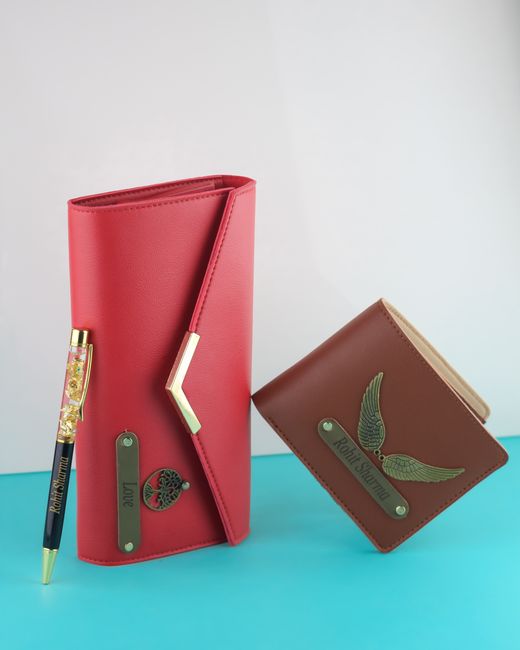
The Ultimate Guide to Choosing the Perfect Wallet
The wallet, a seemingly simple accessory, is an indispensable part of our daily lives. It’s a silent guardian of our finances, our identification, and our precious memories. Yet, amidst the vast array of options, selecting the “perfect” wallet can feel surprisingly daunting. This comprehensive guide will equip you with the knowledge to navigate the landscape of wallets, ensuring your next acquisition is both functional and a true reflection of your personal style.
I. Understanding Your Needs: The Foundation of Choice
Before diving into materials and styles, a crucial self-assessment is paramount. What are your primary wallet needs?
- Card Carrying Capacity: Do you rely heavily on credit cards, loyalty cards, and identification? Or are you a cash-centric individual? This dictates the number of card slots you’ll require.
- Cash Preference: Do you primarily use bills, or are you comfortable with a more minimalist approach to cash? This influences the necessity and size of a dedicated bill compartment.
- Essential Extras: Do you need space for coins, receipts, business cards, photos, or even a small key?
- Carrying Style: Will your wallet reside primarily in a pocket, a bag, or a clutch? This impacts size, bulk, and the presence of features like a wrist strap.
- Lifestyle and Profession: A corporate executive might prefer a sleek, professional bifold, while a student might opt for a more durable and compact design. Consider the environment in which you’ll be using your wallet most frequently.
II. Material Matters: Durability, Aesthetics, and Feel
The material of your wallet significantly impacts its longevity, appearance, and tactile experience.
-
Leather: The Timeless Classic
- Full-Grain Leather: The highest quality, showcasing the natural grain and imperfections. It’s incredibly durable, develops a beautiful patina over time, and is water-resistant. Expect a higher price point.
- Top-Grain Leather: The second-highest grade, with the outermost layer of the hide intact. It’s still durable and has a smooth finish but is less robust than full-grain.
- Genuine Leather: Often a misleading term. It refers to the lower layers of the hide, which are less durable and can be more prone to wear and tear. While more affordable, it lacks the longevity of higher grades.
- Suede/Nubuck: These leathers have a napped surface, offering a soft, velvety feel. They are more susceptible to stains and require careful maintenance.
- Exotic Leathers: Options like alligator, ostrich, and stingray offer a luxurious and unique aesthetic but come with a premium price tag and can require specialized care.
-
Synthetic Materials: Modern Alternatives
- Vegan Leather (PU Leather, Faux Leather): Made from polyurethane, these materials mimic the look and feel of leather without animal products. They are generally more affordable, water-resistant, and easier to clean. Quality varies significantly, with some high-end options offering impressive durability and texture.
- Nylon/Polyester: Durable, lightweight, and often water-resistant. These are excellent choices for casual or athletic wallets, offering excellent value and resilience.
- Carbon Fiber: A high-tech material known for its strength, lightness, and sleek, modern appearance. It’s exceptionally durable and scratch-resistant, often found in minimalist cardholders.
III. Wallet Styles: Functionality Meets Fashion
The design of your wallet dictates its capacity and how it integrates into your daily routine.
-
Bifold Wallet: The most traditional and popular style. It folds in half, offering a good balance of card slots and a bill compartment. Compact enough for most pockets.
- Pros: Classic, versatile, good capacity.
- Cons: Can become bulky with many cards and cash.
-
Trifold Wallet: Folds into three sections, offering more card slots and compartments than a bifold.
- Pros: Increased storage capacity.
- Cons: Can become significantly bulkier, potentially uncomfortable in pockets.
-
Cardholder: Minimalist by design, prioritizing card storage. Typically features slots for essential cards, with some offering a small compartment for folded bills.
- Pros: Extremely slim and pocket-friendly, ideal for those who carry few cards and minimal cash.
- Cons: Limited storage for cash, receipts, or coins.
-
Long Wallet/Continental Wallet: A rectangular wallet that opens flat, often with multiple compartments for cards, cash, coins, and even a passport.
- Pros: Ample storage, sophisticated appearance, can double as a clutch.
- Cons: Not pocket-friendly, requires a bag or larger pocket.
-
Coin Purse/Coin Pouch: Specifically designed to hold loose change. Can be a standalone item or integrated into other wallet styles.
- Pros: Keeps coins organized and prevents them from rattling in pockets.
- Cons: Limited utility for other essentials.
-
Money Clip Wallet: Combines a money clip for bills with card slots. Offers a streamlined and modern aesthetic.
- Pros: Very slim, secure for cash.
- Cons: Limited card capacity, may not hold many bills securely.
-
Travel Wallet: Designed for travelers, often featuring RFID-blocking technology, passport compartments, and space for boarding passes and multiple currencies.
- Pros: Optimized for travel, secure, organized.
- Cons: Can be larger and less practical for everyday use.
IV. Key Features to Consider
Beyond material and style, specific features can enhance your wallet’s functionality and security.
- RFID Blocking: Essential for protecting your credit and debit cards from unauthorized scanning. Look for wallets with integrated RFID-blocking lining.
- Compartmentalization: Well-designed compartments for bills, cards, and coins prevent clutter and make organization effortless.
- Stitching: High-quality stitching is a hallmark of a durable wallet. Look for neat, consistent, and reinforced stitching.
- Hardware: Zippers, snaps, and clasps should be robust and function smoothly.
- Size and Dimensions: Ensure the wallet fits comfortably in your preferred carrying location without creating undue bulk.
- Interior Lining: A smooth, durable lining protects your cards from scratches and adds a touch of luxury.
V. Branding and Aesthetics: Expressing Your Style
Your wallet is a personal accessory, and its appearance should align with your individual taste.
- Minimalist: Clean lines, uncluttered design, often in neutral tones.
- Classic/Traditional: Timeless designs, often in leather, with subtle branding.
- Modern/Edgy: Bold designs, unique materials, and contemporary aesthetics.
- Luxury: High-end materials, exquisite craftsmanship, and prominent designer logos.
Consider the color palette that complements your wardrobe and personal preferences. Black, brown, and gray are classic choices, while bolder colors can make a statement.
VI. Maintenance and Care: Ensuring Longevity
Proper care will extend the lifespan and preserve the beauty of your chosen wallet.
- Leather: Clean with a damp cloth, use leather conditioner regularly to prevent drying and cracking, and protect from excessive moisture and direct sunlight.
- Synthetic Materials: Wipe clean with a damp cloth and mild soap. Avoid harsh chemicals.
- Avoid Overstuffing: This can stretch and damage the wallet’s structure.
- Regular Cleaning: Remove contents periodically and wipe down the interior and exterior.
By carefully considering these factors, you can confidently select a wallet that not only meets your practical needs but also elevates your everyday style. The perfect wallet is an investment in both functionality and personal expression.