
The Pulse of Innovation: Are Smartwatches with Blood Pressure Monitors Truly Reliable?
The relentless march of wearable technology has ushered in an era where our wrists are no longer just timekeepers. Smartwatches have evolved into sophisticated health companions, and a prominent feature gaining traction is the integrated blood pressure monitor. This seemingly simple addition promises convenience and continuous health insights, but a critical question looms: Are smartwatches with blood pressure monitors reliable? The answer, as with many technological advancements, is nuanced, requiring a deep dive into the science, current limitations, and future potential.
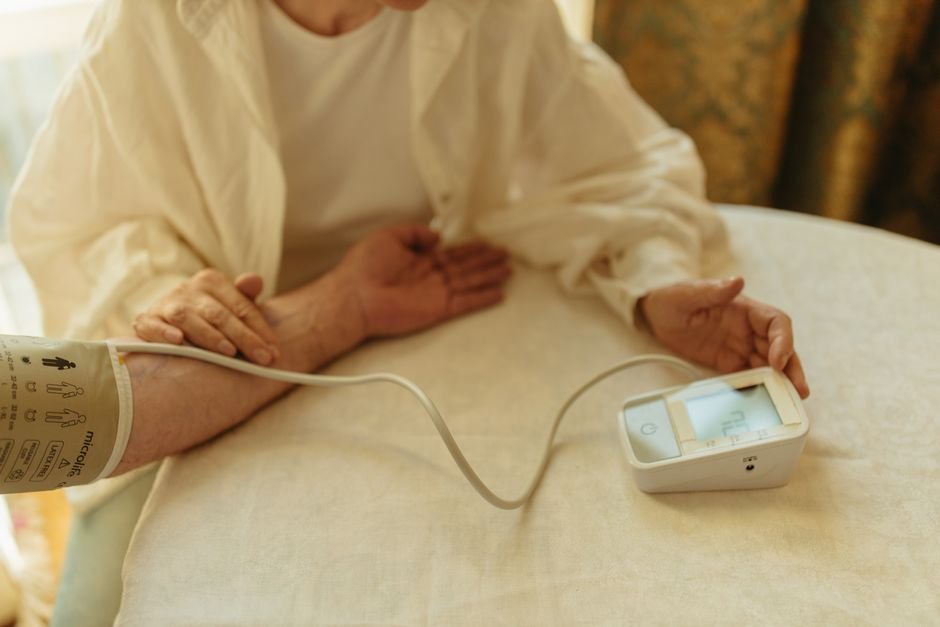
For decades, accurate blood pressure measurement has relied on the cuff-based auscultatory method, involving a stethoscope and a sphygmomanometer. This gold standard, while effective, is inconvenient for frequent, at-home monitoring. Smartwatches aim to democratize this process, offering a less intrusive, always-on approach. The underlying technology typically employs photoplethysmography (PPG) sensors, the same technology used for heart rate tracking. PPG works by shining light into the skin and measuring the absorption or reflection of this light, which fluctuates with blood volume changes in the arteries. By analyzing these fluctuations, algorithms attempt to infer systolic and diastolic blood pressure.
However, translating PPG signals into clinically accurate blood pressure readings is a complex challenge. Unlike direct arterial pressure measurements, PPG is an indirect method, susceptible to a myriad of confounding factors. Skin tone, temperature, hydration levels, wrist movement, and even the fit of the watch can all influence the accuracy of the readings. Furthermore, the algorithms used by different manufacturers are proprietary, leading to varying levels of precision and reliability.
Current Limitations and Scientific Scrutiny:
The scientific community has approached these devices with a healthy dose of skepticism, and numerous studies have emerged to assess their accuracy. Generally, research indicates that while some smartwatches show promise, they are not yet a substitute for traditional medical-grade devices. Many studies report a significant margin of error, with readings sometimes deviating by several mmHg from those obtained with a validated cuff-based monitor. This discrepancy can be particularly concerning for individuals with fluctuating blood pressure or those managing hypertension, where precise measurements are crucial for effective treatment.
One of the primary limitations lies in the calibration process. Most smartwatches with blood pressure monitoring capabilities require periodic calibration against a traditional cuff-based device. This means that even with the smartwatch, you still need access to a reliable manual or automatic monitor. The frequency of calibration recommended by manufacturers can also vary, and if calibration is not performed correctly or frequently enough, the smartwatch’s readings can drift significantly.
Moreover, the regulatory landscape for these devices is still evolving. While some smartwatches have obtained medical device certifications in certain regions (e.g., FDA clearance in the US, CE marking in Europe), these certifications often pertain to specific models and may not encompass all functionalities or guarantee universal accuracy across different user populations. It’s essential for consumers to be aware of the specific clearances and limitations of the device they are considering.
Factors Influencing Accuracy and User Experience:
Several factors can impact the reliability of smartwatch blood pressure monitors:
- Algorithm Sophistication: The quality and complexity of the algorithms used to interpret PPG signals are paramount. Advanced machine learning models are being developed to account for more variables, but even the most sophisticated algorithms can struggle with individual physiological differences.
- Sensor Quality and Placement: The sensitivity and accuracy of the PPG sensors themselves play a crucial role. The placement of these sensors on the wrist is also critical, as the arteries in the wrist are smaller and more superficial than those in the upper arm, making them more susceptible to external influences.
- User Technique: Proper wear and consistent measurement techniques are vital. The watch must be worn snugly but not too tightly, and the arm should be kept still during measurement. Inconsistent user technique is a common source of error.
- Individual Physiology: As mentioned, factors like skin pigmentation, vascular health, and even the presence of certain medical conditions can affect PPG signal interpretation. A device that is accurate for one person may not be for another.
- Environmental Factors: Temperature, humidity, and ambient light can all subtly influence PPG readings.
The Promise of Continuous Monitoring and Early Detection:
Despite the current limitations, the potential benefits of smartwatches with blood pressure monitoring are undeniable. The ability to track blood pressure trends throughout the day, rather than relying on sporadic clinic visits, offers a more comprehensive understanding of cardiovascular health. This continuous monitoring could lead to:
- Early Detection of Hypertension: Subtle, gradual increases in blood pressure that might go unnoticed between doctor’s appointments could be flagged earlier, prompting timely medical intervention.
- Improved Management of Existing Conditions: For individuals already diagnosed with hypertension, frequent readings can help them understand how lifestyle choices (diet, exercise, stress) and medication are impacting their blood pressure, allowing for more informed discussions with their healthcare providers.
- Personalized Health Insights: By correlating blood pressure fluctuations with other data points collected by the smartwatch (e.g., sleep patterns, activity levels, heart rate variability), users can gain deeper insights into their overall well-being.
- Increased Patient Engagement: The accessibility and convenience of these devices can empower individuals to take a more proactive role in managing their health, fostering a greater sense of control and responsibility.
Navigating the Market: What to Look For:
When considering a smartwatch with blood pressure monitoring, consumers should prioritize the following:
- Medical Device Certifications: Look for devices that have undergone rigorous testing and received clearance from reputable regulatory bodies like the FDA or CE.
- Published Clinical Data: Manufacturers that publicly share their validation studies and accuracy data are more transparent and trustworthy.
- Calibration Requirements: Understand the calibration process and how often it needs to be performed.
- User Reviews and Expert Opinions: Seek out reviews from both general users and medical professionals to gauge real-world performance and identify potential issues.
- Clear Disclaimers: Be aware that these devices are generally intended for informational purposes and not as a substitute for professional medical advice or diagnosis.
The Future of Wrist-Based Blood Pressure Monitoring:
The technology is rapidly evolving. Researchers are actively developing more sophisticated PPG algorithms, exploring alternative sensing technologies, and investigating the integration of other physiological markers to improve accuracy. Future generations of smartwatches may incorporate multi-wavelength PPG, advanced signal processing techniques, and even non-invasive arterial tonometry to achieve greater precision. The goal is to move towards devices that can provide reliable, on-demand blood pressure readings comparable to traditional methods, without the need for frequent calibration.
In conclusion, while smartwatches with blood pressure monitors represent an exciting frontier in personal health technology, their reliability is still a work in progress. They offer a glimpse into a future of proactive, continuous health monitoring, but for now, they should be viewed as supplementary tools rather than definitive diagnostic instruments. Users should always consult with their healthcare provider for accurate blood pressure readings and treatment decisions. The journey towards truly reliable wrist-based blood pressure monitoring is ongoing, driven by innovation and the ever-growing desire for accessible health insights.