
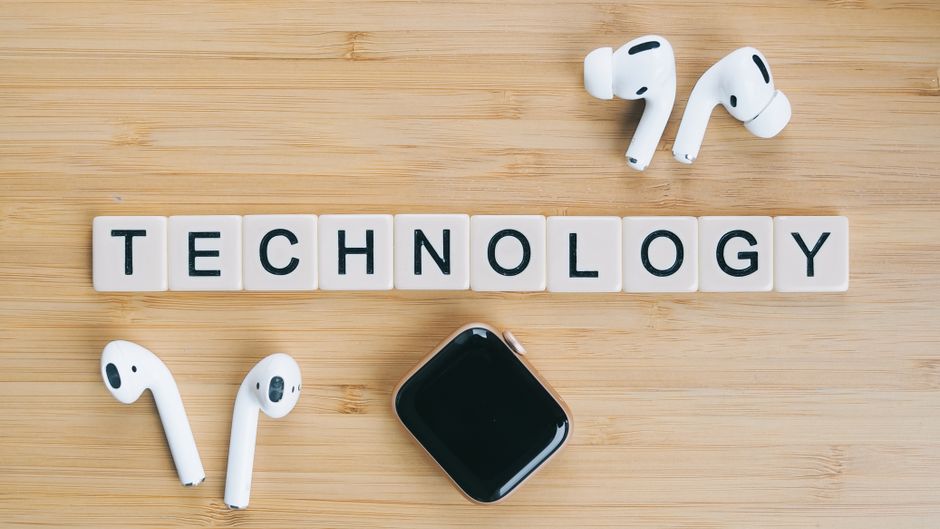
Smartwatch Design Trends: Style Meets Functionality
The smartwatch has transcended its nascent phase, evolving from a niche gadget to a ubiquitous accessory seamlessly integrated into our daily lives. This evolution is intrinsically linked to a sophisticated design philosophy that prioritizes both aesthetic appeal and robust functionality. Today’s smartwatch design landscape is a dynamic interplay of emerging trends, driven by consumer demand for devices that not only keep them connected and informed but also reflect their personal style.
The Rise of Minimalist Aesthetics and Premium Materials: Gone are the days of bulky, plastic-dominated smartwatches. The current design paradigm leans heavily towards minimalism, emphasizing clean lines, uncluttered interfaces, and a sophisticated palette. Brands are increasingly opting for premium materials that elevate the tactile and visual experience. Brushed stainless steel, polished aluminum, and even ceramic are becoming standard, offering a luxurious feel that rivals traditional timepieces. Titanium, with its exceptional strength-to-weight ratio and hypoallergenic properties, is gaining traction for high-end models. The focus is on durability and a refined finish that appeals to a discerning audience. This shift towards premium materials is not merely superficial; it contributes to the longevity and perceived value of the device, making it a desirable fashion statement.
Circular Displays Reign Supreme: While rectangular watch faces initially dominated the market, the circular display has firmly established itself as the preferred form factor for smartwatches seeking to emulate traditional watch aesthetics. This shape offers a more classic and elegant silhouette, allowing for a more intuitive display of time and notifications. Designers are meticulously optimizing watch faces for these circular screens, creating digital interpretations of analog dials with intricate complications and customizable complications. The seamless integration of the display into the bezel, often with minimal bezels themselves, further enhances the immersive and premium feel. This design choice caters to a broad audience, bridging the gap between tech-savvy individuals and those who appreciate the timeless appeal of a round watch.
Customization: The Ultimate Expression of Personal Style: The modern consumer craves personalization, and smartwatches are at the forefront of this trend. Interchangeable bands, straps, and watch faces have become standard offerings, allowing users to adapt their device to different occasions and outfits. From sporty silicone and breathable nylon to luxurious leather and elegant metal links, the variety of strap options is immense. Beyond hardware, the software plays an equally crucial role. Watch face customization has evolved significantly, moving beyond simple color changes to encompass intricate complications, animated backgrounds, and even user-uploaded images. This granular control empowers users to make their smartwatch a true extension of their personality, a canvas for self-expression.
Ergonomics and Comfort: Designing for All-Day Wear: Functionality in a smartwatch extends beyond its technical capabilities to its physical comfort and wearability. Designers are dedicating significant attention to ergonomics, ensuring that devices feel natural and unobtrusive on the wrist throughout the day and night. This involves careful consideration of case dimensions, weight distribution, and strap design. Curved cases that conform to the wrist’s natural shape, lightweight materials, and breathable strap options are all key elements. For health and fitness tracking, particularly sleep monitoring, comfort is paramount. Designs that minimize pressure points and avoid irritation are crucial for encouraging consistent wear and accurate data collection. The goal is a device that feels like a natural extension of the body, not a cumbersome accessory.
Haptic Feedback and Tactile Interfaces: Beyond visual cues, smartwatches are increasingly leveraging haptic feedback to enhance user interaction. Subtle vibrations provide discreet notifications, alerts, and confirmation of actions, allowing users to stay informed without constantly glancing at their screen. This tactile interface is particularly valuable in situations where visual attention is limited, such as during a workout or a meeting. Designers are fine-tuning the intensity and patterns of haptic feedback to convey different types of information, creating a more nuanced and intuitive user experience. This discreet communication channel adds a layer of sophistication and practicality to the smartwatch’s functionality.
The Integration of Health and Wellness Features: The smartwatch has firmly established itself as a personal health and wellness companion. This has a profound impact on design, influencing the placement of sensors and the overall form factor. Sensors for heart rate, blood oxygen saturation, ECG, and even skin temperature are now seamlessly integrated into the watch case and underside. The design must accommodate these sensors without compromising comfort or aesthetics. For example, the underside of the watch needs to maintain consistent contact with the skin for accurate readings, leading to specific curvature and material choices. The visual interface also reflects this emphasis, with dedicated apps and widgets for tracking fitness metrics, sleep patterns, and stress levels.
Beyond the Wrist: Expanding Form Factors and Wearable Ecosystems: While the wrist remains the dominant location, designers are exploring new form factors to expand the reach of smartwatch technology. Smart rings, for instance, offer a discreet way to access notifications and track health metrics, appealing to those who prefer a less conspicuous wearable. The broader wearable ecosystem is also influencing smartwatch design. As other devices like smart earbuds and fitness trackers become more sophisticated, the smartwatch often serves as the central hub, dictating a design that prioritizes seamless connectivity and data synchronization. This interconnectedness allows for a more holistic approach to personal technology.
Sustainability and Ethical Design: A growing awareness of environmental impact is influencing smartwatch design. Manufacturers are increasingly exploring the use of recycled materials for casings and straps, and adopting more sustainable manufacturing processes. The focus is on creating devices that are not only functional and stylish but also environmentally responsible. Longevity and repairability are also becoming considerations, with a move towards modular designs that allow for easier component replacement, reducing electronic waste. This commitment to sustainability is resonating with a segment of consumers who prioritize ethical consumption.
The Future of Smartwatch Design: The trajectory of smartwatch design points towards an even deeper integration of technology and fashion. We can anticipate further advancements in flexible displays, allowing for more adaptable and ergonomic designs. The integration of AI will likely lead to more personalized and proactive user experiences, with the smartwatch anticipating needs and offering relevant information before being asked. Biometric authentication, beyond fingerprint scanning, could become more sophisticated, enhancing security and convenience. The smartwatch of the future will undoubtedly be a more powerful, intuitive, and stylish extension of ourselves, blurring the lines between technology, fashion, and personal well-being. The ongoing pursuit of a perfect balance between form and function will continue to drive innovation in this exciting field.