
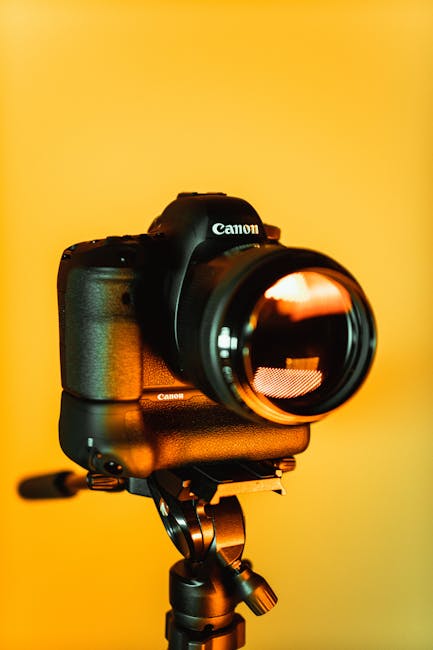
DSLR Camera Buying Guide: Your Ultimate First-Time Buyer’s Handbook
Embarking on the journey of digital photography with a DSLR (Digital Single-Lens Reflex) camera is an exciting prospect. These versatile machines offer a significant leap in image quality and creative control compared to point-and-shoot cameras or smartphones. However, navigating the vast array of options can be daunting for a first-time buyer. This comprehensive guide will equip you with the knowledge to make an informed decision, ensuring your first DSLR purchase is a rewarding one.
Understanding DSLR Fundamentals: What Makes it Tick?
At its core, a DSLR operates by using a mirror and prism system. Light enters the lens, bounces off a mirror, and is directed upwards through a pentaprism to the optical viewfinder. This allows you to see exactly what the lens sees. When you press the shutter button, the mirror flips up, allowing light to hit the image sensor, capturing the photograph. This “reflex” mechanism is the defining characteristic of a DSLR.
Key Advantages of DSLRs for Beginners:
- Superior Image Quality: Larger sensors and interchangeable lenses allow for better detail, dynamic range, and low-light performance.
- Creative Control: Manual settings for aperture, shutter speed, and ISO empower you to dictate the look and feel of your images.
- Interchangeable Lenses: The ability to swap lenses opens up a world of photographic possibilities, from wide-angle landscapes to telephoto wildlife shots.
- Optical Viewfinder: Provides a clear, lag-free view of your subject, unaffected by screen glare.
- Faster Autofocus: Generally offer more sophisticated and quicker autofocus systems.
Essential Specifications to Consider:
-
Megapixels (MP): The Resolution Question: While often touted, megapixels aren’t everything. They determine the maximum print size and cropping potential of an image. For most beginner needs, 18-24MP is more than sufficient. Higher megapixels can result in larger file sizes and may not always translate to dramatically better images, especially in lower-end cameras.
-
Sensor Size: The Image Quality Engine: DSLRs typically come with either an APS-C or full-frame sensor.
- APS-C: Smaller than full-frame, these sensors are found in most entry-level and mid-range DSLRs. They are more affordable and result in slightly smaller camera bodies. Lenses designed for APS-C sensors are also generally less expensive. The “crop factor” of APS-C means a lens’s focal length appears longer (e.g., a 50mm lens on an APS-C camera behaves like a 75mm lens on a full-frame camera).
- Full-Frame: These sensors are the same size as 35mm film. They offer superior low-light performance, a wider dynamic range, and a shallower depth of field (for beautiful background blur). Full-frame DSLRs are typically more expensive and larger. For a beginner, APS-C is usually the more practical and cost-effective choice.
-
ISO Range: Capturing Light in the Dark: ISO controls the sensor’s sensitivity to light. A higher ISO allows you to shoot in darker conditions but can introduce digital noise (graininess). Look for cameras with a good native ISO range (e.g., 100-6400 or higher) and consider how well the camera performs at higher ISO settings. Many modern DSLRs have excellent noise reduction.
-
Autofocus (AF) System: Sharpness on Demand: The AF system determines how quickly and accurately the camera locks onto your subject. Look for the number of AF points and whether they are cross-type (more sensitive). For action or sports photography, a more advanced AF system is crucial. For general photography, most entry-level DSLRs will suffice.
-
Burst Rate (Frames Per Second – FPS): Freezing Motion: This indicates how many photos the camera can take in a single second. A higher FPS is essential for capturing fast-moving subjects like athletes or wildlife. For casual shooting, 3-5 FPS is usually adequate.
-
Video Capabilities: More Than Just Stills: Most modern DSLRs offer excellent video recording capabilities. Consider the resolution (1080p Full HD is standard, 4K is becoming more common), frame rates (24p, 30p, 60p), and whether the camera has features like manual audio control and microphone input for better sound quality.
Types of DSLRs for Beginners:
- Entry-Level DSLRs: These are the most affordable and user-friendly. They typically feature an APS-C sensor, a good selection of automatic modes, and essential manual controls. They are ideal for those new to photography who want to learn the basics and experiment.
- Mid-Range DSLRs: Offering a step up in features and performance, these DSLRs often have more advanced autofocus systems, better build quality, and more extensive manual controls. They cater to enthusiasts looking to grow their skills and produce higher-quality images.
Choosing Your First Lens: The Gateway to Versatility
The kit lens, often bundled with a DSLR, is a good starting point. However, investing in additional lenses is where the true creative power of a DSLR lies.
- Kit Lens (e.g., 18-55mm): This is a versatile zoom lens that covers a wide range of focal lengths, making it suitable for everyday shooting, landscapes, and portraits. It’s a great way to learn what focal lengths you prefer.
- Prime Lens (e.g., 50mm f/1.8): Often called a “nifty fifty,” these lenses have a fixed focal length and a wide aperture. They are excellent for low-light photography, producing beautiful background blur (bokeh), and are generally sharper and more affordable than zoom lenses.
- Telephoto Zoom Lens (e.g., 70-300mm): Essential for wildlife, sports, or distant subjects, these lenses allow you to get close to your subject without physically moving closer.
- Wide-Angle Lens (e.g., 10-20mm): Perfect for capturing expansive landscapes, architecture, or tight interior spaces.
Beyond the Camera Body: Essential Accessories
- SD Card: You’ll need a fast and reliable SD card to store your photos and videos. Look for Class 10 or UHS-I/UHS-II speed ratings.
- Extra Battery: Photography drains batteries quickly, especially when using the LCD screen or shooting video.
- Camera Bag: Protect your investment from bumps, dust, and the elements.
- Cleaning Kit: Keep your lens and sensor free from dust and smudges for pristine images.
- Tripod: Essential for sharp low-light shots, long exposures, and stable video recording.
- External Flash (Optional): For more creative lighting control and better-lit subjects.
Brands to Consider:
The two dominant players in the DSLR market are Canon and Nikon. Both offer a wide range of excellent cameras for beginners. Sony also offers compelling DSLR and mirrorless options. Researching specific models within these brands based on your budget and desired features is the next step.
Tips for First-Time Buyers:
- Set a Budget: Determine how much you’re willing to spend, including lenses and accessories.
- Read Reviews: Consult reputable photography websites and watch video reviews of cameras you’re considering.
- Handle Cameras in Person: If possible, visit a camera store to feel the ergonomics, weight, and button layout of different models.
- Consider Your Photography Goals: What do you primarily want to shoot? This will influence the features and lenses you prioritize.
- Don’t Get Overwhelmed: Start with the basics. You can always upgrade or add lenses later as your skills and needs evolve.
- Learn the Fundamentals: Once you have your camera, invest time in learning photography basics like composition, exposure, and focus. The best camera is the one you learn to use well.
By understanding these key aspects, you’ll be well-equipped to choose a DSLR camera that will serve as your creative companion for years to come, unlocking a world of photographic possibilities.