
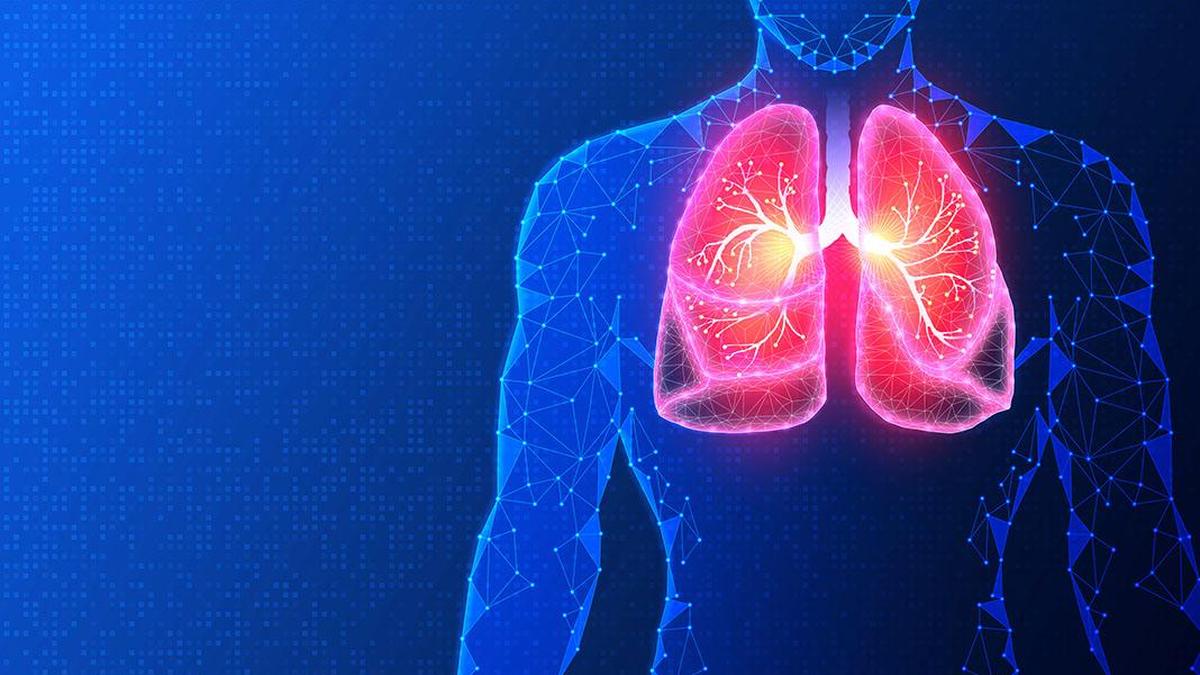
Lung transplantation is a life-saving surgical option for patients with advanced, end-stage lung disease, whose symptoms worsen despite maximum medical therapy. Lung transplantation can significantly extend life expectancy and improve quality of life for a carefully-selected subset of patients, allowing many to return to daily activities that were previously impossible due to their symptoms.
When is lung transplant considered?
A lung transplant may be considered for patients with severe lung diseases such as:
Advanced Chronic Obstructive Pulmonary Disease (COPD), fibrotic interstitial lung disease, where scarring of the lungs limits exchange of oxygen and carbon dioxide; severe pulmonary hypertension, which is very high blood pressure in the lung circulation, as well as in cystic fibrosis, alpha-1 antitrypsin deficiency, bronchiectasis and other advanced cystic lung diseases.
Referral criteria differ depending on the underlying lung disease, and disease-specific guidelines that are followed. Early referral to a lung transplant centre is crucial. This allows time to identify and correct modifiable risk factors that strongly influence transplant success, such as poor nutrition or low body weight, physical weakness and frailty as well as reduced exercise capacity and habits such as active smoking, alcohol/drug use.
Interventions, including pulmonary rehabilitation, nutritional support, and de-addiction programmes can greatly improve recovery and long-term outcomes after transplantation.
A comprehensive pre-transplant evaluation is of utmost importance. This , multidisciplinary evaluation determines whether transplantation benefits would outweigh the risks. The patient is reviewed and risk stratified by multiple medical specialties

When is lung transplantation not advised?
Lung transplantation is not advised in certain situations such as active cancer or recent cancer (within the past 2–5 years, depending on type), irreversible failure of other vital organs such as heart, liver, or kidneys, uncontrolled infections, inability to follow a strict lifelong medication and follow-up regimen, active or recent substance abuse (smoking, alcohol, or drugs), severe untreated psychiatric illness, acute medical instability such as sepsis or recent major heart attack.
Some conditions, such as older age (65-70 years), obesity, osteoporosis, severe malnutrition, uncontrolled acid reflux or limited ability to participate in rehabilitation, are considered to be relative contraindications. Patients with some of these conditions can be still be considered for a lung transplant based on the their overall condition.
The scenario in India
In India, lung transplantation relies almost entirely on deceased (brain-dead) organ donors. As of December 2025, nearly 970 patients were officially on the lung transplant waiting list.
Only a small proportion of donated lungs are suitable for transplantation. In Tamil Nadu, 16–18% of donated lungs are used, while across India, fewer than 15% of donated lungs are utilised as compared to 50–60% in many Western countries. This mismatch between demand and availability leads to prolonged waiting periods and high waitlist mortality.

Assessing lung donors
While assessing an ideal donor, the following is considered: a young or middle-aged adult, a non-smoker, no features of active lung infection in the patient’s chest imaging, no lung injury or aspiration, patient is well-oxygenated and compatible in blood group and size, and a bronchoscopy which is free of active secretions.
Post assessment, once the donor is considered ideal, the donor lungs are retrieved, preserved and cooled using special solutions to minimise the risk of graft rejection. The retrieval team transports the lungs to the transplant centre for the surgery.
In certain urgent situations, extended or marginal donors—who may not meet all ideal criteria—are considered because of the limited donor pool. Depending on the disease, patients may receive a single-lung transplant, a double-lung transplant or a combined heart–lung transplant.
Post surgery
After the surgery, patients are closely monitored in the intensive care unit (ICU) before being shifted to the ward.
The early period after a transplant requires careful monitoring. Major risks include rejection of the transplanted lung, infections due to lifelong immunosuppressive medications and bleeding or surgical complications.
The first year after transplantation is critical. Long-term success depends on strict medication adherence, regular follow-up, close monitoring and early detection of complications.
Long-term outcomes
International data shows that most patients survive the first year after transplant while about half of recipients are alive five years after transplantation.
In India, outcomes are comparable: one-year survival is approximately 85–90% and five-year survival is around 50–70%. Long-term survival is influenced by age, underlying disease severity, rejection, infections and adherence to post-transplant immunosuppression.

Challenges in India
Key challenges in India include a severe shortage of suitable donor lungs, limited public awareness about organ donation, delayed referral of patients with advanced disease, high cost of transplantation, need for lifelong medications, logistical challenges in transporting donor lungs, high risk of post-transplant infections and the absence of a centralised national lung transplant registry
Although donation after circulatory death (DCD) has the potential to expand the donor pool, it is not widely practiced in India due to legal and logistical challenges.
Early referral for transplant evaluation, optimisation of physical and nutritional health before surgery, close monitoring for graft rejection and infections, and lifelong commitment to medications as well as follow-ups can go a long way towards improving post transplant outcomes.
With increasing awareness, better infrastructure and coordinated national systems, lung transplantation can be the light at the end of the tunnel for patients living with end-stage lung disease in India.
(Dr Ishan Capoor is a consultant transplant pulmonologist at Narayana Health, Bengaluru. ishan.ashokcapoor@narayanahealth.org)
