
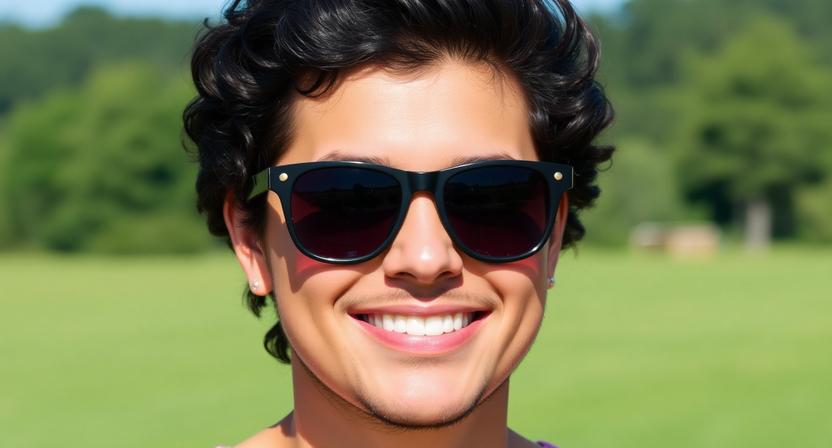
The sun, a life-giving celestial body, also unleashes potent ultraviolet (UV) radiation, a silent threat to our precious eyesight. As summer’s embrace intensifies, so does the intensity of these harmful rays. Protecting your eyes from UV exposure isn’t merely a cosmetic choice; it’s a crucial health imperative, safeguarding against both immediate discomfort and long-term vision damage. The most effective and stylish defense against this summer onslaught? High-quality UV protective sunglasses. This comprehensive guide delves into why these essential accessories are non-negotiable for the warmer months and what to look for when choosing your perfect pair.
The Invisible Threat: Understanding UV Radiation and Its Ocular Impact
UV radiation is broadly categorized into three types: UVA, UVB, and UVC. While the Earth’s atmosphere effectively filters out UVC, UVA and UVB rays penetrate, reaching our eyes and skin. Prolonged or intense exposure to these rays can lead to a spectrum of ocular issues, ranging from mild irritation to severe, vision-impairing conditions.
- Photokeratitis (Sunburn of the Eye): This painful condition, akin to a sunburn on your skin, can occur after short-term, high-intensity UV exposure. Symptoms include redness, pain, a gritty sensation, blurred vision, and sensitivity to light. It’s a stark reminder of the sun’s immediate impact.
- Pterygium (Surfer’s Eye): This fleshy growth on the white part of the eye can extend onto the cornea, potentially affecting vision and causing discomfort. UV exposure is a significant contributing factor to its development.
- Cataracts: The gradual clouding of the eye’s lens, cataracts are a leading cause of vision loss worldwide. Research strongly links cumulative UV exposure to an increased risk of developing cataracts later in life.
- Macular Degeneration: Affecting the central part of the retina, macular degeneration can lead to a loss of sharp, central vision, impacting reading, driving, and recognizing faces. While multifactorial, UV exposure is considered a contributing risk factor.
- Skin Cancer Around the Eyes: The delicate skin surrounding your eyes is also susceptible to UV damage, increasing the risk of basal cell carcinoma, squamous cell carcinoma, and melanoma.
Beyond the Shade: The Crucial Role of UV Protection in Sunglasses
Simply wearing dark lenses doesn’t guarantee adequate UV protection. In fact, dark lenses without proper UV filtering can be more detrimental. When exposed to bright light, your pupils naturally constrict. If the lenses are dark but don’t block UV rays, more UV light can enter the eye through the dilated pupil, leading to increased exposure.
True UV protective sunglasses are specifically designed to block at least 99% of UVA and UVB rays. Look for labels that explicitly state “100% UV protection” or “UV 400.” This designation signifies that the lenses block all light rays with wavelengths up to 400 nanometers, encompassing both UVA and UVB.
Key Features to Seek in Your UV Protective Sunglasses:
Choosing the right pair involves more than just aesthetic appeal. Consider these essential features to ensure optimal eye protection and comfort:
- UV 400 or 100% UV Protection Labeling: This is the absolute non-negotiable. Always verify the label to ensure comprehensive UV blockage.
- Lens Material:
- Polycarbonate: Lightweight, impact-resistant, and inherently UV-blocking, polycarbonate is an excellent choice for active individuals and children. They offer superior safety due to their shatterproof nature.
- CR-90 Lenses: A popular choice offering good optical clarity and scratch resistance. Many CR-90 lenses are treated with UV-blocking coatings.
- Glass: Offers superior optical clarity and scratch resistance but is heavier and can shatter. Ensure they are specifically treated for UV protection.
- Lens Tint: While tint affects how much visible light is blocked (light transmission), it does not directly correlate with UV protection. However, certain tints can enhance visual comfort and contrast in specific conditions:
- Gray: Provides true color perception and is ideal for general use.
- Brown/Amber: Enhances contrast and depth perception, making them suitable for driving and variable light conditions.
- Green: Offers good contrast and color accuracy, comfortable for extended wear.
- Yellow/Orange: Excellent for low-light conditions and enhancing contrast, often favored by skiers and cyclists.
- Lens Coatings:
- Anti-Reflective Coating: Reduces glare from the back of the lenses, improving visual clarity and reducing eye strain.
- Scratch-Resistant Coating: Enhances durability and longevity, keeping your lenses clear.
- Hydrophobic/Oleophobic Coating: Repels water and oil, making lenses easier to clean and less prone to smudges.
- Frame Style and Fit:
- Wraparound Styles: Offer superior peripheral protection by hugging the face, minimizing UV ray ingress from the sides, top, and bottom. This is particularly important for activities where you are exposed to intense sunlight from multiple angles.
- Larger Lenses: Provide more surface area coverage, offering greater protection to the eyes and the delicate skin around them.
- Comfortable Fit: Ensure the sunglasses fit snugly without being too tight. They shouldn’t slip down your nose or pinch your temples. A good fit prevents light from leaking in.
- Polarization (Optional but Recommended): While not directly UV protection, polarized lenses significantly reduce glare from reflective surfaces like water, snow, and roads. This enhances visual comfort and clarity, especially during outdoor activities. Many polarized lenses also incorporate UV protection.
Choosing the Right Sunglasses for Your Summer Activities:
Your chosen sunglasses should complement your lifestyle and the activities you’ll be engaging in during the summer months.
- For Everyday Wear and City Life: Classic styles with good UV protection are sufficient. Prioritize comfort and a versatile look. Consider polarized lenses for reducing glare from pavements and windows.
- For Beach and Water Activities: Wraparound styles with polarized lenses are paramount. They offer maximum protection against the intense sun reflecting off the water and sand. Look for durable, water-resistant frames.
- For Hiking and Outdoor Adventures: Lightweight, impact-resistant polycarbonate lenses are ideal. Wraparound styles provide comprehensive coverage against sun, wind, and debris. Consider lenses that enhance contrast for better visibility on trails.
- For Driving: Polarized lenses are a game-changer for drivers, cutting down on distracting glare from the road and other vehicles. Gray or brown tints offer true color perception, crucial for traffic signals.
- For Sports: Specialized sports sunglasses offer enhanced durability, secure fits, and often feature impact-resistant lenses and anti-fog coatings. Wraparound designs are common for maximum protection and field of vision.
Beyond Sunglasses: Additional Tips for UV Eye Protection:
While UV protective sunglasses are your primary defense, consider these supplementary measures:
- Wear a Wide-Brimmed Hat: A hat provides an additional layer of shade, further shielding your eyes and face from direct sunlight.
- Seek Shade: Whenever possible, take breaks in shaded areas, especially during peak sun hours (10 am to 4 pm).
- Be Mindful of Reflective Surfaces: Snow, sand, water, and even concrete can reflect UV rays, increasing your overall exposure.
- Protect Children’s Eyes: Children’s eyes are more sensitive to UV light. Ensure they wear age-appropriate, 100% UV protective sunglasses from a young age.
Investing in Your Vision: The Long-Term Benefits
Investing in high-quality UV protective sunglasses is an investment in your long-term eye health. By diligently protecting your eyes from the sun’s harmful rays, you significantly reduce your risk of developing debilitating eye conditions. This summer, don’t let the heat compromise your vision. Embrace the sunshine with confidence, knowing that your eyes are shielded by the best defense: a pair of reliable, stylish, and UV protective sunglasses. Your future self will thank you for it.
CBEX Photochromic Polarized Sunglasses – Auto-Tint Adaptive Lenses, UV400 Protection, Anti-Reflection for Cycling, Hiking, Fishing
₹939.00 (as of March 24, 2026 15:28 GMT +05:30 - More infoProduct prices and availability are accurate as of the date/time indicated and are subject to change. Any price and availability information displayed on [relevant Amazon Site(s), as applicable] at the time of purchase will apply to the purchase of this product.)
FAVELA Luxury Square Sunglasses UV400 Protection Premium Alloy Frame with Spring Hinges, Lightweight Retro Fashion Shades for Driving, Travel & Outdoor
₹465.00 (as of March 24, 2026 15:28 GMT +05:30 - More infoProduct prices and availability are accurate as of the date/time indicated and are subject to change. Any price and availability information displayed on [relevant Amazon Site(s), as applicable] at the time of purchase will apply to the purchase of this product.)
Black Jones Polarized Sunglasses | Full Rim Aviator Shape | 100% UV Protected Goggles | For Men & Women | Silver & Gun-Metal (Black) | Pack of 1
₹453.00 (as of March 24, 2026 15:28 GMT +05:30 - More infoProduct prices and availability are accurate as of the date/time indicated and are subject to change. Any price and availability information displayed on [relevant Amazon Site(s), as applicable] at the time of purchase will apply to the purchase of this product.)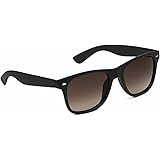
HAZON® Premium Rubber Coated UV400 Protected Goggles For Men | Stylish Sunglasses | Driving, Riding, Anti glare Glasses (Way_BKBR_55) (BROWN)
₹349.00 (as of March 24, 2026 15:28 GMT +05:30 - More infoProduct prices and availability are accurate as of the date/time indicated and are subject to change. Any price and availability information displayed on [relevant Amazon Site(s), as applicable] at the time of purchase will apply to the purchase of this product.)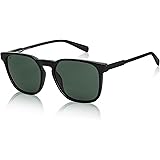
VINCENT CHASE EYEWEAR By Lenskart |Full Rim Square Sunglasses| Style Cast (Pc)|Polarized And 100% UV Protected|Men & Women| Vc S13980
₹549.00 (as of March 24, 2026 15:28 GMT +05:30 - More infoProduct prices and availability are accurate as of the date/time indicated and are subject to change. Any price and availability information displayed on [relevant Amazon Site(s), as applicable] at the time of purchase will apply to the purchase of this product.)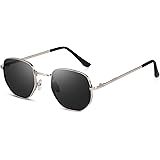
Dervin UV Protected Casual Fashionable Polygon Diamond Shaped Metal Frame Punk Sunglasses Shades for Men and Women
₹369.00 (as of March 24, 2026 15:28 GMT +05:30 - More infoProduct prices and availability are accurate as of the date/time indicated and are subject to change. Any price and availability information displayed on [relevant Amazon Site(s), as applicable] at the time of purchase will apply to the purchase of this product.)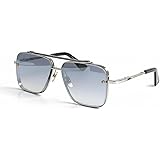
KOPEK Oversized Square Aviator Sunglasses, Silver Metal Frame, Gradient blue Lenses, Flip-Up Bridge Design
₹499.00 (as of March 24, 2026 15:28 GMT +05:30 - More infoProduct prices and availability are accurate as of the date/time indicated and are subject to change. Any price and availability information displayed on [relevant Amazon Site(s), as applicable] at the time of purchase will apply to the purchase of this product.)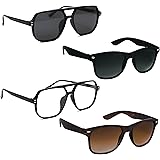
Imperial Club Sunglasses Set with Oval and Square Styles, Black Frames, Black, Transparent and Brown Lens, UV Protection, Pack of 4
₹357.00 (as of March 24, 2026 15:28 GMT +05:30 - More infoProduct prices and availability are accurate as of the date/time indicated and are subject to change. Any price and availability information displayed on [relevant Amazon Site(s), as applicable] at the time of purchase will apply to the purchase of this product.)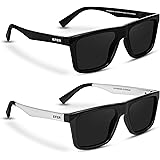
EFERMONE® Combo Pack of 2 Polarised Sunglasses Men Women Stylish with Lens Cleaner | TAC UV400 Protection Lens | Unisex (Medium) (2 Sunglasses with Hard Cases and Lens Cleaner)
₹499.00 (as of March 24, 2026 15:28 GMT +05:30 - More infoProduct prices and availability are accurate as of the date/time indicated and are subject to change. Any price and availability information displayed on [relevant Amazon Site(s), as applicable] at the time of purchase will apply to the purchase of this product.)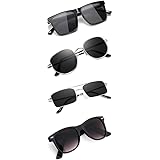
Sheomy Unisex Combo offer pack of 4 shades glasses White Black Candy MC stan Rectangular Retro Vintage Narrow Non-Polarized Sunglasses Small Narrow Square Sun Glasses Combo offer pack (Medium)
₹399.00 (as of March 24, 2026 15:28 GMT +05:30 - More infoProduct prices and availability are accurate as of the date/time indicated and are subject to change. Any price and availability information displayed on [relevant Amazon Site(s), as applicable] at the time of purchase will apply to the purchase of this product.)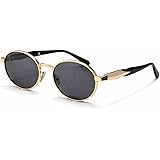
Accentz Oval Sunglasses for Men & Women | Gold Metal Frame with Black Lens | Vintage Retro Style Unisex Fashion Sunglasses | Stylish Eyewear
₹489.00 (as of March 24, 2026 15:28 GMT +05:30 - More infoProduct prices and availability are accurate as of the date/time indicated and are subject to change. Any price and availability information displayed on [relevant Amazon Site(s), as applicable] at the time of purchase will apply to the purchase of this product.)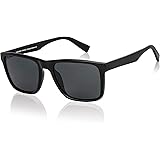
Vincent Chase By Lenskart | Full Rim Square | Polarized Stylish Sunglasses | 100% UV Protected | For Men & Women
₹549.00 (as of March 24, 2026 15:28 GMT +05:30 - More infoProduct prices and availability are accurate as of the date/time indicated and are subject to change. Any price and availability information displayed on [relevant Amazon Site(s), as applicable] at the time of purchase will apply to the purchase of this product.)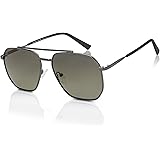
VINCENT CHASE EYEWEAR By Lenskart | Full Rim Square Sunglasses| Polarized And 100% UV Protected | Men & Women | Vc S12593/P
₹569.00 (as of March 24, 2026 15:28 GMT +05:30 - More infoProduct prices and availability are accurate as of the date/time indicated and are subject to change. Any price and availability information displayed on [relevant Amazon Site(s), as applicable] at the time of purchase will apply to the purchase of this product.)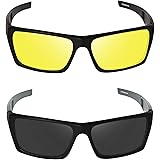
EFERMONE® Combo of Night Driving glasses and Day time sport sunglasses for Bike and Car Riding| Anti-Glare | Wraparound Design | Vehicle Beam Reduction | 100% UV400 Protection with Lens Cleaner
₹430.00 (as of March 24, 2026 15:28 GMT +05:30 - More infoProduct prices and availability are accurate as of the date/time indicated and are subject to change. Any price and availability information displayed on [relevant Amazon Site(s), as applicable] at the time of purchase will apply to the purchase of this product.)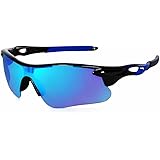
Oversized Sports Sunglasses for Men & Women | UV Protected Cycling, Running, Cricket & Outdoor Sport Goggles
₹299.00 (as of March 24, 2026 15:28 GMT +05:30 - More infoProduct prices and availability are accurate as of the date/time indicated and are subject to change. Any price and availability information displayed on [relevant Amazon Site(s), as applicable] at the time of purchase will apply to the purchase of this product.)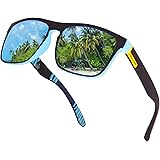
Dervin UV Protected Retro Square Light Weight Matt Finish Polarized Sunglasses for Men and Women (Medium)
₹459.00 (as of March 24, 2026 15:28 GMT +05:30 - More infoProduct prices and availability are accurate as of the date/time indicated and are subject to change. Any price and availability information displayed on [relevant Amazon Site(s), as applicable] at the time of purchase will apply to the purchase of this product.)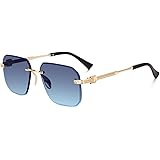
Dervin UV Protected Square Rimless Sunglasses for Men and Women
₹389.00 (as of March 24, 2026 15:28 GMT +05:30 - More infoProduct prices and availability are accurate as of the date/time indicated and are subject to change. Any price and availability information displayed on [relevant Amazon Site(s), as applicable] at the time of purchase will apply to the purchase of this product.)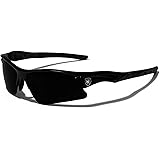
Roshfort Sports Non Polorized Sunglasses UV Protection Sunglass for Men & Women Cycling Running Driving Fishing Multi Shade Glasses ITALIC (Size -Medium)
₹283.00 (as of March 24, 2026 15:28 GMT +05:30 - More infoProduct prices and availability are accurate as of the date/time indicated and are subject to change. Any price and availability information displayed on [relevant Amazon Site(s), as applicable] at the time of purchase will apply to the purchase of this product.)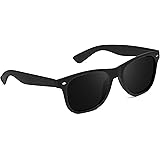
HAZON® Premium Rubber Coated UV400 Protected Goggles For Men | Stylish Sunglasses | Driving, Riding, Anti glare Glasses (Way_BK_55) (Black)
₹349.00 (as of March 24, 2026 15:28 GMT +05:30 - More infoProduct prices and availability are accurate as of the date/time indicated and are subject to change. Any price and availability information displayed on [relevant Amazon Site(s), as applicable] at the time of purchase will apply to the purchase of this product.)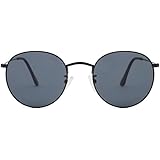
Moonwire Round Sunglasses for Men & Women | UV Protected Stylish Goggles | Lightweight Durable Frame | Trendy Fashion Eyewear | Medium
₹239.00 (as of March 24, 2026 15:28 GMT +05:30 - More infoProduct prices and availability are accurate as of the date/time indicated and are subject to change. Any price and availability information displayed on [relevant Amazon Site(s), as applicable] at the time of purchase will apply to the purchase of this product.)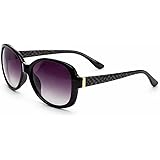
Women Oversized Sunglasses – UV400 Gradient Lens Butterfly Frame – Stylish Black Designer Shades with Gold Accent Temples – Large Fashion Sunglasses for Women Driving Travel Outdoor
₹180.00 (as of March 24, 2026 13:08 GMT +05:30 - More infoProduct prices and availability are accurate as of the date/time indicated and are subject to change. Any price and availability information displayed on [relevant Amazon Site(s), as applicable] at the time of purchase will apply to the purchase of this product.)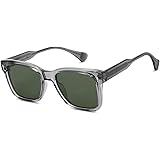
Vincent Chase By Lenskart | Full Rim Square | Classics | Polarized and 100% UV Protected | Men & Women | Large | VC S16747
₹689.00 (as of March 24, 2026 13:08 GMT +05:30 - More infoProduct prices and availability are accurate as of the date/time indicated and are subject to change. Any price and availability information displayed on [relevant Amazon Site(s), as applicable] at the time of purchase will apply to the purchase of this product.)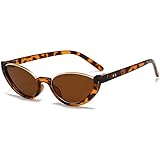
HAYDEN haiza Cat Eye Sunglasses, Tortoiseshell Frame, TigerPrint Frame. Brown Lenses, Retro Style, Women's Fashion Eyewear For Women's Pack of 1
₹373.00 (as of March 24, 2026 13:08 GMT +05:30 - More infoProduct prices and availability are accurate as of the date/time indicated and are subject to change. Any price and availability information displayed on [relevant Amazon Site(s), as applicable] at the time of purchase will apply to the purchase of this product.)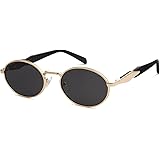
CREEK Retro Oval Sunglasses for Women & Men | Trendy Metal Sun Glasses Classic Shades | UV400 Protection
₹472.00 (as of March 24, 2026 13:08 GMT +05:30 - More infoProduct prices and availability are accurate as of the date/time indicated and are subject to change. Any price and availability information displayed on [relevant Amazon Site(s), as applicable] at the time of purchase will apply to the purchase of this product.)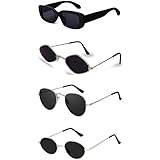
Sheomy Unisex combo offer pack of 4 shades Unisex Fashion Sunglasses Set, 4 Pairs, Metal Frame, Black and Silver - Combo4-12035
₹399.00 (as of March 24, 2026 13:08 GMT +05:30 - More infoProduct prices and availability are accurate as of the date/time indicated and are subject to change. Any price and availability information displayed on [relevant Amazon Site(s), as applicable] at the time of purchase will apply to the purchase of this product.)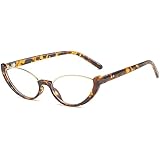
VALWICK Cat Eye Sunglasses, Tortoiseshell Frame, Brown, Black, Clear Lens, Retro Style, Women's Fashion Eyewear
₹399.00 (as of March 24, 2026 13:08 GMT +05:30 - More infoProduct prices and availability are accurate as of the date/time indicated and are subject to change. Any price and availability information displayed on [relevant Amazon Site(s), as applicable] at the time of purchase will apply to the purchase of this product.)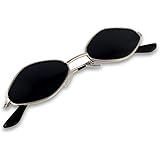
TheDarker Diamond Shape Cat Eye Women's Sunglasses Lightweight Frames Provide Uv Protection,Small Metal Frames Making Them Ideal For Everyday Wear.,Non-Polarized
₹199.00 (as of March 24, 2026 13:08 GMT +05:30 - More infoProduct prices and availability are accurate as of the date/time indicated and are subject to change. Any price and availability information displayed on [relevant Amazon Site(s), as applicable] at the time of purchase will apply to the purchase of this product.)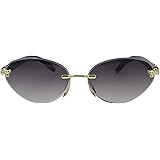
PRASU OVEL RIMLESS SUNGLASSES GOLD TINTED FRAME GLASS LENS WITH UV PROTECTION
₹229.00 (as of March 24, 2026 13:08 GMT +05:30 - More infoProduct prices and availability are accurate as of the date/time indicated and are subject to change. Any price and availability information displayed on [relevant Amazon Site(s), as applicable] at the time of purchase will apply to the purchase of this product.)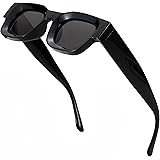
IFLASH Retro Rectangle Polarized Sunglasses for Small Face Women Men Chunky Square Thick Frame Glasses UV400 Protection
₹249.00 (as of March 24, 2026 13:08 GMT +05:30 - More infoProduct prices and availability are accurate as of the date/time indicated and are subject to change. Any price and availability information displayed on [relevant Amazon Site(s), as applicable] at the time of purchase will apply to the purchase of this product.)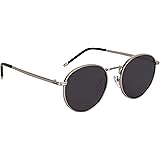
Voyage UV Protected Round Unisex Sunglasses
₹736.00 (as of March 24, 2026 13:08 GMT +05:30 - More infoProduct prices and availability are accurate as of the date/time indicated and are subject to change. Any price and availability information displayed on [relevant Amazon Site(s), as applicable] at the time of purchase will apply to the purchase of this product.)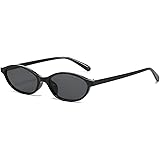
HUVORA Retro Cat Eye Oval UV Protection Chic Sunglasses for Women Stylish - Anti Glare UV400 Protected Designer Branded Goggles - Metal Hinges Unisex Glasses - Trendy Narrow Y2K Cateye Shades
₹454.00 (as of March 24, 2026 13:08 GMT +05:30 - More infoProduct prices and availability are accurate as of the date/time indicated and are subject to change. Any price and availability information displayed on [relevant Amazon Site(s), as applicable] at the time of purchase will apply to the purchase of this product.)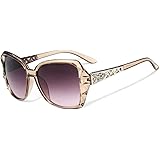
ELEGANTE UV Protected Han Edition Designer Oversized Sunglasses for Women
₹378.00 (as of March 24, 2026 13:08 GMT +05:30 - More infoProduct prices and availability are accurate as of the date/time indicated and are subject to change. Any price and availability information displayed on [relevant Amazon Site(s), as applicable] at the time of purchase will apply to the purchase of this product.)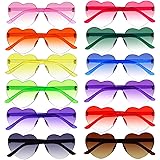
STORE 2508 12 Pcs Heart Shape Sunglasses for Women & Men – Gradient Rimless Tinted Party Glasses – Colourful Retro Shades for Holi, Pool, Haldi & Theme Events
₹699.00 (as of March 24, 2026 13:08 GMT +05:30 - More infoProduct prices and availability are accurate as of the date/time indicated and are subject to change. Any price and availability information displayed on [relevant Amazon Site(s), as applicable] at the time of purchase will apply to the purchase of this product.)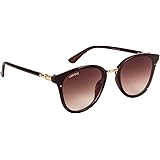
Voyage UV Protection Cat-eye Sunglass
₹679.00 (as of March 24, 2026 13:08 GMT +05:30 - More infoProduct prices and availability are accurate as of the date/time indicated and are subject to change. Any price and availability information displayed on [relevant Amazon Site(s), as applicable] at the time of purchase will apply to the purchase of this product.)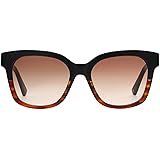
Tommy Hilfiger Square 100% UV Protection Gradient Brown Sunglasses For Women - TH 2639 C6 51 - S
₹7,192.00 (as of March 24, 2026 13:08 GMT +05:30 - More infoProduct prices and availability are accurate as of the date/time indicated and are subject to change. Any price and availability information displayed on [relevant Amazon Site(s), as applicable] at the time of purchase will apply to the purchase of this product.)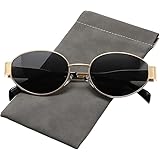
FAVELA Retro Oval Sunglasses for Women & Men | Trendy Metal Sun Glasses Classic Shades | UV400 Protection Retro Oval Sunglasses Vintage Style.
₹281.00 (as of March 24, 2026 13:08 GMT +05:30 - More infoProduct prices and availability are accurate as of the date/time indicated and are subject to change. Any price and availability information displayed on [relevant Amazon Site(s), as applicable] at the time of purchase will apply to the purchase of this product.)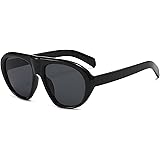
4Flaunt Icon Oversized Aviator Sunglasses for Men & Women | Stylish Trending Pilot Sunglasses | Large Frame UV400 Protection | Fashion Aviator Shades for Driving, Travel & Outdoor
₹799.00 (as of March 24, 2026 13:08 GMT +05:30 - More infoProduct prices and availability are accurate as of the date/time indicated and are subject to change. Any price and availability information displayed on [relevant Amazon Site(s), as applicable] at the time of purchase will apply to the purchase of this product.)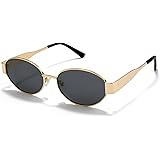
4Flaunt Retro Oval Sunglasses For Women & Men | Trending, Stylish & Durable Metal Frame Vintage 90s Sunglasses With UV 400 Protection Lenses
₹368.00 (as of March 24, 2026 13:08 GMT +05:30 - More infoProduct prices and availability are accurate as of the date/time indicated and are subject to change. Any price and availability information displayed on [relevant Amazon Site(s), as applicable] at the time of purchase will apply to the purchase of this product.)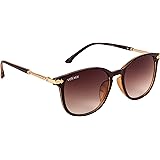
Voyage Lightweight UV Protected Full Rim Branded & Latest Round Sunglasses for Women
₹679.00 (as of March 24, 2026 13:08 GMT +05:30 - More infoProduct prices and availability are accurate as of the date/time indicated and are subject to change. Any price and availability information displayed on [relevant Amazon Site(s), as applicable] at the time of purchase will apply to the purchase of this product.)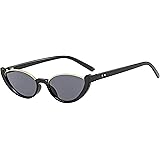
IFLASH Fashion Small Cat Eye Sunglasses for Women Retro Trendy Cool Glasses
₹399.00 (as of March 24, 2026 13:08 GMT +05:30 - More infoProduct prices and availability are accurate as of the date/time indicated and are subject to change. Any price and availability information displayed on [relevant Amazon Site(s), as applicable] at the time of purchase will apply to the purchase of this product.)