
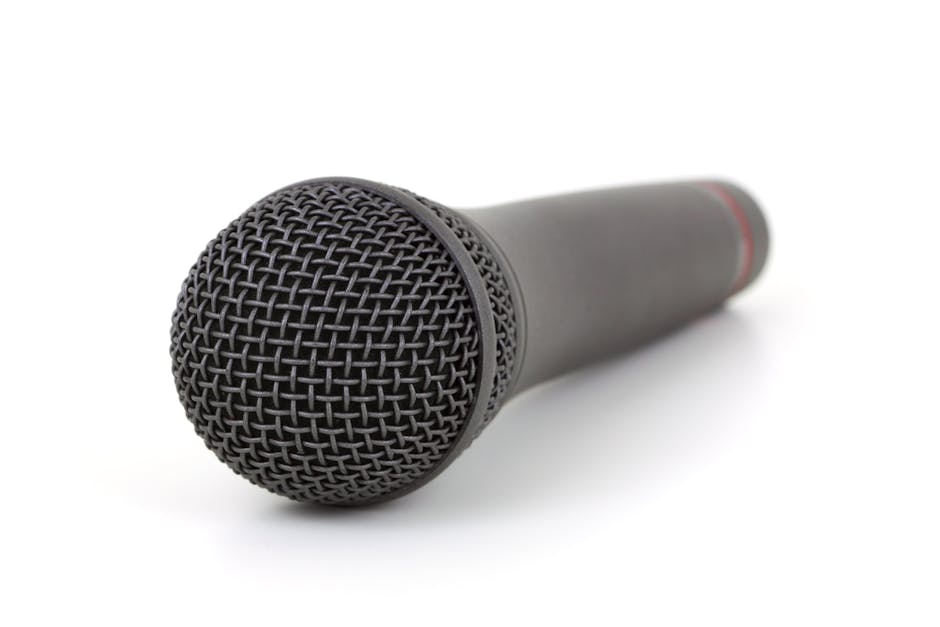
The Ultimate Guide to Choosing the Perfect Microphone
Selecting the right microphone is a pivotal decision for any audio creator, from seasoned podcasters and musicians to budding streamers and voiceover artists. The microphone is the gateway for your sound to enter the digital realm, and its quality directly impacts the clarity, richness, and overall professionalism of your recordings. This comprehensive guide will demystify the process, equipping you with the knowledge to make an informed choice that perfectly suits your needs and budget.
Understanding Microphone Types: The Foundation of Your Choice
The first step in choosing a microphone is understanding the fundamental differences between the two most prevalent types: dynamic and condenser microphones. Each possesses unique characteristics that make them suitable for specific applications.
Dynamic Microphones: These work by electromagnetic induction. Sound waves vibrate a diaphragm attached to a coil of wire within a magnetic field. This movement generates an electrical signal.
- Strengths: Dynamic microphones are renowned for their durability, ability to handle high sound pressure levels (SPLs) without distortion, and less sensitivity to background noise. They are generally more affordable and do not require external power (phantom power).
- Ideal For: Loud vocals, guitar amplifiers, drums (especially snare and kick), live performance vocals, and environments with significant ambient noise. Their robust nature makes them a workhorse for demanding situations.
Condenser Microphones: These operate on electrostatic principles. A thin, electrically charged diaphragm is placed close to a backplate. Sound waves cause the diaphragm to vibrate, altering the capacitance between the diaphragm and the backplate, which in turn produces an electrical signal.
- Strengths: Condenser microphones offer superior sensitivity, capturing finer details and nuances in sound. They produce a more natural, open, and accurate reproduction of the source. However, they are generally more fragile and require phantom power (usually +48V) supplied by your audio interface or mixer.
- Ideal For: Studio vocals, acoustic instruments (guitars, pianos, strings), voiceovers, podcasts where pristine clarity is paramount, and capturing subtle ambient sounds. Their detailed response excels in controlled recording environments.
Exploring Microphone Polar Patterns: Directing Your Sound
Beyond the internal workings, a microphone’s polar pattern dictates its directionality – how it picks up sound from different angles. Understanding these patterns is crucial for isolating your desired sound source and minimizing unwanted noise.
-
Cardioid: The most common pattern, cardioid microphones primarily pick up sound from the front, with a significant rejection of sound from the rear and sides. This makes them excellent for isolating a single sound source and reducing room reflections or bleed from other instruments.
- Variations: Supercardioid and Hypercardioid offer even tighter front pickup but also pick up a small amount of sound directly from the rear. These are useful for extreme isolation but require careful placement.
-
Omnidirectional: These microphones pick up sound equally from all directions. While they capture a more natural and open sound, they are also highly susceptible to ambient noise and room reflections.
- Ideal For: Capturing the natural ambiance of a room, recording multiple sources simultaneously (e.g., a choir), or when you want to capture the full sonic environment.
-
Bidirectional (Figure-8): These microphones pick up sound equally from the front and the rear, while rejecting sound from the sides.
- Ideal For: Stereo recording techniques like Mid-Side (M-S) recording, duets where two vocalists face each other, or capturing a sound source and its reflection from a surface behind it.
Key Microphone Specifications to Consider:
When comparing microphones, several technical specifications will provide further insight into their performance.
- Frequency Response: This graph illustrates how a microphone reproduces different frequencies. A flat frequency response indicates a more neutral and accurate sound. However, some microphones have tailored frequency responses to enhance specific qualities, like a presence boost for vocals.
- Sensitivity: Measured in millivolts per Pascal (mV/Pa), sensitivity indicates how much electrical output a microphone produces for a given sound pressure level. Higher sensitivity means the microphone will produce a stronger signal with less gain from your preamp, potentially resulting in a cleaner recording with less inherent noise.
- Maximum SPL: This is the highest sound pressure level a microphone can handle before distorting. For loud sources like drums or amplifiers, a high maximum SPL is essential.
- Self-Noise: This refers to the inherent noise the microphone produces on its own, even in a silent environment. Lower self-noise figures are desirable for capturing quiet sources or when using high gain on your preamp.
- Connectivity: Microphones connect via XLR (for professional audio, balanced signal), USB (for direct computer connection, often found on condenser mics), or ¼” jack (less common for professional mics, often unbalanced).
Choosing the Right Microphone for Your Application:
Now, let’s tailor microphone selection to specific common use cases.
For Podcasting and Voiceovers:
Clarity, intelligibility, and a smooth, natural vocal tone are paramount.
- Recommended Types: Condenser microphones are generally preferred for their detail and accuracy. Large-diaphragm condensers often offer a warm and rich vocal sound. USB condenser microphones are an excellent entry point, offering plug-and-play convenience.
- Polar Patterns: Cardioid is the go-to pattern to reject background noise and room reflections.
- Key Features: Look for microphones with a good frequency response in the vocal range, low self-noise, and a decent maximum SPL if you tend to speak loudly.
For Musicians and Vocalists (Studio Recording):
Capturing the full character and nuance of the human voice or an instrument is the goal.
- Recommended Types: Large-diaphragm condenser microphones are a staple in studios for their detailed and open sound. Small-diaphragm condensers are excellent for capturing the transient detail of acoustic instruments. Dynamic microphones are still valuable for certain vocal styles (rock, aggressive genres) and for instruments like guitar amps and drums.
- Polar Patterns: Cardioid is most common, but omnidirectional can be used for a more natural room sound or specific stereo techniques.
- Key Features: A wide and relatively flat frequency response, low self-noise, and good transient response are crucial.
For Live Performance Vocals:
Durability, feedback rejection, and the ability to cut through a mix are essential.
- Recommended Types: Dynamic microphones are the industry standard due to their ruggedness and ability to handle high SPLs. They are also less prone to feedback in live sound reinforcement situations.
- Polar Patterns: Cardioid and Supercardioid are preferred for their focused pickup and excellent feedback rejection.
- Key Features: Robust construction, a clear and present vocal response, and effective off-axis rejection.
For Instruments (Drums, Guitar Amps, Acoustic Instruments):
The choice depends heavily on the instrument’s sonic characteristics and volume.
- Drums:
- Kick Drum: Large-diaphragm dynamic microphones (like the Shure Beta 52A or AKG D112) are designed to capture the low-end punch.
- Snare Drum: Dynamic microphones with a focused midrange are common (e.g., Shure SM57). Condenser microphones can be used for top-head capture for more detail.
- Toms: Dynamic microphones are prevalent for their punch and durability.
- Overheads: Condenser microphones (often small-diaphragm) are used to capture the overall drum kit sound and cymbals.
- Guitar Amplifiers: Dynamic microphones, particularly the Shure SM57, are a classic choice for their ability to handle high SPLs and their characteristic midrange presence. Ribbon microphones can offer a smoother, warmer tone.
- Acoustic Instruments: Small-diaphragm condenser microphones are excellent for capturing the detail and air of acoustic guitars, pianos, and strings. Large-diaphragm condensers can add warmth and body.
For Streaming and Content Creation:
A balance of clarity, ease of use, and background noise rejection is often sought.
- Recommended Types: USB condenser microphones are incredibly popular for their simplicity and good sound quality. Some dynamic microphones with USB connectivity are also excellent choices, offering better background noise rejection.
- Polar Patterns: Cardioid is the most practical choice for isolating your voice from your environment.
- Key Features: Plug-and-play functionality, decent clarity, and the ability to minimize room noise.
Budget Considerations: Finding Value at Every Price Point
Microphones range from under $50 to thousands of dollars. It’s important to set a realistic budget and understand that higher prices often correlate with better build quality, more refined sound, and advanced features.
- Entry-Level (Under $100): Excellent for beginners. USB microphones are often the best value here, offering good sound quality for basic podcasting, streaming, or voiceovers.
- Mid-Range ($100 – $500): This is where you’ll find a significant jump in quality. Many professional-grade dynamic microphones and excellent entry-level to mid-tier condenser microphones fall into this category. This is an ideal range for serious hobbyists and budding professionals.
- High-End ($500+): For the discerning professional, these microphones offer the pinnacle of sound reproduction, build quality, and often come with specialized features or legendary sonic characteristics.
Essential Accessories:
Don’t forget to factor in the cost of essential accessories that can