
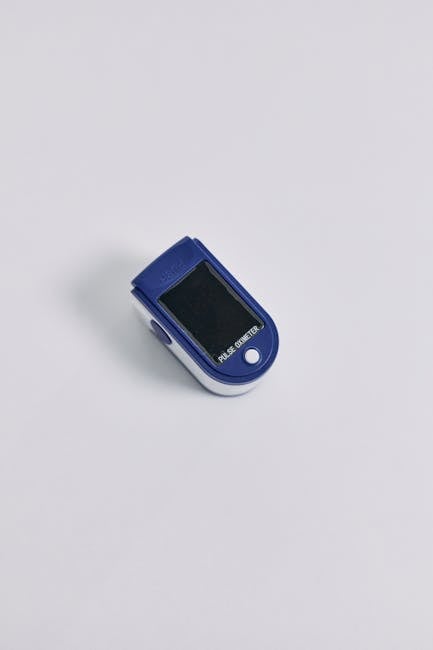
SpO2 Fitness Tracker: Unlock Peak Performance by Monitoring Blood Oxygen
In the relentless pursuit of optimal health and athletic prowess, fitness enthusiasts are constantly seeking innovative tools to gain a deeper understanding of their bodies. Among the most impactful advancements in personal health monitoring is the SpO2 fitness tracker, a device that empowers users to measure their blood oxygen saturation levels. This seemingly simple metric, often overlooked, holds profound implications for everything from daily energy levels to peak athletic performance. Understanding and leveraging your SpO2 data can be a game-changer in your fitness journey.
What is SpO2 and Why Does it Matter for Fitness?
SpO2, or peripheral oxygen saturation, represents the percentage of hemoglobin in your blood that is carrying oxygen. Hemoglobin, a protein in red blood cells, is responsible for transporting oxygen from your lungs to the rest of your body, including your muscles. For optimal bodily function and peak physical performance, your cells require a consistent and adequate supply of oxygen.
During physical activity, your body’s demand for oxygen escalates significantly. Muscles work harder, consume more fuel, and produce more waste products. A well-functioning respiratory and circulatory system efficiently delivers oxygen to meet these demands. However, factors such as high altitude, strenuous exercise, underlying health conditions, and even poor sleep can compromise oxygen delivery.
When your SpO2 levels drop, it indicates that your body is not receiving enough oxygen. This can manifest as fatigue, reduced endurance, impaired cognitive function, and a general feeling of malaise. For athletes, this translates directly to diminished performance, slower recovery times, and an increased risk of injury. Conversely, maintaining optimal SpO2 levels supports efficient energy production, enhances stamina, and accelerates muscle recovery.
The Science Behind SpO2 Tracking: How it Works
SpO2 fitness trackers utilize a technology called photoplethysmography (PPG). This non-invasive method involves shining two different wavelengths of light – red and infrared – through your skin, typically on the fingertip or wrist.
- Red Light: Hemoglobin that is not carrying oxygen (deoxygenated hemoglobin) absorbs red light more effectively.
- Infrared Light: Hemoglobin that is carrying oxygen (oxygenated hemoglobin) absorbs infrared light more effectively.
The sensor on the tracker measures how much of each light wavelength is absorbed and how much is transmitted. By comparing the absorption of red and infrared light, the device can calculate the ratio of oxygenated to deoxygenated hemoglobin, thereby determining your SpO2 percentage. Most modern trackers also measure your pulse rate simultaneously, as blood flow is essential for accurate SpO2 readings.
Key Benefits of Monitoring SpO2 for Fitness Enthusiasts:
-
Enhanced Endurance and Stamina: By tracking your SpO2 during workouts, you can identify when your oxygen levels begin to dip. This awareness allows you to adjust your intensity, take strategic breaks, or focus on improving your cardiovascular fitness to ensure adequate oxygen supply. Consistent monitoring can reveal patterns of oxygen depletion during specific exercises, guiding you to optimize your training regimen for greater stamina.
-
Improved Recovery: Oxygen plays a crucial role in muscle repair and regeneration after exercise. Low SpO2 levels can hinder this process, leading to prolonged soreness and slower recovery. Monitoring your SpO2, especially during sleep, can reveal if your body is adequately oxygenated for optimal overnight recovery. This insight can prompt lifestyle adjustments, such as improving sleep hygiene or incorporating breathing exercises, to enhance your body’s restorative capabilities.
-
Altitude Acclimatization: For athletes who train or compete at high altitudes, SpO2 monitoring is invaluable. The lower atmospheric pressure at higher elevations reduces the amount of oxygen available in the air. Tracking your SpO2 helps you understand how your body is adapting to the altitude and when you might need to reduce training intensity or take additional rest days to prevent altitude sickness and ensure safe acclimatization.
-
Identifying Overtraining: Overtraining can lead to a cascade of negative physiological effects, including impaired oxygen utilization. Persistently low SpO2 readings, even during rest or light activity, can be an early indicator that your body is not recovering adequately and you may be pushing too hard. This allows for proactive intervention to prevent burnout and injury.
-
Optimizing Sleep Quality: Sleep is a critical component of recovery and performance. During sleep, your body undergoes vital repair processes, and adequate oxygenation is paramount. SpO2 trackers that monitor sleep can reveal fluctuations in blood oxygen levels throughout the night. Significant drops might indicate underlying sleep disturbances, such as sleep apnea, which can severely impact recovery and overall health. Addressing these issues can lead to more restorative sleep and, consequently, better performance.
-
Personalized Training Zones: By understanding your typical SpO2 response to different exercise intensities, you can fine-tune your training zones. If you consistently observe a significant drop in SpO2 at a certain heart rate or pace, it might suggest that this intensity is beyond your current aerobic capacity. This allows for a more scientific approach to training, gradually building your body’s ability to deliver and utilize oxygen.
-
Early Detection of Potential Health Issues: While primarily a fitness tool, persistent and unexplained low SpO2 readings can sometimes be an early warning sign of underlying health conditions affecting the respiratory or cardiovascular systems. While not a substitute for medical diagnosis, it can prompt a conversation with your doctor.
Choosing the Right SpO2 Fitness Tracker:
When selecting an SpO2 fitness tracker, consider the following factors:
- Accuracy: Look for devices from reputable brands that have undergone clinical validation or have positive reviews regarding SpO2 accuracy.
- Comfort and Durability: You’ll be wearing it for extended periods, so comfort is key. Ensure it’s water-resistant if you plan to use it during swimming or intense, sweaty workouts.
- Battery Life: A long battery life means less frequent charging, which is crucial for continuous monitoring, especially during sleep.
- App Integration and Data Analysis: The accompanying app should provide clear, actionable insights from your SpO2 data, along with other fitness metrics like heart rate, steps, and sleep patterns. Look for features that allow you to track trends over time.
- Additional Features: Many trackers offer features like GPS, heart rate variability (HRV), ECG capabilities, and advanced sleep tracking, which can further enhance your understanding of your overall health and performance.
Integrating SpO2 Data into Your Training Routine:
- Baseline Measurement: Before starting any new training program, establish your baseline SpO2 levels during rest. This will serve as a reference point.
- Workout Monitoring: Wear your tracker during workouts to observe how your SpO2 fluctuates with different intensities and durations. Note any significant drops and correlate them with perceived exertion.
- Recovery Tracking: Monitor your SpO2 after workouts and during sleep to assess your recovery status. Aim for consistent readings within your normal range.
- Altitude Training: If you’re training at altitude, use your tracker to gauge your acclimatization progress and adjust your training accordingly.
- Listen to Your Body: Your SpO2 data is a powerful tool, but it should complement, not replace, your body’s signals. If you feel unwell, regardless of your SpO2 reading, prioritize rest and recovery.
- Consult Professionals: For personalized advice on interpreting your SpO2 data and integrating it into your training, consider consulting a sports physiologist, coach, or medical professional.
Beyond the Metrics: Understanding Your Body’s Oxygen Needs
The SpO2 fitness tracker is more than just a gadget; it’s a window into your body’s intricate oxygenation system. By actively monitoring and understanding your SpO2 levels, you gain a profound insight into your physiological responses to exercise, stress, and recovery. This knowledge empowers you to make informed decisions about your training, optimize your lifestyle, and ultimately, unlock your true performance potential. Embrace the power of SpO2 monitoring and elevate your fitness journey to new heights.