
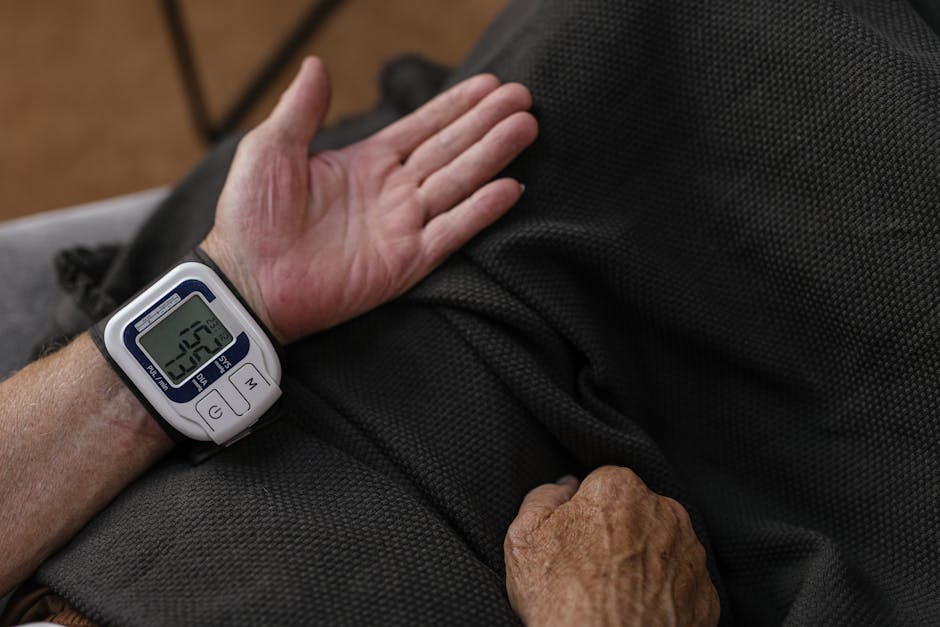
Beyond Steps: Advanced Health Tracking with Smartwatches and Blood Pressure Measurement
The humble wristwatch has undergone a remarkable metamorphosis. Once a mere timekeeping device, it has evolved into a sophisticated personal health companion, with smartwatches at the forefront of this revolution. While sleep tracking, heart rate monitoring, and activity logging have become commonplace, the integration of blood pressure (BP) measurement represents a significant leap forward in accessible and continuous health monitoring. This advanced feature promises to democratize a vital health metric, empowering individuals with real-time insights into their cardiovascular well-being and potentially revolutionizing preventative care and chronic disease management.
Historically, blood pressure monitoring has been confined to clinical settings, requiring specialized equipment and trained professionals. This intermittent approach often misses crucial fluctuations and can provide a limited snapshot of a person’s true cardiovascular health. The advent of smartwatches capable of BP measurement shatters these limitations, offering the potential for continuous, on-demand, and unobtrusive monitoring directly from the wrist. This accessibility is particularly impactful for individuals managing hypertension, those at risk of cardiovascular disease, and anyone seeking a more comprehensive understanding of their body’s vital signs.
The technology behind smartwatch BP measurement is multifaceted and continually evolving. Early iterations and current leading devices often employ a combination of methods. Optical sensors, similar to those used for heart rate monitoring, are frequently utilized. These sensors emit light into the skin and measure the absorption and reflection of that light, which can correlate with blood volume changes in the arteries. By analyzing these subtle variations, algorithms can infer systolic and diastolic blood pressure readings. This method is generally non-invasive, relying on photoplethysmography (PPG) technology.
Another approach involves cuffless oscillometric methods. While traditional BP cuffs inflate and deflate to detect arterial pulsations, some smartwatches simulate this process using miniaturized components. These devices may incorporate small, inflatable air bladders within the watch strap or utilize sophisticated pressure sensors and algorithms to estimate BP without a physical cuff. This often requires a calibration process, where the smartwatch is initially synced with a traditional cuff-based monitor to establish a baseline for personalized readings.
The accuracy of smartwatch BP measurement is a critical area of ongoing research and development. While significant strides have been made, it’s important to acknowledge that these devices are not yet a direct replacement for medical-grade sphygmomanometers. Regulatory bodies like the FDA have begun approving devices for BP measurement, indicating growing confidence in their clinical utility. However, users should understand that readings may have a degree of variability. Factors such as skin temperature, hydration levels, wrist position, and even the tightness of the watch strap can influence accuracy. Therefore, consistent usage protocols, including regular calibration and taking readings in a relaxed state, are crucial for obtaining the most reliable data.
The implications of readily available BP data on smartwatches are far-reaching. For individuals diagnosed with hypertension, continuous monitoring can provide invaluable feedback on the effectiveness of medication and lifestyle changes. They can identify trends, recognize patterns associated with stress or activity, and proactively communicate this data to their healthcare providers. This empowers patients to become more active participants in their treatment, leading to potentially better disease management and reduced risk of complications like stroke and heart attack.
Beyond hypertension, smartwatch BP measurement offers significant potential for early detection and prevention of cardiovascular issues. By tracking BP trends over time, individuals can identify subtle but concerning deviations that might otherwise go unnoticed. This proactive approach can encourage timely medical consultation, leading to earlier diagnosis and intervention for conditions such as prehypertension or masked hypertension. Furthermore, the data can inform lifestyle modifications, such as dietary adjustments or increased physical activity, before significant health problems arise.
The integration of BP data into a broader health ecosystem is another key advantage. Smartwatches typically collect a wealth of information, including heart rate, ECG (electrocardiogram) readings, sleep patterns, activity levels, and even blood oxygen saturation. When BP data is added to this comprehensive dataset, it creates a powerful, holistic view of an individual’s cardiovascular health. This interconnectedness allows for more nuanced insights. For example, a smartwatch might detect an elevated heart rate coinciding with a high BP reading during a stressful period, providing a clearer picture of the body’s physiological response.
The user experience of smartwatch BP measurement is designed for convenience. Typically, taking a reading involves a simple tap on the watch face, followed by a short period of stillness. The results are then displayed on the watch screen and often synced to a companion smartphone app. These apps provide detailed historical data, trend analysis, and the ability to export reports for healthcare professionals. This seamless integration into daily life makes consistent monitoring far more achievable than traditional methods.
However, the widespread adoption and clinical integration of smartwatch BP measurement also present challenges. Data privacy and security are paramount concerns, especially with the sensitive nature of health information. Robust encryption and secure data storage protocols are essential to protect user information. Furthermore, the interpretation of data requires careful consideration. While smartwatches provide valuable insights, they should not be used to self-diagnose or replace professional medical advice. Educating users on the capabilities and limitations of these devices is crucial.
The regulatory landscape is also an evolving area. As more devices gain approval, clear guidelines and standards for accuracy and reliability will continue to be established. This will foster greater trust and encourage broader adoption by both consumers and healthcare providers. The potential for these devices to be used in remote patient monitoring programs and telehealth initiatives is immense, further extending the reach of accessible cardiovascular health care.
Looking ahead, the future of smartwatch BP measurement is incredibly promising. Ongoing research is focused on improving accuracy, reducing the need for frequent calibration, and integrating even more advanced sensor technologies. Innovations such as AI-powered algorithms are being developed to analyze complex patterns in the collected data, offering personalized risk assessments and predictive insights. The potential for smartwatches to detect early signs of cardiovascular events, such as arrhythmias or impending hypertensive crises, is a tangible goal.
The impact on public health could be profound. By empowering individuals with continuous, accessible BP data, smartwatches can contribute to a societal shift towards proactive health management. This could lead to a reduction in the incidence of preventable cardiovascular diseases, lower healthcare costs, and ultimately, improve the quality of life for millions. The journey from a simple timepiece to a sophisticated health guardian has been remarkable, and the integration of blood pressure measurement marks a pivotal moment in the evolution of wearable technology for advanced health tracking.