
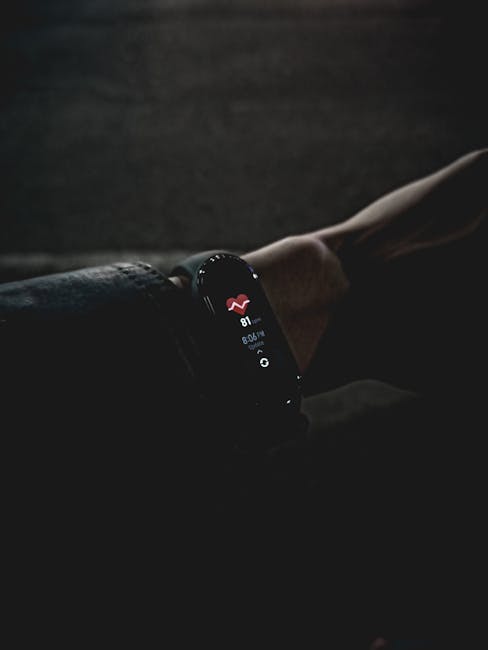
Get Fit Smarter: Unlocking Your Potential with Fitness Bands Featuring Heart Rate Sensors
The modern fitness landscape is no longer solely about pounding the pavement or lifting heavy weights. Today, intelligent technology seamlessly integrates into our wellness journeys, empowering us with data-driven insights to optimize our workouts and understand our bodies like never before. At the forefront of this revolution are fitness bands equipped with advanced heart rate sensors. These seemingly simple wrist-worn devices have evolved into sophisticated personal trainers, offering a wealth of information that can dramatically enhance your fitness routine.
Gone are the days of guessing your exertion levels. A heart rate sensor transforms your fitness band from a mere step counter into a powerful biofeedback tool. By continuously monitoring your heart’s rhythm, these devices provide real-time data on your cardiovascular response to exercise, sleep, and even stress. This granular level of insight allows you to move beyond generic training plans and embrace a smarter, more personalized approach to achieving your health and fitness goals.
Understanding Your Heart Rate Zones: The Foundation of Smart Training
The core benefit of a heart rate sensor lies in its ability to help you identify and train within specific heart rate zones. These zones represent different physiological states and are crucial for targeting different fitness outcomes.
- Zone 1: Very Light (50-60% of Max Heart Rate): This is your recovery zone. Activities here are very low intensity, aiding in active recovery after strenuous workouts and improving circulation. Think gentle walks or stretching.
- Zone 2: Light (60-70% of Max Heart Rate): This is your endurance zone, often referred to as the “fat-burning zone.” Training here builds aerobic capacity, improves cardiovascular health, and enhances your body’s ability to utilize fat for fuel. Brisk walking, light jogging, and cycling are excellent for this zone.
- Zone 3: Moderate (70-80% of Max Heart Rate): This zone is where you build aerobic power and improve your efficiency. Workouts here feel more challenging and contribute to increased stamina and a stronger heart. Moderate-intensity running, swimming, and elliptical training fall into this category.
- Zone 4: Hard (80-90% of Max Heart Rate): This is your anaerobic threshold zone. Training here pushes your body to its limits, improving speed, power, and lactate threshold. High-intensity interval training (HIIT) sessions, sprints, and challenging hill climbs are prime examples.
- Zone 5: Maximum (90-100% of Max Heart Rate): This is your peak effort zone. It’s unsustainable for long periods but is vital for developing maximum power and speed. Short bursts of all-out effort are characteristic of this zone.
Fitness bands with heart rate sensors can display your current heart rate and often indicate which zone you are in, allowing you to adjust your intensity in real-time. This immediate feedback is invaluable for ensuring you’re working effectively towards your specific training goals, whether it’s weight loss, marathon preparation, or simply improving overall cardiovascular health.
Beyond the Workout: Holistic Health Monitoring
The utility of heart rate sensors extends far beyond structured exercise sessions. These devices provide a comprehensive view of your physiological well-being, offering insights into crucial aspects of your health that impact your fitness.
- Resting Heart Rate (RHR): Your RHR, the number of times your heart beats per minute when you are at complete rest, is a powerful indicator of your cardiovascular fitness. A lower RHR generally signifies a stronger, more efficient heart. Most fitness bands track your RHR over time, allowing you to observe trends. A consistently decreasing RHR is a positive sign of improved fitness. Conversely, a sudden spike in RHR might indicate overtraining, stress, or illness.
- Heart Rate Variability (HRV): HRV measures the variation in time between consecutive heartbeats. While it might sound counterintuitive, a higher HRV generally indicates a more adaptable and resilient nervous system, which is crucial for recovery and stress management. Lower HRV can be associated with fatigue, stress, and illness. Many advanced fitness bands now track HRV, providing valuable insights into your body’s readiness to train and its ability to recover.
- Sleep Tracking: Quality sleep is paramount for muscle repair, hormone regulation, and overall recovery. Fitness bands utilize heart rate data, along with movement sensors, to analyze your sleep stages (light, deep, REM) and duration. Understanding your sleep patterns can help you identify factors that disrupt your rest and make adjustments to improve sleep hygiene, ultimately boosting your fitness performance and general well-being.
- Stress Monitoring: Elevated stress levels can negatively impact your training, recovery, and overall health. Some fitness bands use heart rate data, particularly HRV, to estimate your stress levels throughout the day. This awareness allows you to implement stress-reducing techniques like mindfulness, deep breathing exercises, or short breaks when needed, preventing burnout and promoting a more balanced lifestyle.
Choosing the Right Fitness Band with a Heart Rate Sensor
With a plethora of options available, selecting the ideal fitness band can feel overwhelming. Here are key factors to consider:
- Accuracy of Heart Rate Sensor: Look for bands that use optical heart rate sensors, which are the most common and generally reliable for wrist-based measurements. Read reviews and compare accuracy claims from reputable sources.
- Comfort and Fit: You’ll be wearing this device 24/7, so comfort is paramount. Consider the band material, weight, and adjustability.
- Battery Life: Frequent charging can be a nuisance. Assess the battery life based on your usage patterns and desired charging frequency.
- App Ecosystem and Data Analysis: The accompanying app is where you’ll access and interpret your data. Look for an intuitive interface, comprehensive metrics, and useful insights. Consider compatibility with other fitness apps you might use.
- Durability and Water Resistance: If you plan to use your band for swimming or in wet conditions, ensure it has adequate water resistance ratings.
- Additional Features: Beyond heart rate, consider other features that align with your fitness goals, such as GPS for run tracking, SpO2 monitoring, ECG capabilities, or on-wrist notifications.
- Price and Brand Reputation: Set a budget and research brands known for their reliability and customer support.
Integrating Your Fitness Band into Your Routine for Maximum Impact
Simply wearing a fitness band is only the first step. To truly “get fit smarter,” you need to actively engage with the data it provides:
- Set Realistic Goals: Use your baseline data (RHR, resting heart rate trends) to set achievable fitness targets.
- Train in Your Zones: During workouts, pay attention to your heart rate zones and adjust your intensity to match your training objectives.
- Listen to Your Body: Your fitness band is a tool, but your body’s signals are paramount. If you feel overly fatigued, even if your heart rate is in a target zone, it’s okay to adjust or rest.
- Monitor Recovery: Pay attention to your RHR and HRV trends to gauge your recovery status. If your RHR is elevated or your HRV is low, consider a lighter workout or a rest day.
- Analyze Sleep Patterns: Make conscious efforts to improve your sleep based on the data. Consistent, quality sleep is a cornerstone of effective training.
- Track Progress Over Time: Regularly review your historical data to see how far you’ve come. Celebrate your achievements and identify areas for further improvement.
- Consult Professionals: For personalized advice, always consult with a doctor or certified fitness professional.
By embracing the power of fitness bands with heart rate sensors, you empower yourself with the knowledge to train more intelligently, recover more effectively, and gain a deeper understanding of your overall health. This data-driven approach transforms your fitness journey from guesswork into a precise, personalized, and ultimately more rewarding experience.