
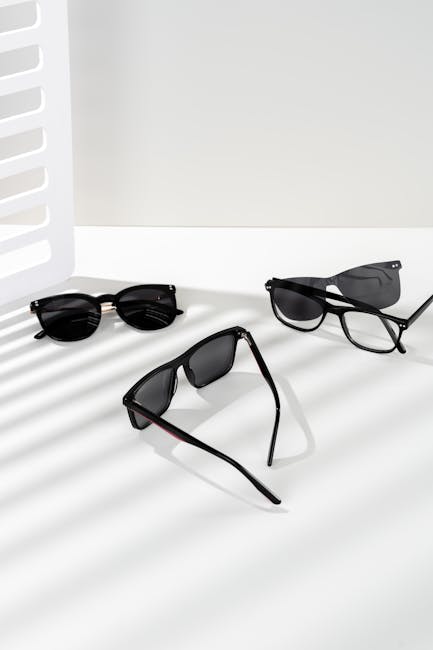
Shade Your Style: The Ultimate Guide to UV Protection Sunglasses
Sunglasses are more than a fashion statement; they are a vital tool for safeguarding your vision. While stylish frames can elevate any outfit, their most crucial function lies in their ability to provide essential protection against the sun’s harmful ultraviolet (UV) radiation. This comprehensive guide delves into the world of UV protection sunglasses, empowering you to make informed choices for both your style and your eye health.
Understanding the Threat: The Invisible Danger of UV Rays
The sun emits a spectrum of light, including visible light, infrared radiation, and ultraviolet (UV) radiation. UV radiation, specifically UVA and UVB rays, can have detrimental effects on our eyes. UVA rays penetrate deep into the skin and eyes, contributing to premature aging and long-term damage like cataracts. UVB rays are more intense and are the primary cause of sunburn, but they also play a significant role in eye damage, including photokeratitis (sunburn of the cornea) and an increased risk of macular degeneration. Prolonged exposure to UV radiation without adequate protection can lead to a range of serious eye conditions, impacting vision and quality of life.
The Crucial Role of UV Protection in Sunglasses
Not all sunglasses offer the same level of protection. The effectiveness of sunglasses is determined by their ability to block UV rays, not necessarily the darkness of the tint. Sunglasses should explicitly state that they offer 100% UV protection or UV 400 protection. This means they block all UVA and UVB rays up to 400 nanometers, which encompasses the entire harmful spectrum. When choosing sunglasses, always look for this labeling on the product tag, sticker, or directly on the lens itself. A dark tint without proper UV filtering can be more dangerous than no sunglasses at all, as it can cause the pupils to dilate, allowing even more harmful UV rays to enter the eye.
Decoding UV Protection Labels: What to Look For
- 100% UV Protection: This is the gold standard. It signifies that the lenses block all harmful UVA and UVB rays.
- UV 400: This label is synonymous with 100% UV protection. It indicates that the lenses block light rays with wavelengths up to 400 nanometers, effectively covering the entire range of damaging UV radiation.
- CE Mark: In Europe, the CE mark indicates compliance with EU safety standards, including UV protection. However, it doesn’t specify the level of UV protection. Always look for additional UV 400 or 100% UV protection labeling alongside the CE mark.
- ANSI Z80.3: This is an American National Standards Institute standard for non-prescription sunglasses and protective eyewear. It ensures a minimum level of UV blocking, but 100% UV protection is always preferable.
Beyond UV Protection: Lens Technologies and Features
While UV protection is paramount, several other lens technologies enhance both vision and comfort:
- Polarized Lenses: These lenses significantly reduce glare from reflective surfaces like water, snow, and roads. They work by filtering out horizontally polarized light, which is responsible for most glare. This is particularly beneficial for activities like driving, fishing, and skiing, improving visual clarity and reducing eye strain.
- Photochromic Lenses: Also known as transition lenses, these lenses automatically darken in bright sunlight and become clear indoors or in low light conditions. They offer convenient, all-day protection without the need to switch between different pairs of glasses.
- Lens Tints: Different lens tints can enhance contrast and improve vision in specific lighting conditions.
- Grey: Reduces brightness without distorting color perception. Ideal for general use and driving.
- Brown/Amber: Enhances contrast and depth perception, particularly in overcast conditions. Good for driving and outdoor sports.
- Green: Offers good contrast and color fidelity. Suitable for a variety of activities.
- Yellow/Orange: Excellent for low-light conditions, increasing contrast and visibility. Often used by skiers and cyclists.
- Rose/Red: Enhances contrast and reduces eye strain in bright conditions. Popular for cycling and running.
- Scratch-Resistant Coatings: While not directly related to UV protection, these coatings enhance the durability and longevity of your lenses, keeping them clear and functional.
- Anti-Reflective Coatings: Applied to the back surface of the lens, this coating reduces distracting reflections, improving clarity and reducing eye fatigue.
Choosing the Right Frame for Optimal Protection
The frame of your sunglasses plays a crucial role in their protective capabilities. A well-designed frame will minimize the amount of UV light that can enter your eyes from the sides, top, and bottom.
- Wraparound Styles: These frames curve around your face, offering superior peripheral protection by blocking UV rays from entering from the sides. They are ideal for outdoor activities where you’re exposed to intense sunlight.
- Larger Lenses: Sunglasses with larger lenses provide a wider field of vision and greater coverage, effectively shielding more of your eye area from UV exposure.
- Close-Fitting Frames: Frames that sit close to your face minimize the gap between the lens and your skin, further reducing the intrusion of UV light.
- Material Matters: While not directly impacting UV protection, frame materials influence comfort and durability. Options include acetate (durable and colorful), metal (lightweight and adjustable), and nylon (flexible and impact-resistant).
Sunglasses for Specific Activities and Lifestyles
The best sunglasses for you will depend on your intended use and personal preferences.
- Driving: Polarized lenses are highly recommended to reduce glare from roads and other vehicles. Grey or brown tints are ideal for maintaining true color perception. Wraparound styles offer excellent peripheral protection.
- Water Sports (Boating, Fishing, Beach): Polarized lenses are essential for cutting through glare from water surfaces. Look for frames that are lightweight, buoyant, or have secure straps to prevent them from falling off. Hydrophobic coatings can repel water, keeping lenses clear.
- Snow Sports (Skiing, Snowboarding): Photochromic lenses are excellent for adapting to changing light conditions on the slopes. Yellow or orange tints can enhance contrast in snowy environments. Wraparound styles offer maximum protection against wind and glare.
- Running and Cycling: Lightweight, secure-fitting frames with good ventilation are crucial. Lenses that enhance contrast and reduce eye strain, such as rose or brown tints, are beneficial.
- Everyday Wear: For general daily use, prioritize 100% UV protection. Choose a style that complements your face shape and personal aesthetic.
Children and Sunglasses: Protecting Developing Eyes
Children’s eyes are particularly vulnerable to UV damage because their pupils are larger, and their eye lenses are clearer, allowing more UV radiation to reach the retina. It’s crucial to instill good eye protection habits from a young age. Ensure children’s sunglasses offer 100% UV protection, fit comfortably, and are durable enough to withstand active play. Consider brightly colored frames and flexible materials for younger children.
Maintaining Your UV Protection Sunglasses
Proper care ensures your sunglasses continue to provide optimal protection and longevity.
- Cleaning: Use a soft microfiber cloth to gently wipe your lenses. Avoid abrasive materials or harsh chemicals that can damage lens coatings. A mild soap and water solution can be used for more stubborn dirt, followed by a gentle rinse and dry with a microfiber cloth.
- Storage: When not in use, store your sunglasses in a protective case to prevent scratches and damage.
- Inspection: Periodically inspect your sunglasses for any signs of damage, such as loose screws, bent frames, or scratched lenses. Damaged sunglasses may not provide adequate UV protection.
The Long-Term Benefits of Consistent UV Protection
Investing in high-quality UV protection sunglasses is an investment in your long-term eye health. By consistently wearing them whenever you are exposed to sunlight, you significantly reduce your risk of developing:
- Cataracts: Clouding of the eye’s lens, which can impair vision.
- Macular Degeneration: Damage to the central part of the retina, leading to loss of central vision.
- Pterygium: A fleshy growth on the surface of the eye.
- Photokeratitis: A painful, temporary condition caused by overexposure of the cornea to UV light.
When to Seek Professional Advice
If you have specific eye conditions, are sensitive to light, or are unsure about the best sunglasses for your needs, consult an optometrist or ophthalmologist. They can provide personalized recommendations based on your eye health and lifestyle.
By understanding the importance of UV protection and making informed choices about your sunglasses, you can confidently embrace the outdoors while safeguarding your precious vision. Shade your style, and protect your sight.