
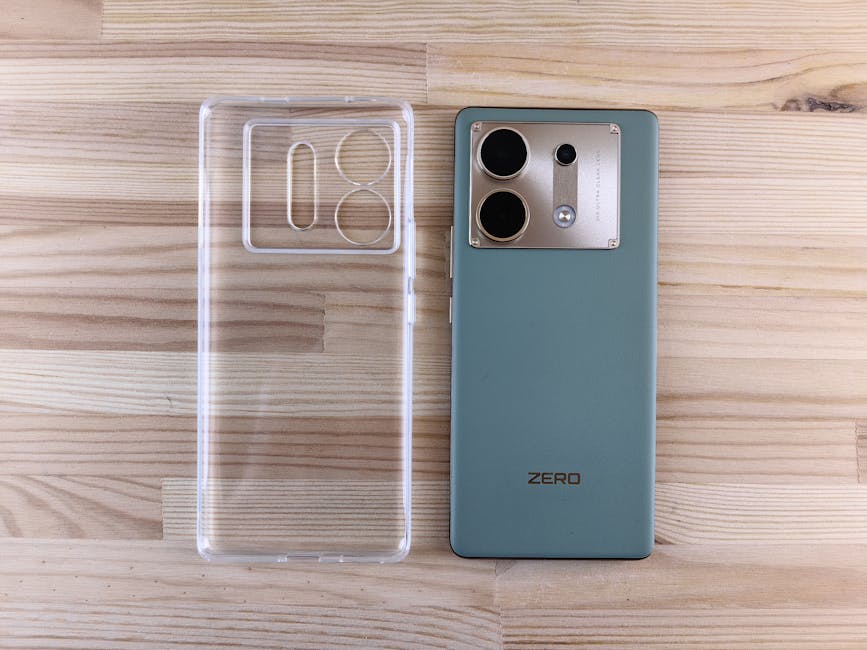
Unleash Your Inner Photographer: Mobile Phones Under ₹15,000 with Pro-Level Cameras
The dream of capturing stunning, professional-quality photographs is no longer confined to bulky DSLRs and expensive lenses. Today, the power to create breathtaking visuals resides in your pocket, thanks to the incredible advancements in smartphone camera technology. For budget-conscious photography enthusiasts, the sub-₹15,000 segment has become a treasure trove, offering devices that punch well above their weight class, delivering features and image quality that rival much pricier alternatives. This guide delves deep into the best mobile phones under ₹15,000 that empower you to unleash your inner photographer, offering pro-level camera capabilities without breaking the bank.
Understanding the Pillars of Pro-Level Mobile Photography:
Before diving into specific devices, it’s crucial to understand what makes a mobile camera “pro-level” within this budget. Several key factors contribute to exceptional image output:
- Sensor Size and Megapixels: While megapixels aren’t everything, a larger sensor size allows for more light capture, leading to better low-light performance and dynamic range. Higher megapixel counts, when paired with good processing, can offer finer detail and cropping flexibility.
- Aperture (f-stop): A wider aperture (lower f-number, e.g., f/1.8) lets in more light, crucial for low-light shots and achieving a pleasing background blur (bokeh) for portrait photography.
- Image Stabilization (OIS/EIS): Optical Image Stabilization (OIS) physically compensates for hand shake, resulting in sharper photos and smoother videos, especially in challenging lighting. Electronic Image Stabilization (EIS) uses software to achieve a similar effect, though OIS is generally superior.
- Lens Quality and Versatility: The quality of the lenses used significantly impacts sharpness, color accuracy, and distortion. Beyond the main sensor, the inclusion of ultrawide, telephoto, or macro lenses adds immense creative potential.
- Image Signal Processor (ISP) and Software Algorithms: The ISP and the underlying software are the unsung heroes. They process raw data from the sensor, optimize colors, reduce noise, enhance details, and enable features like Night Mode, HDR, and AI scene detection.
- RAW Capture: For advanced users, the ability to shoot in RAW format provides maximum flexibility in post-processing, allowing for extensive adjustments to exposure, white balance, and color without significant quality loss.
Top Contenders: Mobile Phones Under ₹15,000 with Exceptional Cameras:
The market is dynamic, with new models constantly emerging. However, based on current trends and consistent performance, these devices consistently stand out for their camera prowess in the sub-₹15,000 bracket:
1. Realme Narzo Series (e.g., Narzo 60 Pro 5G – often dips below ₹15,000 during sales):
Realme has been a consistent performer in the budget segment, and the Narzo series often brings surprisingly capable camera hardware. Look for models featuring a high-megapixel primary sensor (often 108MP or more), which, when combined with Realme’s image processing, can deliver detailed and vibrant shots in good lighting. The inclusion of an ultrawide lens is common, adding versatility for landscape and architectural photography. While OIS might be a rarity at this price point, EIS is usually present for video. The software often includes AI scene recognition and a dedicated Night Mode that can significantly brighten and clarify low-light images.
- Key Camera Strengths: High megapixel count for detail, good daylight performance, decent ultrawide capabilities, effective AI scene optimization.
- Considerations: Low-light performance can be inconsistent without OIS, digital zoom can quickly degrade quality.
2. Redmi Note Series (e.g., Redmi Note 13 5G):
Xiaomi’s Redmi Note series is a perennial favorite, and the camera capabilities have seen a steady upgrade. Models in this range often boast a primary sensor with a good megapixel count (e.g., 108MP) and a reasonably wide aperture, enabling decent light gathering. What sets Redmi apart is often its software optimization, delivering punchy colors and good dynamic range. The inclusion of an ultrawide lens and a macro lens provides more shooting options. Their AI algorithms are adept at identifying scenes and applying appropriate adjustments, making it easy for users to get good results straight out of the camera.
- Key Camera Strengths: Excellent daylight and well-lit indoor shots, good color reproduction, versatile lens setup (including macro), effective AI enhancements.
- Considerations: Low-light performance can be a step behind pricier phones, especially in terms of noise reduction.
3. Samsung Galaxy M Series (e.g., Galaxy M34 5G):
Samsung’s Galaxy M series often prioritizes battery life, but its camera performance has been steadily improving. The M34 5G, for instance, often features a high-resolution primary sensor (e.g., 50MP with OIS) which is a significant advantage at this price. OIS is a game-changer for low-light photography and steady video recording. Samsung’s image processing tends to produce natural-looking colors with good detail. The inclusion of an ultrawide lens and a macro lens adds to the overall photographic versatility. Their software also offers various shooting modes and filters for creative expression.
- Key Camera Strengths: Optical Image Stabilization (OIS) for sharper shots and steadier videos, natural color science, good detail in various lighting conditions.
- Considerations: Ultrawide and macro lenses might not be as high-quality as the primary sensor, software features can sometimes be less aggressive than competitors.
4. Poco X Series (e.g., Poco X6 Neo 5G):
Poco, a sub-brand of Xiaomi, often focuses on delivering performance and value. The Poco X series, while known for its gaming prowess, also packs surprisingly capable camera systems for its price. Look for models with a high-megapixel primary sensor and a decent aperture. Poco’s image processing often leans towards vibrant and punchy colors, which can be appealing for social media sharing. The inclusion of an ultrawide lens is a standard feature, and some models might even offer a dedicated macro lens for close-up shots.
- Key Camera Strengths: Vibrant and punchy colors, good detail in daylight, decent ultrawide performance.
- Considerations: Low-light performance can be a weak point, digital zoom quality is often limited.
Beyond the Hardware: Optimizing Your Mobile Photography:
Even with a great camera phone, mastering your photography skills is essential. Here’s how to get the most out of your sub-₹15,000 device:
- Master the Light: Photography is all about light. Shoot during the “golden hours” (shortly after sunrise and before sunset) for soft, warm light. Avoid harsh midday sun which can create blown-out highlights and deep shadows.
- Composition is Key: Learn the rule of thirds, leading lines, symmetry, and framing to create visually appealing images. Experiment with different angles and perspectives.
- Utilize Native Camera App Features: Explore your phone’s camera app thoroughly. Understand modes like Portrait, Night Mode, Pro Mode (if available for manual control), and HDR.
- Clean Your Lens: A smudged lens is the enemy of sharp photos. Make it a habit to wipe your lens with a microfiber cloth before shooting.
- Focus and Exposure: Tap on your subject to ensure it’s in focus. Most phones allow you to adjust exposure by sliding your finger up or down after focusing.
- Embrace Post-Processing: Even a few simple edits can elevate your photos. Use built-in editing tools or free apps like Snapseed or Adobe Lightroom Mobile to adjust brightness, contrast, saturation, and sharpness.
- Experiment with Different Lenses: If your phone has ultrawide, telephoto, or macro lenses, don’t be afraid to use them. Each offers a unique perspective and creative opportunity.
- Shoot in RAW (if available): For maximum editing flexibility, if your phone supports RAW capture, use it. You’ll need to process these files later using editing software.
- Understand Your Limitations: While these phones offer impressive cameras, they won’t replace dedicated professional equipment. Be realistic about their capabilities, especially in extreme low light or when extreme zoom is required.
Future-Proofing Your Purchase:
When choosing a phone in this price range, consider:
- Software Updates: Look for brands with a good track record of providing timely software and security updates, as these often include camera improvements.
- User Reviews: Read reviews from other users who specifically focus on camera performance to get a real-world perspective.
- Sales and Offers: The sub-₹15,000 bracket is highly competitive, and significant discounts are common during festive seasons and online sales events.
The journey to becoming a better photographer starts with the right tools. With the incredible advancements in mobile camera technology, the ₹15,000 price point offers a fantastic opportunity to capture your world with stunning detail and artistic flair. By understanding the technology, choosing wisely, and honing your skills, you can truly unleash your inner photographer.