Description: Find the top-rated air purifiers under ₹20,000 in India. Expert analysis on CADR, HEPA filters, and smart features for clean, safe air in your home.
🚨 Introduction: Why Indoor Air Quality is India’s New Health Priority
For millions of Indians, air pollution is an inescapable reality. While we can’t control the smog blanketing Delhi or the industrial emissions near Mumbai, we can control the air we breathe inside our homes. Data from the Central Pollution Control Board (CPCB) consistently shows that air quality in major Indian cities—especially in the Indo-Gangetic Plain like Delhi, Lucknow, and Varanasi—remains in the ‘Very Poor’ or ‘Severe’ categories, peaking during the winter inversion.
Even in comparatively better cities like Bengaluru and Chennai, the Air Quality Index (AQI) often hovers above the safe limits prescribed by the World Health Organization (WHO).
This is why an Air Purifier under ₹20,000 has transitioned from a luxury purchase to a non-negotiable health investment for the average Indian household. The ₹20,000 bracket is the sweet spot, offering the perfect blend of essential features, genuine True HEPA filtration, and adequate coverage area without the exorbitant price tag of premium, niche brands. This comprehensive guide will equip you with the expert knowledge needed to select a powerful, efficient, and reliable air purifier that guarantees clean air for your family.
🔬 Section 1: The Core Science – Metrics That Truly Matter
Before looking at models, it’s critical to understand the specifications. Ignoring these can lead to buying an ineffective machine for your room size.
Understanding CADR: Clean Air Delivery Rate
The Clean Air Delivery Rate (CADR) is the most crucial metric. It measures the volume of clean air (in cubic meters per hour, m3/h) that the purifier delivers.
- Rule of Thumb: A higher CADR means the purifier can clean a larger room faster.
- The AHAM Recommendation (Adapted for India): For effective air cleaning, the CADR should be at least two-thirds (2/3) of the room’s area in square feet. However, due to the severely high baseline pollution in many Indian cities, aiming for a CADR that cleans the room’s air five times per hour (ACH 5) is advisable.
- Target CADR for ₹20K Segment: In this price range, look for a minimum Particulate CADR of 300 m3/h or higher. This rate is ideal for a standard Indian bedroom (around 300 sq. ft.) and offers the rapid cleaning power needed during smog spikes.
Room Coverage Area: Matching Power to Space
Manufacturers provide a recommended coverage area (in square feet). This number is directly linked to the CADR.
- The Reality Check: Always assume the manufacturer’s stated coverage area is for a low pollution level. If you live in a high-pollution zone (like the NCR), reduce the recommended coverage area by 20-30% to ensure the purifier works effectively.
- Example: A purifier marketed for 400 sq. ft. is realistically best suited for a 280-320 sq. ft. room in Delhi during winter.
- Actionable Insight: Do not buy an underpowered machine for a large space. It will run on maximum fan speed constantly, leading to excessive noise and short filter life.
⚙️ Section 2: Filtration Technology – The Heart of the Air Purifier
The efficacy of an air purifier hinges on its filtration system. A reputable air purifier under ₹20K will feature a robust multi-stage filtration system.
The Essential Three-Stage Filtration
The industry standard for effective purification involves a stack of three distinct filters:
- Pre-Filter:
- Function: Captures large particles like dust, hair, and pet dander. This filter is often washable or easy to vacuum, protecting the costlier HEPA filter below it.
- True HEPA Filter (High-Efficiency Particulate Air):
- Function: This is the most crucial component. A True HEPA filter is certified to remove 99.97% of airborne particles as small as 0.3 microns (0.3 μm). This includes fine particulate matter (PM2.5), pollen, mold spores, and bacteria.
- Why True HEPA is a Power Word: Avoid filters labelled “HEPA-type” or “HEPA-like,” which do not meet the strict efficiency standard. Always confirm it is a True HEPA H13 Grade filter for maximum safety against the dangerous PM2.5 that penetrates deep into the lungs.
- Activated Carbon Filter:
- Function: The carbon filter, often paired with the HEPA filter, is made of highly porous material designed to absorb odors, harmful gases, and Volatile Organic Compounds (VOCs) like formaldehyde and benzene.
- Relevance for Indian Homes: This is vital for filtering out kitchen smells, smoke from incense sticks/mosquito coils, and traffic fumes that seep indoors.
Next-Generation Technologies (Bonus Features)
In the sub-₹20K segment, some premium models also offer supplemental technologies:
- PlasmaCluster/Ionizer: Releases positive and negative ions to clean the air. Caution: Some older or cheaper ionizers can produce small amounts of ozone, a respiratory irritant. Always ensure the device is Ozone-free certified.
- UV-C Sterilisation: Uses ultraviolet light to destroy bacteria and viruses trapped on the filter surface. This adds an extra layer of protection, particularly important in densely populated areas.
💸 Section 3: The True Cost – Maintenance and Long-Term Value
An air purifier’s initial cost is only half the equation. The hidden costs of filter replacement and electricity consumption can quickly add up.
Filter Life and Replacement Costs
This is the most critical financial consideration for an Indian buyer.
- Filter Lifespan: Expect HEPA and Carbon filters to last anywhere from 2,000 to 8,500 working hours (roughly 6 to 18 months), depending on the model and, crucially, your local pollution level. In a city with an AQI consistently above 250, your filter life will be closer to the lower estimate.
- Replacement Cost: Replacement filters for popular brands in the sub-₹20K range typically cost between ₹1,500 and ₹5,000.
- The Coway Case Study: Coway models are often cited for having a longer filter life (up to 8,500 hours/2.5 years), which, despite a slightly higher initial unit cost, results in a significantly lower Total Cost of Ownership (TCO) over five years. Always check the annual filter expenditure before buying.
Energy Efficiency and Operational Noise
- Noise Level (Decibels): For bedroom use, look for models with a ‘Sleep Mode’ noise level below 30-35 dB. A purifier running constantly at 55 dB (the sound of a normal conversation) can seriously disrupt sleep. The best purifiers offer a high CADR with low noise levels.
- Power Consumption: Most good air purifiers consume between 30-60 Watts at medium speed. This is comparable to a ceiling fan. Given the high usage (often 12-24 hours a day), the power consumption is generally very low and should not be a major deterrent.
🥇 Section 4: Handpicked Air Purifier Recommendations under 20K
Based on performance metrics (CADR), long-term filter cost, and smart features relevant to the Indian market, here are the top choices in this budget category.
Top Performers (Best All-Rounders)
| Model Name | Key Feature | CADR (Approximate) | Coverage Area (Safe Estimate) | Replacement Filter Cost (Approx.) |
| Xiaomi Smart Air Purifier 4 | Best Smart Integration (App/Voice Control) | 400 m3/h | Up to 430 sq. ft. | ~₹3,000 |
| Coway Airmega 150 | Longest Filter Life (Low TCO) | 300 m3/h | Up to 355 sq. ft. | ~₹4,500 (But lasts longer) |
| Philips AC1711/63 | Quiet Operation for Bedroom (AC Series) | 300 m3/h | Up to 380 sq. ft. | ~₹3,500 |
Smart Features and User Experience
In this price range, you get access to smart functionality, which is a genuine convenience:
- Wi-Fi Connectivity & App Control: Allows you to monitor air quality, change fan speed, and set timers remotely using a smartphone app (e.g., Mi Home, Philips Clean Home+). This is extremely useful for starting the purifier on your way home, ensuring clean air upon arrival.
- Digital PM2.5 Display: Most models feature a sensor and a screen that displays the real-time PM2.5 concentration and AQI. This immediate, visual feedback gives you confidence in the device’s performance.
- Auto Mode: The device automatically adjusts fan speed based on the detected air quality, optimizing filter life and power consumption. This is the most effortless way to run your purifier.
Expert Tip: If you live in a large, open-plan living room (e.g., a 2BHK living-dining space), consider buying two mid-CADR purifiers (like two Honeywell Air Touch V4s) instead of one single high-CADR machine. This distributes the cleaning power more evenly across the large area, preventing ‘clean air bubbles’.
❓ Section 5: Answering User Questions and Common Myths
Is an Air Purifier Necessary if I Have Air Conditioning?
- No, they serve different functions. An Air Conditioner (AC) cools or heats the air and removes some humidity. While some premium ACs have basic filters, they do not contain True HEPA filters and cannot effectively remove fine particulate matter (PM2.5), viruses, or VOCs. An air purifier is a dedicated health device for fine particle removal.
What About Plasma/Ionizer Technology? Are They Safe?
- Technologies like ionizers can help precipitate particles, aiding the filter. However, if the device is not certified Ozone-free, it can potentially release ozone, which is an irritant. For maximum safety, always prioritize the True HEPA filter over these secondary features. Reputable brands like Philips and Coway use safe, low-ozone technologies.
Does the Filter Get More Efficient Over Time?
- Partially True: As the filter collects particles, the gaps become smaller, technically increasing the immediate capture efficiency of some particles. However, this simultaneously clogs the filter, drastically reducing airflow and CADR. This loss of airflow far outweighs the minor efficiency gain, which is why regular replacement is essential for maintaining the quoted CADR performance.
Can an Air Purifier Stop Viruses?
- Yes, a True HEPA H13 filter is highly effective. While viruses are smaller than 0.3 μm, they often travel by clinging to larger respiratory droplets (aerosols), which are easily captured by the HEPA filter. Purifiers with UV-C or high-efficiency HEPA are excellent supplementary tools in the fight against airborne pathogens.
🥇 Conclusion: Investing in the Breath of Life
The decision to buy an Air Purifier under ₹20K is one of the wisest health choices you can make in the current Indian environment. This budget segment offers genuine purification power, featuring reliable True HEPA H13 filtration, smart connectivity, and sufficient CADR to protect your bedrooms and living areas.
Focus your selection not just on the initial price, but on the three pillars of value: High CADR for your room size, True HEPA certification for health safety, and a reasonable long-term filter replacement cost. By prioritizing these features, you ensure that your investment pays dividends in the form of better sleep, reduced allergies, and a healthier, cleaner habitat for your family.
The time to act is now. Take control of your indoor environment and experience the transformative power of clean air.
✍️ Compelling Call to Action
Ready to safeguard your home’s air quality? Check your room size, compare the CADR of our recommended Air Purifiers under 20K, and make the smartest health decision today!
Qubo Q200 Smart Air Purifier for bedroom by Hero Group| Up to 200 SqFt| True HEPA H13|Removes 99.99% Dust, Allergens, Smoke, Virus & PM2.5|150 m³/h CADR|5-Stage Filter|App Control|9000 Hrs Filter Life
₹6,948.00 (as of September 19, 2026 18:50 GMT +05:30 - More infoProduct prices and availability are accurate as of the date/time indicated and are subject to change. Any price and availability information displayed on [relevant Amazon Site(s), as applicable] at the time of purchase will apply to the purchase of this product.)
Jafanda JF068 Air Purifier for Home & Bedroom up to 650 Ft², H13 True HEPA Filter, Traps 99.97% of Smoke, Pollen & Dust Particles, Activated Carbon, 20dB Quiet Sleep Mode, 5-Year Warranty
₹4,900.00 (as of September 19, 2026 18:50 GMT +05:30 - More infoProduct prices and availability are accurate as of the date/time indicated and are subject to change. Any price and availability information displayed on [relevant Amazon Site(s), as applicable] at the time of purchase will apply to the purchase of this product.)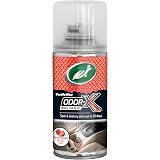
Turtle Wax Odor-X Whole Car Blast Strawberry 100ml | Odor Eliminator & Air Freshener | Removes Smoke, Food & Pet Odors | Long-Lasting Car Interior Freshener
₹799.00 (as of September 19, 2026 18:50 GMT +05:30 - More infoProduct prices and availability are accurate as of the date/time indicated and are subject to change. Any price and availability information displayed on [relevant Amazon Site(s), as applicable] at the time of purchase will apply to the purchase of this product.)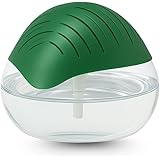
Fragair Other Portable Room Air Purifier Aroma Diffuser Or Humidifier Revitalizer, 500 Ml, Green
₹999.00 (as of September 19, 2026 18:50 GMT +05:30 - More infoProduct prices and availability are accurate as of the date/time indicated and are subject to change. Any price and availability information displayed on [relevant Amazon Site(s), as applicable] at the time of purchase will apply to the purchase of this product.)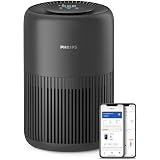
Philips -Air Purifier 900 Series, HEPA NanoProtect + Active Carbon Filter, CADR 250m³/h for 65m² Allergy Sufferers, Quiet, Intelligent and Energy Efficient (AC0951/13)
₹11,740.00 (as of September 19, 2026 18:50 GMT +05:30 - More infoProduct prices and availability are accurate as of the date/time indicated and are subject to change. Any price and availability information displayed on [relevant Amazon Site(s), as applicable] at the time of purchase will apply to the purchase of this product.)
LINSO Smart Air Purifier for Home & Office | Compact Indoor Air Cleaner for Bedroom, Workspace & Living Room | Multi Color
Now retrieving the price.
(as of September 19, 2026 18:50 GMT +05:30 - More infoProduct prices and availability are accurate as of the date/time indicated and are subject to change. Any price and availability information displayed on [relevant Amazon Site(s), as applicable] at the time of purchase will apply to the purchase of this product.)
LINSO Premium HEPA Air Purifier for Home & Office | Removes Dust, Smoke, Pollen, Pet Dander & Odors | Quiet Sleep Mode | Covers Large Rooms
Now retrieving the price.
(as of September 19, 2026 18:50 GMT +05:30 - More infoProduct prices and availability are accurate as of the date/time indicated and are subject to change. Any price and availability information displayed on [relevant Amazon Site(s), as applicable] at the time of purchase will apply to the purchase of this product.)
VIBEVISTA Portable Air Purifier for Home & Office, 360° Air Intake, Quiet Operation, Compact Desktop Air Cleaner for Bedroom, Living Room, Office & Small Rooms, White
₹1,999.00 (as of September 19, 2026 18:50 GMT +05:30 - More infoProduct prices and availability are accurate as of the date/time indicated and are subject to change. Any price and availability information displayed on [relevant Amazon Site(s), as applicable] at the time of purchase will apply to the purchase of this product.)
Reffair AX50 Car Air Purifier with Plasma Ionizer & UVC Light H13 True HEPA Filter | 2.5x Powerful Airflow | Slim 6.5cm Base Fits All Cars | Patented Model | Ambient Light (Black)
₹3,308.00 (as of September 19, 2026 18:50 GMT +05:30 - More infoProduct prices and availability are accurate as of the date/time indicated and are subject to change. Any price and availability information displayed on [relevant Amazon Site(s), as applicable] at the time of purchase will apply to the purchase of this product.)
Qubo Q500 Smart Air Purifier for bedroom by Hero Group| Up to 500 SqFt| True HEPA H13|Removes 99.99% Dust, Allergens, Smoke, Virus & PM2.5|380 m³/h CADR|5-Stage Filter|App Control|9000 Hrs Filter Life
₹10,899.00 (as of September 19, 2026 18:50 GMT +05:30 - More infoProduct prices and availability are accurate as of the date/time indicated and are subject to change. Any price and availability information displayed on [relevant Amazon Site(s), as applicable] at the time of purchase will apply to the purchase of this product.)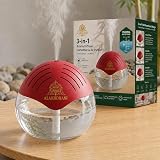
ALAKHDHANI 3-in-1 Aroma Diffuser, Humidifier & Air Purifier | Ultrasonic Cool Mist Humidifier for Home, Bedroom, Office, Spa | Red
₹999.00 (as of September 19, 2026 18:50 GMT +05:30 - More infoProduct prices and availability are accurate as of the date/time indicated and are subject to change. Any price and availability information displayed on [relevant Amazon Site(s), as applicable] at the time of purchase will apply to the purchase of this product.)
LINSO Portable Air Purifier for Home & Office | Compact Indoor Air Cleaner for Bedroom, Living Room, Study Desk & Workspace | Multi Color
Now retrieving the price.
(as of September 19, 2026 18:50 GMT +05:30 - More infoProduct prices and availability are accurate as of the date/time indicated and are subject to change. Any price and availability information displayed on [relevant Amazon Site(s), as applicable] at the time of purchase will apply to the purchase of this product.)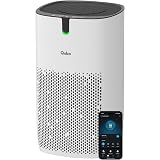
Qubo Q400 Smart Air Purifier for bedroom by Hero Group| Up to 400 SqFt| True HEPA H13|Removes 99.99% Dust, Allergens, Smoke, Virus & PM2.5|330 m³/h CADR|5-Stage Filter|App Control|9000 Hrs Filter Life
₹8,987.00 (as of September 19, 2026 18:50 GMT +05:30 - More infoProduct prices and availability are accurate as of the date/time indicated and are subject to change. Any price and availability information displayed on [relevant Amazon Site(s), as applicable] at the time of purchase will apply to the purchase of this product.)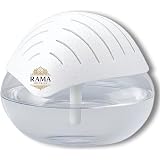
Rama Emporium 3-in-1 Air Purifier Aroma Diffuser & Air Humidifier with 1500 ml Water Tank (White) Portable Electric Revitalizer for Fresh Air & Fragrance | Ideal for Home, Office, Bedroom & Spa
₹869.00 (as of September 19, 2026 18:50 GMT +05:30 - More infoProduct prices and availability are accurate as of the date/time indicated and are subject to change. Any price and availability information displayed on [relevant Amazon Site(s), as applicable] at the time of purchase will apply to the purchase of this product.)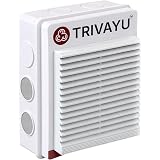
Trivayu HEPA Air Purifier | 3-Stage Filtration | Removes PM2.5, PM10, Dust, Smoke & Pet Dander | Silent Air Cleaner for Home & Office
₹1,499.00 (as of September 19, 2026 18:50 GMT +05:30 - More infoProduct prices and availability are accurate as of the date/time indicated and are subject to change. Any price and availability information displayed on [relevant Amazon Site(s), as applicable] at the time of purchase will apply to the purchase of this product.)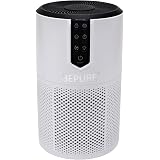
Bepure FLO 01 Air Purifier with True HEPA H13 Filtration| Area Upto 250 sq ft | Best for Bedroom & Offices |Removes 99.97% pollutants by 3 Stage Filtration| Child Lock provided for convenience
₹2,499.00 (as of September 19, 2026 18:50 GMT +05:30 - More infoProduct prices and availability are accurate as of the date/time indicated and are subject to change. Any price and availability information displayed on [relevant Amazon Site(s), as applicable] at the time of purchase will apply to the purchase of this product.)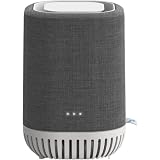
Autodrome Air Purifier for Car and Home with Hepa Filter | Up to 6 Hours Battery | 6 + 6 Months Warranty | Portable & Rechargeable | Ionizer Air Purifier with 2-Step Purification
₹1,915.00 (as of September 19, 2026 18:50 GMT +05:30 - More infoProduct prices and availability are accurate as of the date/time indicated and are subject to change. Any price and availability information displayed on [relevant Amazon Site(s), as applicable] at the time of purchase will apply to the purchase of this product.)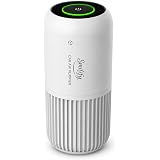
Smilify® Portable Car Air Purifier with HEPA 13 Filter | Air Quality Sensor with 3 Way Light Indicator | Plasma Ionizer | UVC Light | USB Powered | 365 Days Warranty
₹1,999.00 (as of September 19, 2026 18:50 GMT +05:30 - More infoProduct prices and availability are accurate as of the date/time indicated and are subject to change. Any price and availability information displayed on [relevant Amazon Site(s), as applicable] at the time of purchase will apply to the purchase of this product.)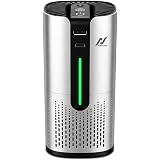
NexLev Car Air Purifier | CAP-05 Air Purifier For Living Room with H13 HEPA Filter, Activated Carbon, Negative Ion Generator & 360° Air Intake, USB Type-C, Removes PM 2.5 & PM 10
₹2,649.00 (as of September 19, 2026 18:50 GMT +05:30 - More infoProduct prices and availability are accurate as of the date/time indicated and are subject to change. Any price and availability information displayed on [relevant Amazon Site(s), as applicable] at the time of purchase will apply to the purchase of this product.)