
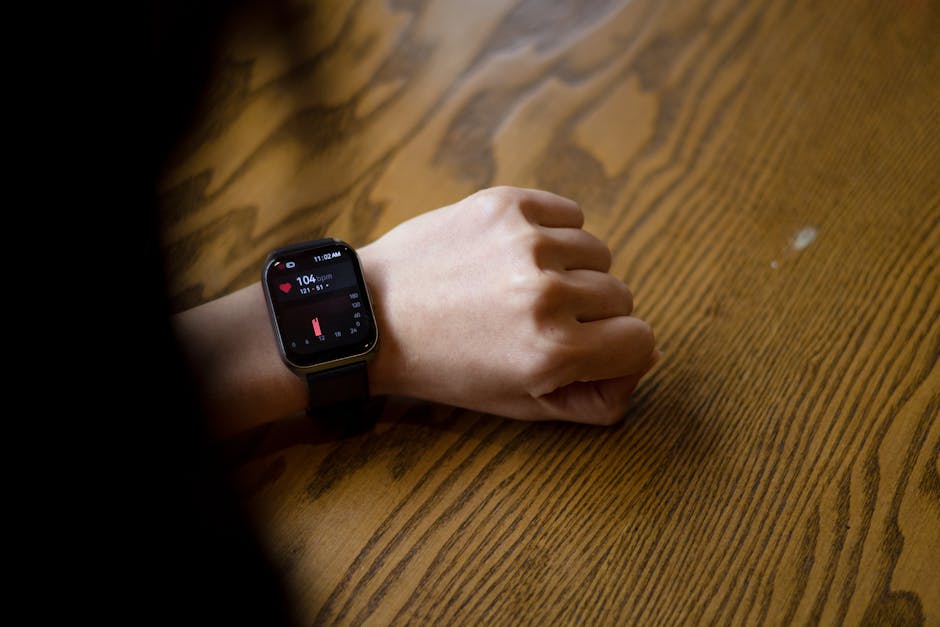
Monitor Your Health: Top Smartwatches with BP & Heart Rate Features
In the ever-evolving landscape of personal health technology, smartwatches have emerged as indispensable tools for proactive well-being management. Beyond simply telling time and displaying notifications, these wearable devices are increasingly incorporating sophisticated sensors capable of monitoring vital health metrics like blood pressure (BP) and heart rate. This detailed exploration delves into the top smartwatches offering these crucial features, empowering users to gain deeper insights into their cardiovascular health and make informed lifestyle choices.
Understanding the Significance of BP and Heart Rate Monitoring
Both blood pressure and heart rate are fundamental indicators of cardiovascular health. Elevated blood pressure, or hypertension, is a silent killer, significantly increasing the risk of heart disease, stroke, and kidney problems. Regular monitoring allows for early detection and management. Similarly, heart rate, the number of times your heart beats per minute, provides insights into your fitness level, stress, and potential cardiac anomalies. Fluctuations outside the normal range can signal underlying issues requiring medical attention.
The Rise of Wearable BP Monitoring
Historically, blood pressure monitoring required bulky cuffs and manual readings. However, advancements in sensor technology have paved the way for cuffless BP measurement directly from the wrist. While not a replacement for clinical-grade sphygmomanometers, these wearable solutions offer convenient, continuous, and trend-based tracking, enabling users to identify patterns and alert them to potential deviations.
Key Features to Look For in BP & Heart Rate Smartwatches:
When selecting a smartwatch for health monitoring, several factors are paramount:
- Accuracy: While wearable BP technology is still maturing, prioritize devices with a proven track record for accuracy and FDA clearance or similar regulatory approvals where applicable.
- Continuous Monitoring: The ability to track BP and heart rate throughout the day and night provides a comprehensive picture of your cardiovascular activity.
- Data Visualization & Trends: User-friendly apps that present data clearly, highlighting trends, averages, and deviations, are crucial for understanding your health.
- ECG Capability: Some smartwatches offer electrocardiogram (ECG) functionality, which can detect signs of atrial fibrillation (AFib), a common and potentially serious irregular heartbeat.
- Other Health Metrics: Look for devices that also track other relevant metrics such as SpO2 (blood oxygen saturation), sleep patterns, stress levels, and activity tracking for a holistic view.
- Battery Life: Continuous monitoring can be power-intensive. Adequate battery life ensures uninterrupted tracking.
- Comfort and Design: As a device worn daily, comfort, style, and durability are important considerations.
- App Integration & Ecosystem: Seamless integration with smartphone health apps and compatibility with other health platforms enhance the user experience.
Top Smartwatches with Advanced BP and Heart Rate Features:
The market offers a growing selection of smartwatches that excel in cardiovascular monitoring. Here are some of the leading contenders:
1. Samsung Galaxy Watch Series (e.g., Galaxy Watch 6, Galaxy Watch 5 Pro)
Samsung has consistently been at the forefront of wearable health technology. Their Galaxy Watch series boasts impressive BP monitoring capabilities, often requiring periodic calibration with a traditional cuff.
- BP Monitoring: Utilizes optical sensors to estimate blood pressure. Users typically need to calibrate the device every few weeks with a validated cuff for optimal accuracy. This feature is currently available in select regions due to regulatory approvals.
- ECG: Offers on-demand ECG readings to detect signs of AFib.
- Heart Rate Monitoring: Provides continuous and accurate heart rate tracking, including alerts for high or low heart rates.
- Additional Features: Comprehensive sleep tracking, SpO2 monitoring, body composition analysis, stress management, and a wide range of fitness modes.
- Ecosystem: Seamless integration with the Samsung Health app and Android smartphones.
2. Apple Watch Series (e.g., Apple Watch Series 9, Apple Watch Ultra 2)
While Apple has not yet integrated direct blood pressure monitoring, their Apple Watch series offers exceptional heart rate tracking and ECG capabilities, making it a powerful tool for cardiovascular health awareness.
- ECG: The built-in ECG app can generate an electrocardiogram similar to a single-lead ECG, allowing users to check for signs of AFib.
- Heart Rate Monitoring: Features an advanced optical heart sensor that provides highly accurate, continuous heart rate tracking, including irregular rhythm notifications.
- Temperature Sensing: Newer models incorporate temperature sensing, which can provide retrospective ovulation estimates and enhanced sleep tracking insights.
- Additional Features: Blood oxygen monitoring (SpO2), fall detection, crash detection, comprehensive activity tracking, and detailed sleep analysis.
- Ecosystem: Deep integration with the Apple Health app and the iOS ecosystem, offering a rich and intuitive user experience.
3. Garmin Vivosmart 5 / Venu 3 Series
Garmin is renowned for its robust fitness tracking and advanced health metrics. While specific BP monitoring might be limited in some models, their focus on heart health is undeniable.
- Heart Rate Monitoring: Advanced optical heart rate sensor for continuous tracking, resting heart rate, and heart rate variability (HRV).
- Pulse Ox Sensor: Measures blood oxygen saturation levels, providing insights into acclimatization to altitude and overall respiratory health.
- Body Battery™ Energy Monitor: Combines heart rate variability, stress, sleep, and activity data to gauge your energy reserves.
- Additional Features: Advanced sleep tracking with sleep scores, respiration tracking, stress monitoring, hydration tracking, and extensive sports profiles.
- Ecosystem: Garmin Connect app provides detailed analysis and trend tracking for all health metrics.
4. Fitbit Sense 2 / Versa 4
Fitbit has long been a leader in accessible health tracking, and their Sense and Versa lines continue to offer valuable cardiovascular monitoring features.
- ECG App: The Sense 2 features an on-wrist ECG app that can assess your heart rhythm for signs of AFib.
- EDA Scan App (Sense 2): Measures your body’s response to stress through electrodermal activity.
- Heart Rate Monitoring: Continuous heart rate tracking, resting heart rate, and high/low heart rate notifications.
- SpO2 Monitoring: Tracks blood oxygen saturation levels, particularly during sleep.
- Additional Features: Advanced sleep tracking with sleep stages, Active Zone Minutes, stress management tools, and a variety of workout modes.
- Ecosystem: Fitbit app provides comprehensive health dashboards and community features.
5. Amazfit GTR/GTS Series (e.g., Amazfit GTR 4, Amazfit GTS 4)
Amazfit offers a compelling blend of features and affordability, with several models incorporating advanced health monitoring capabilities.
- Heart Rate Monitoring: 24/7 heart rate monitoring with alerts for abnormal readings.
- Blood Oxygen (SpO2) Monitoring: On-demand and continuous SpO2 tracking.
- Stress Monitoring: Tracks stress levels throughout the day.
- Sleep Tracking: Detailed sleep analysis including sleep stages and quality.
- BioTracker™ PPG Sensor: Amazfit’s proprietary sensor technology aims for accurate health data collection.
- Ecosystem: Zepp App provides detailed insights and historical data.
Important Considerations and Limitations:
It is crucial to understand the limitations of wearable BP monitoring. These devices are designed for trend monitoring and awareness, not for diagnosing or treating medical conditions.
- Calibration is Key: For smartwatches with BP estimation, regular calibration with a medical-grade cuff is essential for maintaining accuracy.
- Not a Medical Device: These smartwatches are not substitutes for professional medical advice or diagnosis. Always consult your doctor for any health concerns.
- Individual Variability: Sensor performance can vary between individuals due to skin tone, hydration levels, and other physiological factors.
- Regulatory Approvals: BP monitoring features, in particular, require stringent regulatory approvals (e.g., FDA, CE) and may not be available in all regions or on all models.
The Future of Wearable Health Monitoring:
The trajectory of wearable technology points towards even more sophisticated and integrated health monitoring. We can anticipate:
- Improved BP Accuracy: Continued refinement of cuffless BP measurement technology to achieve clinical-grade accuracy.
- Non-Invasive Glucose Monitoring: A highly sought-after feature that could revolutionize diabetes management.
- AI-Powered Health Insights: Advanced algorithms that can predict potential health issues based on collected data.
- Seamless Integration with Healthcare Providers: Greater interoperability between wearable data and electronic health records.
By embracing smartwatches with advanced BP and heart rate features, individuals can take a more proactive and informed approach to their cardiovascular health, paving the way for a healthier and more empowered future.