
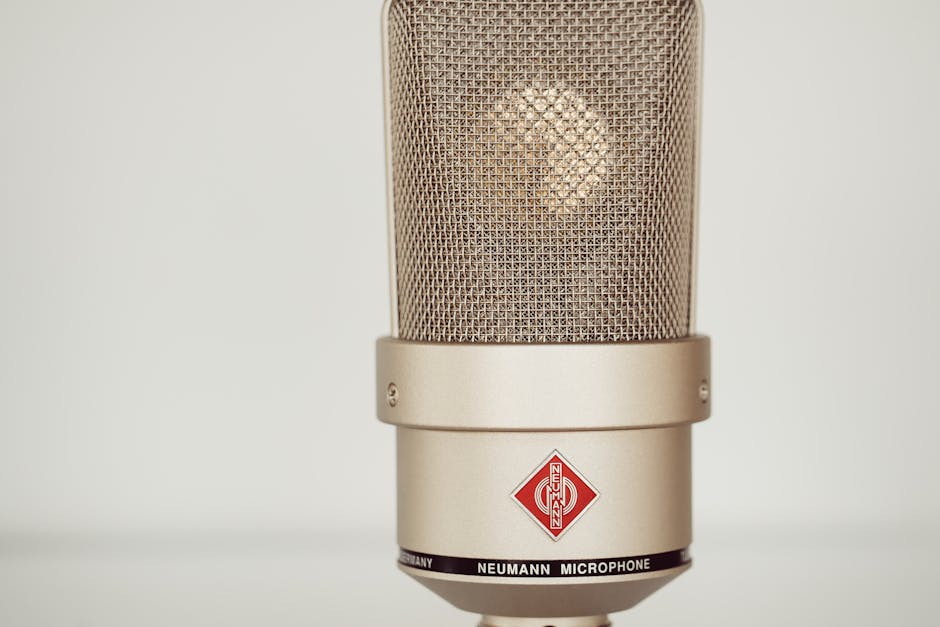
Best Microphones for Every Budget: Find Your Perfect Sound
Choosing the right microphone can feel like navigating a sonic labyrinth, especially when budget constraints come into play. From aspiring podcasters and home studio enthusiasts to seasoned streamers and mobile content creators, the need for clear, high-quality audio is paramount. This guide demystifies the microphone market, offering meticulously researched recommendations across various price points, ensuring you find the perfect sound for your unique needs and budget. We’ll explore the different microphone types, their applications, and highlight standout models that deliver exceptional value.
Understanding Microphone Types: The Foundation of Your Choice
Before diving into specific recommendations, it’s crucial to understand the fundamental differences between the two primary microphone polar patterns: condenser and dynamic.
Condenser Microphones: These microphones are known for their sensitivity and ability to capture subtle nuances in sound. They require phantom power (usually 48V) to operate, which is supplied by your audio interface or mixer. Condensers excel at capturing detailed vocals, acoustic instruments, and ambient sounds. Their extended frequency response and transient accuracy make them ideal for studio recording where pristine audio is the goal. However, their sensitivity can also make them more prone to picking up background noise, making them less ideal for loud, live environments.
Dynamic Microphones: Less sensitive than condensers, dynamic microphones are more robust and can handle high sound pressure levels (SPL) without distortion. They do not require phantom power and are often preferred for live performances, loud instruments like guitar amps and drums, and in less-than-ideal acoustic environments. While they might not capture the same level of detail as condensers, their focused pickup pattern and natural sound make them incredibly versatile for spoken word, aggressive vocals, and situations where background noise is a concern.
Beyond polar patterns, consider pickup patterns (e.g., cardioid, omnidirectional, bidirectional) which dictate the direction from which the microphone captures sound, and connection types (XLR for professional audio interfaces, USB for direct computer connection).
Entry-Level Excellence: Under $100
For those on a tight budget, the market offers surprisingly capable microphones that can significantly elevate your audio quality. These options are perfect for beginners, casual podcasters, or anyone looking for an affordable upgrade.
For Podcasting & Voiceovers:
-
Blue Snowball iCE (USB): This compact and affordable USB microphone is a perennial favorite for a reason. Its cardioid pickup pattern effectively isolates your voice, minimizing background noise. The Snowball iCE is incredibly plug-and-play, requiring no drivers or complex setup. It delivers a clear and present vocal sound that’s a significant step up from built-in laptop microphones. Its simplicity makes it an ideal starting point for anyone venturing into audio recording.
-
Samson Meteor Mic (USB): Another excellent USB option, the Meteor Mic boasts a larger diaphragm than many competitors in this price range, resulting in a warmer and richer vocal tone. It features a built-in stand and headphone output for direct monitoring, adding convenience. Its robust metal construction also adds to its perceived value. The Meteor Mic is perfect for solo podcasters and voice actors who want a more polished sound without breaking the bank.
For Gaming & Streaming:
- Fifine K669B (USB): This budget-friendly USB condenser microphone punches well above its weight class. It offers a surprisingly clear and detailed sound for spoken word and vocals, making it a fantastic choice for streamers and gamers who want their voice to be heard with clarity. The K669B comes with a small tripod stand and is compatible with both Windows and macOS. Its ease of use and impressive audio performance for the price make it a go-to recommendation.
Mid-Range Marvels: $100 – $300
Stepping into the mid-range opens up a world of more professional-grade microphones that offer enhanced clarity, versatility, and build quality. These are ideal for serious hobbyists, semi-professional content creators, and those looking to invest in a more long-term audio solution.
For Home Studios & Vocal Recording:
-
Audio-Technica AT2020 (XLR Condenser): The AT2020 is a benchmark in affordable studio condensers. Its cardioid pickup pattern, wide frequency response, and high SPL handling make it incredibly versatile for recording vocals, acoustic guitars, and other instruments. While it requires an XLR cable and an audio interface, the sonic improvement is undeniable. Its clear, detailed, and balanced sound profile has made it a staple in home studios worldwide.
-
Rode NT-USB Mini (USB Condenser): Rode’s reputation for quality extends to their USB offerings. The NT-USB Mini provides the pristine sound of a condenser microphone in a compact and user-friendly package. It features a built-in pop filter and a headphone output for zero-latency monitoring. Its cardioid pattern is excellent for isolating vocals, and its rich, detailed tone is perfect for single vocalists and acoustic instruments.
For Podcasting & Voiceover Professionals:
-
Shure SM58 (Dynamic – XLR): A legend in the live sound world, the Shure SM58 is also a fantastic choice for spoken word and podcasting, especially in less-than-ideal acoustic environments. Its rugged build, cardioid pattern, and resistance to plosives and sibilance make it incredibly reliable. While it has a more mid-focused sound than a condenser, it’s incredibly forgiving and delivers a warm, present vocal that cuts through a mix. It requires an audio interface.
-
Rode NT-USB+ (USB Condenser): Building on the success of its predecessors, the Rode NT-USB+ offers an even more refined sound with enhanced internal components. It’s a versatile USB condenser that excels at capturing detailed vocals, podcasts, and even instruments. The included pop shield and desk stand make it a complete package for immediate use. Its natural and articulate sound reproduction makes it a top contender in this price bracket.
High-End Havens: $300+
For those seeking the pinnacle of audio fidelity, the high-end market offers microphones that are the workhorses of professional studios and broadcast facilities. These microphones are an investment in exceptional sound quality, durability, and sonic character.
For Professional Vocalists & Studio Recording:
-
Neumann TLM 103 (XLR Condenser): The TLM 103 is a modern classic, offering the signature Neumann sound at a more accessible price point than some of their flagship models. Its large-diaphragm condenser capsule delivers a clear, detailed, and slightly forward vocal sound that flatters most voices. Its low self-noise and high SPL handling make it suitable for a wide range of recording applications. This is a microphone that will serve you for decades.
-
Shure SM7B (Dynamic – XLR): Another iconic microphone, the SM7B is a favorite among podcasters, radio broadcasters, and rock vocalists. Its cardioid pattern, internal shock mounting, and excellent rejection of off-axis sound make it incredibly robust and forgiving. It has a warm, smooth, and present sound that’s perfect for spoken word and aggressive vocals, though it does require a significant amount of gain from your preamplifier, often necessitating a cloud lifter or a high-gain interface.
For Versatile Studio Applications:
-
Sennheiser MK 4 (XLR Condenser): This large-diaphragm condenser microphone from Sennheiser offers a balanced and natural sound, making it incredibly versatile for vocals, acoustic instruments, and overheads. It’s known for its detailed and transparent capture, allowing your source material to shine. Its robust construction and reliable performance make it a solid choice for any serious home or professional studio.
-
Warm Audio WA-87 R2 (XLR Condenser): Emulating the sound of a classic U87, the WA-87 R2 offers a vintage-inspired tone with modern reliability. It features multiple polar patterns (cardioid, omni, bidirectional), offering immense flexibility for different recording scenarios. Its warm, rich, and detailed sound makes it a favorite for vocals, acoustic guitars, and drum overheads, providing a classic studio sound at a fraction of the cost of vintage units.
Specialized Microphones: Beyond the Basics
Beyond the general-purpose microphones, specialized options cater to specific needs:
-
Lavalier Microphones: Small clip-on microphones ideal for interviews, presentations, and film production where discreet placement is essential. Brands like Rode, Sennheiser, and Deity offer excellent wired and wireless lavalier options.
-
Shotgun Microphones: Highly directional microphones designed to pick up sound from a specific point while rejecting ambient noise. These are crucial for filmmaking, nature recording, and any situation requiring precise sound isolation. Rode’s VideoMic series and Sennheiser’s MKH series are prominent in this category.
-
USB Condenser Microphones with Multiple Patterns: For ultimate flexibility in a USB format, look for models offering switchable polar patterns. This allows you to adapt your microphone to different recording situations without needing multiple devices.
The Importance of Accessories
Don’t overlook the impact of essential accessories:
-
Pop Filters/Windscreens: Crucial for reducing plosive sounds (“p” and “b” sounds) in vocals and protecting condenser microphones from breath noise.
-
Shock Mounts: Isolate microphones from vibrations transmitted through the mic stand, preventing unwanted rumble and handling noise.
-
XLR Cables: Invest in good quality shielded XLR cables for clean signal transmission.
-
Audio Interfaces/Mixers: Essential