
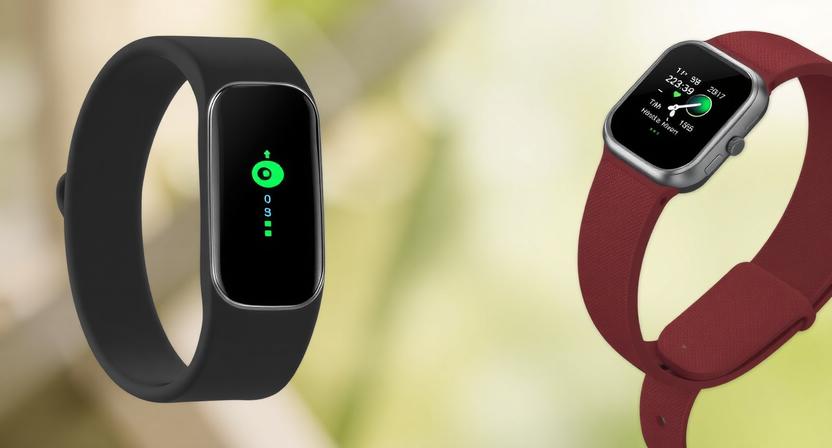
The fitness band market has exploded, transforming from simple step trackers into sophisticated wellness companions. At the core of this evolution lies the heart rate monitor, a feature that has become indispensable for anyone serious about understanding their body, optimizing workouts, and monitoring overall health. But not all heart rate monitors are created equal. This comprehensive guide will navigate the intricate world of fitness band heart rate technology, empowering you to make an informed purchasing decision.
The Science Behind the Beat: How Fitness Bands Measure Heart Rate
Most fitness bands employ photoplethysmography (PPG) technology to measure heart rate. This non-invasive method utilizes LEDs to shine light onto your skin. As blood pulses through your capillaries, it absorbs and reflects the light. The sensor on the band detects these subtle changes in light reflection, which are then translated into your heart rate (beats per minute or BPM).
- Green LEDs: These are the most common and effective for detecting blood flow. They are well-absorbed by hemoglobin in the blood, making the fluctuations in reflected light more pronounced.
- Infrared LEDs: Some advanced bands might incorporate infrared LEDs, which can offer additional insights into blood oxygen levels (SpO2), although this is a separate, albeit related, metric.
Accuracy: The Cornerstone of Effective Monitoring
When considering a fitness band, heart rate monitor accuracy is paramount. Inaccurate readings can lead to misinformed training decisions, potentially hindering progress or even posing health risks. Several factors influence accuracy:
- Sensor Quality and Placement: Higher-quality sensors and a snug, well-fitting band are crucial. A loose band allows ambient light to interfere, leading to erroneous readings. The sensor should sit comfortably on your wrist, typically on the underside.
- Movement Artifacts: Vigorous activities, especially those involving significant wrist movement like weightlifting or intense interval training, can introduce “movement artifacts.” These are false signals that can distort the actual heart rate. Newer bands are incorporating algorithms to mitigate these effects.
- Skin Tone and Tattoos: While technology has advanced, darker skin tones and tattoos can sometimes present challenges for PPG sensors, as they absorb more light. Manufacturers are continuously improving algorithms to account for these variations.
- Environmental Factors: Cold temperatures can reduce blood flow to the extremities, potentially affecting readings.
- Individual Physiology: Factors like hydration levels, stress, and certain medical conditions can also influence heart rate and, consequently, the accuracy of the readings.
Types of Heart Rate Monitoring Offered by Fitness Bands:
Beyond basic continuous monitoring, fitness bands offer a spectrum of heart rate features:
- Continuous Heart Rate Monitoring (24/7 Tracking): This is the most fundamental feature. It provides a constant stream of your heart rate throughout the day and night, offering insights into your resting heart rate, recovery, and overall cardiovascular load. This data is invaluable for understanding your baseline fitness and how your body responds to daily stressors.
- Heart Rate Zones: This feature categorizes your heart rate into different zones, each corresponding to a specific intensity level and physiological benefit. Common zones include:
- Warm-up/Recovery Zone (50-60% of Max HR): For light activity and post-workout recovery.
- Fat Burn Zone (60-70% of Max HR): Ideal for sustained aerobic activity, promoting fat metabolism.
- Cardio Zone (70-80% of Max HR): Enhances cardiovascular fitness and endurance.
- Peak Zone (80-90% of Max HR): For high-intensity training, improving anaerobic capacity.
- Maximum Zone (90-100% of Max HR): Reserved for short bursts of maximal effort.
Understanding these zones allows you to tailor your workouts to specific goals, whether it’s improving endurance, burning fat, or increasing peak performance.
- Resting Heart Rate (RHR): This is your heart rate when you are completely at rest, typically measured first thing in the morning before getting out of bed. A lower RHR generally indicates better cardiovascular fitness. Tracking RHR over time can reveal trends related to training load, stress, and sleep quality.
- Heart Rate Variability (HRV): This is a more advanced metric that measures the variation in time between each heartbeat. A higher HRV typically indicates a more resilient nervous system and better recovery. Low HRV can be a sign of fatigue, stress, or illness. While not as common as basic heart rate monitoring, an increasing number of fitness bands are incorporating HRV tracking.
- High/Low Heart Rate Alerts: These alerts notify you if your heart rate exceeds or drops below a customizable threshold for a sustained period. This can be a valuable safety feature, especially for individuals with pre-existing heart conditions.
- Workout Heart Rate Tracking: During exercise, fitness bands provide real-time heart rate data, often displayed on the screen or within the companion app. This allows you to monitor your intensity and ensure you are staying within your target zones.
- Sleep Heart Rate Tracking: Monitoring your heart rate during sleep provides insights into your recovery and sleep quality. Significant fluctuations or elevated heart rates during sleep can indicate underlying issues.
Key Features to Look For When Shopping:
When evaluating fitness bands based on their heart rate monitor capabilities, consider these crucial aspects:
- Accuracy Claims and Reviews: Look for brands that are transparent about their accuracy testing and read independent reviews that specifically address heart rate monitor performance.
- Comfort and Fit: A comfortable band that fits snugly is essential for accurate readings. Try it on if possible, or consider brands known for their ergonomic designs.
- Battery Life: Continuous heart rate monitoring can be power-intensive. Ensure the band’s battery life meets your needs, especially if you plan on using it for extended periods without charging.
- Companion App Functionality: The accompanying app is where you’ll visualize and analyze your heart rate data. Look for an intuitive app that offers clear charts, historical trends, and personalized insights. Features like automatic workout detection and detailed post-workout analysis are a plus.
- Water Resistance: If you plan on swimming or engaging in water-based activities, ensure the band has adequate water resistance for your intended use.
- Additional Health Metrics: While focusing on heart rate, consider if the band offers other valuable health metrics like SpO2, skin temperature, or ECG capabilities, which can provide a more holistic view of your well-being.
- GPS Integration: For runners and cyclists, integrated GPS can provide accurate pace and distance tracking alongside heart rate data, allowing for a comprehensive understanding of your outdoor workouts.
- Compatibility: Ensure the fitness band is compatible with your smartphone’s operating system (iOS or Android).
Choosing the Right Band for Your Needs:
The “best” fitness band with a heart rate monitor depends entirely on your individual goals and preferences:
- Beginner Fitness Enthusiast: Focus on a band with reliable 24/7 tracking, clear heart rate zones, and a user-friendly app to understand basic workout intensity.
- Serious Athlete: Prioritize accuracy, advanced metrics like HRV, robust workout tracking modes, and potentially GPS integration for precise performance analysis.
- Health-Conscious Individual: Look for bands that offer high/low heart rate alerts, sleep tracking, and a focus on resting heart rate trends to monitor overall cardiovascular health.
- Budget-Conscious Buyer: Many affordable options offer decent heart rate monitoring. Focus on reputable brands and read reviews to ensure acceptable accuracy for your needs.
By understanding the nuances of fitness band heart rate monitor features, you can confidently select a device that not only tracks your beats but empowers you to truly understand and improve your fitness and well-being.
Fitix Style Smart Band Fitness Health Activity Tracker HRV Analysis, Sleep and Stress Monitor, Subscription Free Screenless Smart Bracelet (Black)
₹2,990.00 (as of September 26, 2026 21:30 GMT +05:30 - More infoProduct prices and availability are accurate as of the date/time indicated and are subject to change. Any price and availability information displayed on [relevant Amazon Site(s), as applicable] at the time of purchase will apply to the purchase of this product.)
pTron Reflect ACE Smart Fitness Band w/ 45 Days Battery Life, 112 Sports Modes, Heart Rate, SpO2, Stress, Sleep Tracking, HRV, Smart Notifications, 1-Key Measurement, Nylon & Silicon Straps (Black)
₹2,499.00 (as of September 26, 2026 21:30 GMT +05:30 - More infoProduct prices and availability are accurate as of the date/time indicated and are subject to change. Any price and availability information displayed on [relevant Amazon Site(s), as applicable] at the time of purchase will apply to the purchase of this product.)
sekyo Flex Screenless Smart Band - Fitness Tracker, Heart Rate & Sleep (Brown)
₹2,999.00 (as of September 26, 2026 21:30 GMT +05:30 - More infoProduct prices and availability are accurate as of the date/time indicated and are subject to change. Any price and availability information displayed on [relevant Amazon Site(s), as applicable] at the time of purchase will apply to the purchase of this product.)
Drumstone 𝟏𝟓 𝐘𝐞𝐚𝐫𝐬 𝐖𝐚𝐫𝐫𝐚𝐧𝐭𝐲 Bluetooth Smart Fitness Band with Heart Rate Sensor, OLED Display, Waterproof Activity Tracker, Step Counter, Calorie & Sleep Monitor
₹889.00 (as of September 26, 2026 21:30 GMT +05:30 - More infoProduct prices and availability are accurate as of the date/time indicated and are subject to change. Any price and availability information displayed on [relevant Amazon Site(s), as applicable] at the time of purchase will apply to the purchase of this product.)
Smart Fitness Watch For Sam-Sung Galaxy M42 5G Original Sports Touchscreen Smart Watch Bluetooth 1.3" Smart watch LED with Daily Activity Tracker, Heart Rate Sensor, Sleep Monitor and Basic Functionality for All Boys & Girls Wristband - (URC, 1D-115, Black)
₹999.00 (as of September 26, 2026 21:30 GMT +05:30 - More infoProduct prices and availability are accurate as of the date/time indicated and are subject to change. Any price and availability information displayed on [relevant Amazon Site(s), as applicable] at the time of purchase will apply to the purchase of this product.)
CrossBeats Vector Smart Band with 45 Days Battery Life, 5ATM Waterproof, HRV & SpO2 Tracking, Sleep & Stress Monitoring, 6-Axis Motion Sensor, Strava & Google Health Connect
₹3,999.00 (as of September 26, 2026 21:30 GMT +05:30 - More infoProduct prices and availability are accurate as of the date/time indicated and are subject to change. Any price and availability information displayed on [relevant Amazon Site(s), as applicable] at the time of purchase will apply to the purchase of this product.)
Alti FIT+ Smart Health and Fitness Band-Newly Launched | Nutrition Logging | Activity Tracker with Heart Rate, HRV, Sleep Analysis, Stress Monitoring | 45+ Days Battery |No Subscription, Black
₹2,899.00 (as of September 26, 2026 21:30 GMT +05:30 - More infoProduct prices and availability are accurate as of the date/time indicated and are subject to change. Any price and availability information displayed on [relevant Amazon Site(s), as applicable] at the time of purchase will apply to the purchase of this product.)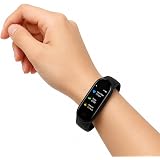
Drumstone Luxurious 5 Years Warranty M8 Smart Fitness Band with Heart Rate Monitor, OLED Display, Bluetooth Activity Tracker, Sleep Monitor, Step Counter, Call & Message Alerts, Sports Watch Black
₹889.00 (as of September 26, 2026 21:30 GMT +05:30 - More infoProduct prices and availability are accurate as of the date/time indicated and are subject to change. Any price and availability information displayed on [relevant Amazon Site(s), as applicable] at the time of purchase will apply to the purchase of this product.)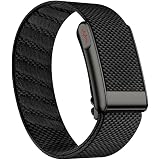
Theera Smart Band | Fitness Band | Sleep Tracker, Stress, ECG | Non-invasive Blood Glucose Measurement | HRV | Body Temperature | IPX8 (5ATM), Blood Pressure | 10+ Days Battery Life | Black
₹6,500.00 (as of September 26, 2026 21:30 GMT +05:30 - More infoProduct prices and availability are accurate as of the date/time indicated and are subject to change. Any price and availability information displayed on [relevant Amazon Site(s), as applicable] at the time of purchase will apply to the purchase of this product.)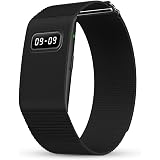
Pebble Qore View Fitness Band with 30 Days Battery Life | 100+ Sports Modes | Advanced Health Tracking | HR & SpO2| Stress | Sleep Monitoring (Deep Black)
₹3,999.00 (as of September 26, 2026 21:30 GMT +05:30 - More infoProduct prices and availability are accurate as of the date/time indicated and are subject to change. Any price and availability information displayed on [relevant Amazon Site(s), as applicable] at the time of purchase will apply to the purchase of this product.)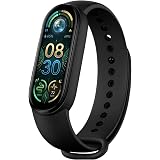
Drumstone TopRated 𝟏𝟓𝐘𝐫 𝐖𝐚𝐫𝐫𝐚𝐧𝐭𝐲 M6 Fitband Heart Rate Monitor, Bluetooth Activity Tracker Watch with Fitness, Sports, Health Monitoring & Daily Activity Tracking, Smart Fitness Band
₹999.00 (as of September 26, 2026 21:30 GMT +05:30 - More infoProduct prices and availability are accurate as of the date/time indicated and are subject to change. Any price and availability information displayed on [relevant Amazon Site(s), as applicable] at the time of purchase will apply to the purchase of this product.)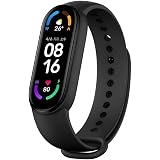
Lambent 𝟏 𝐘𝐞𝐚𝐫𝐬 𝐖𝐚𝐫𝐫𝐚𝐧𝐭𝐲 M7 Fitness Smartwatch Band with Heart Rate BP Calorie and Step Counter Waterproof Activity Tracker Wristband for Men Women Daily Fitness Tracking
₹1,199.00 (as of September 26, 2026 21:30 GMT +05:30 - More infoProduct prices and availability are accurate as of the date/time indicated and are subject to change. Any price and availability information displayed on [relevant Amazon Site(s), as applicable] at the time of purchase will apply to the purchase of this product.)
Fitbit Google Air - Screenless Activity Tracker with Fitness, Heart Rate, and Sleep Tracking - Personalized AI-Powered Coaching - Up to 7 Days’ Battery Life - Works with iOS and Android - Obsidian
Now retrieving the price.
(as of September 26, 2026 21:30 GMT +05:30 - More infoProduct prices and availability are accurate as of the date/time indicated and are subject to change. Any price and availability information displayed on [relevant Amazon Site(s), as applicable] at the time of purchase will apply to the purchase of this product.)
Nex-Q2 Smart Fitness Band with Heart Rate Monitoring, HRV Analysis, Stress Monitoring, Sleep Tracking, 25+ Days Battery Life, 30+ Sports Modes, Subscription Free
Now retrieving the price.
(as of September 26, 2026 21:30 GMT +05:30 - More infoProduct prices and availability are accurate as of the date/time indicated and are subject to change. Any price and availability information displayed on [relevant Amazon Site(s), as applicable] at the time of purchase will apply to the purchase of this product.)
Pebble Qore Fitness Band with 45 Days Battery Life| 100+ Sports Modes| Advanced Health Tracking HR| SpO2| Stress| Sleep| OneKey Measurement| Smart Notifications - Midnight Blue
₹2,699.00 (as of September 26, 2026 21:30 GMT +05:30 - More infoProduct prices and availability are accurate as of the date/time indicated and are subject to change. Any price and availability information displayed on [relevant Amazon Site(s), as applicable] at the time of purchase will apply to the purchase of this product.)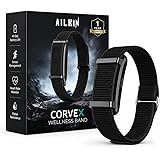
AILKIN Corvex Smart Fitness Band with 45 Days Battery Life Tracker Pro | Up to 45 Days Battery Life, Multiple Sports Modes, Splash Resistant, 24/7 Activity & Sleep Tracking, 1 Year Warranty
₹2,349.00 (as of September 26, 2026 21:30 GMT +05:30 - More infoProduct prices and availability are accurate as of the date/time indicated and are subject to change. Any price and availability information displayed on [relevant Amazon Site(s), as applicable] at the time of purchase will apply to the purchase of this product.)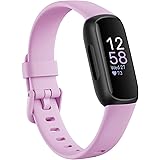
Fitbit Inspire 3 Health & Fitness Tracker (Lilac Bliss/Black) with 6-Month Premium Membership
₹8,998.00 (as of September 26, 2026 21:30 GMT +05:30 - More infoProduct prices and availability are accurate as of the date/time indicated and are subject to change. Any price and availability information displayed on [relevant Amazon Site(s), as applicable] at the time of purchase will apply to the purchase of this product.)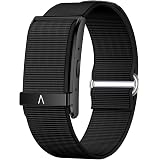
URBAN ARC Note – India's First AI Meeting Recorder Smart Fitness Band | Woven Nylon Band, Metal Buckle Clasp, Slim Form Factor, Unisex Design, Adjustable Fit
₹6,999.00 (as of September 26, 2026 21:30 GMT +05:30 - More infoProduct prices and availability are accurate as of the date/time indicated and are subject to change. Any price and availability information displayed on [relevant Amazon Site(s), as applicable] at the time of purchase will apply to the purchase of this product.)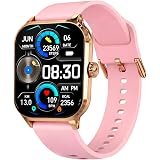
Smart Watch for Men, Women, Boys, Girls, Kids – Full Touch Screen Display, Bluetooth Calling, Rotating Crown, Workout Modes, Wireless Charging Smart Watch (Pink)
Now retrieving the price.
(as of September 26, 2026 21:30 GMT +05:30 - More infoProduct prices and availability are accurate as of the date/time indicated and are subject to change. Any price and availability information displayed on [relevant Amazon Site(s), as applicable] at the time of purchase will apply to the purchase of this product.)
Samsung Galaxy Fit3 (Gray) | 4cm AMOLED Display | 13 Days Battery | 100+ Exercises | Media Control | Track Sleep | Track Your Workout
Now retrieving the price.
(as of September 26, 2026 21:30 GMT +05:30 - More infoProduct prices and availability are accurate as of the date/time indicated and are subject to change. Any price and availability information displayed on [relevant Amazon Site(s), as applicable] at the time of purchase will apply to the purchase of this product.)