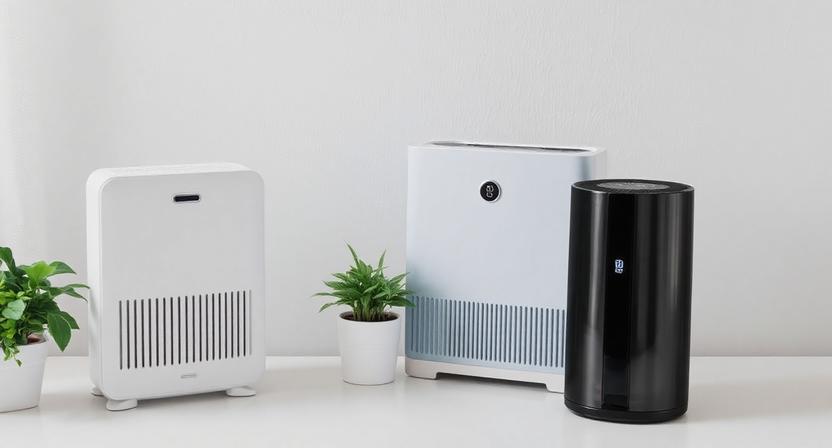
Description: Combatting India’s pollution? This expert guide explains air purifier technology (HEPA, CADR), room size matching, filter costs, and the top models for your home.
🇮🇳 Introduction: The Urgent Necessity of an Air Purifier in India
For the Indian reader, the topic of air quality has moved beyond mere concern to become a matter of critical health urgency. As per 2024 data, many major cities—particularly across the Indo-Gangetic Plain, including Delhi, Greater Noida, Ghaziabad, and parts of Bihar and Haryana—consistently record ‘Severe’ or ‘Hazardous’ Air Quality Index (AQI) levels, largely driven by the microscopic menace known as PM2.5 (Particulate Matter 2.5 microns or less). Delhi, for instance, has seen alarming spikes in hospitalisations for respiratory issues.
The reality is stark: while outdoor air quality is a national challenge, indoor air quality can often be just as, or even more, polluted due to a mix of outdoor infiltration, cooking fumes, dust, and Volatile Organic Compounds (VOCs) from furniture and cleaning products.
This is where the Air Purifier emerges as the single most effective domestic defense. It is no longer a gadget; it is a vital appliance for respiratory health, especially for children, the elderly, and those with pre-existing conditions like asthma or allergies. This comprehensive guide, written with Indian conditions in mind, will demystify the technology, help you avoid common pitfalls, and equip you with the expert knowledge to make the smartest, healthiest choice for your home.
🔬 Section 1: The Core Technology – How Air Purifiers Truly Work
To make an informed choice, you must understand the different components of an air purifier’s engine. A high-quality air purifier uses a multi-stage filtration system, with each stage targeting a different pollutant.
The Unbeatable Trifecta of Filtration
- The Pre-Filter (The First Guard):
- Function: This is the first layer of defense. It captures large visible particles like human hair, pet dander, lint, and large dust particles.
- Indian Context: Absolutely essential for dusty environments. Keeping the pre-filter clean (usually washable or easily vacuumed) significantly extends the life of the more expensive HEPA filter.
- The HEPA Filter (The Heart of the System):
- What it is: HEPA stands for High-Efficiency Particulate Air. A True HEPA filter must meet a globally certified standard: it must be capable of trapping 99.97% of all airborne particles as small as 0.3 microns.
- Why it Matters in India: PM2.5 (the most dangerous pollutant that penetrates deep into the lungs) and PM10 are effectively trapped by True HEPA filters. Crucially, avoid models labelled ‘HEPA-type’ or ‘HEPA-like’; they are cheaper but fail to meet the required efficiency standards. Look specifically for True HEPA H13 or H14 ratings.
- The Activated Carbon Filter (The Odour and Gas Buster):
- Function: HEPA filters trap particles; they do not trap gases or odours. The Activated Carbon filter, made of highly porous carbon granules, uses the principle of adsorption to neutralize chemical pollutants.
- Indian Context: This filter is non-negotiable for Indian homes. It effectively removes Volatile Organic Compounds (VOCs) from new paint/furniture, cooking odours, smoke (incense or cigarettes), and other noxious fumes that HEPA cannot handle.
Secondary Technologies: What to Consider (and What to Avoid)
- Ionizers and Plasma Technology (e.g., Sharp’s Plasmacluster): These systems release charged ions that clump tiny particles together, making them heavy enough to fall to the floor or be easily captured by the filter.
- The Caveat: Some older or low-quality ionizers can produce Ozone (O3), a known lung irritant. Always choose a purifier from a reputable brand that explicitly states it is Ozone-free or adheres to strict standards. Modern Plasma/Ion technologies are generally safe but should be considered a secondary enhancement, not a replacement for HEPA.
- UV-C Light: Some purifiers include a UV-C lamp to kill bacteria and viruses trapped on the filter. While beneficial in theory, its real-world impact on overall air quality is often minor and should not be the primary purchase driver.
📐 Section 2: The Metrics that Matter – CADR, ACH, and Room Size
A powerful HEPA filter is useless if the fan cannot push enough air through it quickly. This is where standardized metrics like CADR and ACH become your most valuable tools.
Understanding CADR: Clean Air Delivery Rate
Clean Air Delivery Rate (CADR) is the single most important performance rating. Measured in cubic feet per minute (CFM) or cubic meters per hour (CMH), CADR tells you how quickly the machine can remove specific pollutants from the air.
- The Three Ratings: Reputable brands provide CADR ratings for three pollutants: Smoke (smallest particles, representing PM2.5), Dust, and Pollen (largest particles). Focus on the Smoke CADR as it is the best proxy for PM2.5 removal efficiency.
- The 2/3 Rule: A fundamental rule of thumb (endorsed by the AHAM): the CADR (in CFM) should be at least two-thirds of the room’s square footage (Length x Width).
- Example: For a standard bedroom measuring 15 ft x 15 ft = 225 \text{ sq. ft., you should look for an air purifier with a CADR of at least 225 x 2/3 ≈ 150 CFM.
- Optimal Performance: For those with severe allergies or living in highly polluted zones (like Delhi-NCR), aim for a CADR that is equal to or greater than the room’s square footage (a 1 : 1 ratio).
The Importance of ACH (Air Changes Per Hour)
ACH defines how many times the entire volume of air in a room is filtered and replaced in one hour.
- Recommended ACH: For a normal home environment, 4 ACH is considered good. For highly polluted environments or for allergy/asthma sufferers, aim for 5 to 6 ACH.
- The Calculation: The manufacturer’s stated maximum coverage area is usually based on a low ACH (often 2 ACH). Always prioritize the CADR metric and use the 2/3 rule to calculate the effective area for your actual needs. A purifier rated for a 400 sq. ft. room might only provide 2 ACH. For a comfortable 5 ACH, that same machine might only cover 160 sq. ft.. Always size up.
🛒 Section 3: The True Cost of Ownership – Maintenance and Reliability
The initial purchase price of an air purifier is only the beginning. For Indian consumers, the long-term cost of replacement filters and maintenance is a major factor in the overall value proposition.
Filter Life and Replacement Costs – The Hidden Expense
HEPA and Carbon filters are consumable parts that must be replaced; they cannot be washed (except for the pre-filter). In India’s high-dust, high-pollution environment, filters often degrade faster than the manufacturer’s estimate.
- Filter Lifespan: Manufacturers may claim 1, 200 hours or 1 year. In peak Delhi pollution, the filter may need replacement in as little as 6-8 months.
- Actionable Tip: Before buying, check the exact replacement cost of the filter set (often a combined HEPA + Carbon cartridge).
- Red Flag: If the replacement filter costs more than 30% of the original machine price, the Total Cost of Ownership (TCO) will be very high. Budget-friendly brands like Mi (Xiaomi) or Coway often have more affordable and widely available replacement filters than some premium international brands.
- Filter Availability: Ensure the filters are readily available online or through local service centres. A machine is useless without a functional filter.
Other Critical Operational Factors
- Noise Levels (dB): Since purifiers must run continuously, especially in bedrooms, noise is key. Look for machines with a dedicated sleep mode that operates below 30-35 dB (a quiet whisper). CADR is typically measured on the highest (and loudest) setting; understand the trade-off between silence and cleaning speed.
- Energy Consumption (Watts): Air purifiers are low-wattage appliances, but running them 24/7 adds up. Look for the CADR-to-Watt ratio. Higher efficiency means a higher CADR for less electricity consumed. ENERGY STAR certification is a good indicator of efficiency.
🏆 Section 4: Top Models and Brands for the Indian Market (2025 Focus)
The Indian market is highly competitive, with brands offering innovative solutions tailored for local conditions.
Expert-Recommended Segment Breakdown
| Segment | Ideal User Profile | Key Feature to Look For | Recommended Brand/Series |
| Budget/Bedroom (₹5K-₹10K) | Students, small rooms, first-time users. | True HEPA H13, low replacement cost. | Mi Air Purifier 4 Series, Honeywell Air Touch V1. |
| Mid-Range/Living Room (₹15K-₹25K) | Families, medium-large rooms, high pollution zones. | 300 m3/h + CADR, strong Carbon filter. | Coway AirMega 250, Philips Series 3000. |
| Premium/Design & Tech (₹30K+) | Tech-savvy, large open-plan homes, severe allergies. | HEPA H14, Smart App Control, multi-functionality. | Dyson Purifier Series, Samsung AX7000 (High CADR. |
Case Study: The PM2.5 Crisis and Practical Solutions
In highly polluted areas like Greater Noida or Faridabad, where the AQI regularly breaches 300 (Severe), a strong CADR is essential.
- The Samsung AX7000 Model Example: This model offers one of the highest CADR ratings on the market (up to 773 m3/h). While expensive, this high power means it can quickly clean a large living room up to ~ 1000 sq. ft.) and achieve the required 5 ACH faster, making it an emergency-response device for sudden AQI spikes.
- The Sharp FP-J80M-H Example: This brand is noted for its unique Plasmacluster Ion Technology combined with HEPA. For users concerned not just with particles but also with mould, viruses, and bacteria (a common worry in India’s humid coastal and monsoon regions), this combination offers a highly comprehensive solution.
🛡️ Section 5: Beyond the Product – Placement and Usage Best Practices
Buying the right air purifier is only half the battle. Optimal placement and usage are essential to realizing its full potential.
Where to Place Your Air Purifier for Maximum Effectiveness
- The Golden Rule: Place the air purifier in the room where you spend the most time—usually the bedroom (running it overnight) and the living room (during the day).
- Strategic Positioning:
- Place it away from walls, furniture, and curtains (~ 1 foot distance) to ensure unobstructed 360° air intake and exhaust.
- Do NOT place it in a corner or under a table where airflow is restricted.
- If using it in a bedroom, run it on a high setting for 30-60 minutes before you sleep to pre-clean the air, and then switch to the silent/sleep mode for the night.
- Room Sealing: An air purifier only works well in an enclosed space. Keep windows and doors closed while the purifier is running, especially during periods of high outdoor pollution.
Do’s and Don’ts of Air Purifier Ownership
| Do’s (Essential Practices) | Don’ts (Common Mistakes to Avoid) |
| Do check the PM2.5 display regularly. | Don’t assume one small purifier can clean an entire house. |
| Do run the purifier 24/7 in Auto or Low Mode. | Don’t neglect replacing the HEPA/Carbon filters. |
| Do clean the pre-filter every 2 weeks. | Don’t rely on ‘HEPA-type’ filters. Demand True HEPA H13. |
| Do purchase based on CADR, not just advertised room size. | Don’t place the unit right next to a window or door. |
| Do use it in conjunction with other pollution-fighting measures (N95 masks outdoors). | Don’t assume the Auto Mode is always perfect; manually adjust during severe spikes. |
🌟 Conclusion: Investing in the Invisible
The fight for clean air in India begins at home. An Air Purifier is a crucial, non-negotiable health investment for every modern household. By understanding the core mechanics (True HEPA and Carbon), prioritizing the performance metrics (CADR and ACH), and carefully calculating the Total Cost of Ownership, you can move beyond fear and take control of your indoor environment.
Choosing the right Air Purifier is not just about filtering dust; it’s about protecting the fragile health of your family from the microscopic PM2.5 particles that pose a systemic risk. Make a choice rooted in expertise and authority, and grant yourself the peace of mind that comes with knowing your family is breathing cleaner, safer air.
✍️ Compelling Call to Action
Ready to secure your family’s health? Use our CADR calculation guide to determine the perfect size for your most-used room. Click here now to compare the top True HEPA H13 Air Purifier models and read our in-depth filter cost analysis before you buy!
LINSO Premium HEPA Air Purifier for Home & Office | Removes Dust, Smoke, Pollen, Pet Dander & Odors | Quiet Sleep Mode | Covers Large Rooms
Now retrieving the price.
(as of September 19, 2026 18:50 GMT +05:30 - More infoProduct prices and availability are accurate as of the date/time indicated and are subject to change. Any price and availability information displayed on [relevant Amazon Site(s), as applicable] at the time of purchase will apply to the purchase of this product.)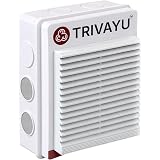
Trivayu HEPA Air Purifier | 3-Stage Filtration | Removes PM2.5, PM10, Dust, Smoke & Pet Dander | Silent Air Cleaner for Home & Office
₹1,499.00 (as of September 19, 2026 18:50 GMT +05:30 - More infoProduct prices and availability are accurate as of the date/time indicated and are subject to change. Any price and availability information displayed on [relevant Amazon Site(s), as applicable] at the time of purchase will apply to the purchase of this product.)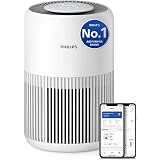
Philips AC0920 Smart Air Purifier for Home, HEPA Filter, White | Real-Time AQI Display | Covers 300 sq ft | 99.97% Virus & PM2.5 Removal | 9000h Filter Life | Ideal for Bedrooms
₹8,410.00 (as of September 19, 2026 18:50 GMT +05:30 - More infoProduct prices and availability are accurate as of the date/time indicated and are subject to change. Any price and availability information displayed on [relevant Amazon Site(s), as applicable] at the time of purchase will apply to the purchase of this product.)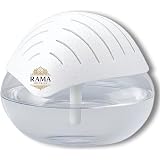
Rama Emporium 3-in-1 Air Purifier Aroma Diffuser & Air Humidifier with 1500 ml Water Tank (White) Portable Electric Revitalizer for Fresh Air & Fragrance | Ideal for Home, Office, Bedroom & Spa
₹869.00 (as of September 19, 2026 18:50 GMT +05:30 - More infoProduct prices and availability are accurate as of the date/time indicated and are subject to change. Any price and availability information displayed on [relevant Amazon Site(s), as applicable] at the time of purchase will apply to the purchase of this product.)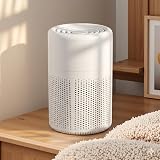
PROTON™ Mini Portable Air Purifier for Home & Bedroom | True HEPA Filter, 0.3 Micron Filtration | USB Powered, Low Noise 30dB | Covers 305 Sq Ft | Compact Desktop Air Cleaner for Office, Car & Travel
₹999.00 (as of September 19, 2026 18:50 GMT +05:30 - More infoProduct prices and availability are accurate as of the date/time indicated and are subject to change. Any price and availability information displayed on [relevant Amazon Site(s), as applicable] at the time of purchase will apply to the purchase of this product.)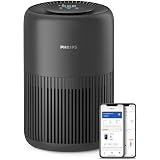
Philips -Air Purifier 900 Series, HEPA NanoProtect + Active Carbon Filter, CADR 250m³/h for 65m² Allergy Sufferers, Quiet, Intelligent and Energy Efficient (AC0951/13)
₹11,740.00 (as of September 19, 2026 18:50 GMT +05:30 - More infoProduct prices and availability are accurate as of the date/time indicated and are subject to change. Any price and availability information displayed on [relevant Amazon Site(s), as applicable] at the time of purchase will apply to the purchase of this product.)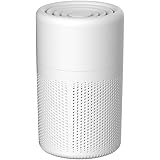
Small Air Purifiers for Bedroom Home with H13 HEPA Filters, Quiet HEPA Filter Cleaner with Aromatherapy for Better Sleep, Air Frenshener, Allergies, Dust, Pet Dander, Odour, Smoke, Office
₹999.00 (as of September 19, 2026 18:50 GMT +05:30 - More infoProduct prices and availability are accurate as of the date/time indicated and are subject to change. Any price and availability information displayed on [relevant Amazon Site(s), as applicable] at the time of purchase will apply to the purchase of this product.)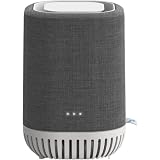
Autodrome Air Purifier for Car and Home with Hepa Filter | Up to 6 Hours Battery | 6 + 6 Months Warranty | Portable & Rechargeable | Ionizer Air Purifier with 2-Step Purification
₹1,915.00 (as of September 19, 2026 18:50 GMT +05:30 - More infoProduct prices and availability are accurate as of the date/time indicated and are subject to change. Any price and availability information displayed on [relevant Amazon Site(s), as applicable] at the time of purchase will apply to the purchase of this product.)
LINSO Indoor Air Cleaning Device for Bedroom, Office Desk, Study Area & Living Space | Compact Home Appliance | Multi Color
Now retrieving the price.
(as of September 19, 2026 18:50 GMT +05:30 - More infoProduct prices and availability are accurate as of the date/time indicated and are subject to change. Any price and availability information displayed on [relevant Amazon Site(s), as applicable] at the time of purchase will apply to the purchase of this product.)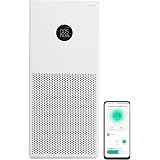
Xiaomi Air Purifier 4 Lite|160 Sq.ft. in 6 mins|3Stage HighEfficiencyFilter| laser sensor|AQI Monitor|360 m3/hr CADR covers 640 sq.ft.|App+Voice control|Realtime filter usage|1yr replacement warranty
₹12,999.00 (as of September 19, 2026 18:50 GMT +05:30 - More infoProduct prices and availability are accurate as of the date/time indicated and are subject to change. Any price and availability information displayed on [relevant Amazon Site(s), as applicable] at the time of purchase will apply to the purchase of this product.)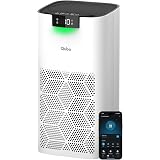
Qubo Q500 Smart Air Purifier for bedroom by Hero Group| Up to 500 SqFt| True HEPA H13|Removes 99.99% Dust, Allergens, Smoke, Virus & PM2.5|380 m³/h CADR|5-Stage Filter|App Control|9000 Hrs Filter Life
₹10,899.00 (as of September 19, 2026 18:50 GMT +05:30 - More infoProduct prices and availability are accurate as of the date/time indicated and are subject to change. Any price and availability information displayed on [relevant Amazon Site(s), as applicable] at the time of purchase will apply to the purchase of this product.)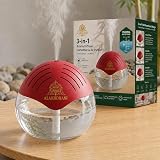
ALAKHDHANI 3-in-1 Aroma Diffuser, Humidifier & Air Purifier | Ultrasonic Cool Mist Humidifier for Home, Bedroom, Office, Spa | Red
₹999.00 (as of September 19, 2026 18:50 GMT +05:30 - More infoProduct prices and availability are accurate as of the date/time indicated and are subject to change. Any price and availability information displayed on [relevant Amazon Site(s), as applicable] at the time of purchase will apply to the purchase of this product.)
Purnkam™ Small Air Purifiers for Bedroom Home with HEPA Filters, HEPA Filter Cleaner with Aromatherapy for Better Sleep Bedroom and Living Room, Allergies, Dust, Pet Dander, Odour, Smoke, Office
₹999.00 (as of September 19, 2026 18:50 GMT +05:30 - More infoProduct prices and availability are accurate as of the date/time indicated and are subject to change. Any price and availability information displayed on [relevant Amazon Site(s), as applicable] at the time of purchase will apply to the purchase of this product.)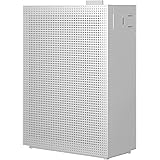
Coway Airmega 150 (Ap-1019C) Air Purifier For Home,Longest Filter Life 8500Hrs (Approx. 1.5-2 Yrs),Anti-Virus True Hepa Filter (H13),Kills Allergies,Virus,Germs & Pm 0.01 With 99.999% Efficiency,White
₹16,999.00 (as of September 19, 2026 18:50 GMT +05:30 - More infoProduct prices and availability are accurate as of the date/time indicated and are subject to change. Any price and availability information displayed on [relevant Amazon Site(s), as applicable] at the time of purchase will apply to the purchase of this product.)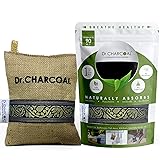
Dr. CHARCOAL Air Purifier Bag for Car and Bathroom with Activated Carbon to remove Pollutants, Bad Smell and Moisture - 200 Grams (Classic Khaki)
₹649.00 (as of September 19, 2026 18:50 GMT +05:30 - More infoProduct prices and availability are accurate as of the date/time indicated and are subject to change. Any price and availability information displayed on [relevant Amazon Site(s), as applicable] at the time of purchase will apply to the purchase of this product.)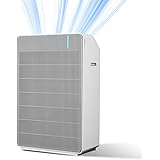
Cuckoo Respure Copper Air Purifier for Home, HEPA 13, Covers 570 Sqft/15min | 1 Additional Free Filter,408 m³/h CADR,PM 2.5 Sensor,Removes 99.99% Dust,Virus,Germs,Pet Hair,Allergens, 8 Yrs Motor Warranty
₹16,990.00 (as of September 19, 2026 18:50 GMT +05:30 - More infoProduct prices and availability are accurate as of the date/time indicated and are subject to change. Any price and availability information displayed on [relevant Amazon Site(s), as applicable] at the time of purchase will apply to the purchase of this product.)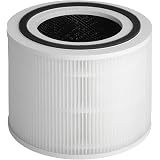
Replacement Filter Compatible with Levoit Core 300-P / 300S-P Air Purifiers | 3-in-1 True HEPA + Pre-Filter + Activated Carbon | Captures Dust, Pollen, Smoke, Odors & Pet Dander | Pack of 1
₹1,499.00 (as of September 19, 2026 18:50 GMT +05:30 - More infoProduct prices and availability are accurate as of the date/time indicated and are subject to change. Any price and availability information displayed on [relevant Amazon Site(s), as applicable] at the time of purchase will apply to the purchase of this product.)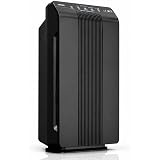
WINIX 5500-2 Air Purifier for Home Large Room Up to 1881 Ft² in 1 Hr, True HEPA, High Deodorization Carbon Filter and Auto Mode, Captures Pet Allergies, Smoke, 2 YEAR WARRANTY
₹15,999.00 (as of September 19, 2026 18:50 GMT +05:30 - More infoProduct prices and availability are accurate as of the date/time indicated and are subject to change. Any price and availability information displayed on [relevant Amazon Site(s), as applicable] at the time of purchase will apply to the purchase of this product.)
LINSO Portable Air Purifier for Home & Office | Compact Indoor Air Cleaner for Bedroom, Living Room, Study Desk & Workspace | Multi Color
Now retrieving the price.
(as of September 19, 2026 18:50 GMT +05:30 - More infoProduct prices and availability are accurate as of the date/time indicated and are subject to change. Any price and availability information displayed on [relevant Amazon Site(s), as applicable] at the time of purchase will apply to the purchase of this product.)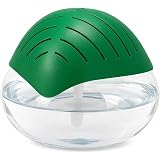
Portable 3-in-1 Air Purifier, Aroma Diffuser & Air Humidifier with 1500ml Water Tank – Electric Revitalizer for Home, Office, Bedroom & Spa (Green)
₹869.00 (as of September 19, 2026 18:50 GMT +05:30 - More infoProduct prices and availability are accurate as of the date/time indicated and are subject to change. Any price and availability information displayed on [relevant Amazon Site(s), as applicable] at the time of purchase will apply to the purchase of this product.)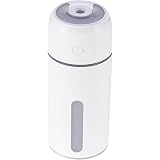
ZOOMELLA Electric Air Diffuser USB Humidifier LED Night Light Up Home Purifier White| Humidifiers|Home & Garden
Now retrieving the price.
(as of September 20, 2026 12:10 GMT +05:30 - More infoProduct prices and availability are accurate as of the date/time indicated and are subject to change. Any price and availability information displayed on [relevant Amazon Site(s), as applicable] at the time of purchase will apply to the purchase of this product.)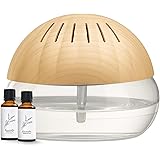
HOMNIX Air Revitalizer | Portable Room Air Purifier with 2 Essential Oils 500ml | Air Humidifier for Bed Room to Improve Air Quality & Room Moisture Ideal for Home & Office (Wooden)
₹1,299.00 (as of September 20, 2026 12:10 GMT +05:30 - More infoProduct prices and availability are accurate as of the date/time indicated and are subject to change. Any price and availability information displayed on [relevant Amazon Site(s), as applicable] at the time of purchase will apply to the purchase of this product.)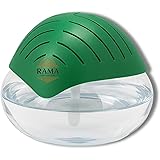
Rama Emporium Portable 3-in-1 Air Purifier, Aroma Diffuser & Air Humidifier with 500ml Water Tank – Electric Revitalizer for Fresh Air & Fragrance at Home, Office, Bedroom & Spa (Green)
₹869.00 (as of September 20, 2026 12:10 GMT +05:30 - More infoProduct prices and availability are accurate as of the date/time indicated and are subject to change. Any price and availability information displayed on [relevant Amazon Site(s), as applicable] at the time of purchase will apply to the purchase of this product.)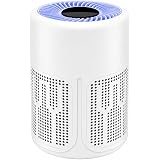
VIBEVISTA Portable Air Purifier for Home & Office, 360° Air Intake, Quiet Operation, Compact Desktop Air Cleaner for Bedroom, Living Room, Office & Small Rooms, White
₹1,999.00 (as of September 20, 2026 12:10 GMT +05:30 - More infoProduct prices and availability are accurate as of the date/time indicated and are subject to change. Any price and availability information displayed on [relevant Amazon Site(s), as applicable] at the time of purchase will apply to the purchase of this product.)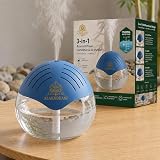
ALAKHDHANI 3-in-1 Aroma Diffuser, Humidifier & Air Purifier | 1500ml Essential Oil Diffuser for Aromatherapy | Ultrasonic Cool Mist Humidifier for Home, Bedroom, Office, Spa | Covers 500 Sq.Ft | Blue
₹999.00 (as of September 20, 2026 12:10 GMT +05:30 - More infoProduct prices and availability are accurate as of the date/time indicated and are subject to change. Any price and availability information displayed on [relevant Amazon Site(s), as applicable] at the time of purchase will apply to the purchase of this product.)
Duotronix Wearable Portable Air Purifier Necklace for Pure Air & Clean Breathing |Personal Ionizer |No Filter Needed | Ultra Quiet Air Cleaner for Travel, Office, Flights, Metro, Kids & Pets (Sliver)
₹2,499.00 (as of September 20, 2026 12:10 GMT +05:30 - More infoProduct prices and availability are accurate as of the date/time indicated and are subject to change. Any price and availability information displayed on [relevant Amazon Site(s), as applicable] at the time of purchase will apply to the purchase of this product.)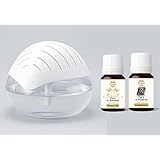
Rama Emporium Portable 3-in-1 Air Purifier, Aroma Diffuser & Air Humidifier with 500ml Water Tank – Electric Revitalizer with 2 Free Essential Oils (10ml Each) for Home, Office, Bedroom & Spa (White)
₹899.00 (as of September 20, 2026 12:10 GMT +05:30 - More infoProduct prices and availability are accurate as of the date/time indicated and are subject to change. Any price and availability information displayed on [relevant Amazon Site(s), as applicable] at the time of purchase will apply to the purchase of this product.)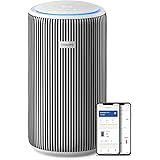
PHILIPS Smart Air Purifier AC3220/60 Upto 135 m2 Room Size Smart Portable Air Purifier Real Time AQI Display|Covers upto 600 sqft 520 m3/h|(Silver, Arctic White)
₹20,199.00 (as of September 20, 2026 12:10 GMT +05:30 - More infoProduct prices and availability are accurate as of the date/time indicated and are subject to change. Any price and availability information displayed on [relevant Amazon Site(s), as applicable] at the time of purchase will apply to the purchase of this product.)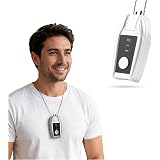
LOCUS Wearable And Portable Filterless Air Purifier | 999 Percent Pollutant Removal | Fights Against Dust And Smoke Allergy | 55Hr Battery (Silver)
₹2,799.00 (as of September 20, 2026 12:10 GMT +05:30 - More infoProduct prices and availability are accurate as of the date/time indicated and are subject to change. Any price and availability information displayed on [relevant Amazon Site(s), as applicable] at the time of purchase will apply to the purchase of this product.)
LINSO Portable Air Purifier for Home & Office | Compact Indoor Air Cleaner for Bedroom, Living Room, Study Desk & Workspace | Multi Color
Now retrieving the price.
(as of September 20, 2026 12:10 GMT +05:30 - More infoProduct prices and availability are accurate as of the date/time indicated and are subject to change. Any price and availability information displayed on [relevant Amazon Site(s), as applicable] at the time of purchase will apply to the purchase of this product.)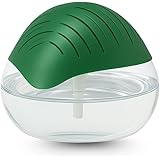
Fragair Other Portable Room Air Purifier Aroma Diffuser Or Humidifier Revitalizer, 500 Ml, Green
₹999.00 (as of September 20, 2026 12:10 GMT +05:30 - More infoProduct prices and availability are accurate as of the date/time indicated and are subject to change. Any price and availability information displayed on [relevant Amazon Site(s), as applicable] at the time of purchase will apply to the purchase of this product.)
Purnkam™ Small Air Purifiers for Bedroom Home with HEPA Filters, HEPA Filter Cleaner with Aromatherapy for Better Sleep Bedroom and Living Room, Allergies, Dust, Pet Dander, Odour, Smoke, Office
₹999.00 (as of September 20, 2026 12:10 GMT +05:30 - More infoProduct prices and availability are accurate as of the date/time indicated and are subject to change. Any price and availability information displayed on [relevant Amazon Site(s), as applicable] at the time of purchase will apply to the purchase of this product.)
VELURA 4xAir Humidifier in-Bottle Cap Mist Maker Mute Auto-Off Night Light for Travel|Humidifiers
₹2,026.00 (as of September 20, 2026 12:10 GMT +05:30 - More infoProduct prices and availability are accurate as of the date/time indicated and are subject to change. Any price and availability information displayed on [relevant Amazon Site(s), as applicable] at the time of purchase will apply to the purchase of this product.)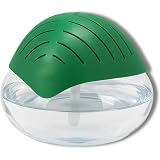
Air O Matic Room Air Purifier and Humidifier Revitalizer (Green)-Compact Green Plastic Freshener for Home & Office – Pack of 1
₹1,233.00 (as of September 20, 2026 12:10 GMT +05:30 - More infoProduct prices and availability are accurate as of the date/time indicated and are subject to change. Any price and availability information displayed on [relevant Amazon Site(s), as applicable] at the time of purchase will apply to the purchase of this product.)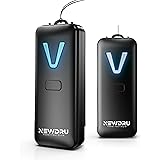
NEWDRU Wearable Air Purifier, Portable Mini Rechargeable Personal Purifier with 15-Hour Battery | Negative Ion Technology for Clean Air | Lightweight, Stylish & Travel-Friendly - PureVibe Pro (Black)
₹1,424.00 (as of September 20, 2026 12:10 GMT +05:30 - More infoProduct prices and availability are accurate as of the date/time indicated and are subject to change. Any price and availability information displayed on [relevant Amazon Site(s), as applicable] at the time of purchase will apply to the purchase of this product.)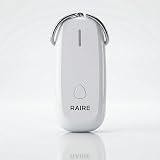
RAIRE M1 Wearable Personal Air Purifier, Portable Filterless Necklace with Normal & Turbo Modes, Up to 180 Hours Runtime, USB-C Rechargeable, 48 g Lightweight Design, White
₹2,799.00 (as of September 20, 2026 12:10 GMT +05:30 - More infoProduct prices and availability are accurate as of the date/time indicated and are subject to change. Any price and availability information displayed on [relevant Amazon Site(s), as applicable] at the time of purchase will apply to the purchase of this product.)
Rama Emporium 2-in-1 Air Diffuser & Humidifier with 500ml Water Tank Capacity, White Aroma Diffuser for Bedroom & Office, Free Fragrance Oil Included (Green LED)
₹1,399.00 (as of September 20, 2026 12:10 GMT +05:30 - More infoProduct prices and availability are accurate as of the date/time indicated and are subject to change. Any price and availability information displayed on [relevant Amazon Site(s), as applicable] at the time of purchase will apply to the purchase of this product.)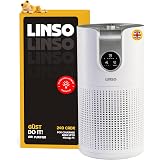
LINSO GUST Air Purifier for Home, Bedroom 240 m³/h CADR, 418 Sq. Ft. | A Brand Of UK | Aroma Diffuser, Child Lock, Timer & Touch Screen Display | Filteration of Smoke & Dust for Babies & Pets
₹6,999.00 (as of September 20, 2026 12:10 GMT +05:30 - More infoProduct prices and availability are accurate as of the date/time indicated and are subject to change. Any price and availability information displayed on [relevant Amazon Site(s), as applicable] at the time of purchase will apply to the purchase of this product.)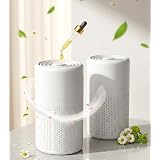
UNMAT Portable HEPA Air Purifier for Home, Office, Bedroom & Car | 360° Air Intake Air Cleaner with H13 HEPA Filter | Low Noise, Energy Efficient Desktop Air Purifier for Dust, Smoke & Allergens
₹1,799.00 (as of September 20, 2026 12:10 GMT +05:30 - More infoProduct prices and availability are accurate as of the date/time indicated and are subject to change. Any price and availability information displayed on [relevant Amazon Site(s), as applicable] at the time of purchase will apply to the purchase of this product.)