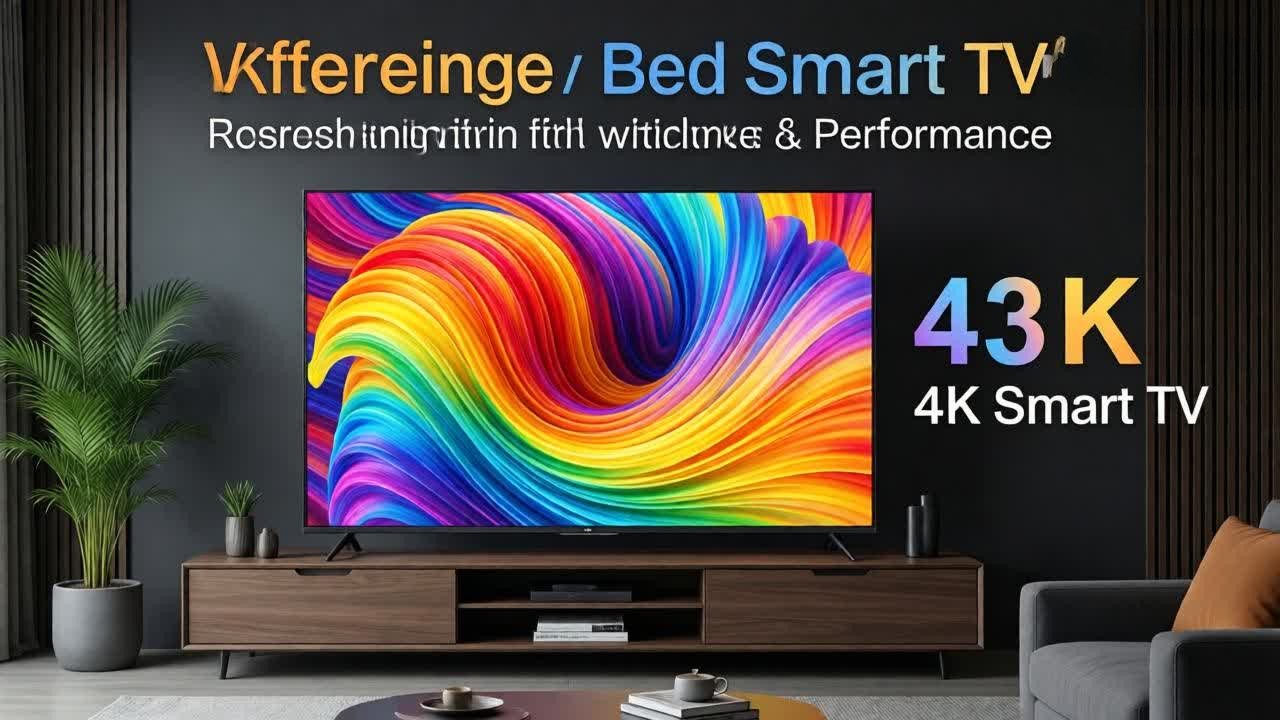
The 43-inch 4K Smart TV landscape is a vibrant and competitive arena, offering a compelling blend of immersive visuals, intelligent functionality, and increasingly accessible pricing. For consumers seeking a significant upgrade without demanding an expansive living room footprint, this screen size has become a sweet spot. But what truly differentiates one 43-inch 4K Smart TV from another? It boils down to a nuanced interplay of picture quality, smart features, audio prowess, and overall user experience. Delving into these core components reveals the tangible “difference” that elevates a good TV to a great one.
The Unseen Powerhouse: Picture Quality Deep Dive
At the heart of any 4K Smart TV lies its display technology, and for a 43-inch model, this is where the magic truly begins. The jump from Full HD (1080p) to 4K (2160p) resolution is dramatic. This quadruples the pixel count, resulting in sharper, more detailed images that are particularly noticeable on screens of this size. Text is crisper, fine details in landscapes pop, and the overall sense of realism is significantly enhanced. However, raw resolution is only one piece of the puzzle.
Contrast Ratio and Black Levels: The ability of a TV to display deep blacks and bright whites simultaneously, known as contrast ratio, is paramount for picture depth and realism. Higher contrast ratios mean more discernible detail in dark scenes, preventing them from appearing as muddy grey blobs. Technologies like local dimming, where specific zones of the backlight can be dimmed independently, are crucial for achieving superior black levels on LED-based displays. For a 43-inch TV, even subtle improvements in this area can make a substantial impact on perceived image quality, especially when watching movies or content with significant dynamic range.
Color Accuracy and Gamut: Beyond sharpness, the vibrancy and accuracy of colors are critical. A wider color gamut means the TV can reproduce a broader spectrum of colors, leading to richer reds, more lifelike greens, and deeper blues. Look for specifications like DCI-P3 coverage, a standard used in the film industry, as an indicator of excellent color reproduction. Color accuracy, the fidelity with which the TV displays colors as intended by the content creator, is equally important. Factory calibration plays a role, but the ability of the TV to be further calibrated by the user or a professional can unlock its full potential.
HDR (High Dynamic Range) Implementation: High Dynamic Range is no longer a niche feature; it’s a cornerstone of modern TV performance. HDR expands the range of brightness and color that a TV can display, resulting in more lifelike images with brighter highlights and deeper shadows. For a 43-inch 4K TV, effective HDR processing is what truly bridges the gap between standard and premium viewing. Key HDR formats to consider include HDR10, the most common, and Dolby Vision, which offers dynamic metadata for scene-by-scene optimization. The TV’s peak brightness capabilities are a significant factor in how effectively it can showcase HDR content. Brighter highlights and greater contrast are the hallmarks of a well-implemented HDR experience.
Motion Handling and Refresh Rate: For fast-paced content like sports or action movies, smooth motion is essential. While many 43-inch 4K TVs boast a native 60Hz refresh rate, some may offer higher rates or employ motion interpolation technologies. These technologies aim to reduce motion blur by inserting artificial frames. The effectiveness of these systems varies, and some users may find them to introduce an unnatural “soap opera effect.” For discerning viewers, looking for a TV with good native motion clarity and minimal judder is often preferred.
Smart TV Ecosystems: Beyond the Apps
The “smart” in Smart TV is no longer just about streaming apps. It’s about a seamless, intuitive, and integrated user experience. The operating system a 4K TV employs is a critical differentiator.
Platform Choice and App Availability: Leading platforms like Google TV (formerly Android TV), Roku TV, webOS (LG), and Tizen (Samsung) each offer a distinct interface and app library. Google TV, with its vast app selection and integration with Google Assistant, is a popular choice. Roku TV is lauded for its simplicity and extensive channel support. LG’s webOS is known for its user-friendly design, while Samsung’s Tizen offers a robust and customizable experience. The availability of your preferred streaming services, along with the ease of accessing them, is paramount.
Voice Control and Smart Home Integration: The integration of voice assistants like Google Assistant, Amazon Alexa, or proprietary voice control systems elevates the smart TV experience. The ability to search for content, control playback, adjust settings, or even interact with other smart home devices using your voice adds a layer of convenience. For a 43-inch TV, which might be placed in a bedroom or smaller living area, this hands-free control can be particularly beneficial.
User Interface and Navigation: A clunky or confusing interface can quickly sour the smart TV experience. A well-designed UI is intuitive, responsive, and allows for easy navigation between apps, settings, and input sources. The responsiveness of the TV’s processor in handling menu transitions and app loading times is a key factor in perceived performance.
Connectivity and Future-Proofing: The number and type of HDMI ports are important, especially for connecting gaming consoles, soundbars, or Blu-ray players. Look for HDMI 2.1 ports if you’re a gamer, as they support features like Variable Refresh Rate (VRR) and Auto Low Latency Mode (ALLM) for smoother gameplay. Wi-Fi connectivity, including support for newer standards like Wi-Fi 6, ensures stable streaming performance.
Audio Performance: The Often-Overlooked Element
While a 43-inch 4K Smart TV is primarily a visual medium, its audio performance can significantly impact the overall viewing experience. Many budget-friendly models often compromise on sound quality, relying on basic built-in speakers.
Speaker Configuration and Wattage: The number of speakers and their total wattage provide a general indication of potential sound volume and clarity. However, the quality of the speaker drivers and the audio processing algorithms employed are more critical than raw numbers.
Sound Enhancement Technologies: Technologies like Dolby Atmos or DTS:X can create a more immersive soundscape, simulating audio coming from different directions. Even without dedicated upward-firing or side-firing speakers, a TV’s ability to decode and process these formats can improve the perceived spatial audio.
External Audio Solutions: For a truly cinematic audio experience, most users will opt for a soundbar or a dedicated home theater system. However, a good 43-inch TV should still offer clear dialogue and a decent level of immersion for casual viewing when relying solely on its internal speakers. The presence of eARC (enhanced Audio Return Channel) on HDMI ports is crucial for passing high-quality audio signals to external sound systems.
The 43-Inch Advantage: Size, Placement, and Value
The 43-inch screen size offers a unique set of advantages that contribute to its growing popularity. It’s large enough to provide an immersive viewing experience for individual viewing or small groups, yet compact enough to fit comfortably in a wider range of rooms, from bedrooms and kitchens to smaller apartments and dorm rooms.
Viewing Distance and Immersion: For typical viewing distances in smaller rooms, a 43-inch 4K TV strikes an excellent balance between detail and immersion. The pixel density remains high enough that individual pixels are not discernible, allowing the viewer to appreciate the sharpness and clarity of 4K content.
Value Proposition: 43-inch 4K Smart TVs often represent a compelling value proposition. They offer the core benefits of 4K resolution and smart functionality at a more accessible price point than their larger counterparts. This makes them an attractive option for budget-conscious consumers or those looking for a secondary TV.
Placement Flexibility: The relatively smaller footprint of a 43-inch TV makes it easier to place on furniture, mount on a wall, or integrate into existing entertainment setups without overwhelming the space.
The “Difference” Defined:
Ultimately, the “difference” in 43-inch 4K Smart TV performance is not a single feature but the synergistic combination of these elements. A TV that excels in picture quality, offering vibrant colors, deep blacks, and smooth motion, coupled with a responsive and intuitive smart platform, clear audio, and robust connectivity, will provide a demonstrably superior viewing experience. When researching your next purchase, look beyond the marketing jargon and delve into the specifics of each component to truly discover the difference that a high-quality 43-inch 4K Smart TV can make in your home entertainment.
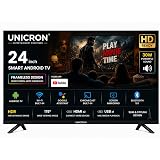
24 inch smart tv Android Frameless HD LED TV | WiFi Enabled | Built-in Apps Compatible (YouTube, Netflix, Prime Video) | HDMI, USB Connectivity | Screenmirror | Slim & Stylish | Black Premium Design
₹7,399.00 (as of September 22, 2026 00:11 GMT +05:30 - More infoProduct prices and availability are accurate as of the date/time indicated and are subject to change. Any price and availability information displayed on [relevant Amazon Site(s), as applicable] at the time of purchase will apply to the purchase of this product.)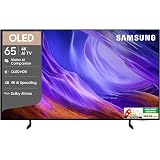
Samsung 65 inches OLED 4K Samsung Vision AI Smart TV QA65S85HAELXL
₹1,55,990.00 (as of September 22, 2026 00:11 GMT +05:30 - More infoProduct prices and availability are accurate as of the date/time indicated and are subject to change. Any price and availability information displayed on [relevant Amazon Site(s), as applicable] at the time of purchase will apply to the purchase of this product.)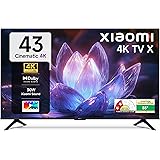
Xiaomi (108 cm) 43 inch X 4K Ultra HD Smart | Dolby Vision | Eye Care Mode | Google TV | L43MB-AIN
₹27,499.00 (as of September 22, 2026 00:11 GMT +05:30 - More infoProduct prices and availability are accurate as of the date/time indicated and are subject to change. Any price and availability information displayed on [relevant Amazon Site(s), as applicable] at the time of purchase will apply to the purchase of this product.)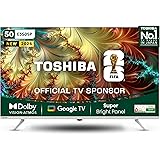
Toshiba 126 cm (50 inches) E350SP Series 4K Ultra HD Smart LED Google TV 50E350SP
₹33,990.00 (as of September 22, 2026 00:11 GMT +05:30 - More infoProduct prices and availability are accurate as of the date/time indicated and are subject to change. Any price and availability information displayed on [relevant Amazon Site(s), as applicable] at the time of purchase will apply to the purchase of this product.)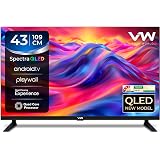
VW 109 cm (43 inches) Spectra Series Full HD Smart QLED Android TV VW43AQ3
₹15,499.00 (as of September 22, 2026 00:11 GMT +05:30 - More infoProduct prices and availability are accurate as of the date/time indicated and are subject to change. Any price and availability information displayed on [relevant Amazon Site(s), as applicable] at the time of purchase will apply to the purchase of this product.)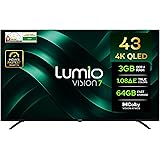
Lumio Vision 7 2026 109cm (43 inches) 4K Ultra HD Smart QLED Google TV FTW1-ADSJ
₹32,999.00 (as of September 22, 2026 00:11 GMT +05:30 - More infoProduct prices and availability are accurate as of the date/time indicated and are subject to change. Any price and availability information displayed on [relevant Amazon Site(s), as applicable] at the time of purchase will apply to the purchase of this product.)
Hisense 108 cm (43 inches) E6S Series 4K Ultra HD Smart LED Google TV 43E6S
₹26,990.00 (as of September 22, 2026 00:11 GMT +05:30 - More infoProduct prices and availability are accurate as of the date/time indicated and are subject to change. Any price and availability information displayed on [relevant Amazon Site(s), as applicable] at the time of purchase will apply to the purchase of this product.)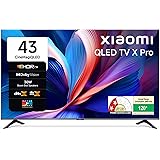
Xiaomi (108 cm) 43 inch X Pro 4K QLED | Dolby Vision & HDR10+| Filmmaker Mode|Gemini AI| Google TV | L43MB-APIN
₹30,990.00 (as of September 22, 2026 00:11 GMT +05:30 - More infoProduct prices and availability are accurate as of the date/time indicated and are subject to change. Any price and availability information displayed on [relevant Amazon Site(s), as applicable] at the time of purchase will apply to the purchase of this product.)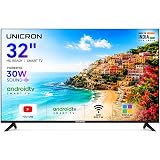
UNICRON 32 Inch Android Smart TV, HD Ready LED Television with WiFi, 30W Sound with Premium Frameless Design for Home, Office, Gaming & Security Monitoring
₹10,399.00 (as of September 22, 2026 00:11 GMT +05:30 - More infoProduct prices and availability are accurate as of the date/time indicated and are subject to change. Any price and availability information displayed on [relevant Amazon Site(s), as applicable] at the time of purchase will apply to the purchase of this product.)
TCL 139 cm (55 Inches) SmartChoice 4K UHD Smart QD-Mini LED Google TV | 144Hz Refresh Rate | 3GB RAM | 46W Onkyo 2.1 | Upto 512+ Zones | IMAX Enhanced | 55Q6C
₹62,990.00 (as of September 22, 2026 00:11 GMT +05:30 - More infoProduct prices and availability are accurate as of the date/time indicated and are subject to change. Any price and availability information displayed on [relevant Amazon Site(s), as applicable] at the time of purchase will apply to the purchase of this product.)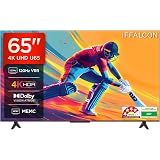
iFFALCON 164 cm (65 Inches) 4K UHD Smart LED Google TV | 120Hz VRR | Dolby Vision & Atmos | Game Master | 65U65
₹39,999.00 (as of September 22, 2026 00:11 GMT +05:30 - More infoProduct prices and availability are accurate as of the date/time indicated and are subject to change. Any price and availability information displayed on [relevant Amazon Site(s), as applicable] at the time of purchase will apply to the purchase of this product.)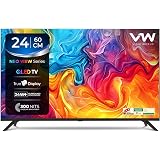
Visio World VW 60 cm (24 inch) HD Ready QLED TV VW24S2
₹5,399.00 (as of September 22, 2026 00:11 GMT +05:30 - More infoProduct prices and availability are accurate as of the date/time indicated and are subject to change. Any price and availability information displayed on [relevant Amazon Site(s), as applicable] at the time of purchase will apply to the purchase of this product.)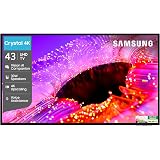
Samsung 43 inch (108cm) Crystal UHD 4K Vision AI 2026 Smart TV | 30W Speakers | 4K Upscaling | HDR10+ | 150+ Channels | 7 Years OS Upgrade | UA43UE86AHULXL
₹34,990.00 (as of September 22, 2026 00:11 GMT +05:30 - More infoProduct prices and availability are accurate as of the date/time indicated and are subject to change. Any price and availability information displayed on [relevant Amazon Site(s), as applicable] at the time of purchase will apply to the purchase of this product.)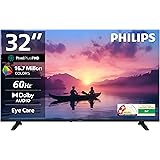
PHILIPS 80 cm (32 inches) 6100 Series Frameless HD Smart LED Google TV 32PFT6130/94
₹15,999.00 (as of September 22, 2026 00:11 GMT +05:30 - More infoProduct prices and availability are accurate as of the date/time indicated and are subject to change. Any price and availability information displayed on [relevant Amazon Site(s), as applicable] at the time of purchase will apply to the purchase of this product.)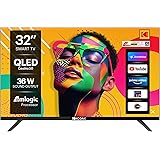
Kodak QLED SE 80 cm (32 inch) QLED HD Ready Smart Linux TV 2025 Edition (32QSE5080)
₹9,799.00 (as of September 22, 2026 00:11 GMT +05:30 - More infoProduct prices and availability are accurate as of the date/time indicated and are subject to change. Any price and availability information displayed on [relevant Amazon Site(s), as applicable] at the time of purchase will apply to the purchase of this product.)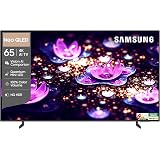
Samsung 65 inch (163cm) Neo QLED 4K Vision AI 2026 Smart TV | NQ4 AI Processor | 4K Upscaling | Quantum Mini LED | NQ HDR | 150+ Channels | QA65QN2EHAULXL
₹1,04,990.00 (as of September 22, 2026 00:11 GMT +05:30 - More infoProduct prices and availability are accurate as of the date/time indicated and are subject to change. Any price and availability information displayed on [relevant Amazon Site(s), as applicable] at the time of purchase will apply to the purchase of this product.)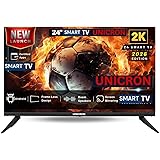
UNICRON 24”INCH Frameless HD Ready Android Smart LED TV | WiFi Enabled | Built-in Apps Compatible (YouTube, Netflix, Prime Video) | HDMI, USB Connectivity | Slim & Stylish
₹7,399.00 (as of September 22, 2026 00:11 GMT +05:30 - More infoProduct prices and availability are accurate as of the date/time indicated and are subject to change. Any price and availability information displayed on [relevant Amazon Site(s), as applicable] at the time of purchase will apply to the purchase of this product.)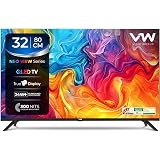
VW 80 cm (32 inches) Pro Series HD Ready Smart QLED Google TV VW32F1
₹9,999.00 (as of September 22, 2026 00:11 GMT +05:30 - More infoProduct prices and availability are accurate as of the date/time indicated and are subject to change. Any price and availability information displayed on [relevant Amazon Site(s), as applicable] at the time of purchase will apply to the purchase of this product.)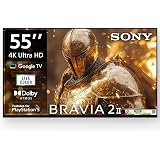
Sony 139 cm (55 inches) BRAVIA 2M2 Series 4K Ultra HD Smart LED Google TV K-55S25BM2
₹61,990.00 (as of September 22, 2026 00:11 GMT +05:30 - More infoProduct prices and availability are accurate as of the date/time indicated and are subject to change. Any price and availability information displayed on [relevant Amazon Site(s), as applicable] at the time of purchase will apply to the purchase of this product.)