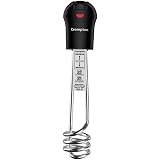
Description: Learn everything about the immersion water heater rod in India. Explore safety tips, power consumption, buying guides, and maximizing efficiency for quick, hot water.
🥶 Introduction: The Essential Water Heater Rod in the Indian Home
The arrival of winter in India, from the chilly plains of Punjab to the cooler mornings in the South, brings with it an immediate, undeniable need for hot water. While complex geysers and bulky storage systems offer solutions, the immersion water heater rod remains the unsung hero of countless Indian households. It is the most accessible, affordable, and portable way to heat water quickly and efficiently.
However, the immersion rod is a deceptively simple device. Its power lies in its basic functionality, but its safe and efficient use requires genuine knowledge and respect for its electrical nature. Misuse can lead to safety hazards, poor heating performance, and unnecessary energy waste.
This comprehensive, expert-driven guide is crafted specifically for the Indian consumer. We will dive deep into the technology, safety protocols, power consumption metrics, and crucial buying considerations to ensure you not only choose the best water heater rod but also use it to its maximum potential—safely and smartly.
⚙️ Section 1: The Immersion Water Heater Rod – Technology and Functionality
To use the device with authority, it is vital to understand its core mechanism. The immersion heater rod operates on a straightforward principle: Joule Heating.
The Core Mechanics of the Water Heater Rod
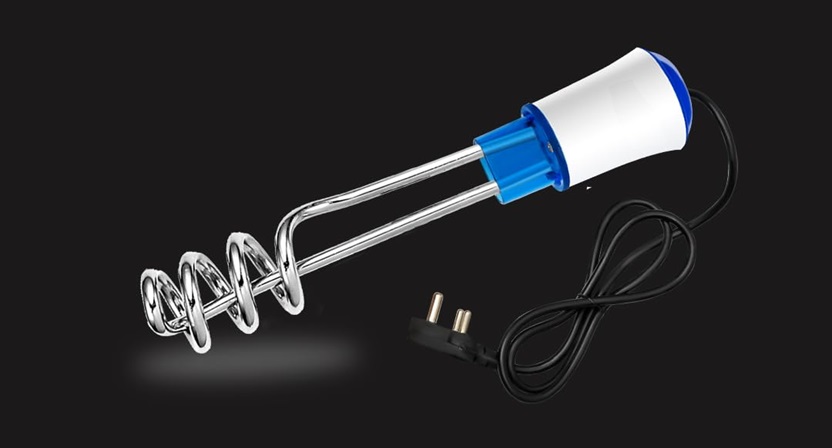
The basic immersion rod consists of three primary components that work in harmony:
- The Heating Element (The Coil): This is the heart of the device. It is a coil made of a high-resistance metal alloy, typically Nichrome (Nickel and Chromium).
- Function: When electricity flows through this high-resistance Nichrome wire, it encounters resistance, which generates heat. This electrical energy is converted directly into thermal energy.
- The Sheath/Casing: The heating element is enclosed in a protective metallic tube or sheath. Common materials for this casing include Copper, Stainless Steel, or Brass (often plated with Nickel or Chrome).
- Function: The sheath safely transfers the heat generated by the coil to the surrounding water while protecting the user from direct contact with the electrical current. Material selection is crucial and will be discussed further.
- The Head/Handle: This is the insulated part of the device, made of sturdy, heat-resistant plastic, where the power cord connects.
- Function: It is designed to be held safely by the user and includes necessary markings (like ISI certification) and potentially a neon indicator light.
Understanding Power Ratings (Watts)
The power rating of a water heater rod, measured in Watts (W), determines both its heating speed and its electricity consumption. Common ratings in the Indian market include:
- 1000 W: Ideal for small households, single users, or heating smaller volumes (e.g., 5-10 litres). Offers a balance of speed and lower consumption.
- 1500 W: The most popular and versatile choice. Excellent for quickly heating 15-20 litres of water for a standard family. It’s the benchmark for speed.
- 2000 W: The high-power option. Best for quickly heating very large buckets or for users needing large volumes of hot water fast. Requires a robust, modern electrical circuit as it draws significant current.
Actionable Insight: A 1500W rod will heat a 15-litre bucket of water from 20°C to 50°C in approximately 10-12 minutes. A 1000W rod will take around 15-18 minutes for the same volume. Choose the wattage based on the time you are willing to wait, balanced against your home’s wiring capacity.
💧 Section 2: Buying the Best Water Heater Rod – A Smart Consumer’s Guide
The Indian market is flooded with immersion rods. Selecting a high-quality, long-lasting device involves scrutinizing material, certification, and specific features.
Choosing the Right Sheath Material
The sheath is constantly immersed in water, making its material vital for longevity and efficiency, particularly in areas with hard water.
- Copper Sheath:
- Pros: Excellent heat transfer (fastest heating), durable.
- Cons: More susceptible to scaling and corrosion from hard water (high mineral content), which is common in many parts of India (e.g., Rajasthan, parts of Maharashtra).
- Stainless Steel Sheath:
- Pros: Good resistance to corrosion and rust, decent heat transfer.
- Cons: Slightly slower heating than pure copper. A reliable middle-ground choice.
- Nickel or Chrome Plated Sheath (over Copper/Brass):
- Pros: Offers the best resistance to scaling and corrosion, making it ideal for hard water areas. The plating provides a smooth, non-reactive surface.
- Cons: Higher initial cost.
ISI Certification – Your Non-Negotiable Safety Standard
In India, a device that uses direct electricity and water must meet stringent quality standards.
- Always look for the ISI Mark (Indian Standards Institute): The ISI certification mark guarantees that the product adheres to the specifications laid out by the Bureau of Indian Standards (BIS). For a water heater rod, this covers crucial aspects like wire gauge, insulation, and material quality.
- Why it Matters: Uncertified rods often use poor quality, thin wires that can overheat, melt the handle, or, in the worst case, cause a short circuit or electric shock. Never compromise on ISI certification.
Advanced Safety Features to Look For
Modern immersion rods incorporate features that significantly enhance safety:
- Automatic Cut-Off/Thermostat: This feature automatically switches off the heating element once the water reaches a pre-set temperature (e.g., 55°C or 60°C). This prevents:
- Overheating: Protecting the rod and the container from damage.
- Dry Heating: Protecting the rod from burning out if the water level drops too low.
- Shock-Proof Handles: Ensure the handle is made of high-grade, heat-resistant, and non-conductive engineering plastic. The handle should be long enough to keep your hand far from the water’s surface.
- Indicator Light (Neon Indicator): A small light on the handle that illuminates when the rod is drawing power and heating. This is a simple but critical visual safety check.
| Feature | Low-Quality Rod | High-Quality (ISI) Rod | Safety/Efficiency Impact |
| Sheath Material | Aluminium or Cheap Iron | Copper/Nickel-Plated | Faster heating, better corrosion resistance. |
| Cut-Off | Manual/None | Automatic Thermostat | Prevents dry heating and accidents. |
| Handle Material | Thin, cheap plastic | Sturdy, heat-resistant polymer | Shock prevention, longevity. |
| Power Cord | Thin, easily damaged PVC | Thick, well-insulated, three-pin plug | Prevents overheating of the wire. |
⚡ Section 3: Power Consumption and Efficiency Secrets
One of the common questions is: Is the water heater rod energy-efficient? The answer is nuanced, but with smart usage, it can be highly efficient for specific use cases.
Calculating Your Electricity Cost (Units Consumed)
The energy consumption of any appliance is calculated using a simple formula:
Energy (Units) } = Power (W) x Time (Hours) / 1000
- Example Case Study (Indian Metro): A 1500W rod used for 15 minutes (0.25 hours) per day.
- Daily Consumption: 1500 W x 0.25 h / 1000 = 0.375 Units.
- Monthly Consumption: 0.375 Units/day x 30 days = 11.25 Units.
- Cost Insight: If your electricity tariff is ₹8 per unit (a common rate in many cities), your monthly cost for hot water would be approximately ₹11.25 x 8 = ₹90.
The Efficiency Advantage: Speed vs. Storage
The immersion rod is technically 100% efficient because all the electrical energy is converted directly into heat within the water. Where it gains an edge over a storage geyser is in its minimal stand-by loss.
- Geyser: Heats a large volume (25L) and then keeps it warm for hours, constantly losing heat to the air (stand-by loss), thus consuming energy to reheat.
- Rod: Heats only the required volume right before use. There is zero stand-by loss.
Efficiency Secret: To maximise the rod’s efficiency, always use the rod in a non-metallic bucket (to prevent heat transfer) and cover the bucket with a lid or cloth while heating. This simple step traps the heat and dramatically reduces heating time by up to 15%, saving electricity.
🚨 Section 4: Safety First – Uncompromising Protocols for Indian Homes
Given the risk of electrocution, which, while rare with certified products, can be fatal, absolute adherence to safety rules is non-negotiable. This is the most crucial section for every Indian reader.
The Five Golden Rules of Immersion Rod Safety
- The “Always Out” Rule: Never leave the water heater rod plugged in while removing it from the water or while touching the water for a temperature check. First, switch off the socket. Second, remove the plug. Only then touch the rod or the water.
- Maintain the Minimum Water Level: The heating element must be fully submerged in the water before plugging it in. Dry heating will instantly burn out the element and is the leading cause of rod failure.
- Use Plastic/Fibre Buckets: Always use a bucket made of a non-conductive, heat-resistant material (like plastic or fibre). Never use metal buckets or utensils as the risk of electrical current leakage is amplified.
- Check Your Wiring: Ensure the wall socket and wiring you use for a 1500W or 2000W rod is a 15A socket (the larger, three-pin type). Using a powerful rod in a small 5A socket can cause the socket to overheat, melt, or start a fire.
- Inspect for Damage: Regularly check the insulation on the power cord for cracks, cuts, or exposed wires. The handle should not have any visible damage. If the wire is damaged, replace the entire rod immediately.
Dealing with Hard Water and Scale Build-Up
Over time, hard water minerals (Calcium and Magnesium) form a white, crusty layer (scaling) on the heating element.
- Impact: This scale acts as an insulator, drastically reducing heating efficiency and causing the element inside to overheat and fail prematurely.
- The Solution:
- Regular Cleaning: Unplug the rod, let it cool completely, and gently wipe off the scale with a non-abrasive scrubber.
- Descaling Method: For heavy scale, soak the sheath only in a solution of water and white vinegar (acetic acid) for 30 minutes. The acid dissolves the mineral deposits. Rinse thoroughly afterward.
🚀 Conclusion: The Smart, Safe, and Affordable Choice
The immersion water heater rod is an undeniable cornerstone of the modern Indian winter experience. When chosen wisely (prioritizing ISI certification and the right sheath material for your water type) and used with strict adherence to safety protocols (the “Always Out” Rule), it is an unparalleled source of quick, affordable hot water.
By understanding its power consumption and implementing simple efficiency hacks like covering the bucket, you can enjoy the warmth of instant hot water without fearing excessive electricity bills or safety hazards. The power of the water heater rod lies in its simplicity—respect that power, and it will serve you reliably for years.
✍️ Compelling Call to Action
Don’t risk your safety with an uncertified rod! Upgrade your winter routine today by choosing an ISI-certified, automatically cutting-off water heater rod—click here to explore our top-rated, safe, and efficient models and ensure warm, worry-free mornings!
GM Immersion Rod Water Heater with Bucket Guard 1000W 6 AMP Plug Superior Copper Element Heat Resistant Handle Nickel Plated Prevents Corrosion Double ISI Certified 1.6M Cord 2 Years Warranty
₹549.00 (as of September 19, 2026 17:58 GMT +05:30 - More infoProduct prices and availability are accurate as of the date/time indicated and are subject to change. Any price and availability information displayed on [relevant Amazon Site(s), as applicable] at the time of purchase will apply to the purchase of this product.)
Devout distinct technology 1500 watts immersion water heater Rod/With Anti Rust Coating/100% shockproof ABS body/With Bucket Holder/2 year replacement warranty
₹549.00 (as of September 19, 2026 17:58 GMT +05:30 - More infoProduct prices and availability are accurate as of the date/time indicated and are subject to change. Any price and availability information displayed on [relevant Amazon Site(s), as applicable] at the time of purchase will apply to the purchase of this product.)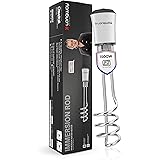
Longway LWIR01 1500W Immersion Water Heater | Anti-Corrosive & Shockproof Immersion Rod with Fast Heating Coil Technology | Nickel Plated | ISI Certified | 2 Years Replacement Warranty (White)
₹449.00 (as of September 19, 2026 17:58 GMT +05:30 - More infoProduct prices and availability are accurate as of the date/time indicated and are subject to change. Any price and availability information displayed on [relevant Amazon Site(s), as applicable] at the time of purchase will apply to the purchase of this product.)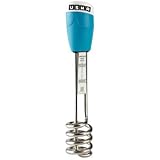
Usha IR 3815 1500W Shock Proof Immersion Rod (Blue)
₹599.00 (as of September 19, 2026 17:58 GMT +05:30 - More infoProduct prices and availability are accurate as of the date/time indicated and are subject to change. Any price and availability information displayed on [relevant Amazon Site(s), as applicable] at the time of purchase will apply to the purchase of this product.)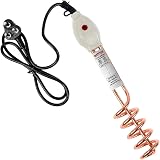
DAINTY TECH Immersion Water Heater Rod, 2000W, Copper Heating Element, ISI Mark, Fast and Even Heating (Grey)
₹399.00 (as of September 19, 2026 17:58 GMT +05:30 - More infoProduct prices and availability are accurate as of the date/time indicated and are subject to change. Any price and availability information displayed on [relevant Amazon Site(s), as applicable] at the time of purchase will apply to the purchase of this product.)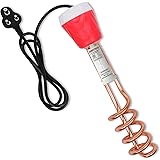
Electric Arc Plus Immersion Heater Rod 2000W | For Bucket Water Heating Only | ISI Certified | Shock Proof | Copper Element | Safe & Fast Heating
₹399.00 (as of September 19, 2026 17:58 GMT +05:30 - More infoProduct prices and availability are accurate as of the date/time indicated and are subject to change. Any price and availability information displayed on [relevant Amazon Site(s), as applicable] at the time of purchase will apply to the purchase of this product.)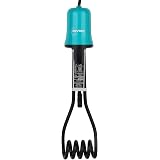
Devout distinct technology 1500 watts immersion water heater/Automatic Cut-off /100% shockproof ABS body/With Bucket Holder/2 year replacement warranty Sky Blue
₹599.00 (as of September 19, 2026 17:58 GMT +05:30 - More infoProduct prices and availability are accurate as of the date/time indicated and are subject to change. Any price and availability information displayed on [relevant Amazon Site(s), as applicable] at the time of purchase will apply to the purchase of this product.)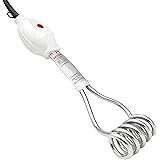
DAINTY TECH 2000 W Immersion Heater Rod – Budget Electric Heating Rod for Quick Hot Water
₹399.00 (as of September 19, 2026 17:58 GMT +05:30 - More infoProduct prices and availability are accurate as of the date/time indicated and are subject to change. Any price and availability information displayed on [relevant Amazon Site(s), as applicable] at the time of purchase will apply to the purchase of this product.)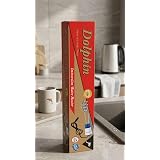
Dolphin Immersion Water Heater Rod with SS Heating Element | On/Off Switch, Fast Heating, Made in India, Spiral Coil Design, Electric Powered
Now retrieving the price.
(as of September 19, 2026 17:58 GMT +05:30 - More infoProduct prices and availability are accurate as of the date/time indicated and are subject to change. Any price and availability information displayed on [relevant Amazon Site(s), as applicable] at the time of purchase will apply to the purchase of this product.)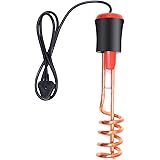
ANTRONIC Shockproof Rod 1500W Immersion Water Heater Rod
₹299.00 (as of September 19, 2026 17:58 GMT +05:30 - More infoProduct prices and availability are accurate as of the date/time indicated and are subject to change. Any price and availability information displayed on [relevant Amazon Site(s), as applicable] at the time of purchase will apply to the purchase of this product.)
Crompton IHL 251 1500-Watt Immersion Water Heater with Copper Heating Element and IP 68 Protection
₹599.00 (as of September 19, 2026 17:58 GMT +05:30 - More infoProduct prices and availability are accurate as of the date/time indicated and are subject to change. Any price and availability information displayed on [relevant Amazon Site(s), as applicable] at the time of purchase will apply to the purchase of this product.)
Bajaj 1000 W Immersion Water Heater Rod | Nickel-Plated Heating Element | 2 Year Warranty
₹575.00 (as of September 19, 2026 17:58 GMT +05:30 - More infoProduct prices and availability are accurate as of the date/time indicated and are subject to change. Any price and availability information displayed on [relevant Amazon Site(s), as applicable] at the time of purchase will apply to the purchase of this product.)
DigiSmart 2000W Immersion Water Heater Rod | Shock Proof | Double ISI Certified | Stainless Steel Heating Element | ABS Body with Bucket Clip | Fast Heating | 1 Year Warranty | Black
₹528.00 (as of September 19, 2026 17:58 GMT +05:30 - More infoProduct prices and availability are accurate as of the date/time indicated and are subject to change. Any price and availability information displayed on [relevant Amazon Site(s), as applicable] at the time of purchase will apply to the purchase of this product.)
GM Immersion Rod Water Heater with Bucket Guard 1500W 16 AMP Plug Superior Copper Element Heat Resistant Handle Nickel Plated Prevents Corrosion Double ISI Certified 1.6M Cord 2 Years Warranty
₹649.00 (as of September 19, 2026 17:58 GMT +05:30 - More infoProduct prices and availability are accurate as of the date/time indicated and are subject to change. Any price and availability information displayed on [relevant Amazon Site(s), as applicable] at the time of purchase will apply to the purchase of this product.)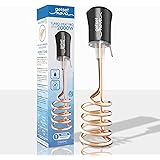
Water Heater Rod Heater for Bathroom Immersion Rod Water Heater, Copper and Nickel Rust-Free Coating, Shock Proof Design for Durable Life with Rapid Coil Heating Technology 1 Year Warranty (COPPER)
Now retrieving the price.
(as of September 19, 2026 17:58 GMT +05:30 - More infoProduct prices and availability are accurate as of the date/time indicated and are subject to change. Any price and availability information displayed on [relevant Amazon Site(s), as applicable] at the time of purchase will apply to the purchase of this product.)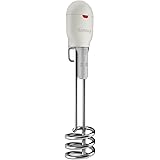
Havells Zeta 1500 watt Immersion Heater | ISI Mark Heavy Duty 3 Pin Moulded Plug, Touch Protection Cover | Waterproof, Heating Indicator, Nickel Plating, Warranty: 2 Year comprehensive |(Grey) Plastic
₹599.00 (as of September 19, 2026 17:58 GMT +05:30 - More infoProduct prices and availability are accurate as of the date/time indicated and are subject to change. Any price and availability information displayed on [relevant Amazon Site(s), as applicable] at the time of purchase will apply to the purchase of this product.)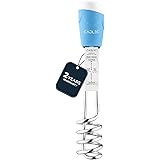
CADLEC HeatJet 1500W Immersion Rod Water Heater | Shockproof Body, Fast Heating, Waterproof Protection & Bucket Holder | ISI Certified | 2-Year Warranty
₹449.00 (as of September 19, 2026 17:58 GMT +05:30 - More infoProduct prices and availability are accurate as of the date/time indicated and are subject to change. Any price and availability information displayed on [relevant Amazon Site(s), as applicable] at the time of purchase will apply to the purchase of this product.)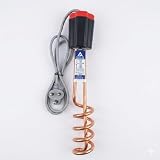
ESN 999 |Immersion water heater 1500W|100% shock proof body|Heavy copper element|With Bucket clip| ISI certified| Pin Moulded Plug|Waterproof |Heating for Buckets,Bath,Kitchen & Home Use
₹299.00 (as of September 19, 2026 17:58 GMT +05:30 - More infoProduct prices and availability are accurate as of the date/time indicated and are subject to change. Any price and availability information displayed on [relevant Amazon Site(s), as applicable] at the time of purchase will apply to the purchase of this product.)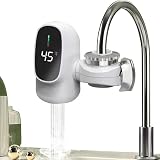
Drumstone (𝐖𝐢𝐧𝐭𝐞𝐫 𝐒𝐚𝐥𝐞 𝟓-𝐲𝐞𝐚𝐫 𝐖𝐚𝐫𝐫𝐚𝐧𝐭𝐲) Dual-Mode Instant Electric Faucet | 3000W Fast Heating, Temperature Control, Digital Display, Compact & Safe for Any Space
Now retrieving the price.
(as of September 19, 2026 17:58 GMT +05:30 - More infoProduct prices and availability are accurate as of the date/time indicated and are subject to change. Any price and availability information displayed on [relevant Amazon Site(s), as applicable] at the time of purchase will apply to the purchase of this product.)