Embarking on your photographic journey with a DSLR camera is an exciting prospect, and thankfully, the sub-₹50,000 bracket offers a wealth of capable options. This guide is meticulously crafted to help you navigate the choices, understand key features, and make an informed decision that will empower your creative vision. Forget the overwhelming jargon; we’ll break down what truly matters for your first interchangeable-lens camera experience, focusing on practical benefits and user-friendliness.
Understanding DSLR Fundamentals:
DSLR stands for Digital Single-Lens Reflex. The “reflex” part refers to the mirror system inside the camera. When you look through the viewfinder, light enters the lens, bounces off a mirror, and is directed upwards to a prism, then out to your eye. When you press the shutter button, the mirror flips up, allowing light to hit the image sensor, capturing your photograph. This optical viewfinder provides a true, lag-free view of your scene, a significant advantage over mirrorless cameras in this price range.
Key Features to Prioritize Under ₹50,000:
-
Sensor Size: For this budget, you’ll primarily encounter APS-C sensors. These are smaller than full-frame sensors but offer a significant improvement in image quality, low-light performance, and depth of field control compared to smartphone cameras or point-and-shoots. Larger sensors generally mean better detail and less noise.
-
Megapixels: While often overemphasized, megapixels (millions of pixels) determine the resolution of your image. For general photography and decent-sized prints, 18-24 megapixels are more than sufficient. Higher megapixel counts allow for greater cropping flexibility without sacrificing too much detail.
-
Autofocus (AF) System: A robust AF system is crucial for capturing sharp images, especially of moving subjects. Look for cameras with a decent number of AF points, and ideally, cross-type sensors which are more sensitive and accurate. The speed and accuracy of the AF will directly impact your ability to freeze action or achieve precise focus.
-
ISO Range: ISO controls the camera’s sensitivity to light. A wider ISO range (e.g., 100-12800 or higher) allows you to shoot in various lighting conditions. Higher ISO values are useful in low light but can introduce digital noise (grain). Cameras with good noise reduction at higher ISOs are highly desirable.
-
Burst Shooting (Frames Per Second – FPS): If you’re interested in sports, wildlife, or capturing fleeting moments, a higher burst rate is beneficial. This allows you to take multiple shots in quick succession, increasing your chances of getting the perfect frame.
-
Video Capabilities: Most DSLRs in this price range offer Full HD (1080p) video recording. Some might even offer 4K, though it’s less common and might come with limitations. If video is a priority, check for features like manual video control, microphone input, and decent autofocus during recording.
-
Connectivity: Wi-Fi and Bluetooth are increasingly standard, allowing for easy image transfer to your smartphone or tablet for sharing and remote control of the camera.
-
Ergonomics and Build Quality: How the camera feels in your hands is paramount. A comfortable grip, well-placed buttons, and a sturdy build will make shooting for extended periods more enjoyable and ensure durability.
Top DSLR Contenders Under ₹50,000 (as of recent market analysis):
-
Canon EOS 200D II (Rebel SL3): This is a fantastic entry-level DSLR known for its compact size, user-friendly interface, and excellent image quality thanks to its 24.1MP APS-C sensor. The articulating touchscreen is a huge plus for vlogging and shooting from awkward angles. Its Dual Pixel CMOS AF system provides smooth and accurate autofocus in both photos and videos. It offers 4K video recording, although with a crop. The kit lens (18-55mm IS STM) is a versatile starting point.
-
Nikon D3500: A perennial favorite for beginners, the D3500 offers superb image quality with its 24.2MP APS-C sensor and impressive battery life. Nikon’s Guide Mode is exceptionally helpful for new photographers, walking them through various settings and creative effects. While it lacks Wi-Fi, it excels in core photographic performance and is often available at a very competitive price, leaving room for a better lens.
-
Canon EOS 800D (Rebel T7i): A step up from the 200D II, the 800D boasts a more advanced autofocus system with 45 cross-type AF points, faster burst shooting (6 fps), and a slightly more robust build. It also features a fully articulating touchscreen and Dual Pixel CMOS AF for excellent video. Its 24.2MP sensor delivers the same great image quality as its siblings.
-
Nikon D5600: This camera offers a significant leap in features from the D3500, including a fully articulating touchscreen, built-in Wi-Fi and Bluetooth (SnapBridge), and a more sophisticated 39-point AF system. It shares the same excellent 24.2MP APS-C sensor and delivers outstanding image quality. The vari-angle screen is a major advantage for flexibility.
Choosing the Right Kit Lens:
Most DSLRs are sold with a “kit lens,” typically an 18-55mm zoom. This is a versatile lens for everyday photography, covering wide-angle to moderate telephoto focal lengths. Look for versions with Image Stabilization (IS for Canon, VR for Nikon) as it helps reduce blur from camera shake, especially in low light or when zoomed in. While sufficient for starting, consider that a better lens can dramatically improve your image quality and creative possibilities down the line.
Beyond the Camera Body: Essential Accessories:
-
SD Card: Don’t skimp on this! A fast, high-capacity SD card is essential for storing your photos and videos. Aim for a UHS-I U3 or V30 speed class card for smooth video recording and quick image transfers. A 64GB card is a good starting point.
-
Camera Bag: Protect your investment. A dedicated camera bag will keep your gear safe from bumps, dust, and weather. Look for one with padded compartments.
-
Extra Battery: Photography can be battery-intensive, especially if you’re shooting a lot of video or using Wi-Fi. An extra battery is a lifesaver.
-
Cleaning Kit: Dust and smudges on your lens or sensor can ruin shots. A microfiber cloth, lens cleaning solution, and an air blower are vital.
-
Tripod (Optional, but Recommended): For sharper images in low light, long exposures, and stable video, a tripod is invaluable.
Practical Tips for Your First DSLR:
- Read the Manual: It sounds tedious, but the manual is your best friend for understanding your camera’s specific functions and settings.
- Experiment with Modes: Don’t just stick to Auto. Explore Program (P), Aperture Priority (Av/A), and Shutter Priority (Tv/S) modes to gain creative control.
- Learn the Exposure Triangle: Understanding the interplay between aperture, shutter speed, and ISO is fundamental to photography.
- Shoot in RAW: While JPEGs are convenient, RAW files capture more image data, offering greater flexibility in post-processing.
- Practice, Practice, Practice: The more you shoot, the better you’ll become. Don’t be afraid to make mistakes; they are part of the learning process.
- Watch Tutorials: YouTube is an incredible resource for camera-specific tutorials and general photography tips.
- Join Photography Communities: Online forums and local clubs can offer valuable advice, inspiration, and feedback.
Investing in Your Photographic Future:
The sub-₹50,000 DSLR market offers exceptional value, providing you with a powerful tool to explore your creativity. Focus on understanding the core features, choosing a camera that aligns with your initial interests, and gradually building your accessory kit. With dedication and practice, your first DSLR will be the gateway to a world of captivating images and unforgettable memories.

Canon EOS M50 Mark II + EF-M 15-45mm is STM Kit Black
₹2,14,152.00 (as of September 21, 2026 01:57 GMT +05:30 - More infoProduct prices and availability are accurate as of the date/time indicated and are subject to change. Any price and availability information displayed on [relevant Amazon Site(s), as applicable] at the time of purchase will apply to the purchase of this product.)
Nikon D7500 Camera Body with 18-140 mm VR Digital DSLR Kit - Black
Now retrieving the price.
(as of September 21, 2026 01:57 GMT +05:30 - More infoProduct prices and availability are accurate as of the date/time indicated and are subject to change. Any price and availability information displayed on [relevant Amazon Site(s), as applicable] at the time of purchase will apply to the purchase of this product.)
Kodak PIXPRO AZ425 Astro Zoom 20MP Digital Camera with 42x Optical Zoom (Red) Bundle with 64GB SD Card and Accessory Kit (3 Items)
Now retrieving the price.
(as of September 21, 2026 01:57 GMT +05:30 - More infoProduct prices and availability are accurate as of the date/time indicated and are subject to change. Any price and availability information displayed on [relevant Amazon Site(s), as applicable] at the time of purchase will apply to the purchase of this product.)
Acuvar 16MP Digital Camera Mini SLR Style Compact Camera with 32GB SD Card, Card Reader, Card Holder 2.4” LCD 16X Zoom CMOS Sensor – Point and Shoot Vlogging Camera for Photography YouTube Camera
Now retrieving the price.
(as of September 21, 2026 01:57 GMT +05:30 - More infoProduct prices and availability are accurate as of the date/time indicated and are subject to change. Any price and availability information displayed on [relevant Amazon Site(s), as applicable] at the time of purchase will apply to the purchase of this product.)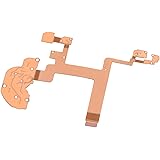
CHICHIYANG High Performance Rear Back Cover Button Flex Cable for Nikon D5300 Camera Replacing
Now retrieving the price.
(as of September 21, 2026 01:57 GMT +05:30 - More infoProduct prices and availability are accurate as of the date/time indicated and are subject to change. Any price and availability information displayed on [relevant Amazon Site(s), as applicable] at the time of purchase will apply to the purchase of this product.)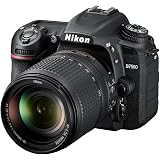
Nikon D7500 20.9MP Digital SLR Camera (Black) with AF-S DX NIKKOR 18-140mm f/3.5-5.6G ED VR Lens
₹79,990.00 (as of September 21, 2026 01:57 GMT +05:30 - More infoProduct prices and availability are accurate as of the date/time indicated and are subject to change. Any price and availability information displayed on [relevant Amazon Site(s), as applicable] at the time of purchase will apply to the purchase of this product.)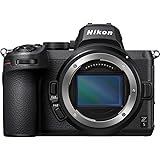
Nikon Z5 Kit 24-70 Camera Optical Zoom (Black)
₹1,21,990.00 (as of September 21, 2026 01:57 GMT +05:30 - More infoProduct prices and availability are accurate as of the date/time indicated and are subject to change. Any price and availability information displayed on [relevant Amazon Site(s), as applicable] at the time of purchase will apply to the purchase of this product.)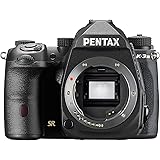
PENTAX K-3 Mark III Flagship APS-C Black Camera Body - 12fps, Touch Screen LCD, Weather Resistant Magnesium Alloy Body with in-Body 5-Axis Shake Reduction. 1.05x Optical viewfinder with 100% FOV
Now retrieving the price.
(as of September 21, 2026 01:57 GMT +05:30 - More infoProduct prices and availability are accurate as of the date/time indicated and are subject to change. Any price and availability information displayed on [relevant Amazon Site(s), as applicable] at the time of purchase will apply to the purchase of this product.)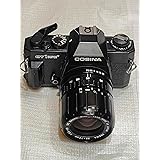
Used Camera CT 1 Super SLR Camera Working Condition
₹14,500.00 (as of September 21, 2026 01:57 GMT +05:30 - More infoProduct prices and availability are accurate as of the date/time indicated and are subject to change. Any price and availability information displayed on [relevant Amazon Site(s), as applicable] at the time of purchase will apply to the purchase of this product.)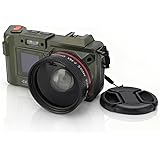
Gugxiom FHD 4K 70MP Digital Camera with Dual Screens, Autococus F1.8 DSLR Camera with WiFi Instant Instant 50x Digital Zoom, Fill Light (Green)
₹20,999.00 (as of September 21, 2026 01:57 GMT +05:30 - More infoProduct prices and availability are accurate as of the date/time indicated and are subject to change. Any price and availability information displayed on [relevant Amazon Site(s), as applicable] at the time of purchase will apply to the purchase of this product.)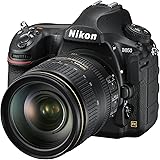
Nikon D850 45.7MP Digital SLR Camera (Black) with AF-S Nikkor 24-120mm F/4G ED VR Lens
₹2,34,890.00 (as of September 21, 2026 01:57 GMT +05:30 - More infoProduct prices and availability are accurate as of the date/time indicated and are subject to change. Any price and availability information displayed on [relevant Amazon Site(s), as applicable] at the time of purchase will apply to the purchase of this product.)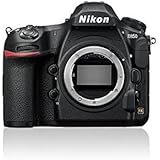
Nikon D850 45.7MP DSLR Camera Body only, 3X Optical Zoom, Black
₹1,56,990.00 (as of September 21, 2026 01:57 GMT +05:30 - More infoProduct prices and availability are accurate as of the date/time indicated and are subject to change. Any price and availability information displayed on [relevant Amazon Site(s), as applicable] at the time of purchase will apply to the purchase of this product.)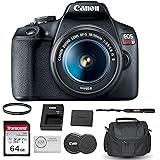
Canon EOS Rebel T7 DSLR Camera with 18-55mm Lens Bundled with 64GB Memory Card + Camera Bag + 58mm UV Filter + Microfiber Cleaning Cloth (5 Items)
₹90,594.00 (as of September 21, 2026 01:57 GMT +05:30 - More infoProduct prices and availability are accurate as of the date/time indicated and are subject to change. Any price and availability information displayed on [relevant Amazon Site(s), as applicable] at the time of purchase will apply to the purchase of this product.)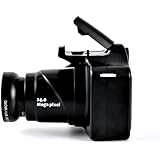
MIPPO® 18X Digital Zoom Rechargeable SLR Camera Digital Video Camera
₹6,915.00 (as of September 21, 2026 01:57 GMT +05:30 - More infoProduct prices and availability are accurate as of the date/time indicated and are subject to change. Any price and availability information displayed on [relevant Amazon Site(s), as applicable] at the time of purchase will apply to the purchase of this product.)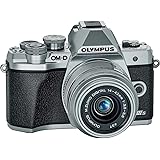
Olympus OM-D E-M10 Mark IIIs Silver Body with Silver M.Zuiko Digital 14-42mm F3.5-5.6 IIR Lens (V207111SU000)
Now retrieving the price.
(as of September 21, 2026 01:57 GMT +05:30 - More infoProduct prices and availability are accurate as of the date/time indicated and are subject to change. Any price and availability information displayed on [relevant Amazon Site(s), as applicable] at the time of purchase will apply to the purchase of this product.)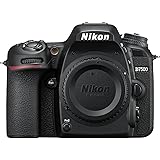
Nikon D7500 DX-Format Digital SLR Body (Black)
Now retrieving the price.
(as of September 21, 2026 01:57 GMT +05:30 - More infoProduct prices and availability are accurate as of the date/time indicated and are subject to change. Any price and availability information displayed on [relevant Amazon Site(s), as applicable] at the time of purchase will apply to the purchase of this product.)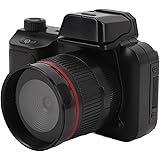
GOWENIC Digital SLR Camera, 1080P HD Micro SLR, 180° Flip Screen, 4X Zoom, Retro Design, Anti Shake, Filter Functions
Now retrieving the price.
(as of September 21, 2026 01:57 GMT +05:30 - More infoProduct prices and availability are accurate as of the date/time indicated and are subject to change. Any price and availability information displayed on [relevant Amazon Site(s), as applicable] at the time of purchase will apply to the purchase of this product.)
Canon Eos 2000D (Rebel T7) Dslr Camera + 24.1 MP+ 16 GB, 18-55Mm Iii Kit (International Model)
Now retrieving the price.
(as of September 21, 2026 01:57 GMT +05:30 - More infoProduct prices and availability are accurate as of the date/time indicated and are subject to change. Any price and availability information displayed on [relevant Amazon Site(s), as applicable] at the time of purchase will apply to the purchase of this product.)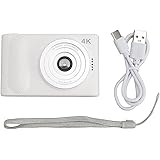
CHICIRIS 4K Digital Camera 48MP HD 16X Digital Zoom Auto Focus Micro SLR Camera Camera with Dual with 2.4 Inch TFT Screen for Travel Photography Vlogging (White)
Now retrieving the price.
(as of September 21, 2026 01:57 GMT +05:30 - More infoProduct prices and availability are accurate as of the date/time indicated and are subject to change. Any price and availability information displayed on [relevant Amazon Site(s), as applicable] at the time of purchase will apply to the purchase of this product.)