Choosing the right trimmer can be a game-changer for maintaining a pristine lawn or tackling overgrown garden areas. With a vast array of models available, understanding key features and functionalities is crucial for making an informed purchase that aligns with your specific needs and budget. This comprehensive guide will delve into the essential aspects to consider when selecting your next trimmer.
Power Source: Corded vs. Cordless vs. Gas
The primary differentiator among trimmers is their power source, each offering distinct advantages and disadvantages.
-
Corded Electric Trimmers: These are the most budget-friendly and lightweight options. They provide consistent, unlimited power as long as they are connected to an outlet. However, their range is restricted by the length of the extension cord, making them best suited for smaller, easily accessible yards. Maneuvering around obstacles can also be cumbersome due to the cord, and there’s a risk of accidentally cutting it. Look for models with a comfortable grip and a robust cord management system.
-
Cordless Electric Trimmers (Battery-Powered): These offer the freedom of movement without the hassle of a cord, making them ideal for yards of all sizes. Battery technology has advanced significantly, with many models offering impressive runtimes and power comparable to corded units. Key considerations here are battery voltage (higher voltage generally means more power), battery capacity (measured in amp-hours, indicating runtime), and the availability of interchangeable batteries with other garden tools from the same brand. Fast charging capabilities and the option to purchase extra batteries are also valuable.
-
Gas-Powered Trimmers: These are the most powerful and versatile, capable of handling thick weeds, dense brush, and larger properties. They offer unlimited runtime as long as you have fuel. However, they are typically heavier, louder, and require more maintenance (oil changes, spark plug replacement, fuel mixing). They also produce emissions. For heavy-duty tasks and extensive areas, a gas trimmer is often the superior choice, but be prepared for the added effort and upkeep.
Cutting Head and Line
The cutting head is where the magic happens, and its design significantly impacts efficiency and ease of use.
-
Line Spool System: Most trimmers use a spinning nylon line to cut vegetation. The way the line is fed and advanced is crucial.
- Bump Feed: This is the most common system. When the cutting head hits the ground, a gentle tap automatically advances more line. It’s convenient but can sometimes snag or require multiple taps.
- Automatic Feed: These systems continuously advance line as needed, providing a more consistent cutting length. They are generally more efficient but can be more complex and expensive.
- Dual-Line vs. Single-Line: Dual-line heads cut with two lines spinning in opposite directions, offering a wider cutting path and faster cutting. Single-line heads are simpler and use less line.
-
Line Type and Thickness: Trimmer line comes in various materials and thicknesses.
- Nylon: The most common and affordable.
- Reinforced Nylon: More durable and resistant to breakage.
- Twisted or Serrated Lines: Designed for tougher weeds and brush, offering a cleaner cut.
- Thickness: Thicker line (e.g., 0.080 inches or more) is better for dense vegetation, while thinner line (e.g., 0.065 inches) is suitable for light trimming. Ensure the trimmer head is compatible with the line thickness you intend to use.
Shaft Design and Ergonomics
The shaft connects the power source to the cutting head, and its design impacts maneuverability and user comfort.
- Straight Shaft: Offers better reach, especially for trimming under bushes or around obstacles. It also tends to be more durable.
- Curved Shaft: Generally lighter and easier to control for users of average height, making it a good choice for general lawn edging and trimming.
- Adjustable Shaft: Some models feature telescoping shafts, allowing you to adjust the length for optimal comfort and reach, accommodating users of different heights.
Handle Design and Comfort
Ergonomics are paramount for preventing fatigue and strain during extended use.
- D-Handle (Loop Handle): Offers excellent control and maneuverability, especially for intricate trimming and edging. It allows for precise movements and is ideal for users who need to navigate tight spaces.
- Bike Handle (In-Line Handle): Provides a more stable grip and is often found on more powerful trimmers. It distributes weight more evenly, reducing strain on the arms and back, making it suitable for longer periods of use and tackling tougher jobs.
- Padded Grips: Look for trimmers with soft, non-slip grips to enhance comfort and reduce vibration.
- Adjustable Handles: Some models allow you to adjust the angle and position of the handles for a personalized fit.
Weight and Balance
A well-balanced trimmer will feel lighter and easier to handle, even if its actual weight is comparable to another model. Consider the weight distribution between the power source and the cutting head. A lightweight trimmer is beneficial for smaller yards or for users who may have difficulty lifting heavy equipment. Conversely, a slightly heavier, well-balanced trimmer might offer more power and stability for demanding tasks.
Cutting Swath Width
The cutting swath is the diameter of the area the trimmer can clear with a single pass.
- Smaller Swath (e.g., 10-13 inches): Ideal for detailed edging and trimming in tight spaces.
- Medium Swath (e.g., 14-16 inches): A good all-around choice for most residential yards.
- Larger Swath (e.g., 17 inches and above): Beneficial for quickly clearing larger areas and tackling overgrown sections.
Noise and Vibration
Gas trimmers are inherently noisier and produce more vibration than electric models. If noise pollution is a concern, or if you have sensitive hearing, cordless electric trimmers are a much quieter and smoother option. Look for trimmers with vibration-dampening features, such as padded grips and anti-vibration systems, especially if you plan on extended use.
Durability and Build Quality
Investing in a trimmer built with high-quality materials will ensure longevity and reliable performance.
- Materials: Look for sturdy construction, with durable plastics and metal components where appropriate. For gas trimmers, a cast-iron cylinder and forged crankshaft are indicators of superior build quality.
- Brand Reputation: Reputable brands often offer better warranties and customer support, reflecting their confidence in their product’s durability.
- Ease of Maintenance: Consider how easy it is to access and replace parts like the trimmer line, air filter (for gas models), and spark plug.
Safety Features
Safety should always be a top priority.
- Blade Guard: Essential for protecting yourself and others from the spinning line.
- Trigger Lock: Prevents accidental starting.
- Protective Eyewear: Always wear safety glasses or goggles when operating a trimmer.
- Sturdy Footwear: Protect your feet from flying debris.
- Awareness of Surroundings: Ensure no pets or people are within the trimming radius.
Additional Features to Consider
- Edger Conversion: Some trimmers can be converted into edgers with the addition of a separate attachment, offering more versatility.
- Shoulder Strap: Crucial for distributing weight and reducing fatigue, especially on heavier models. Look for padded and adjustable straps.
- Variable Speed Control: Allows you to adjust the power and speed of the trimmer, offering more control for different tasks.
- Quick-Lock Line Spool: Makes replacing the trimmer line faster and easier.
By carefully evaluating these factors, you can confidently select a trimmer that meets your lawn care needs, enhances your outdoor maintenance experience, and provides lasting value.

Mini Portable Electric Shaver for Men – Rechargeable Compact Beard Trimmer with USB Charging, Travel-Friendly Pocket Razor for Face, Moustache & Grooming
₹299.00 (as of October 26, 2026 12:25 GMT +05:30 - More infoProduct prices and availability are accurate as of the date/time indicated and are subject to change. Any price and availability information displayed on [relevant Amazon Site(s), as applicable] at the time of purchase will apply to the purchase of this product.)
VIRTH® Cordless Electric Hair Clipper for Men with Stainless Steel Blade Travel Friendly Trimmer
₹599.00 (as of October 26, 2026 12:25 GMT +05:30 - More infoProduct prices and availability are accurate as of the date/time indicated and are subject to change. Any price and availability information displayed on [relevant Amazon Site(s), as applicable] at the time of purchase will apply to the purchase of this product.)
Philips India's No.1 Men's Trimmer* | Skin Safe Beard Trimmer for Men | Durapower tech | Self Sharpening Blades | Skin Protect Comb | 30 min runtime USB charging | No oil needed | 2yr warranty |BT1244
₹791.00 (as of October 26, 2026 12:25 GMT +05:30 - More infoProduct prices and availability are accurate as of the date/time indicated and are subject to change. Any price and availability information displayed on [relevant Amazon Site(s), as applicable] at the time of purchase will apply to the purchase of this product.)
Bombay Shaving Company All Rounder 2-in-1 Trimmer for Men | Beard & Body Grooming with Dual Heads | Ceramic Blades for Sensitive Skin | 38 Style Settings | 120 Min Runtime | Type-C Fast Charge
₹849.00 (as of October 26, 2026 12:25 GMT +05:30 - More infoProduct prices and availability are accurate as of the date/time indicated and are subject to change. Any price and availability information displayed on [relevant Amazon Site(s), as applicable] at the time of purchase will apply to the purchase of this product.)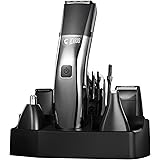
Beardo Chrome Beast Multipurpose Full Body Groomer Trimmer Set For Men | 40 Length Settings | 8 attachments | Beard/Hair/Body/Precision/Ear/Nose Trimmer|With Dock|90 min. run time | All-in-1 trimmer
₹1,374.00 (as of October 26, 2026 12:25 GMT +05:30 - More infoProduct prices and availability are accurate as of the date/time indicated and are subject to change. Any price and availability information displayed on [relevant Amazon Site(s), as applicable] at the time of purchase will apply to the purchase of this product.)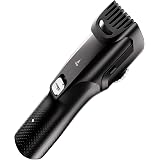
boAt Slazer S100 Beard Trimmer For Men, 300 min runtime,2X Fast Charging, USB Type C, Metallic Finish, Adjustable Comb, Stainless Steel Blades, 2 Years Warranty (Phantom Black)
₹749.00 (as of October 26, 2026 12:25 GMT +05:30 - More infoProduct prices and availability are accurate as of the date/time indicated and are subject to change. Any price and availability information displayed on [relevant Amazon Site(s), as applicable] at the time of purchase will apply to the purchase of this product.)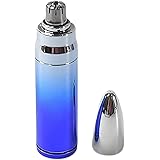
JCKOVA Nose Hair Trimmer for Men & Women, Electric Nose Ear Eyebrow Hair Clipper (1 Pc)
₹449.00 (as of October 26, 2026 12:25 GMT +05:30 - More infoProduct prices and availability are accurate as of the date/time indicated and are subject to change. Any price and availability information displayed on [relevant Amazon Site(s), as applicable] at the time of purchase will apply to the purchase of this product.)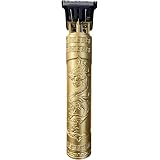
Trimmer Men Professional Cordless Hair Clipper Dragon Style, Rechargeable Trimmer For Beard, Hairs, Moustache & Face, Electric T Blade Zero Gapped Shaving Machine.
Now retrieving the price.
(as of October 26, 2026 12:25 GMT +05:30 - More infoProduct prices and availability are accurate as of the date/time indicated and are subject to change. Any price and availability information displayed on [relevant Amazon Site(s), as applicable] at the time of purchase will apply to the purchase of this product.)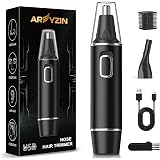
AREYZIN Nose Hair Trimmer for Men,Rechargeable Ear and Nose Trimmer,2026 Professional 2 in 1 Painless Eyebrow & Facial Hair Trimmer with IPX7 Waterproof Dual Edge Blades (Black)
₹795.00 (as of October 26, 2026 12:25 GMT +05:30 - More infoProduct prices and availability are accurate as of the date/time indicated and are subject to change. Any price and availability information displayed on [relevant Amazon Site(s), as applicable] at the time of purchase will apply to the purchase of this product.)
VEGA Power Series Beard Trimmer for Men with Self-Sharpening Stainless Steel Blade, 160 Min Runtime, 40 Length Settings, USB Type-C, Corded & Cordless Use, 2 Comb Attachments, 1 Yrs Warranty (VHTH-25)
₹799.00 (as of October 26, 2026 12:25 GMT +05:30 - More infoProduct prices and availability are accurate as of the date/time indicated and are subject to change. Any price and availability information displayed on [relevant Amazon Site(s), as applicable] at the time of purchase will apply to the purchase of this product.)
Ginity Painless 2025 2-in-1 Electric Nose & Ear Hair Trimmer – Stainless Steel Blades, Painless Grooming for Men & Women (Gray)
₹284.00 (as of October 26, 2026 12:25 GMT +05:30 - More infoProduct prices and availability are accurate as of the date/time indicated and are subject to change. Any price and availability information displayed on [relevant Amazon Site(s), as applicable] at the time of purchase will apply to the purchase of this product.)
MI Xiaomi Beard Trimmer 2C With High Precision Trimming For Men | 2 Beard Comb,USB Type-C,Fast Charging | 0.5mm Precision | 40 Length Settings | 90 Min Run Time, Black
₹1,099.00 (as of October 26, 2026 12:25 GMT +05:30 - More infoProduct prices and availability are accurate as of the date/time indicated and are subject to change. Any price and availability information displayed on [relevant Amazon Site(s), as applicable] at the time of purchase will apply to the purchase of this product.)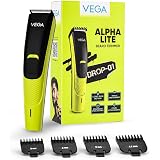
VEGA Alpha Lite Beard Trimmer for Men, Self-Sharpening Blades, Trimmer for Man, 4 Comb Attachment, Up to 6 Weeks Runtime 1 Charge, USB Type-C 2X Fast Charging, 2 Yrs Warranty(VHTH-44)
₹599.00 (as of October 26, 2026 12:25 GMT +05:30 - More infoProduct prices and availability are accurate as of the date/time indicated and are subject to change. Any price and availability information displayed on [relevant Amazon Site(s), as applicable] at the time of purchase will apply to the purchase of this product.)
PHILIPS Men Bt 3302/15 3000 Series Beard Trimmer,Battery Powered
₹1,535.00 (as of October 26, 2026 12:25 GMT +05:30 - More infoProduct prices and availability are accurate as of the date/time indicated and are subject to change. Any price and availability information displayed on [relevant Amazon Site(s), as applicable] at the time of purchase will apply to the purchase of this product.)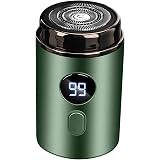
MERISHOPP®Men Electric Shaver Compact Portable Shaver for Shaving
₹1,464.00 (as of October 26, 2026 12:25 GMT +05:30 - More infoProduct prices and availability are accurate as of the date/time indicated and are subject to change. Any price and availability information displayed on [relevant Amazon Site(s), as applicable] at the time of purchase will apply to the purchase of this product.)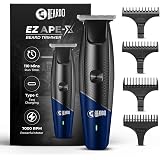
Beardo EZ Ape-X Beard Trimmer for Men | Trimmer for Gen Z | 110 Mins Runtime | 7000 RPM Powerful Motor | Multiple Length Settings | Durable Trimmer
₹599.00 (as of October 26, 2026 12:25 GMT +05:30 - More infoProduct prices and availability are accurate as of the date/time indicated and are subject to change. Any price and availability information displayed on [relevant Amazon Site(s), as applicable] at the time of purchase will apply to the purchase of this product.)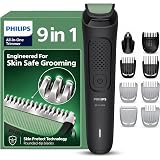
Philips India's No.1 Men's Trimmer* | Engineered for skin safe grooming | Skin protect technology- Self sharpening rounded tip blades | All-in-One Grooming Kit- Beard, Hair, Nose, Body, Eyebrow | 60 min runtime | 2yr warranty* | MG3927
₹1,299.00 (as of October 26, 2026 12:25 GMT +05:30 - More infoProduct prices and availability are accurate as of the date/time indicated and are subject to change. Any price and availability information displayed on [relevant Amazon Site(s), as applicable] at the time of purchase will apply to the purchase of this product.)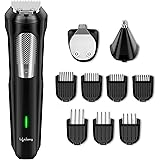
Lifelong Trimmer for Men All in One|Trimmer Men Beard| Full Body Groomer for Man, Grooming Kit for Hair, Nose, Ear, Private Parts|Shaving Machine with 7Combs, 1.5Hr TypeC, 2HrRuntime, 9000RPM
₹899.00 (as of October 26, 2026 12:25 GMT +05:30 - More infoProduct prices and availability are accurate as of the date/time indicated and are subject to change. Any price and availability information displayed on [relevant Amazon Site(s), as applicable] at the time of purchase will apply to the purchase of this product.)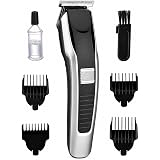
HTC AT-538 Cordless Trimmer for Men, Black | 45 mins Runtime, Multistage Guide Comb, Skin friendly, LED Indicator, Stainless Steel blades, Cleaning Brush included
₹479.00 (as of October 26, 2026 12:25 GMT +05:30 - More infoProduct prices and availability are accurate as of the date/time indicated and are subject to change. Any price and availability information displayed on [relevant Amazon Site(s), as applicable] at the time of purchase will apply to the purchase of this product.)