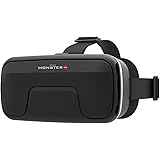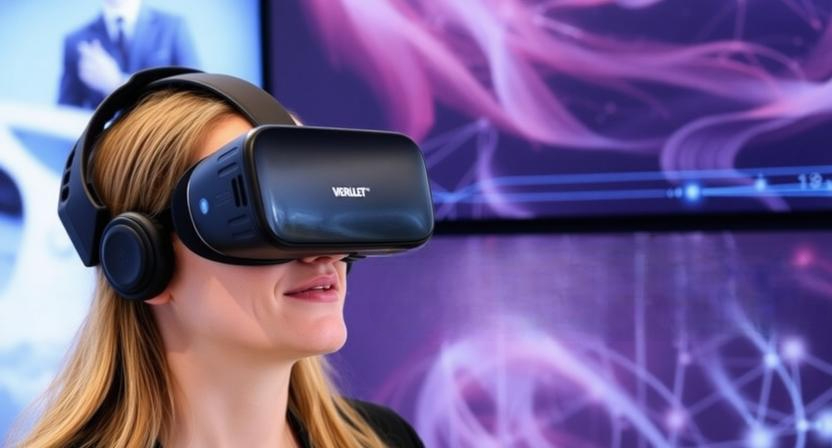
The realm of virtual reality (VR) has rapidly evolved from a niche enthusiast pursuit to a mainstream entertainment and productivity powerhouse. At the heart of this immersive revolution lies the VR headset, a device that transports users to digital worlds, offering experiences ranging from adrenaline-pumping games to transformative educational simulations. Navigating the landscape of cutting-edge VR headsets can be daunting, with a plethora of options catering to diverse needs and budgets. This guide aims to demystify the technology, providing a comprehensive overview to help you make an informed purchase.
Understanding the Core Components:
Before diving into specific models, it’s crucial to understand the key components that define a VR headset’s performance and experience.
- Display: The quality of the screen(s) within the headset directly impacts visual fidelity. Key metrics include resolution (measured in pixels per eye), refresh rate (how many times the image is updated per second, crucial for smooth motion and reducing motion sickness), and field of view (FOV, the extent of the virtual world you can see). Higher resolution and refresh rates, along with a wider FOV, contribute to a more realistic and comfortable immersion.
- Optics: Lenses within the headset focus the display’s image onto your eyes. Different lens types (e.g., Fresnel, pancake) offer varying trade-offs in terms of size, weight, clarity, and god rays (streaks of light visible in high-contrast scenes).
- Tracking: This refers to how the headset monitors your head and, often, your hand movements within the virtual space.
- Inside-out tracking: Cameras on the headset itself track your surroundings and controllers, offering greater freedom of movement without external sensors. This is the dominant technology in modern standalone headsets.
- Outside-in tracking: External base stations or sensors are placed in your play space to track the headset and controllers. This generally offers more precise tracking but requires a dedicated setup.
- Processing Power: VR headsets can be standalone (with their own processors) or PC-tethered (relying on a powerful computer). Standalone headsets offer convenience and portability, while PC-tethered headsets unlock higher graphical fidelity and more demanding applications.
- Audio: Integrated headphones or the ability to connect your own are essential for a complete sensory experience. Spatial audio, which simulates sound coming from specific directions, significantly enhances immersion.
- Ergonomics and Comfort: Given the time users spend wearing headsets, comfort is paramount. Factors like weight distribution, strap design, facial interface material, and adjustability play a significant role in long-term wearability.
Types of VR Headsets:
The VR headset market can be broadly categorized into three main types:
-
Standalone VR Headsets: These are all-in-one devices that require no external hardware like a PC or smartphone. They feature integrated displays, processors, and batteries. Their primary advantage is unparalleled convenience and portability, making them ideal for casual users and on-the-go experiences. Popular examples include the Meta Quest series.
-
PC VR Headsets: These headsets connect to a powerful gaming PC, leveraging its processing capabilities to deliver the highest fidelity graphics and most complex VR experiences. They offer the most immersive and visually stunning VR, but require a significant investment in a capable PC and a dedicated play space. Examples include the Valve Index and HTC Vive Pro 2.
-
Console VR Headsets: Currently, the most prominent example is PlayStation VR2. These headsets are designed to work exclusively with a specific gaming console, offering a curated VR experience tailored to that platform. They provide a middle ground between standalone and PC VR in terms of performance and accessibility.
Key Features to Consider:
When evaluating specific VR headsets, pay close attention to these crucial features:
- Resolution per Eye: Aim for at least 1832 x 1920 pixels per eye (as found in the Meta Quest 2) for a crisp image. Higher resolutions, like those in the Varjo Aero or Pimax Crystal, offer an even more granular visual experience.
- Refresh Rate: 90Hz is the standard for comfortable VR. Higher rates like 120Hz or even 144Hz (found in some PC VR headsets) contribute to smoother motion and reduced motion sickness, especially in fast-paced games.
- Field of View (FOV): A wider FOV (e.g., 110 degrees or more) enhances immersion by allowing you to see more of the virtual world without the “binocular” effect.
- Tracking Accuracy and Latency: Low latency (the delay between your movement and its reflection in VR) and accurate tracking are vital for a responsive and believable experience. Inside-out tracking has become remarkably good, but high-end PC VR systems with external sensors may still offer superior precision.
- Controller Design and Tracking: Ergonomic controllers that feel natural in your hand and offer precise tracking are essential for interaction. Features like finger tracking can add another layer of immersion.
- Audio Quality: Integrated spatial audio is a significant plus. Look for headsets that offer clear, directional sound to enhance the sense of presence.
- Comfort and Weight: A headset that is too heavy or poorly balanced will quickly become uncomfortable. Consider adjustable straps, well-padded facial interfaces, and good weight distribution.
- Standalone vs. PC VR Ecosystem: If you opt for a standalone headset, consider the content library available on its platform. For PC VR, ensure your computer meets the recommended specifications for the headsets you’re considering.
Cutting-Edge VR Headsets to Watch:
The VR market is constantly evolving, with new and improved headsets emerging regularly. Here are some of the current leading contenders and technologies pushing the boundaries:
-
Meta Quest 3: The latest iteration in Meta’s popular standalone line, the Quest 3 offers a significant upgrade in display resolution, a more powerful processor for enhanced mixed reality experiences, and a sleeker, more comfortable design. Its affordability and vast content library make it an excellent entry point into VR.
-
Valve Index: Still a benchmark for PC VR enthusiasts, the Valve Index boasts exceptional audio, wide FOV, high refresh rates, and its renowned “Knuckles” controllers with individual finger tracking. It remains a premium choice for those seeking the ultimate PC VR experience.
-
HTC Vive Pro 2: This high-end PC VR headset delivers stunning visual clarity with its ultra-high resolution displays and wide FOV. It’s designed for professional use and demanding gaming, offering unparalleled detail.
-
Pimax Crystal: Known for its incredibly wide FOV and high-resolution displays, Pimax headsets are designed for those who crave the most expansive and visually detailed VR experience. They are typically PC VR-tethered and cater to a more niche, enthusiast market.
-
Sony PlayStation VR2: For PlayStation 5 owners, the PS VR2 offers a compelling console VR experience with advanced features like eye tracking, headset haptics, and a vibrant library of exclusive titles. Its seamless integration with the PS5 ecosystem is a major draw.
-
Emerging Technologies: Keep an eye on advancements in micro-OLED displays for even higher resolutions and brightness, foveated rendering (where the headset only renders the area you’re looking at in high detail, saving processing power), and eye-tracking for more natural interaction and improved performance. Varjo’s professional-grade headsets are also pushing boundaries with human-eye resolution displays, though at a significantly higher price point.
Choosing the Right Headset for You:
Your ideal VR headset depends on your primary use case and budget:
- For Beginners and Casual Users: The Meta Quest 3 offers an excellent balance of performance, content, and affordability. Its standalone nature eliminates the need for extra hardware.
- For Gamers Seeking the Best Visuals and Performance (with a powerful PC): The Valve Index or HTC Vive Pro 2 are top-tier choices for PC VR enthusiasts.
- For Console Gamers: The PlayStation VR2 is the definitive choice for PS5 owners looking to dive into VR.
- For Enthusiasts Demanding the Widest FOV and Highest Resolution: Pimax headsets cater to those who prioritize these specific, albeit niche, features.
The world of virtual reality is expanding at an unprecedented pace. By understanding the core technologies and considering your individual needs, you can confidently step into this exciting new dimension of digital interaction. Whether you’re looking to explore fantastical worlds, enhance your productivity, or connect with others in new ways, the perfect VR headset awaits.
BIGASUO HD Virtual Reality Headset w/Controller/Gamepad,VR Headsets for iPhone/Android,3D VR Glasses for TV, Movies & Video Games-VR Goggles Compatible with iOS, Android Phones (Dark Black)
₹1,599.00 (as of September 19, 2026 15:34 GMT +05:30 - More infoProduct prices and availability are accurate as of the date/time indicated and are subject to change. Any price and availability information displayed on [relevant Amazon Site(s), as applicable] at the time of purchase will apply to the purchase of this product.)
HD Virtual Reality Headset with Controller for iPhone and Android, 3D Goggles for Movies, TV & Video Games, White
₹409.00 (as of September 19, 2026 15:34 GMT +05:30 - More infoProduct prices and availability are accurate as of the date/time indicated and are subject to change. Any price and availability information displayed on [relevant Amazon Site(s), as applicable] at the time of purchase will apply to the purchase of this product.)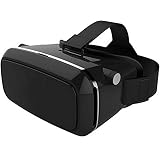
TMY Virtual Reality Headset Glasses Anti-Radiation Adjustable Screen Headband for All Android (iOS) for All Smartphones, Phones (1305) (TMY49)
Now retrieving the price.
(as of September 19, 2026 15:34 GMT +05:30 - More infoProduct prices and availability are accurate as of the date/time indicated and are subject to change. Any price and availability information displayed on [relevant Amazon Site(s), as applicable] at the time of purchase will apply to the purchase of this product.)
HD Virtual Reality Headset for iPhone and Android, 3D for Movies and Video Games, White
₹389.00 (as of September 19, 2026 15:34 GMT +05:30 - More infoProduct prices and availability are accurate as of the date/time indicated and are subject to change. Any price and availability information displayed on [relevant Amazon Site(s), as applicable] at the time of purchase will apply to the purchase of this product.)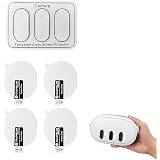
7 Pcs VR Lens Cover, VR Accessories, Anti-Scratch VR Film Replacement Cover for VR Lens Film, Clear Anti-Dust Gaming Accessories
₹479.00 (as of September 19, 2026 15:34 GMT +05:30 - More infoProduct prices and availability are accurate as of the date/time indicated and are subject to change. Any price and availability information displayed on [relevant Amazon Site(s), as applicable] at the time of purchase will apply to the purchase of this product.)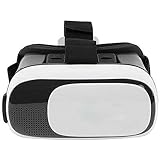
HD Virtual Reality Headset for iPhone and Android, 3D for Movies and Video Games, White
₹399.00 (as of September 19, 2026 15:34 GMT +05:30 - More infoProduct prices and availability are accurate as of the date/time indicated and are subject to change. Any price and availability information displayed on [relevant Amazon Site(s), as applicable] at the time of purchase will apply to the purchase of this product.)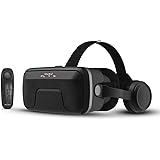
Irusu Play VR Ultra 2026 | VR Headset for All Mobiles with 40mm HD Anti-BluRay Lens | Adjustable IPD & Focal VR Headset | Built-in Type-C Headphones + Bluetooth Remote | Mobile VR Gaming Set
₹3,199.00 (as of September 19, 2026 15:34 GMT +05:30 - More infoProduct prices and availability are accurate as of the date/time indicated and are subject to change. Any price and availability information displayed on [relevant Amazon Site(s), as applicable] at the time of purchase will apply to the purchase of this product.)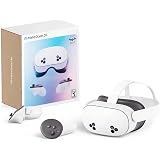
Meta Quest 3S 128GB — Advanced All-in-One Mixed Reality Console - White
₹43,990.00 (as of September 19, 2026 15:34 GMT +05:30 - More infoProduct prices and availability are accurate as of the date/time indicated and are subject to change. Any price and availability information displayed on [relevant Amazon Site(s), as applicable] at the time of purchase will apply to the purchase of this product.)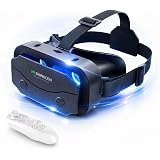
TMY Three D Virtual Reality Glasses Three D Virtual Reality Helmet Movies Game|Smartphone VR Headsets|Consumer Electronics (1305) (TMY10)
₹1,599.00 (as of September 19, 2026 15:34 GMT +05:30 - More infoProduct prices and availability are accurate as of the date/time indicated and are subject to change. Any price and availability information displayed on [relevant Amazon Site(s), as applicable] at the time of purchase will apply to the purchase of this product.)
HD Virtual Reality Headset for iPhone and Android, 3D for Movies and Video Games, White VR Headset Glasses, White and Black, 3D Virtual Reality Goggles for Movies and Gaming, Adjustable Head Strap
₹399.00 (as of September 19, 2026 15:34 GMT +05:30 - More infoProduct prices and availability are accurate as of the date/time indicated and are subject to change. Any price and availability information displayed on [relevant Amazon Site(s), as applicable] at the time of purchase will apply to the purchase of this product.)
BIGASUO HD Virtual Reality Headset w/Controller/Gamepad,VR Headsets for iPhone/Android,3D VR Glasses for TV, Movies & Video Games-VR Goggles Compatible with iOS, Android Phones, Matte White
₹1,499.00 (as of September 19, 2026 15:34 GMT +05:30 - More infoProduct prices and availability are accurate as of the date/time indicated and are subject to change. Any price and availability information displayed on [relevant Amazon Site(s), as applicable] at the time of purchase will apply to the purchase of this product.)
HD Virtual Reality Headset for iPhone & Android White | iPhone and Android Compatible, 3D Virtual Reality Goggles, For Movies, TV & Video Games
₹499.00 (as of September 19, 2026 15:34 GMT +05:30 - More infoProduct prices and availability are accurate as of the date/time indicated and are subject to change. Any price and availability information displayed on [relevant Amazon Site(s), as applicable] at the time of purchase will apply to the purchase of this product.)
VR Headset 3D Glasses for Smartphones, Adjustable Head Strap | Pupil Distance Adjust, Myopia Friendly, Ergonomic Design, Side Phone Loading, Wide Phone Compatibility
₹499.00 (as of September 19, 2026 15:34 GMT +05:30 - More infoProduct prices and availability are accurate as of the date/time indicated and are subject to change. Any price and availability information displayed on [relevant Amazon Site(s), as applicable] at the time of purchase will apply to the purchase of this product.)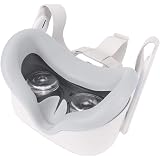
Careflection Silicone VR Face Cover for Oculus Quest 2, Face Pad & Face Cushion Compatible with Oculus Quest 2 VR Headset Face Cover Skin Accessories.. (Light Gray)
₹351.00 (as of September 19, 2026 15:34 GMT +05:30 - More infoProduct prices and availability are accurate as of the date/time indicated and are subject to change. Any price and availability information displayed on [relevant Amazon Site(s), as applicable] at the time of purchase will apply to the purchase of this product.)
Virtual Reality Headset for Smartphones
₹399.00 (as of September 19, 2026 15:34 GMT +05:30 - More infoProduct prices and availability are accurate as of the date/time indicated and are subject to change. Any price and availability information displayed on [relevant Amazon Site(s), as applicable] at the time of purchase will apply to the purchase of this product.)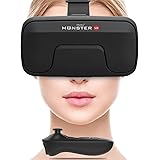
IRUSU Monster VR Headset for Mobile with 40mm HD Adjustable Lenses, 110° Wide FOV, Built-in Touch Button & Bluetooth Remote, VR Glasses for Gaming, 3D Movies & 360° Videos
₹2,599.00 (as of September 19, 2026 15:34 GMT +05:30 - More infoProduct prices and availability are accurate as of the date/time indicated and are subject to change. Any price and availability information displayed on [relevant Amazon Site(s), as applicable] at the time of purchase will apply to the purchase of this product.)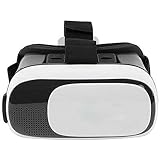
ARFA Universal Virtual Reality Headset for iPhone & Android – 3D VR Glasses for Mobile Gaming & Movies, with Adjustable Lenses, eligiable for 4.5-6 Inch Screen for Kids and Adults by ARFA Store.
₹609.00 (as of September 19, 2026 15:34 GMT +05:30 - More infoProduct prices and availability are accurate as of the date/time indicated and are subject to change. Any price and availability information displayed on [relevant Amazon Site(s), as applicable] at the time of purchase will apply to the purchase of this product.)
Durlabh Darshan Durlabh Darshan VR Headset +2 Year App Subscription
₹3,799.00 (as of September 19, 2026 15:34 GMT +05:30 - More infoProduct prices and availability are accurate as of the date/time indicated and are subject to change. Any price and availability information displayed on [relevant Amazon Site(s), as applicable] at the time of purchase will apply to the purchase of this product.)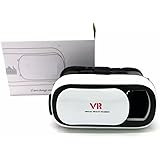
BLACKPOOL® VR Headset Compatible with iPhone & Android | Virtual Reality Goggles for 4.7”-6.5” Cell Phone - Best Set Glasses | Gift for Kids and Adults for 3D Gaming and VR Videos
₹999.00 (as of September 19, 2026 15:34 GMT +05:30 - More infoProduct prices and availability are accurate as of the date/time indicated and are subject to change. Any price and availability information displayed on [relevant Amazon Site(s), as applicable] at the time of purchase will apply to the purchase of this product.)