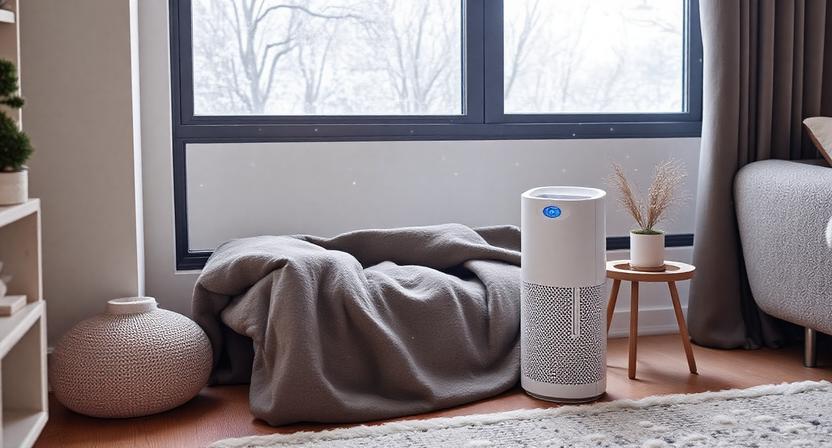
Description: Combat India’s severe winter pollution. Our in-depth guide helps you select the perfect, high-CADR portable air purifier for your small apartment, focusing on essential H13 HEPA and cold-weather performance.
💨 Introduction: The Critical Need for Clean Air in the Indian Winter
For millions across India, particularly in the Indo-Gangetic Plain and large urban centers, winter is synonymous with a sharp, dangerous decline in air quality. This annual phenomenon is fueled by a convergence of factors: temperature inversions that trap pollutants near the ground, low wind speeds, and seasonal contributors like stubble burning and increased biomass usage for heating.
The result is a smog layer thick with PM2.5 and other toxic fine particulate matter. When you live in a small apartment, this becomes even more acute. Why? Because as temperatures drop, you seal your windows and doors to keep the cold out, inadvertently trapping both the outdoor pollution that inevitably seeps in and indoor pollutants (cooking fumes, dust, volatile organic compounds or VOCs). This is where a portable air purifier becomes your home’s most essential appliance.
This comprehensive guide, tailored for the discerning Indian reader, will navigate the specifics of choosing, using, and maintaining the ideal portable air purifier that is perfectly sized and robust enough to create a genuine sanctuary of clean air in your small apartment this winter.
⚠️ Section 1: The Winter Pollution Trap in Small Indian Apartments
Understanding the unique challenges of the Indian winter climate and small apartment living is the first step toward effective air purification.
Why Indoor Air Quality Worsens Drastically in Winter
The air quality deterioration is a scientific reality known as the “winter inversion” effect.
- Thermal Inversion: Unlike summer, where warm air rises, carrying pollutants away, the cold ground air in winter is denser and heavier. A layer of warm air sits above it, acting like an atmospheric lid or barrier. This traps all emissions (vehicular, industrial, stubble burning smoke) close to the ground, leading to concentration levels that far exceed safe limits.
- The “Sealing Effect”: In a small apartment, every degree of warmth is valued. When you tightly seal windows and balcony doors to ward off the chill, you halt natural ventilation.
- The Consequence: Particulate matter (PM2.5) from outside, dust, pet dander, and indoor VOCs (from paints, cleaners, and new furniture) accumulate rapidly. Since a smaller apartment offers less air volume, the concentration of these pollutants spikes quickly, posing a greater risk than in a large, well-ventilated space.
- Unique Indian Pollutants: The mix of pollutants is complex, requiring a robust multi-stage filter.
- PM2.5/PM10: From construction dust, road dust, and smoke (stubble burning, fireworks).
- VOCs/Odours: From cooking with spices, incense (dhoop/agarbatti), and often the use of wood or biomass for localized heating.
Expert Insight: In severe pollution zones like Delhi-NCR, filters in purifiers can clog twice as fast as global averages, sometimes needing replacement within 3-6 months instead of 12. This necessitates a strong focus on pre-filter maintenance and affordable filter replacement costs.
🔬 Section 2: Selecting the Perfect Portable Air Purifier for a Small Apartment
The term “portable” is often associated with low power, but for a small apartment (typically 150-300 sq. ft. for a single room), you need a unit that is compact yet powerful.
The Non-Negotiable Metrics: CADR, HEPA, and ACH
When choosing a portable air purifier for severe winter pollution, three technical specifications must be prioritized.
- CADR (Clean Air Delivery Rate): This measures how fast a purifier can clean the air of a specific pollutant (smoke, dust, pollen). It is the single most important number.
- The Rule of Thumb for Indian Homes: For a typical small bedroom (150 sq. ft.), experts recommend a CADR of at least 250-300 m³/h (cubic meters per hour). For a slightly larger room or small living space (200 sq. ft.), aim for 300 m³/h or higher. This ensures the unit can clean the air quickly, especially during pollution spikes.
- The Why: A higher CADR allows you to run the purifier on a lower, quieter speed (Sleep Mode) while still maintaining clean air, crucial for undisturbed sleep.
- True H13 HEPA Filtration: Never settle for “HEPA-type” or “HEPA-like” filters. You need a filter certified to capture 99.97% of airborne particles as small as 0.3 microns.
- The Winter Essential: PM2.5, the most dangerous pollutant in winter smog, is exactly what a True H13 HEPA filter is designed to remove. It is the gold standard for trapping fine dust, smoke, and pollen.
- ACH (Air Changes per Hour): This indicates how many times the entire volume of air in your room is filtered every hour.
- Recommended ACH: For general use, aim for 4 ACH. For homes with children, senior citizens, or asthma/respiratory issues—a common scenario during peak winter smog—aim for 5 to 6 ACH or more for maximum safety.
Multi-Stage Filtration: Combating Complex Pollutants
A simple HEPA filter is not enough for the complex air mix found in Indian cities. Look for a robust, multi-stage system:
- Pre-Filter: Captures large particles like hair and coarse dust. Must be washable/vacuumable to protect the main filters and save replacement costs.
- True H13 HEPA Filter: The core component for PM2.5 and allergens.
- Activated Carbon Filter: Critical for winter. This porous material absorbs gaseous pollutants like VOCs, cooking odours, formaldehyde (released from new furniture or building materials), and the pungent smell of smog/smoke that seeps in. Look for high-density granular carbon, not just a thin carbon sheet.
- Optional (Use with Caution): Some models include Ionizers or UV-C light. While ionizers can help, some may produce ozone, which is an irritant. If you opt for these, ensure the ozone emission is negligible or use the feature sparingly.
⚙️ Section 3: Smart Features and Logistics for the Indian User
Beyond the core cleaning power, several smart and logistic features make a portable air purifier truly practical for a small apartment in India.
The Practicality of Placement and Noise
The compact size of small apartments means the purifier will be closer to you, making noise and footprint critical.
- Noise Level (dB): For a bedroom, look for a Sleep Mode that operates at or below 30 dB (decibels). Anything above 45 dB on a medium setting can be distracting. The ability to run a high-CADR unit on a low setting quietly is a significant quality of life improvement.
- Placement and Airflow: A portable unit should be able to operate effectively.
- Rule of Space: Give the purifier at least 1-2 feet of clearance from walls, furniture, and curtains on all sides to allow optimal air intake and circulation. Avoid placing it in corners.
- 360° Air Intake: Models with 360-degree cylindrical filters are excellent for small spaces as they can be placed anywhere in the room and pull in air efficiently from all directions.
- Portability (The ‘P’ in Portable): A lightweight design and a built-in handle allow you to easily move the unit between your small bedroom during the night and the small living room/study during the day, maximizing your investment.
Connectivity and Real-Time Feedback
Modern air purifiers offer smart features that enhance monitoring and control, especially vital during erratic winter pollution days.
| Feature | Why it Matters in Indian WFH/Living |
| Real-Time AQI Sensor | Displays current PM2.5 levels (the actual numbers, not just colours) so you know exactly how polluted your indoor air is. |
| Auto Mode | Uses the AQI sensor to automatically adjust the fan speed. Saves electricity and ensures the purifier only runs high when truly needed. |
| Wi-Fi & App Control | Allows you to monitor air quality, check filter life, and adjust settings remotely from your smartphone (e.g., turning it on 15 minutes before you return home from work). |
| Filter Replacement Indicator | Alerts you when the HEPA or Carbon filter is saturated. Given the severe pollution, this is essential to ensure the unit remains effective. |
💰 Section 4: Budgeting and Ownership Costs for the Indian Consumer
When evaluating a portable air purifier, the initial price is only one part of the Total Cost of Ownership (TCO). For the Indian market, long-term maintenance costs are often the hidden expense.
Decoding Filter Life and Replacement Frequency
As pollution is severe, a filter that might last 12 months in a less-polluted area might only last 4-6 months in major Indian cities during the winter smog season.
- Cost and Availability: Before buying any model, always check the price and local availability of the official replacement filters. A cheap purifier with costly or hard-to-find filters becomes a financial burden quickly.
- Maintenance: Regular maintenance is not optional—it’s mandatory for filter longevity.
- Pre-Filter Cleaning: Vacuum or wash the pre-filter every 1-2 weeks during peak winter. This simple act can significantly extend the life of the expensive HEPA filter.
- Sensor Cleaning: Use a soft, dry cotton swab to gently clean the air quality sensor every two months. A dirty sensor gives a false ‘clean’ reading and keeps your unit running too slowly when pollution is high.
| Popular Filter Lifespan Claim | Real-World Lifespan (Peak Indian Winter) | Estimated Annual Filter Cost |
| 12 Months | 4 – 6 Months | ₹3,000 – ₹8,000 (Varies by brand) |
| Actionable Tip: Always allocate a dedicated ₹5,000 to ₹10,000 annual budget for filter replacement, especially if you run the unit 24/7 during the winter months. |
Case Study: The Power of Oversizing
A popular mistake is buying an air purifier that exactly matches the room size.
- Scenario: A user buys a unit rated for a 150 sq. ft. room. On severe smog days (AQI 400+), the purifier must run on the highest fan speed continuously to maintain clean air. This makes it loud, inefficient, and burns out the filter faster.
- Smart Choice: For that same 150 sq. ft. room, buying a model rated for 200-250 sq. ft. allows you to run it on the quieter, medium or sleep mode while achieving the same or better air quality protection. Oversizing is the key to quiet, long-term efficiency.
✅ Conclusion: Investing in Your Winter Health
Choosing the right portable air purifier for your small apartment winter is a proactive step toward protecting your family’s respiratory health against India’s severe air pollution. It is a necessary investment, not a luxury gadget.
The perfect unit is compact enough to fit your limited space yet powerful enough (with a high CADR and a True H13 HEPA + Activated Carbon filter) to manage the intense winter smog. By prioritizing core performance over unnecessary features, ensuring proper placement, and committing to regular filter maintenance, you can transform your small apartment into a consistent, safe haven of clean air. Don’t let your home become an unwitting collector of outdoor toxins. Take control of the air you breathe.
✍️ Compelling Call to Action
Ready to fight the smog this winter? Measure your room, check the CADR, and compare the annual filter costs! Click here to explore our top-rated, high-CADR portable air purifiers that are proven to deliver superior performance in India’s demanding winter conditions!

Rama Emporium Portable 3-in-1 Air Purifier, Aroma & Cool Mist Diffuser 750ml Water Tank – Green Apple, Cool Cat, Jasmine, Rose, Lemon & Sandal 6 Free Essential Oils for Home & Office 10ml each (Green)
₹1,499.00 (as of September 20, 2026 12:10 GMT +05:30 - More infoProduct prices and availability are accurate as of the date/time indicated and are subject to change. Any price and availability information displayed on [relevant Amazon Site(s), as applicable] at the time of purchase will apply to the purchase of this product.)
PURNKAM™ Portable HEPA Air Purifier for Home Bedroom, Mini USB Air Cleaner with Blue Light, Quiet Sleep Mode, Dust Smoke Pollen Odor Remover for Office, Desk & Small Room
Now retrieving the price.
(as of September 20, 2026 12:10 GMT +05:30 - More infoProduct prices and availability are accurate as of the date/time indicated and are subject to change. Any price and availability information displayed on [relevant Amazon Site(s), as applicable] at the time of purchase will apply to the purchase of this product.)
OxiBud Wearable Air Purifier Necklace – Portable Personal Ionizer, Releases upto 120 Million Negative Ions, Filterless, USB Rechargeable, Silent, Removes PM2.5, Dust, Pollen, Smoke, Allergens.
₹2,899.00 (as of September 20, 2026 12:10 GMT +05:30 - More infoProduct prices and availability are accurate as of the date/time indicated and are subject to change. Any price and availability information displayed on [relevant Amazon Site(s), as applicable] at the time of purchase will apply to the purchase of this product.)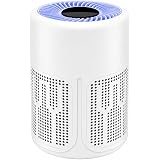
VIBEVISTA Portable Air Purifier for Home & Office, 360° Air Intake, Quiet Operation, Compact Desktop Air Cleaner for Bedroom, Living Room, Office & Small Rooms, White
₹1,999.00 (as of September 20, 2026 12:10 GMT +05:30 - More infoProduct prices and availability are accurate as of the date/time indicated and are subject to change. Any price and availability information displayed on [relevant Amazon Site(s), as applicable] at the time of purchase will apply to the purchase of this product.)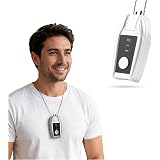
LOCUS Wearable And Portable Filterless Air Purifier | 999 Percent Pollutant Removal | Fights Against Dust And Smoke Allergy | 55Hr Battery (Silver)
₹2,799.00 (as of September 20, 2026 12:10 GMT +05:30 - More infoProduct prices and availability are accurate as of the date/time indicated and are subject to change. Any price and availability information displayed on [relevant Amazon Site(s), as applicable] at the time of purchase will apply to the purchase of this product.)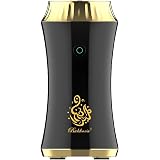
FEXMY Electric Bakhoor Ramadan Arabic Aroma Diffuser for Home Office | Mini Car Rechargeable Portable | Mini USB Power Incense Burner Ceramic Aromatherapy Burning Humidifier (2) (1) (1)
₹999.00 (as of September 20, 2026 12:10 GMT +05:30 - More infoProduct prices and availability are accurate as of the date/time indicated and are subject to change. Any price and availability information displayed on [relevant Amazon Site(s), as applicable] at the time of purchase will apply to the purchase of this product.)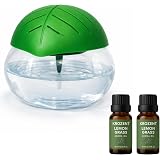
KROZENT Portable 3-in-1 Green Air Revitalizer Machine | Aroma Diffuser with Free 20ml Aroma Oil | Humidifier with 1800ml Large Tank for Home, Office, Bedroom & Spa (1 Pack, Humidifier with Lemongrass)
₹1,399.00 (as of September 20, 2026 12:10 GMT +05:30 - More infoProduct prices and availability are accurate as of the date/time indicated and are subject to change. Any price and availability information displayed on [relevant Amazon Site(s), as applicable] at the time of purchase will apply to the purchase of this product.)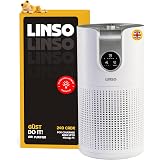
LINSO GUST Air Purifier for Home, Bedroom 240 m³/h CADR, 418 Sq. Ft. | A Brand Of UK | Aroma Diffuser, Child Lock, Timer & Touch Screen Display | Filteration of Smoke & Dust for Babies & Pets
₹6,999.00 (as of September 20, 2026 12:10 GMT +05:30 - More infoProduct prices and availability are accurate as of the date/time indicated and are subject to change. Any price and availability information displayed on [relevant Amazon Site(s), as applicable] at the time of purchase will apply to the purchase of this product.)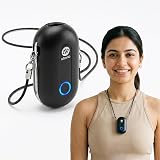
Atovio Portable & Wearable Air Purifier | IIT Kanpur & Japan Tested | Made in India | 99.9% Pollutant Removal | Dust, Smoke & PM2.5 Protection | 72+ Hrs Runtime | 1 Year Warranty - Moonlight Black
₹3,099.00 (as of September 20, 2026 12:10 GMT +05:30 - More infoProduct prices and availability are accurate as of the date/time indicated and are subject to change. Any price and availability information displayed on [relevant Amazon Site(s), as applicable] at the time of purchase will apply to the purchase of this product.)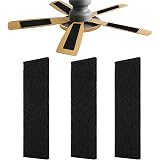
Ceiling Fan Filter for Blades, Universal Strong Adhesive Activated Carbon Air Filter, Coconut Carbon Fan Air Purifier Pads for Home,Bedroom Kitchen,Office, Ceiling Fan Air Filter Accessories
Now retrieving the price.
(as of September 20, 2026 12:10 GMT +05:30 - More infoProduct prices and availability are accurate as of the date/time indicated and are subject to change. Any price and availability information displayed on [relevant Amazon Site(s), as applicable] at the time of purchase will apply to the purchase of this product.)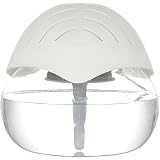
Amigos Store™ Air Purifier & Aroma Diffuser – Water-Based Revitalizer with Soothing Monochrome Light | Room Freshener & Humidifier for Home/Office – White
₹1,699.00 (as of September 20, 2026 12:10 GMT +05:30 - More infoProduct prices and availability are accurate as of the date/time indicated and are subject to change. Any price and availability information displayed on [relevant Amazon Site(s), as applicable] at the time of purchase will apply to the purchase of this product.)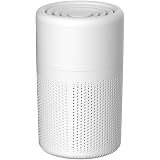
Portable Air Purifier for Home & Bedroom, Ultra Quiet 22dB, 360° Air Filtration, Removes Dust, Smoke & Allergens, Compact Air Cleaner for Office, Study & Living Room
₹1,190.00 (as of September 20, 2026 12:10 GMT +05:30 - More infoProduct prices and availability are accurate as of the date/time indicated and are subject to change. Any price and availability information displayed on [relevant Amazon Site(s), as applicable] at the time of purchase will apply to the purchase of this product.)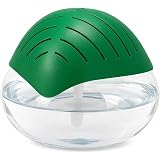
Portable 3-in-1 Air Purifier, Aroma Diffuser & Air Humidifier with 1500ml Water Tank – Electric Revitalizer for Home, Office, Bedroom & Spa (Green)
₹869.00 (as of September 20, 2026 12:10 GMT +05:30 - More infoProduct prices and availability are accurate as of the date/time indicated and are subject to change. Any price and availability information displayed on [relevant Amazon Site(s), as applicable] at the time of purchase will apply to the purchase of this product.)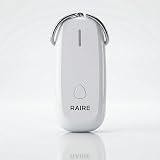
RAIRE M1 Wearable Personal Air Purifier, Portable Filterless Necklace with Normal & Turbo Modes, Up to 180 Hours Runtime, USB-C Rechargeable, 48 g Lightweight Design, White
₹2,799.00 (as of September 20, 2026 12:10 GMT +05:30 - More infoProduct prices and availability are accurate as of the date/time indicated and are subject to change. Any price and availability information displayed on [relevant Amazon Site(s), as applicable] at the time of purchase will apply to the purchase of this product.)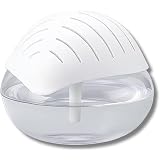
HOMNIX Hygiene Portable Room Air Purifier & Humidifier Revitalizer | 750 mL Capacity | Compact Air Cleaner for Home, Office & Bedroom | Fresh Air & Aroma Diffuser (White, 24 × 24 × 21 cm)
₹999.00 (as of September 20, 2026 12:10 GMT +05:30 - More infoProduct prices and availability are accurate as of the date/time indicated and are subject to change. Any price and availability information displayed on [relevant Amazon Site(s), as applicable] at the time of purchase will apply to the purchase of this product.)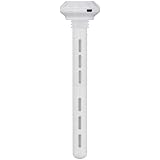
VELURA 4xAir Humidifier in-Bottle Cap Mist Maker Mute Auto-Off Night Light for Travel|Humidifiers
₹2,026.00 (as of September 20, 2026 12:10 GMT +05:30 - More infoProduct prices and availability are accurate as of the date/time indicated and are subject to change. Any price and availability information displayed on [relevant Amazon Site(s), as applicable] at the time of purchase will apply to the purchase of this product.)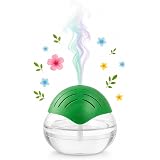
Air Purifier with Scrubbing Effect, Neutralises Odour, Captures Dust, Reduces Bacteria, Globe Shape WATER BASED
₹850.00 (as of September 20, 2026 12:10 GMT +05:30 - More infoProduct prices and availability are accurate as of the date/time indicated and are subject to change. Any price and availability information displayed on [relevant Amazon Site(s), as applicable] at the time of purchase will apply to the purchase of this product.)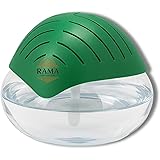
Rama Emporium Portable 3-in-1 Air Purifier, Aroma Diffuser & Air Humidifier with 500ml Water Tank – Electric Revitalizer for Fresh Air & Fragrance at Home, Office, Bedroom & Spa (Green)
₹869.00 (as of September 20, 2026 12:10 GMT +05:30 - More infoProduct prices and availability are accurate as of the date/time indicated and are subject to change. Any price and availability information displayed on [relevant Amazon Site(s), as applicable] at the time of purchase will apply to the purchase of this product.)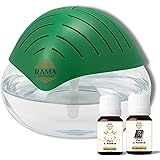
Rama Emporium Portable 3-in-1 Air Purifier, Aroma Diffuser & Air Humidifier with 1500ml Water Tank – Electric Revitalizer with Free 2 Essential Oil (10ml Each) for Home, Office, Bedroom & Spa (Green)
₹999.00 (as of September 20, 2026 12:10 GMT +05:30 - More infoProduct prices and availability are accurate as of the date/time indicated and are subject to change. Any price and availability information displayed on [relevant Amazon Site(s), as applicable] at the time of purchase will apply to the purchase of this product.)