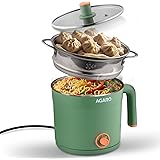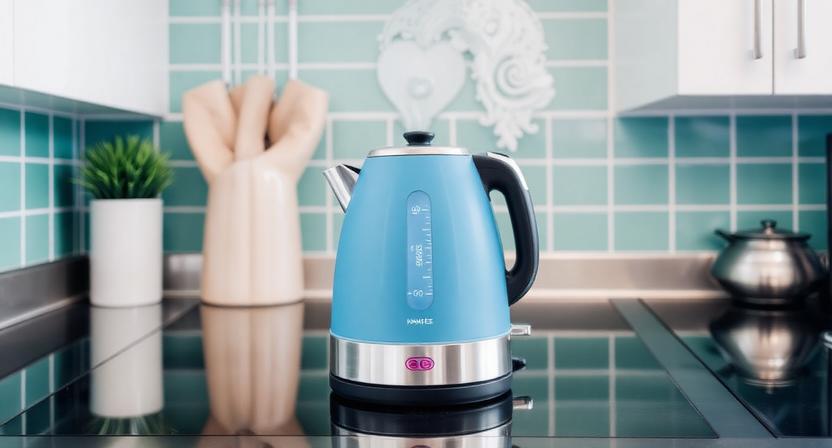
Description: Discover how to choose the best electric kettle for your Indian home. Our in-depth guide covers features, power consumption, safety, maintenance, and expert buying tips.
☕ Introduction: The Electric Kettle – A Must-Have in Every Indian Home
In the fast-paced life of modern India, where time is a precious commodity and a hot beverage is a daily ritual, the electric kettle has transcended being a mere kitchen gadget to become an essential appliance. From the early morning cup of chai to instant noodles for a late-night study session, the kettle offers unmatched speed, convenience, and energy efficiency compared to traditional stovetop heating. The Indian market, valuing both speed and value, has seen an explosion in models, with kettles now ubiquitous in homes, hostels, offices, and hotel rooms across the country.
However, choosing the right electric kettle involves more than just picking the cheapest model. Factors like power consumption, material safety, durability in hard water conditions, and specific features are crucial for the savvy Indian consumer. This comprehensive, expert-driven guide aims to equip you with the knowledge to make an informed, high-value purchase and ensure your kettle serves you reliably for years to come.
🧐 Section 1: Decoding the Electric Kettle – Mechanics, Types, and Power
Understanding the basic mechanism and power requirements of an electric kettle is the first step toward smart buying.
How an Electric Kettle Works: Speed and Simplicity
The electric kettle’s genius lies in its simple, highly efficient design. It uses an integrated heating element (a coiled wire) that converts electrical energy directly into heat.
- The Mechanism:
- When switched on, electricity flows through the heating element (a resistive wire, usually nickel-chromium).
- The wire resists the flow of electricity, generating intense heat.
- This heat is transferred directly to the water.
- As the water reaches the boiling point (100°C at sea level), the steam generated travels up a tube inside the kettle.
- The steam activates a bimetallic strip in the switch mechanism, which then triggers the switch to cut off the power. This is the auto-shutoff safety feature—a non-negotiable component.
Types of Electric Kettles: Which One Suits Your Lifestyle?
The type of kettle you choose depends heavily on your primary use case, from basic boiling to precise temperature control.
- Standard Kettles (The Everyday Hero):
- Function: Simple, single-setting operation—it boils water until it reaches 100°C.
- Best For: Daily chai, coffee, or instant soup preparation. They are typically the most affordable and common type in India.
- Cordless Kettles:
- Function: Sits on a 360-degree rotating base that is plugged into the wall. The kettle lifts off the base for easy pouring without the cord.
- Advantage: Exceptional convenience and ease of handling, especially for elderly users or in compact spaces. Most modern kettles in India are cordless.
- Travel Kettles:
- Function: Small capacity (usually 0.5 to 1.0 litres) and highly compact design. Some models come with two small cups.
- Best For: Frequent travelers, students in hostels, or for individual use. They are designed for portability but often have lower wattage (and thus boil slower).
- Variable Temperature Kettles (The Connoisseur’s Choice):
- Function: Features digital controls allowing you to select precise temperatures (e.g., 80°C for green tea, 90°C for French press coffee, 100°C for black tea).
- Best For: Tea and coffee aficionados where exact brewing temperature is paramount to flavour extraction. They represent a premium investment.
Understanding Power Consumption (Wattage)
In India, electric kettles are typically available in 1000W, 1500W, and 2000W variants.
- The Rule: Higher Wattage = Faster Boiling Speed.
- Actionable Insight: For quick boiling, especially if you regularly boil 1.5-2.0 litres, a 1500W or 2000W model is ideal. A 1000W model is perfectly fine for travel or if you only boil small quantities (1.0L or less) and want to be gentle on your home’s electrical circuit, particularly in older buildings. The overall energy consumption is not significantly higher for a high-wattage kettle because it boils water much faster, reducing the total “on” time.
🛡️ Section 2: Material Matters – Safety, Health, and Durability
The material used in an electric kettle affects heat retention, taste, and, most importantly, your health. For the health-conscious Indian consumer, this section is critical.
The Key Materials and Their Impact
- Stainless Steel (The Robust Choice):
- Pros: Extremely durable, resistant to corrosion and hard water scaling, does not leach chemicals into the water, and is easy to clean. Excellent heat retention.
- Cons: The exterior can get very hot to the touch (needs a cool-touch exterior design).
- Recommendation: Look for Food-Grade 304 Stainless Steel (also known as 18/8 or 18/10 stainless steel) for the interior and heating plate. This is the gold standard for safety and longevity.
- Plastic (The Budget Option):
- Pros: Lightweight, cheaper, and often comes with a “cool-touch” exterior, making it safer to handle immediately after boiling.
- Cons: Risk of BPA leaching if not made from high-quality, BPA-free plastic. Can sometimes impart a slight plastic taste to the water, especially when new.
- Recommendation: Always confirm the plastic is certified BPA-Free. Only choose this if budget is the primary constraint.
- Glass (The Purest Taste):
- Pros: Offers the purest taste as glass is completely non-reactive. You can visually monitor the boiling process. Highly aesthetically pleasing.
- Cons: Fragile and susceptible to thermal shock if handled roughly. Often requires more care in handling and cleaning.
Addressing Hard Water and Scaling in India
In many parts of India, the water is hard (high mineral content, mainly calcium and magnesium). This leads to a white, chalky residue called limescale inside the kettle.
- Impact: Limescale slows down the boiling time, reduces the kettle’s efficiency, and can potentially damage the heating element over time.
- The Solution (Limescale Filter): Look for a kettle with a removable, washable limescale filter (usually nylon mesh) near the spout. This prevents scale flakes from pouring into your cup.
- Maintenance Tip: Descale your kettle regularly (at least once a month in hard water areas) using a simple solution of white vinegar and water or a mixture of citric acid powder and water.
🛒 Section 3: The Ultimate Buying Checklist – Features that Matter
Beyond the materials and power, several functional features can significantly impact your daily experience and safety.
Non-Negotiable Safety Features
- Auto Shut-Off: As discussed, this is vital. It turns the kettle off once the water boils or is removed from the base, preventing over-boiling and dry boiling.
- Boil-Dry Protection: This is a crucial safety mechanism that immediately shuts off the power if the kettle is accidentally switched on without water or if the water completely evaporates. This prevents the heating element from burning out and is essential for fire safety.
- Cool-Touch Exterior: Highly recommended for homes with children or busy kitchens. This feature ensures the exterior surface, even of a stainless steel kettle, remains cool enough to touch safely.
- Locking Lid: A secure, locking lid is necessary to prevent accidental spillage of boiling water, reducing the risk of burns.
Convenience and Design Considerations
- Capacity: Kettles range from 0.5L (travel) to 2.0L.
- Family Insight: For a large Indian family of 4-6 members, a 1.7-litre capacity is the practical sweet spot, allowing for multiple cups of chai in one go.
- Water Level Indicator: A clear, visible gauge (preferably transparent) helps you measure the exact amount of water, preventing overfilling and unnecessary energy wastage.
- Ergonomic Handle and Spout: Ensure the handle is comfortable and non-slip, and the spout is shaped to allow for controlled, drip-free pouring. Nothing is more frustrating than a kettle that spills hot water.
- Concealed Heating Element: A concealed (flat-bottomed) heating element is far superior to an exposed coil.
- Advantages: Easier to clean (no coils for limescale to cling to), and it extends the lifespan of the element. Always choose a concealed heating element.
| Feature | Importance (1-5 Stars) | Reason for Indian Users |
| Boil-Dry Protection | ⭐⭐⭐⭐⭐ | Crucial safety for accidental dry-heating. |
| 304 Stainless Steel | ⭐⭐⭐⭐⭐ | Health, durability, and hard water resistance. |
| 1500W or Higher | ⭐⭐⭐⭐ | Fast boiling time for quick daily needs. |
| Concealed Element | ⭐⭐⭐⭐ | Ease of descaling and cleaning. |
| Cool-Touch Body | ⭐⭐⭐ | Safety in busy kitchens/with children. |
💡 Section 4: Operational Efficiency and Longevity – Tips for the Indian User
Maximising the lifespan and efficiency of your electric kettle involves simple, consistent practices tailored to the Indian environment.
Best Practices for Energy Efficiency
Contrary to popular belief, using an electric kettle wisely can be more energy-efficient than a gas stove for boiling small amounts of water.
- Only Boil What You Need: The single most effective energy-saving tip. Overfilling by just one cup of water every time can waste a significant amount of electricity over a year. The water level indicator is your guide.
- Pre-Filter Hard Water: If your tap water is extremely hard, consider using a basic carbon filter jug (or even a cloth filter) to filter the water before pouring it into the kettle. This significantly slows down the build-up of limescale and prolongs the kettle’s life.
- Place It Correctly: Ensure the base is placed on a dry, flat surface away from direct heat or splash zones.
Descaling Your Electric Kettle Safely (The Vinegar Method)
Regular descaling is the key to longevity, especially in cities like Pune, Chennai, or parts of Rajasthan known for hard water.
- Preparation: Fill the kettle with a 50:50 mixture of white vinegar and water (or a tablespoon of citric acid powder mixed with water) up to half the capacity.
- Boil and Soak: Bring the mixture to a boil and then immediately switch it off. Let the solution sit for at least one hour (or overnight for heavy scaling).
- Rinse: Empty the kettle and scrub any remaining residue gently with a soft sponge.
- Repeat Boiling: Fill the kettle with clean water and boil it twice. Discard the water both times to remove any residual vinegar taste.
Expert Case Study: A survey of Indian household appliance service calls indicated that over 40% of kettle-related issues were directly attributable to severe limescale damage leading to element failure. Simple monthly descaling could reduce this failure rate by over 75%.
🚀 Conclusion: The Smart Investment in Daily Convenience
The electric kettle stands as a shining example of a high-efficiency appliance that solves a core need with speed and reliability. Choosing the right one—prioritising Food-Grade 304 Stainless Steel, high wattage (1500W or 2000W), and non-negotiable safety features like Boil-Dry Protection—is a smart, long-term investment in your health and daily convenience.
Remember, the true value of your kettle will be found in its simplicity, speed, and safety. By following this ultimate guide, you are now equipped to choose the ideal electric kettle that will efficiently serve you, your family, and your morning chai ritual for years to come.
✍️ Compelling Call to Action
Ready to upgrade your kitchen efficiency? Don’t settle for slow boiling or questionable materials! Use this guide’s checklist to shop for a top-rated, 1500W+ 304 Stainless Steel electric kettle today and start enjoying instant access to hot water!
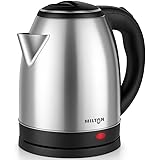
Milton Rapid Electric Kettle 1.8L | 1500 Watts | Stainless Steel Hot Water portable Electric Kettle for Home, Office | Auto Shut-Off with Wide Mouth | Cool-touch Handle and Single-Touch Lid Lock
₹649.00 (as of September 20, 2026 11:39 GMT +05:30 - More infoProduct prices and availability are accurate as of the date/time indicated and are subject to change. Any price and availability information displayed on [relevant Amazon Site(s), as applicable] at the time of purchase will apply to the purchase of this product.)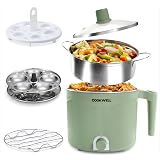
Cookwell Multipurpose Cook Kettle With 1.5L Steel Inner Pot (600W)
₹1,199.00 (as of September 20, 2026 11:39 GMT +05:30 - More infoProduct prices and availability are accurate as of the date/time indicated and are subject to change. Any price and availability information displayed on [relevant Amazon Site(s), as applicable] at the time of purchase will apply to the purchase of this product.)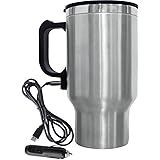
Portable Plastic Car Heating Mug 12V | Electric Coffee Tea Warmer Cup | Vehicle Travel Kettle for Hot Water, Coffee & Tea | Cigarette Lighter Powered(Pack of 1)
₹499.00 (as of September 20, 2026 11:39 GMT +05:30 - More infoProduct prices and availability are accurate as of the date/time indicated and are subject to change. Any price and availability information displayed on [relevant Amazon Site(s), as applicable] at the time of purchase will apply to the purchase of this product.)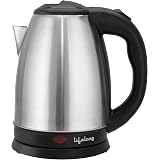
Lifelong ISI Certified Electric Kettle 1.5L with Stainless Steel Body,1500 W Easy and Fast Boiling of Water for Instant Noodles, Soup, Tea etc. (1 Year Manufacturer's Warranty, Silver, LLEK23)
₹429.00 (as of September 20, 2026 11:39 GMT +05:30 - More infoProduct prices and availability are accurate as of the date/time indicated and are subject to change. Any price and availability information displayed on [relevant Amazon Site(s), as applicable] at the time of purchase will apply to the purchase of this product.)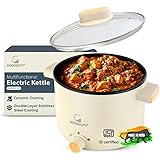
Goodscity Multipurpose Kettle with Ceramic Coating 1.2L | Boil, Steam, Fry, Saute | 600 W Multi Cooker Electric Kettle for Water, Egg, Tea, Coffee, Babyfood | 1 Year Waranty
₹1,998.97 (as of September 20, 2026 11:39 GMT +05:30 - More infoProduct prices and availability are accurate as of the date/time indicated and are subject to change. Any price and availability information displayed on [relevant Amazon Site(s), as applicable] at the time of purchase will apply to the purchase of this product.)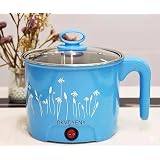
Electric Mini Cooking Pot with Glass Lid & Handle, Multi-Purpose Portable Electric Kettle for Boiling Noodles Soup Milk Tea Eggs, Compact Travel Hot Pot for Home Hostel Office Use
₹649.00 (as of September 20, 2026 11:39 GMT +05:30 - More infoProduct prices and availability are accurate as of the date/time indicated and are subject to change. Any price and availability information displayed on [relevant Amazon Site(s), as applicable] at the time of purchase will apply to the purchase of this product.)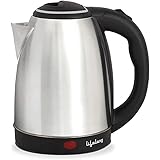
Lifelong ISI Certified Electric Kettle 1.5L with Stainless Steel Body, Easy and Fast Boiling of Water for Instant Noodles, Soup, Tea etc. (1 Year Manufacturer's Warranty, Silver, LLEK15) 1500 W
₹429.00 (as of September 20, 2026 11:39 GMT +05:30 - More infoProduct prices and availability are accurate as of the date/time indicated and are subject to change. Any price and availability information displayed on [relevant Amazon Site(s), as applicable] at the time of purchase will apply to the purchase of this product.)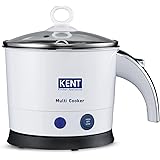
KENT Electric Multicooker Cum Steamer/Kettle 1.2L 800W| Boiling of Water, Tea,Eggs, Instant Noodle Maker, Steaming idlis, Momos |Inner Stainless Steel without joint and welding & Cool Touch Outer Body
₹1,599.00 (as of September 20, 2026 11:39 GMT +05:30 - More infoProduct prices and availability are accurate as of the date/time indicated and are subject to change. Any price and availability information displayed on [relevant Amazon Site(s), as applicable] at the time of purchase will apply to the purchase of this product.)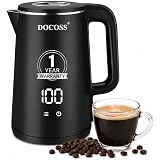
DOCOSS Electric Kettle for Hot Water, 1.8L Multipurpose Kettle with 5 Preset Modes & Digital Touch Display, 1800W Hot water Kettle with Auto Shutoff and 360° Swivel Base
₹1,295.00 (as of September 20, 2026 11:39 GMT +05:30 - More infoProduct prices and availability are accurate as of the date/time indicated and are subject to change. Any price and availability information displayed on [relevant Amazon Site(s), as applicable] at the time of purchase will apply to the purchase of this product.)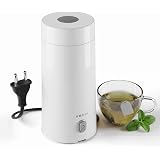
XECH Portable Electric Kettle for Travel, 300ml (Hydroboil Mini) | Small size kettle designed to boil water, comes with an in-built cable in a bottle shaped design for making tea & coffee
₹995.00 (as of September 20, 2026 11:39 GMT +05:30 - More infoProduct prices and availability are accurate as of the date/time indicated and are subject to change. Any price and availability information displayed on [relevant Amazon Site(s), as applicable] at the time of purchase will apply to the purchase of this product.)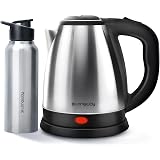
Longway Kestro 2 Ltr Electric Kettle with Water Bottle Combo | Automatic Shut-Off | Durable Stainless Steel Body For Boiling | 2 Years Warranty (2, litres)
₹699.00 (as of September 20, 2026 11:39 GMT +05:30 - More infoProduct prices and availability are accurate as of the date/time indicated and are subject to change. Any price and availability information displayed on [relevant Amazon Site(s), as applicable] at the time of purchase will apply to the purchase of this product.)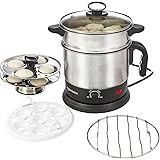
Amazon Basics Multi-Kettle Steamer 1.2L | Adjustable Power Modes 600 W | 7 - Egg Tray, Idli Tray, Iron Grill And Steamer | SS 201 Steel | Automatic Overheat Protection | Multipurpose Kettle
₹1,239.00 (as of September 20, 2026 11:39 GMT +05:30 - More infoProduct prices and availability are accurate as of the date/time indicated and are subject to change. Any price and availability information displayed on [relevant Amazon Site(s), as applicable] at the time of purchase will apply to the purchase of this product.)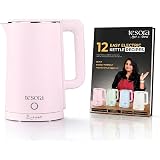
Tesora by Cook with Parul Electric Kettle, 1.8L, 12 Recipes Book Included, 1500W, 100% Stainless Steel Inner Body, Auto Shut-Off, Boil-Dry & Overheat Protection, Cool Touch Double Wall (Pink)
₹1,299.00 (as of September 20, 2026 11:39 GMT +05:30 - More infoProduct prices and availability are accurate as of the date/time indicated and are subject to change. Any price and availability information displayed on [relevant Amazon Site(s), as applicable] at the time of purchase will apply to the purchase of this product.)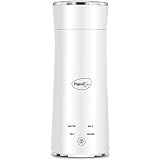
Pigeon Travex Electric Kettle, 300ml, Compact & Portable, White | Slips easily into a bag or suitcase. Ideal for home, office, hotel & travel. Stainless steel, 350W quick boil.
₹1,740.00 (as of September 20, 2026 11:39 GMT +05:30 - More infoProduct prices and availability are accurate as of the date/time indicated and are subject to change. Any price and availability information displayed on [relevant Amazon Site(s), as applicable] at the time of purchase will apply to the purchase of this product.)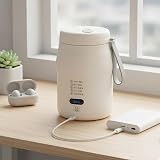
MOOKA Portable Electric Kettle for Travel, 500ml Mini Hot Water Boiler with Adjustable Temperature, 300W Stainless Steel Electric Kettle for Home, Office, Dorm, Camping & Outdoor
₹1,699.00 (as of September 20, 2026 11:39 GMT +05:30 - More infoProduct prices and availability are accurate as of the date/time indicated and are subject to change. Any price and availability information displayed on [relevant Amazon Site(s), as applicable] at the time of purchase will apply to the purchase of this product.)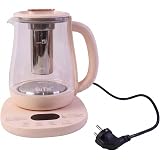
Electric Glass Kettle 2.3L Tea Maker with Glass Infuser | Digital Temp Control, Keep-Warm Function, 360° Swivel Base, BPA-Free Interior, Loose Tea & Herbs
₹2,999.00 (as of September 20, 2026 11:39 GMT +05:30 - More infoProduct prices and availability are accurate as of the date/time indicated and are subject to change. Any price and availability information displayed on [relevant Amazon Site(s), as applicable] at the time of purchase will apply to the purchase of this product.)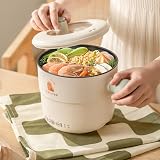
Electric Mini Cooking Pot with Glass Lid & Handle, Multi-Purpose Portable Electric Kettle for Boiling Noodles Soup Milk Tea Eggs, Compact Travel Hot Pot for Home Hostel Office Use
₹649.00 (as of September 20, 2026 11:39 GMT +05:30 - More infoProduct prices and availability are accurate as of the date/time indicated and are subject to change. Any price and availability information displayed on [relevant Amazon Site(s), as applicable] at the time of purchase will apply to the purchase of this product.)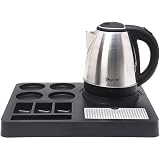
FP Electric Kettle with Hospitality Kettle Tray, set of Kettle 1.8 Ltr, 1500 watts and Kettle tray for hotel rooms
₹1,445.00 (as of September 20, 2026 11:39 GMT +05:30 - More infoProduct prices and availability are accurate as of the date/time indicated and are subject to change. Any price and availability information displayed on [relevant Amazon Site(s), as applicable] at the time of purchase will apply to the purchase of this product.)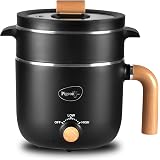
Pigeon Multi-Cook Pro Kettle, 1.2L, Stainless Steel, Auto Shut-Off, Black | Cooks noodles, soups & steamed veg. Ergonomic handle. Automatic shut-off for safety. 600W stainless steel body.
₹1,694.00 (as of September 20, 2026 11:39 GMT +05:30 - More infoProduct prices and availability are accurate as of the date/time indicated and are subject to change. Any price and availability information displayed on [relevant Amazon Site(s), as applicable] at the time of purchase will apply to the purchase of this product.)