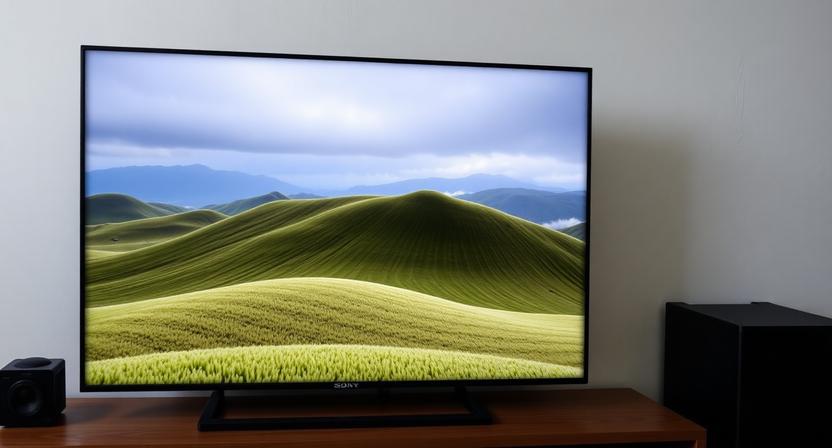
The allure of a Sony 4K TV is undeniable. Boasting stunning visual fidelity, vibrant colors, and an immersive viewing experience, these televisions represent the pinnacle of home entertainment technology. However, with that premium experience often comes a premium price tag. This article delves deep into the world of Sony 4K TV pricing, exploring the factors that influence cost, the various tiers of models available, and ultimately, whether investing in a Sony 4K TV is a decision that aligns with your budget and viewing aspirations.
Understanding the Price Drivers: What Makes a Sony 4K TV Expensive?
Several key elements contribute to the cost of a Sony 4K TV, pushing them into the higher echelons of the market.
- Panel Technology: Sony utilizes a range of advanced panel technologies. OLED (Organic Light-Emitting Diode) panels, found in their premium A95L, A80L, and A80K series, offer unparalleled contrast ratios, perfect blacks, and infinite contrast. Each pixel emits its own light, allowing for precise control and breathtaking realism. This sophisticated technology is inherently more expensive to manufacture. LED (Light-Emitting Diode) panels, while more common, also come in various forms. Sony’s Mini-LED backlighting, employed in models like the X95L and X90L, offers superior brightness and local dimming capabilities compared to traditional LED, leading to improved contrast and HDR performance. The complexity and precision required for Mini-LED arrays add to the cost. Even standard LED panels in Sony TVs benefit from advanced local dimming algorithms and high-quality components.
- Processing Power (XR Processor): Sony’s proprietary Cognitive Processor XR™ is a significant differentiator. This AI-powered processor analyzes content in real-time, mimicking human perception to optimize color, contrast, and detail. It intelligently upscales lower-resolution content to near-4K quality, enhances motion clarity, and delivers a more natural and lifelike image. The advanced processing capabilities require sophisticated hardware and software, contributing to the overall price.
- Picture Quality Enhancements: Beyond the core panel and processor, Sony incorporates numerous technologies to elevate picture quality. XR Triluminos Pro™ technology expands the color spectrum for more vibrant and realistic hues. XR Contrast Booster dynamically adjusts contrast levels to bring out detail in both bright and dark scenes. XR Motion Clarity ensures smooth and fluid motion, crucial for fast-paced action and sports. The integration and refinement of these proprietary enhancements add to the research and development costs, which are reflected in the retail price.
- Sound Technologies: Sony doesn’t just focus on visuals; their TVs often feature impressive audio solutions. Acoustic Surface Audio+™ (on some OLED models) uses the screen itself as a speaker, creating an immersive soundstage that emanates directly from the action on screen. Other models employ advanced sound processing and strategically placed speakers to deliver rich and dynamic audio. The engineering and implementation of these audio systems contribute to the overall cost.
- Build Quality and Design: Sony TVs are renowned for their premium build quality and elegant designs. Materials like brushed aluminum, minimalist bezels, and robust stands contribute to a sophisticated aesthetic and durability, adding to manufacturing costs.
- Smart TV Platform (Google TV): While many TVs offer smart capabilities, Sony’s integration of Google TV provides a user-friendly interface, a vast app ecosystem, and seamless integration with Google’s services. The licensing and development of a robust smart platform also factor into the pricing.
- Brand Reputation and Innovation: Sony has a long-standing reputation for innovation and delivering high-quality consumer electronics. This brand equity allows them to command a premium price, as consumers associate the Sony name with reliability and cutting-edge technology.
Navigating Sony’s 4K TV Lineup: Price Tiers Explained
Sony categorizes its 4K TVs into several tiers, each offering a distinct balance of features and price. Understanding these tiers is crucial for making an informed decision.
- Premium OLED Series (e.g., A95L, A80L): These are Sony’s flagship models, offering the absolute best in picture and sound quality. Expect the highest price points here, driven by the superior OLED panel technology, advanced Cognitive Processor XR, and premium audio solutions. The A95L, with its QD-OLED panel, represents the pinnacle, offering even greater brightness and color volume than traditional OLED. These are for the discerning viewer who demands the ultimate home cinema experience.
- High-End Mini-LED/LED Series (e.g., X95L, X90L): These models deliver exceptional performance without the OLED price tag. They utilize Mini-LED backlighting for excellent brightness and contrast, coupled with the powerful Cognitive Processor XR. While they may not achieve the perfect blacks of OLED, they offer a fantastic balance of vibrant colors, deep contrast, and impressive HDR performance. These are ideal for bright room viewing and those seeking a top-tier LED experience.
- Mid-Range LED Series (e.g., X85L, X80L): This tier offers a great entry point into Sony’s 4K ecosystem. They still benefit from the Cognitive Processor XR (though potentially a slightly less powerful version) and offer good color reproduction and decent contrast. While they might lack the extreme brightness or precise local dimming of higher-end models, they provide a significant upgrade over standard 4K TVs and deliver a satisfying viewing experience for most users.
- Entry-Level 4K LED Series (e.g., X75L): These models focus on delivering a solid 4K experience at a more accessible price. They will still offer good resolution and color, but may have more basic processing, less sophisticated backlighting, and simpler sound systems. These are suitable for those who want the benefits of 4K but are working with a tighter budget.
Is a Sony 4K TV Worth the Investment? The Verdict
The question of whether a Sony 4K TV is “worth it” is subjective and hinges on individual priorities and budget. Here’s a breakdown to help you decide:
Reasons to Invest:
- Unrivaled Picture Quality: If you are a cinephile, a sports enthusiast, or a gamer who craves the most immersive and lifelike visual experience, the picture quality offered by Sony’s higher-end OLED and Mini-LED TVs is often unmatched. The vibrant colors, deep blacks, incredible detail, and smooth motion create a truly captivating viewing experience.
- Superior Processing: The Cognitive Processor XR is a game-changer. Its ability to intelligently enhance content, upscale lower resolutions, and optimize every aspect of the image provides a noticeable improvement over less sophisticated processing. This is particularly valuable as native 4K content isn’t always readily available.
- Premium Build and Design: If aesthetics and build quality are important to you, Sony TVs deliver. They are designed to be a centerpiece in your living room, with sleek lines and durable materials.
- Excellent Sound: While not a substitute for a dedicated home theater system, Sony’s integrated audio solutions are often far superior to what’s found on many other TVs, adding to the overall immersive experience.
- Longevity and Reliability: Sony has a reputation for producing durable and reliable products. Investing in a Sony TV can be seen as a long-term investment in your home entertainment.
- Smart TV Experience: The Google TV platform is intuitive and offers access to a vast library of streaming apps and services, making it a convenient all-in-one solution.
Considerations:
- Price: This is the most significant factor. Sony 4K TVs, especially their premium models, are an investment. You can find very good 4K TVs from other brands at lower price points.
- Content Availability: While 4K content is becoming more widespread, not everything you watch will be in native 4K. The effectiveness of upscaling will vary depending on the source material.
- Room Lighting: OLED TVs excel in dark rooms due to their perfect blacks. In very bright rooms, some LED models with superior brightness and local dimming might offer a more impactful HDR experience.
- Alternative Options: Other reputable brands also offer excellent 4K TVs with comparable features at different price points. Thorough research and comparison are always recommended.
Making the Investment Decision:
To determine if a Sony 4K TV is the right investment for you, consider the following:
- Define Your Budget: Be realistic about what you can afford. Sony offers a range of 4K TVs, so even if the top-tier models are out of reach, their mid-range options might still be a fantastic choice.
- Prioritize Your Viewing Habits: Are you a hardcore cinephile who demands the absolute best picture? Do you primarily watch sports and need excellent motion handling? Are you a casual viewer who wants a significant upgrade? Your usage will dictate which features are most important.
- Consider Your Room Environment: Think about the ambient light in the room where the TV will be placed.
- Research Specific Models: Once you have a general idea of your budget and needs, dive into specific Sony 4K TV models. Read professional reviews, compare specifications, and look for deals and promotions.
- Compare with Competitors: Don’t be afraid to look at offerings from other manufacturers. Sometimes, a competitor might offer a very similar feature set.
BIG VUE Pluss 55 inch Android 14 Smart Interactive Television | EDLA 4K UHD Flat Panel Digital Board with Stand, 8 GB RAM 128 GB ROM, Ai, Multitouch Screen Display for Teaching, Classroom & Office Use
₹69,800.00 (as of October 13, 2026 00:26 GMT +05:30 - More infoProduct prices and availability are accurate as of the date/time indicated and are subject to change. Any price and availability information displayed on [relevant Amazon Site(s), as applicable] at the time of purchase will apply to the purchase of this product.)
Lumio Vision 9 2026 139cm (55 inches) 4K Ultra HD Smart QD-MiniLED Google TV EPIC3-ADSI
₹54,999.00 (as of October 13, 2026 00:26 GMT +05:30 - More infoProduct prices and availability are accurate as of the date/time indicated and are subject to change. Any price and availability information displayed on [relevant Amazon Site(s), as applicable] at the time of purchase will apply to the purchase of this product.)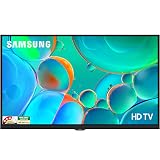
Samsung 80 cm (32 inches) HD Smart LED TV (2026) UA32H4610FUXXL
₹18,299.00 (as of October 13, 2026 00:26 GMT +05:30 - More infoProduct prices and availability are accurate as of the date/time indicated and are subject to change. Any price and availability information displayed on [relevant Amazon Site(s), as applicable] at the time of purchase will apply to the purchase of this product.)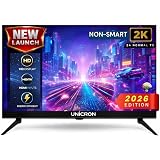
UNICRON 24 Inch HD LED TV Non Smart 20W Sound Output, Premuim Slim Design Crystal Clear Display with HDMI & USB Ports, Ideal for Home, Office & Monitor Security
₹5,799.00 (as of October 13, 2026 00:26 GMT +05:30 - More infoProduct prices and availability are accurate as of the date/time indicated and are subject to change. Any price and availability information displayed on [relevant Amazon Site(s), as applicable] at the time of purchase will apply to the purchase of this product.)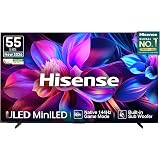
Hisense 55 Inch 55E8S Hi-QLED MiniLED Smart TV | 144Hz Game Mode | Devialet Sound and AI Picture | Dolby Vision IQ | Hands-Free Voice
₹50,490.00 (as of October 13, 2026 00:26 GMT +05:30 - More infoProduct prices and availability are accurate as of the date/time indicated and are subject to change. Any price and availability information displayed on [relevant Amazon Site(s), as applicable] at the time of purchase will apply to the purchase of this product.)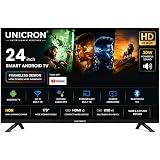
UNICRON 24 inch smart tv Android Frameless HD LED TV | WiFi Enabled | Built-in Apps Compatible (YouTube, Netflix, Prime Video) | HDMI, USB Connectivity | Screenmirror | Slim & Stylish |
₹7,399.00 (as of October 13, 2026 00:26 GMT +05:30 - More infoProduct prices and availability are accurate as of the date/time indicated and are subject to change. Any price and availability information displayed on [relevant Amazon Site(s), as applicable] at the time of purchase will apply to the purchase of this product.)
LG 139 cms (55 inches) NU87 AI Series Nano 4K Ultra HD (3840 x 2160) Smart webOS LED TV 55NU870BPLA 2026
₹41,990.00 (as of October 13, 2026 00:26 GMT +05:30 - More infoProduct prices and availability are accurate as of the date/time indicated and are subject to change. Any price and availability information displayed on [relevant Amazon Site(s), as applicable] at the time of purchase will apply to the purchase of this product.)
Samsung 43 inch (108cm) FHD Smart LED 2026 TV | HDR10+ | 150+ Channels | Voice Assistance Remote | PurColor | Contrast Enhancer | Knox Security | UA43F5650FUXXL
₹22,990.00 (as of October 13, 2026 00:26 GMT +05:30 - More infoProduct prices and availability are accurate as of the date/time indicated and are subject to change. Any price and availability information displayed on [relevant Amazon Site(s), as applicable] at the time of purchase will apply to the purchase of this product.)
iFFALCON 101 cm (40 inches) FHD Smart Google TV | Dolby Audio 20 watts | HDR 10 | Metallic Bezel-Less | Multiple Viewing Mode | 40S55
₹20,990.00 (as of October 13, 2026 00:26 GMT +05:30 - More infoProduct prices and availability are accurate as of the date/time indicated and are subject to change. Any price and availability information displayed on [relevant Amazon Site(s), as applicable] at the time of purchase will apply to the purchase of this product.)
TCL 139 cm (55 Inches) Smartchoice 4K UHD Smart QLED Google TV | QD-Mini LED Dimming | 144Hz Refresh Rate | 3GB RAM | 55T8D
₹54,990.00 (as of October 13, 2026 00:26 GMT +05:30 - More infoProduct prices and availability are accurate as of the date/time indicated and are subject to change. Any price and availability information displayed on [relevant Amazon Site(s), as applicable] at the time of purchase will apply to the purchase of this product.)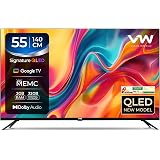
VW VISIO World 140 cm (55 Inches) SmartChioce Pro Series 4K Ultra HD Smart QLED Google TV VW55GQ2
₹28,999.00 (as of October 13, 2026 00:26 GMT +05:30 - More infoProduct prices and availability are accurate as of the date/time indicated and are subject to change. Any price and availability information displayed on [relevant Amazon Site(s), as applicable] at the time of purchase will apply to the purchase of this product.)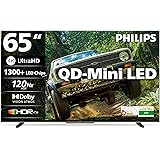
PHILIPS 164 cm (65 inches) 4K Ultra HD QLED Smart QD-Mini LED Google TV 65MLED610/94
₹54,999.00 (as of October 13, 2026 00:26 GMT +05:30 - More infoProduct prices and availability are accurate as of the date/time indicated and are subject to change. Any price and availability information displayed on [relevant Amazon Site(s), as applicable] at the time of purchase will apply to the purchase of this product.)
Hisense 65 Inch 65E7S Pro | Mini Dimming | Hi-QLED | Native 144Hz Game Mode | 48W Powerful Speakers | Gaming in Dolby Vision | Hands-Free Voice Control
₹67,990.00 (as of October 13, 2026 00:26 GMT +05:30 - More infoProduct prices and availability are accurate as of the date/time indicated and are subject to change. Any price and availability information displayed on [relevant Amazon Site(s), as applicable] at the time of purchase will apply to the purchase of this product.)
UNICRON 24 Inch Non SMART LED TV with 30W Sound Output, Slim Design Clear HD Display with HDMI & USB Ports, Ideal for Security, Office, Gaming & CCTV Monitoring
Now retrieving the price.
(as of October 13, 2026 00:26 GMT +05:30 - More infoProduct prices and availability are accurate as of the date/time indicated and are subject to change. Any price and availability information displayed on [relevant Amazon Site(s), as applicable] at the time of purchase will apply to the purchase of this product.)
TCL 139 cm (55 Inches) SmartChoice 4K UHD Smart QD-Mini LED Google TV | 144Hz Refresh Rate | 3GB RAM | 46W Onkyo 2.1 | Upto 512+ Zones | IMAX Enhanced | 55Q6C
₹59,990.00 (as of October 13, 2026 00:26 GMT +05:30 - More infoProduct prices and availability are accurate as of the date/time indicated and are subject to change. Any price and availability information displayed on [relevant Amazon Site(s), as applicable] at the time of purchase will apply to the purchase of this product.)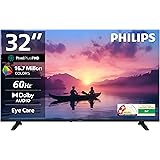
PHILIPS 80 cm (32 inches) 6100 Series Frameless HD Smart LED Google TV 32PFT6130/94
₹14,599.00 (as of October 13, 2026 00:26 GMT +05:30 - More infoProduct prices and availability are accurate as of the date/time indicated and are subject to change. Any price and availability information displayed on [relevant Amazon Site(s), as applicable] at the time of purchase will apply to the purchase of this product.)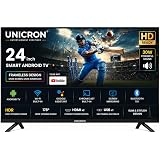
UNICRON 24 inch smart tv Android Frameless HD LED TV | WiFi Enabled | Built-in Apps Compatible (YouTube, Netflix, Prime Video) | HDMI, USB Connectivity | Screenmirror | Slim & Stylish | Black Design
₹7,399.00 (as of October 13, 2026 00:26 GMT +05:30 - More infoProduct prices and availability are accurate as of the date/time indicated and are subject to change. Any price and availability information displayed on [relevant Amazon Site(s), as applicable] at the time of purchase will apply to the purchase of this product.)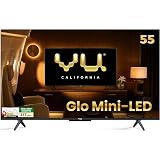
Vu California 139cm (55 inches) Smartchoice Glo MiniLED Google 4K TV VUGLOMINILED 2026
₹44,990.00 (as of October 13, 2026 00:26 GMT +05:30 - More infoProduct prices and availability are accurate as of the date/time indicated and are subject to change. Any price and availability information displayed on [relevant Amazon Site(s), as applicable] at the time of purchase will apply to the purchase of this product.)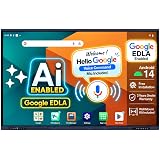
BIG VUE Pluss 55 inch Android 14 Smart Interactive Television | EDLA 4K UHD Flat Panel Digital Board, 8 GB RAM 128 GB ROM, Ai, Multitouch Screen Display for Teaching, Classroom & Office Use
₹67,900.00 (as of October 13, 2026 00:26 GMT +05:30 - More infoProduct prices and availability are accurate as of the date/time indicated and are subject to change. Any price and availability information displayed on [relevant Amazon Site(s), as applicable] at the time of purchase will apply to the purchase of this product.)