
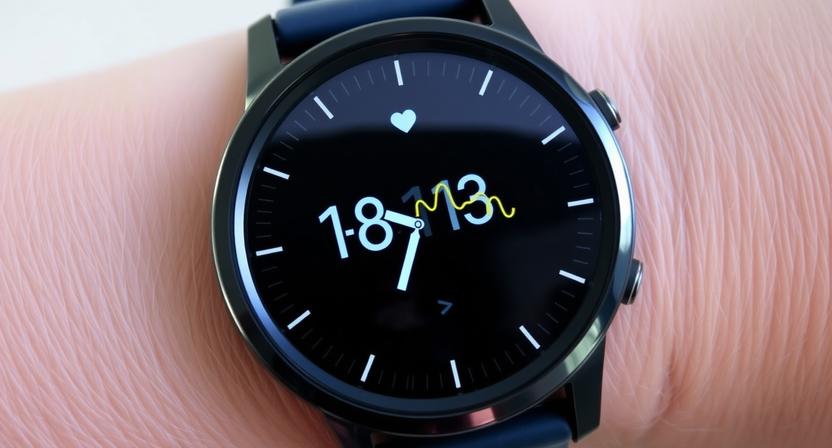
In the evolving landscape of wearable technology, the smartwatch has transcended its role as a mere notification hub. Today, these sophisticated devices are powerful health companions, with accurate heart rate monitoring standing at the forefront of their capabilities. Whether you’re a seasoned athlete pushing your limits, a fitness enthusiast tracking your progress, or an individual keen on understanding your cardiovascular health, a reliable heart rate sensor is paramount. This article delves into the top smartwatches that excel in providing precise heart rate data, backed by rigorous research and user feedback, ensuring you make an informed decision for your well-being.
Understanding Heart Rate Monitoring Technology
Before exploring specific models, it’s crucial to grasp the technology behind heart rate sensors in smartwatches. The most prevalent method is photoplethysmography (PPG). This optical technique uses LEDs to shine light through your skin and into your capillaries. As your heart beats, the blood volume in your capillaries fluctuates. The sensor detects these changes in light absorption or reflection, translating them into your heart rate. While generally accurate for resting and moderate activity, PPG can sometimes be affected by factors like skin tone, tattoos, movement artifacts, and ambient light.
More advanced smartwatches are incorporating electrocardiogram (ECG) sensors. Unlike PPG, ECG measures the electrical signals produced by your heart. This technology, often found in higher-end models, offers a more in-depth view of your heart’s electrical activity and can detect arrhythmias like atrial fibrillation (AFib). However, ECG is typically used for spot checks rather than continuous monitoring.
Key Factors for Accurate Heart Rate Monitoring
Several elements contribute to a smartwatch’s accuracy:
- Sensor Quality: The type, number, and sophistication of the optical sensors play a significant role.
- Algorithm Sophistication: The software processing the raw sensor data is critical for filtering noise and providing precise readings.
- Fit and Comfort: A snug fit ensures the sensor maintains consistent contact with your skin, minimizing errors.
- Activity Type: Continuous, high-intensity activities can challenge optical sensors more than resting or moderate exercise.
- Firmware Updates: Manufacturers continually refine their algorithms through software updates, improving accuracy over time.
The Top Contenders: Smartwatches Delivering Uncompromising Accuracy
1. Apple Watch Series 9/Ultra 2: The Gold Standard for General Accuracy
For iPhone users, the Apple Watch Series 9 and the more rugged Ultra 2 consistently rank at the top for overall heart rate accuracy. Apple’s commitment to health features, combined with their proprietary optical heart sensor (generations of which have been refined), delivers highly reliable data for resting, walking, running, and cycling. The sophisticated algorithms effectively minimize motion artifacts.
- PPG Sensor: Advanced optical heart sensor with multiple LEDs and photodiodes.
- ECG App: Enables on-demand ECG readings for AFib detection.
- High/Low Heart Rate Notifications: Alerts users to unusually high or low resting heart rates.
- Irregular Rhythm Notifications: Proactively checks for signs of AFib.
- Workout Tracking: Provides detailed heart rate zones and calorie burn estimations during exercise.
- User Experience: Seamless integration with the Apple Health ecosystem, offering a comprehensive health overview.
- Accuracy Strengths: Excellent for everyday use, moderate workouts, and resting heart rate tracking.
2. Garmin Forerunner Series (e.g., 965, 265) / Fenix Series (e.g., Fenix 7 Pro): Elite Performance for Athletes
Garmin has long been a favorite among serious athletes, and their latest Forerunner and Fenix models continue this legacy with exceptional heart rate accuracy, particularly during intense physical activity. Their Elevate heart rate sensor technology, now in its fourth generation, is renowned for its robustness.
- Garmin Elevate™ V4 Heart Rate Sensor: A highly optimized optical sensor designed for accuracy during strenuous workouts.
- Advanced Running Dynamics: Provides metrics like ground contact time, vertical oscillation, and cadence, which are enhanced by accurate heart rate data.
- VO2 Max Estimation: Leverages heart rate and other metrics to estimate cardiovascular fitness.
- Training Status and Load: Helps users understand their training effectiveness and recovery needs based on heart rate data.
- Multi-Band GPS: Superior GPS accuracy complements precise heart rate tracking for outdoor activities.
- Accuracy Strengths: Unparalleled performance during high-intensity interval training (HIIT), trail running, and demanding endurance sports. The robust sensor and advanced algorithms handle motion exceptionally well.
3. Samsung Galaxy Watch 6/6 Classic: A Strong Contender for Android Users
Samsung’s Galaxy Watch series offers a compelling package for Android users, with the Galaxy Watch 6 and 6 Classic boasting significantly improved heart rate accuracy thanks to their BioActive Sensor. This multi-functional sensor integrates optical heart rate, electrical heart signal, and bioelectrical impedance analysis for a broader health picture.
- Samsung BioActive Sensor: Combines optical heart rate, ECG, and BIA (Body Composition Analysis).
- ECG App: Similar to Apple Watch, allows for on-demand ECG readings.
- Blood Pressure Monitoring (Region Dependent): Offers additional cardiovascular insights.
- Sleep Tracking: Detailed sleep stage analysis that benefits from accurate resting heart rate data.
- Workout Modes: Comprehensive tracking for a wide range of activities.
- Accuracy Strengths: Reliable for general fitness tracking, resting heart rate, and moderate exercise. The integration of ECG adds a valuable layer for cardiac monitoring.
4. Polar Ignite 3 / Vantage Series (e.g., Vantage V3): Precision for Polarized Training
Polar has a long-standing reputation for its advanced physiological tracking, and their smartwatches, like the Ignite 3 and the premium Vantage V3, are built with accuracy at their core. They focus on providing actionable insights for training and recovery.
- Polar Precision Prime™ Sensor Fusion Technology: Combines optical heart rate with skin contact monitoring to enhance accuracy.
- Training Load Pro™: Detailed analysis of training load on cardiovascular, muscular, and perceived exertion systems.
- Recovery Pro™: Guides users on optimal recovery based on physiological data.
- Sleep Plus Stages™: Comprehensive sleep analysis.
- Running Power: Measures running power directly from the wrist, which correlates strongly with heart rate.
- Accuracy Strengths: Excellent for endurance athletes and those engaged in structured training programs, offering deep insights into training stress and recovery.
5. Fitbit Sense 2 / Versa 4: Accessible Health Tracking with Good Accuracy
Fitbit has democratized health tracking, and the Sense 2, with its focus on stress management and advanced health metrics, offers a good balance of accuracy and accessibility. While perhaps not as pinpoint precise as some dedicated sports watches during extreme exertion, its continuous monitoring and user-friendly interface make it a solid choice for general wellness.
- Advanced Health Sensors: Includes optical heart rate, ECG, and EDA (electrodermal activity) for stress tracking.
- Continuous Heart Rate Tracking: Monitors heart rate 24/7, providing valuable resting heart rate data and trend analysis.
- Heart Rate Zones: Clearly defined zones for effective workout intensity management.
- Sleep Score: Comprehensive sleep analysis informed by heart rate data.
- Activity Tracking: Tracks steps, distance, calories burned, and active zone minutes.
- Accuracy Strengths: Reliable for resting heart rate, sleep tracking, and moderate daily activities. The EDA sensor adds a unique dimension to stress-related heart rate variability.
Tips for Maximizing Heart Rate Monitoring Accuracy
Regardless of the smartwatch you choose, these tips can help ensure you get the most accurate readings:
- Proper Fit: Ensure the watch is snug but not uncomfortably tight. The sensor should be in constant contact with your skin.
- Clean the Sensor: Regularly clean the back of your watch and your wrist to remove sweat, lotion, or debris that can interfere with readings.
- Positioning: Wear the watch a finger’s width above your wrist bone.
- Avoid Excessive Movement: During high-intensity workouts, try to keep your wrist as still as possible.
- Stay Hydrated: Dehydration can sometimes affect blood flow and potentially impact sensor accuracy.
- Consider Skin Tone and Tattoos: While technology has improved, very dark skin tones or significant tattoos under the sensor area can sometimes present challenges.
- Update Firmware: Always keep your smartwatch’s operating system and firmware up to date, as manufacturers often release updates that improve sensor performance.
- Compare with Manual Checks: Occasionally, compare your smartwatch’s reading with a manual pulse check or a chest strap heart rate monitor for validation.
The Future of Heart Rate Monitoring in Smartwatches
The relentless pursuit of accuracy in smartwatch heart rate monitoring continues. Innovations are focused on:
- Multi-wavelength PPG: Utilizing different light wavelengths to penetrate skin more effectively and account for variations in skin tone and blood flow.
- AI and Machine Learning: Advanced algorithms are becoming more adept at filtering out noise and predicting heart rate even in challenging conditions.
- Integration with Other Biometrics: Combining heart rate data with respiration rate, skin temperature, and blood oxygen levels for a more holistic view of cardiovascular health.
- Non-Invasive Blood Pressure Monitoring: While still in early stages for widespread smartwatch integration, this could revolutionize cardiovascular health tracking.
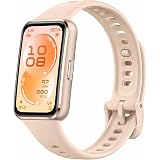
Huawei Band 11 Health & Fitness Tracker, Enhanced Sleep Tracking, All-Day Health Monitoring, Ultra-Slim & Comfort Wear, Compatible with iOS & Android, Smart Watch, Metal (Beige)
₹4,799.00 (as of October 12, 2026 18:25 GMT +05:30 - More infoProduct prices and availability are accurate as of the date/time indicated and are subject to change. Any price and availability information displayed on [relevant Amazon Site(s), as applicable] at the time of purchase will apply to the purchase of this product.)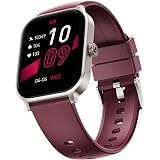
boAt Ultima Ember 2 Smartwatch, 1.96” AMOLED Display, Ultra Bright 1000 nits Brightness, AOD, Personalized Fitness Nudges, Functional Crown, 100+ Sports Mode smartwatch for Men & Women (Velvet Wine)
₹1,899.00 (as of October 12, 2026 18:25 GMT +05:30 - More infoProduct prices and availability are accurate as of the date/time indicated and are subject to change. Any price and availability information displayed on [relevant Amazon Site(s), as applicable] at the time of purchase will apply to the purchase of this product.)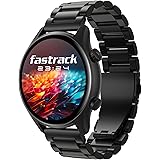
Fastrack Astor FR2 Pro 1.43" AMOLED Stainless Steel Smart Watch with SpO2, Heart Rate, BT Calling, Adaptive AOD, Functional Crown, AI Voice Assistant – Smartwatch for Stylish Professionals (Black)
₹2,599.00 (as of October 12, 2026 18:25 GMT +05:30 - More infoProduct prices and availability are accurate as of the date/time indicated and are subject to change. Any price and availability information displayed on [relevant Amazon Site(s), as applicable] at the time of purchase will apply to the purchase of this product.)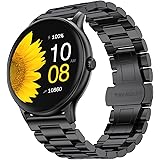
Fire-Boltt Phoenix Pro Round Smart Watch 1.39" Display with Bluetooth Calling, AI Voice Assistant,SpO2 & Heart Rate Monitor, 120+ Sports Modes,IP67 Waterproof Metal Smart Watch for Men & Women - Black
₹1,099.00 (as of October 12, 2026 18:25 GMT +05:30 - More infoProduct prices and availability are accurate as of the date/time indicated and are subject to change. Any price and availability information displayed on [relevant Amazon Site(s), as applicable] at the time of purchase will apply to the purchase of this product.)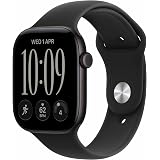
Apple Watch Series 12 GPS 46mm Smartwatch | Black Aluminium Case, Black Sport Band - M/L. Health + Fitness + Sleep Tracking, Heart Rate, Safety
₹61,900.00 (as of October 12, 2026 18:25 GMT +05:30 - More infoProduct prices and availability are accurate as of the date/time indicated and are subject to change. Any price and availability information displayed on [relevant Amazon Site(s), as applicable] at the time of purchase will apply to the purchase of this product.)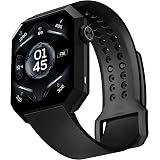
Layers Anarc 2 Smartwatch | 1.85 AMOLED 60Hz Display | Built-in GPS | AI Watch Faces & Assistant | BT Calling | Auto Brightness | Heart Rate + Sleep Monitor Smartwatch, Alluminium Body (Black)
₹6,899.00 (as of October 12, 2026 18:25 GMT +05:30 - More infoProduct prices and availability are accurate as of the date/time indicated and are subject to change. Any price and availability information displayed on [relevant Amazon Site(s), as applicable] at the time of purchase will apply to the purchase of this product.)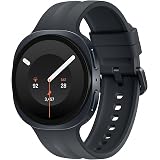
Samsung Galaxy Watch9 (40mm Bluetooth, Graphite)
₹37,999.00 (as of October 12, 2026 18:25 GMT +05:30 - More infoProduct prices and availability are accurate as of the date/time indicated and are subject to change. Any price and availability information displayed on [relevant Amazon Site(s), as applicable] at the time of purchase will apply to the purchase of this product.)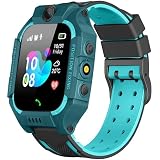
esportic 𝟏𝟓 𝐘𝐞𝐚𝐫 𝐖𝐚𝐫𝐫𝐚𝐧𝐭𝐲 Kids Smartwatch,2G/3G Connectivity, Two-Way Calling, Voice Calling, GPS Tracker, SOS Function,Camera & Water Rasistence,Smartwatch for Boy & Girls (Ocean Green)
₹2,249.00 (as of October 12, 2026 18:25 GMT +05:30 - More infoProduct prices and availability are accurate as of the date/time indicated and are subject to change. Any price and availability information displayed on [relevant Amazon Site(s), as applicable] at the time of purchase will apply to the purchase of this product.)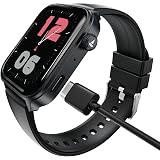
boAt Storm Call 4 India's first Smartwatch with Type-C Charging,1.96”(4.97 cm) HD Display, Functional Crown, BT Calling, Sports Modes, Heart Rate, SpO2, Sleep & Stress Tracking, SOS,IP68(Active Black)
₹1,299.00 (as of October 12, 2026 18:25 GMT +05:30 - More infoProduct prices and availability are accurate as of the date/time indicated and are subject to change. Any price and availability information displayed on [relevant Amazon Site(s), as applicable] at the time of purchase will apply to the purchase of this product.)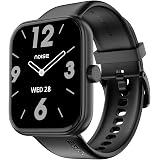
Noise ColorFit Pulse Air Square Dial Smartwatch with BT Calling, 1.85" TFT Display, Lightweight 45g Design, Heart Rate & Step Tracking, Multi-Sport Modes, Find My Phone, Water Resistant (Jet Black)
₹999.00 (as of October 12, 2026 18:25 GMT +05:30 - More infoProduct prices and availability are accurate as of the date/time indicated and are subject to change. Any price and availability information displayed on [relevant Amazon Site(s), as applicable] at the time of purchase will apply to the purchase of this product.)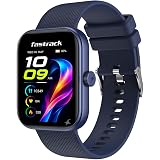
Fastrack Revoltt S1 with 1.83” TFT 2.5D Sqaure Display with Singlesync BT Calling, Heart Rate, SpO2 & Sleep Tracking,IP68,Nitro Fast Charging,Upto 5 Days Battery- Smart Watch for Man and Woman-Blue
₹999.00 (as of October 12, 2026 18:25 GMT +05:30 - More infoProduct prices and availability are accurate as of the date/time indicated and are subject to change. Any price and availability information displayed on [relevant Amazon Site(s), as applicable] at the time of purchase will apply to the purchase of this product.)
Samsung Galaxy Watch Ultra2 (47mm LTE, Titanium Grey)
₹58,892.00 (as of October 12, 2026 18:25 GMT +05:30 - More infoProduct prices and availability are accurate as of the date/time indicated and are subject to change. Any price and availability information displayed on [relevant Amazon Site(s), as applicable] at the time of purchase will apply to the purchase of this product.)
Noise Pulse 2 Max 1.85" Display, Bluetooth Calling Smart Watch, 10 Days Battery, 550 NITS Brightness, Smart DND, 100 Sports Modes, Smartwatch for Men and Women (Jet Black)
₹1,199.00 (as of October 12, 2026 18:25 GMT +05:30 - More infoProduct prices and availability are accurate as of the date/time indicated and are subject to change. Any price and availability information displayed on [relevant Amazon Site(s), as applicable] at the time of purchase will apply to the purchase of this product.)
Fastrack Revoltt XR1 Pro 1.43" AMOLED Stylish Smartwatch | 1.43" AMOLED, BT Calling, 100+ Cloud Watch Faces & Health Tracking
₹2,399.00 (as of October 12, 2026 18:25 GMT +05:30 - More infoProduct prices and availability are accurate as of the date/time indicated and are subject to change. Any price and availability information displayed on [relevant Amazon Site(s), as applicable] at the time of purchase will apply to the purchase of this product.)
Noise Pulse 4 Max Smart Watch with 1.96" AMOLED Display, AI Voice Assistant, Bluetooth Calling, Functional Crown, SpO2 & Heart Rate Monitoring, IP68, Up to 7 Days Battery (Jet Black) - Limited Edition
₹1,799.00 (as of October 12, 2026 18:25 GMT +05:30 - More infoProduct prices and availability are accurate as of the date/time indicated and are subject to change. Any price and availability information displayed on [relevant Amazon Site(s), as applicable] at the time of purchase will apply to the purchase of this product.)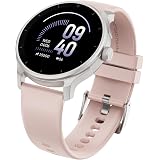
boAt Lunar Connect 2 with 1.28" (3.25 cm) HD Display, Metallic Design, HR, SpO2 & Sleep Tracking, Bluetooth Calling, Emergency SOS, Smart Watch for Men & Women (Cherry Blossom)
₹1,499.00 (as of October 12, 2026 18:25 GMT +05:30 - More infoProduct prices and availability are accurate as of the date/time indicated and are subject to change. Any price and availability information displayed on [relevant Amazon Site(s), as applicable] at the time of purchase will apply to the purchase of this product.)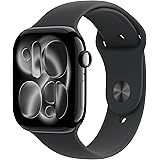
Apple Watch Series 11 GPS 46mm Jet Black Aluminium Case with Black Sport Band - M/L
₹37,499.00 (as of October 12, 2026 18:25 GMT +05:30 - More infoProduct prices and availability are accurate as of the date/time indicated and are subject to change. Any price and availability information displayed on [relevant Amazon Site(s), as applicable] at the time of purchase will apply to the purchase of this product.)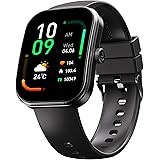
boAt Wave Sigma 3 Curv Smartwatch with 2.01” (5.33 cm) Immersive Curved Display, Metallic Finish, Functional Crown, BT Calling, Sleep, Stress, Heart Rate & SpO2 Monitoring, SOS, IP68 (Black Active)
₹1,299.00 (as of October 12, 2026 18:25 GMT +05:30 - More infoProduct prices and availability are accurate as of the date/time indicated and are subject to change. Any price and availability information displayed on [relevant Amazon Site(s), as applicable] at the time of purchase will apply to the purchase of this product.)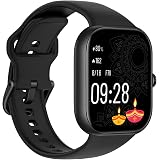
REDMI Watch Move 1.85 Premium AmoLED,14 Day Battery,Best Accuracy,Dual Core Processor Smartwatch (Black Drift Strap, Free Size)
₹2,199.00 (as of October 12, 2026 18:25 GMT +05:30 - More infoProduct prices and availability are accurate as of the date/time indicated and are subject to change. Any price and availability information displayed on [relevant Amazon Site(s), as applicable] at the time of purchase will apply to the purchase of this product.)
Samsung Galaxy Watch8 (40mm, LTE, Graphite) with 3nm Processor | Dual GPS | Sapphire Glass & Armor Aluminum | 5ATM & IP68 | BP, ECG, IHRN & Vascular Load Monitoring | Anti-oxidant Index
Now retrieving the price.
(as of October 12, 2026 18:25 GMT +05:30 - More infoProduct prices and availability are accurate as of the date/time indicated and are subject to change. Any price and availability information displayed on [relevant Amazon Site(s), as applicable] at the time of purchase will apply to the purchase of this product.)