In the burgeoning world of podcasting, audio quality is paramount. A clear, crisp microphone can transform a good idea into a captivating listening experience, while a subpar one can drive listeners away faster than a bad guest. As 2026 unfolds, the market offers an impressive array of microphones catering to every budget and technical need. This comprehensive guide delves into the top contenders, helping you choose the perfect audio companion for your podcasting journey.
Understanding Microphone Types for Podcasting:
Before diving into specific models, it’s crucial to understand the two primary microphone polar patterns favored by podcasters:
- Cardioid: This is the most common and recommended pattern for solo podcasters or those recording in less-than-ideal acoustic environments. Cardioid microphones pick up sound primarily from the front, rejecting audio from the sides and rear. This significantly minimizes background noise and room echo.
- Omnidirectional: These microphones pick up sound equally from all directions. While they capture a more natural and roomier sound, they are also more susceptible to background noise and are best suited for multiple speakers in a well-treated studio environment.
Beyond polar patterns, microphones are broadly categorized into two main types:
- Dynamic Microphones: These are robust and less sensitive, making them ideal for loud environments and for recording vocals without picking up excessive room noise. They are typically more affordable and don’t require phantom power.
- Condenser Microphones: These are more sensitive and capture a wider frequency range, resulting in a more detailed and nuanced sound. They require phantom power (usually supplied by an audio interface or mixer) and are better suited for quieter, acoustically treated spaces.
The Top Microphones for Podcasting in 2026:
1. Shure SM7B (Dynamic Cardioid): The Industry Standard
For years, the Shure SM7B has been the undisputed king of podcasting microphones, and its reign continues in 2026. Its legendary status is well-earned. This dynamic cardioid microphone boasts a smooth, warm, and broadcast-quality sound that flatters almost any voice. Its excellent off-axis rejection effectively combats room noise and plosives, making it a forgiving choice for beginners and a reliable workhorse for seasoned professionals.
- Why it’s great for podcasting: Unparalleled vocal clarity, excellent noise rejection, durable construction, and a timeless sound profile.
- Considerations: Requires a significant amount of gain from your audio interface or mixer due to its lower output. A good preamp or a Cloudlifter/Fethead is often recommended.
- Ideal for: Solo hosts, interview-based podcasts, those prioritizing vocal presence and minimizing room sound.
2. Rode NT-USB+ (Condenser USB): Plug-and-Play Simplicity
Rode has consistently delivered high-quality, user-friendly audio gear, and the NT-USB+ is a prime example. This condenser microphone connects directly to your computer via USB, offering an incredibly simple setup. It delivers a bright, detailed, and articulate sound that’s perfect for voiceovers and spoken word. The integrated headphone jack allows for zero-latency monitoring, a crucial feature for podcasters.
- Why it’s great for podcasting: Exceptional ease of use, excellent sound quality for a USB mic, robust build, and included pop filter and stand.
- Considerations: Being a condenser, it’s more sensitive to background noise than dynamic mics.
- Ideal for: Beginners, solo podcasters who want a high-quality setup with minimal fuss, those who prioritize convenience.
3. Electro-Voice RE20 (Dynamic Cardioid): Broadcast Powerhouse
Another legendary broadcast microphone, the Electro-Voice RE20, is a formidable contender for podcasting. Its Variable-D™ technology minimizes proximity effect, meaning you can get close to the microphone without the bass frequencies booming uncontrollably. This results in a consistent, natural, and powerful sound that’s exceptionally well-suited for spoken word.
- Why it’s great for podcasting: Consistent sound regardless of distance, excellent plosive and sibilance control, robust build, and a rich, full vocal tone.
- Considerations: Like the SM7B, it benefits from a strong preamp.
- Ideal for: Podcasters who move around their mic, those seeking a classic broadcast sound, and anyone who struggles with proximity effect.
4. Blue Yeti (Condenser USB): The Ubiquitous Choice
The Blue Yeti has become a household name in the podcasting world, and for good reason. Its versatility is its strongest suit, offering multiple polar patterns (cardioid, bidirectional, omnidirectional, and stereo) all within a single unit. This makes it adaptable for various recording scenarios, from solo shows to co-hosted interviews. The plug-and-play USB connectivity and onboard controls add to its user-friendliness.
- Why it’s great for podcasting: Incredible versatility with multiple polar patterns, easy USB setup, decent sound quality for the price, and integrated headphone jack.
- Considerations: Can be susceptible to background noise due to its condenser nature. The built-in stand isn’t always ideal for desk placement, so an arm is often recommended.
- Ideal for: Beginners, podcasters who need flexibility for different recording setups, budget-conscious creators.
5. Rode PodMic (Dynamic Cardioid): Podcasting on a Budget
Rode’s commitment to affordability without compromising quality shines through with the PodMic. This dynamic cardioid microphone is specifically designed for spoken word and podcasting applications. It delivers a warm, full-bodied sound with excellent clarity and good rejection of ambient noise. It’s an excellent entry-level option that punches well above its weight class.
- Why it’s great for podcasting: Excellent value for money, warm and present vocal tone, good noise rejection, and a rugged build.
- Considerations: Requires a preamp to reach optimal output levels.
- Ideal for: Beginners, budget-conscious podcasters, those looking for a dedicated podcasting microphone without breaking the bank.
6. Audio-Technica AT2020 (Condenser USB/XLR): Versatile Entry Point
The Audio-Technica AT2020, available in both USB and XLR versions, offers a fantastic balance of quality and affordability. The condenser capsule provides a clear, detailed, and natural sound that’s well-suited for voiceovers and podcasting. The USB version offers plug-and-play simplicity, while the XLR version allows for greater flexibility with audio interfaces and mixers.
- Why it’s great for podcasting: Clear and detailed sound, durable construction, excellent value for a condenser mic, and availability in both USB and XLR.
- Considerations: The USB version lacks zero-latency monitoring. The XLR version requires an audio interface.
- Ideal for: Aspiring podcasters, those looking for a versatile microphone that can grow with their setup, budget-conscious creators who want condenser quality.
7. Heil PR40 (Dynamic Cardioid): The Dynamic Powerhouse
The Heil PR40 is a dynamic cardioid microphone renowned for its exceptional clarity and natural sound reproduction. It’s often lauded for its ability to capture nuances in the human voice, making it a favorite among broadcasters and podcasters who demand pristine audio. Its wide frequency response and low self-noise contribute to its impressive sonic performance.
- Why it’s great for podcasting: Exceptional vocal detail and clarity, wide frequency response, low self-noise, and a robust build.
- Considerations: Requires a good preamp to achieve optimal gain.
- Ideal for: Podcasters who prioritize detail and accuracy in their vocal recordings, those seeking a high-end dynamic microphone.
8. Sennheiser MKH 416 (Shotgun Condenser): For the Noise-Challenged
While primarily known for film and video, the Sennheiser MKH 416 is a potent tool for podcasters facing challenging acoustic environments. This super-cardioid (almost hyper-cardioid) shotgun microphone exhibits incredibly tight directivity, meaning it focuses intently on sound directly in front of it while rejecting sound from the sides and rear with extreme prejudice. This makes it a fantastic choice for minimizing echo and background noise in untreated rooms.
- Why it’s great for podcasting: Unmatched noise rejection, excellent for isolating vocals in noisy environments, durable and reliable.
- Considerations: Requires phantom power. Its highly directional nature means precise aiming is crucial. The sound can be perceived as slightly “drier” than other options if not used carefully.
- Ideal for: Podcasters in noisy or reverberant environments, those who need to isolate a single voice from significant background interference.
9. Rode Procaster (Dynamic Cardioid): Broadcast-Ready Excellence
Building on Rode’s reputation for quality, the Procaster is a dynamic cardioid microphone engineered specifically for broadcast and voice applications. It delivers a rich, full, and present sound with excellent rejection of ambient noise. Its internal shock mount helps minimize handling noise, and its robust construction ensures longevity.
- Why it’s great for podcasting: Warm and broadcast-quality sound, excellent noise rejection, durable and well-built, good value for its performance.
- Considerations: Requires a preamp to reach optimal output levels.
- Ideal for: Podcasters seeking a professional broadcast sound on a
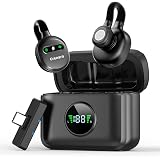
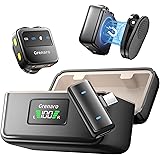
GRENARO P11 Wireless Mic for YouTube with 3-Level Noise Reduction,Mic for YouTube Wireless with 52H Charging Case for Android, Hidden Design Suitable for Facebook, Live Streaming, Vlogging
₹1,757.00 (as of October 10, 2026 21:05 GMT +05:30 - More infoProduct prices and availability are accurate as of the date/time indicated and are subject to change. Any price and availability information displayed on [relevant Amazon Site(s), as applicable] at the time of purchase will apply to the purchase of this product.)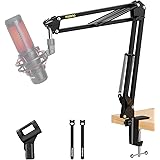
MAONO Boom Arm Microphone Stand: Adjustable Metal Suspension Mic Boom Arm for Podcast Gaming Streaming Recording,with Desk Clamp and 3/8" to 5/8" Screw Adapter-Max Load 1KG AU-B01 Black
₹759.00 (as of October 10, 2026 21:05 GMT +05:30 - More infoProduct prices and availability are accurate as of the date/time indicated and are subject to change. Any price and availability information displayed on [relevant Amazon Site(s), as applicable] at the time of purchase will apply to the purchase of this product.)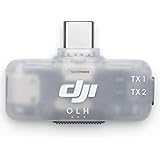
DJI Mic Series Mobile Receiver
₹2,390.00 (as of October 10, 2026 21:05 GMT +05:30 - More infoProduct prices and availability are accurate as of the date/time indicated and are subject to change. Any price and availability information displayed on [relevant Amazon Site(s), as applicable] at the time of purchase will apply to the purchase of this product.)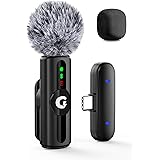
GRENARO Mic for YouTube Wireless, 3-Level Adjustable Noise Reduction Mic Wireless,S12 Wireless Microphone for Youtubers with LED Indicator Light (Single Channel Type-C Port Version)
₹711.00 (as of October 10, 2026 21:05 GMT +05:30 - More infoProduct prices and availability are accurate as of the date/time indicated and are subject to change. Any price and availability information displayed on [relevant Amazon Site(s), as applicable] at the time of purchase will apply to the purchase of this product.)
LEKATO Wireless Microphone with AI Noise Cancellation – Clip-On Collar Mic for iPhone & Android | 48h Battery & 20m Range | Wireless Mic for YouTube, Vlogging & Video Recording
₹1,599.00 (as of October 10, 2026 21:05 GMT +05:30 - More infoProduct prices and availability are accurate as of the date/time indicated and are subject to change. Any price and availability information displayed on [relevant Amazon Site(s), as applicable] at the time of purchase will apply to the purchase of this product.)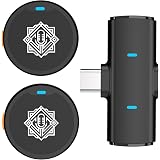
DIGIMORE Dual Wireless Lavalier Microphone Latest 2026 Edition | Wireless Button Mic with Active Noise-Cancellation & Reverb Modes | Microphone for YouTube, Vlogging, Live, Interviews (D-460 Lite)
₹949.00 (as of October 10, 2026 21:05 GMT +05:30 - More infoProduct prices and availability are accurate as of the date/time indicated and are subject to change. Any price and availability information displayed on [relevant Amazon Site(s), as applicable] at the time of purchase will apply to the purchase of this product.)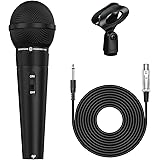
DIGIMORE Super Cardioid Dynamic Vocal Microphone for Singing, Live Performance & Karaoke | Metal Body, 3-Pin XLR Wired Mic | 80Hz–16kHz Frequency Response | 20ft Cable & Mic Holder Included (D-1020)
₹675.00 (as of October 10, 2026 21:05 GMT +05:30 - More infoProduct prices and availability are accurate as of the date/time indicated and are subject to change. Any price and availability information displayed on [relevant Amazon Site(s), as applicable] at the time of purchase will apply to the purchase of this product.)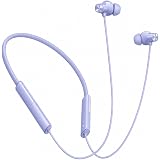
Wireless Bluetooth Neckband Compatible with Realme Wireless 3 Neo, in Ear with Powerful 13.4 Mm Dynamic Bass Boost Driver, 32 Hours Playback, Fast Charging, Ai Enc, 45 Ms Low Latency -(Blue)
₹615.00 (as of October 10, 2026 21:05 GMT +05:30 - More infoProduct prices and availability are accurate as of the date/time indicated and are subject to change. Any price and availability information displayed on [relevant Amazon Site(s), as applicable] at the time of purchase will apply to the purchase of this product.)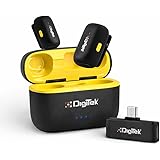
Digitek DWM 103 Mini 2-in-1 Wireless Microphone, 2.4GHz, 40m Range, 6Hr Battery, Noise Reduction, for iOS & Android Smartphones, Vlogging, Streaming, Interviews & Meetings
₹1,599.00 (as of October 10, 2026 21:05 GMT +05:30 - More infoProduct prices and availability are accurate as of the date/time indicated and are subject to change. Any price and availability information displayed on [relevant Amazon Site(s), as applicable] at the time of purchase will apply to the purchase of this product.)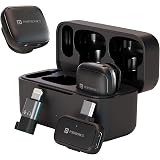
Portronics VlogMate Ultra Dual Wireless Microphone with AI Noise Cancellation, 50M Range, Windproof Muffs, Type-C & 8-Pin Compatibility, Real-Time Sound Reception, Charging Case
₹2,199.00 (as of October 10, 2026 21:05 GMT +05:30 - More infoProduct prices and availability are accurate as of the date/time indicated and are subject to change. Any price and availability information displayed on [relevant Amazon Site(s), as applicable] at the time of purchase will apply to the purchase of this product.)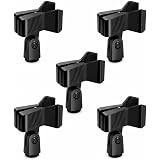
Winsumm Universal Rubber Padded Microphone Clip Holder for Mic Stand | Adjustable Handheld Clamp with 5/8"- 3/8" Thread Adapter Compatible with Dynamic wired Wireless Karaoke Podcast Recording Mic
Now retrieving the price.
(as of October 10, 2026 21:05 GMT +05:30 - More infoProduct prices and availability are accurate as of the date/time indicated and are subject to change. Any price and availability information displayed on [relevant Amazon Site(s), as applicable] at the time of purchase will apply to the purchase of this product.)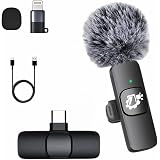
GADGETSWEAR Furry K8 Wireless Lavalier Microphone, Bluetooth Collar Microphone for Type-C Android, Noise Canceling Mic for Vlogging, Clip-On for YouTube (K8 - Single)
₹499.00 (as of October 10, 2026 21:05 GMT +05:30 - More infoProduct prices and availability are accurate as of the date/time indicated and are subject to change. Any price and availability information displayed on [relevant Amazon Site(s), as applicable] at the time of purchase will apply to the purchase of this product.)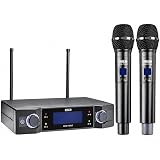
Ahuja AWM-700U2 Dual-Channel UHF Wireless Microphone System, 2 Handheld Mics, Separate Volume Controls and XLR Outputs
₹7,600.00 (as of October 10, 2026 21:05 GMT +05:30 - More infoProduct prices and availability are accurate as of the date/time indicated and are subject to change. Any price and availability information displayed on [relevant Amazon Site(s), as applicable] at the time of purchase will apply to the purchase of this product.)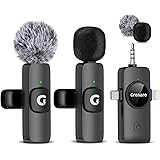
GRENARO Wireless Mic for Youtubers, S11 3 in 1 Wireless Microphone for iPhone/Android/DSLR Camera/USB-C Plug/iPad, Noise Cancellation Mic for Youtubers, Video Recording, 50M Range
₹1,045.00 (as of October 10, 2026 21:05 GMT +05:30 - More infoProduct prices and availability are accurate as of the date/time indicated and are subject to change. Any price and availability information displayed on [relevant Amazon Site(s), as applicable] at the time of purchase will apply to the purchase of this product.)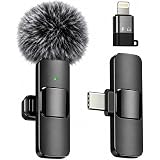
K-8 Furry Wireless Microphone, Collar Microphone for Type-C Android & iOS Noise Canceling Mic for Reels, Makeup Videos, Vlogging, Clip-On for YouTube, Singing, Video Recording, Podcasting (K8 Furry)
₹299.00 (as of October 10, 2026 21:05 GMT +05:30 - More infoProduct prices and availability are accurate as of the date/time indicated and are subject to change. Any price and availability information displayed on [relevant Amazon Site(s), as applicable] at the time of purchase will apply to the purchase of this product.)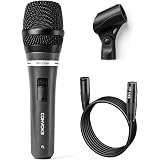
CONVOKE MICONE Wired Professional Impedance-6000 +30% Dynamic Microphone with XLR Cable & Mic Clip | High-Clarity Vocal Mic for Singing, Karaoke, Stage Performance, Public Speaking, DJ, & Recording.
₹1,899.00 (as of October 10, 2026 21:05 GMT +05:30 - More infoProduct prices and availability are accurate as of the date/time indicated and are subject to change. Any price and availability information displayed on [relevant Amazon Site(s), as applicable] at the time of purchase will apply to the purchase of this product.)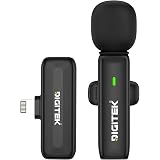
Digitek DWM-302 Wireless Microphone System with Lightning Port, ENC Noise Reduction, Plug & Play, up to 30m Range, 5 Hours Battery, Ideal for Vlogging, Live Streaming & Interviews
₹749.00 (as of October 10, 2026 21:05 GMT +05:30 - More infoProduct prices and availability are accurate as of the date/time indicated and are subject to change. Any price and availability information displayed on [relevant Amazon Site(s), as applicable] at the time of purchase will apply to the purchase of this product.)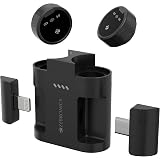
ZEBRONICS Wavlet 200 Wireless Lavalier Mic, 2.4GHz, 15h Backup with Case | Type-C & Lightning Receivers, 360° Sound Capture, ENC, Dual Recording, Reverb Effect, Ultra-Light MagSnap, Type-C Charging
₹2,699.00 (as of October 10, 2026 21:05 GMT +05:30 - More infoProduct prices and availability are accurate as of the date/time indicated and are subject to change. Any price and availability information displayed on [relevant Amazon Site(s), as applicable] at the time of purchase will apply to the purchase of this product.)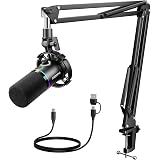
MAONO XLR/USB Dynamic Microphone for Gaming PC, RGB Podcast Mic for YouTube with Software, Mute, Gain Knob, Volume Control, Boom Arm for YouTube Gaming, Singing, Recording, Streaming, PD200XS Black
₹4,488.00 (as of October 10, 2026 21:05 GMT +05:30 - More infoProduct prices and availability are accurate as of the date/time indicated and are subject to change. Any price and availability information displayed on [relevant Amazon Site(s), as applicable] at the time of purchase will apply to the purchase of this product.)