
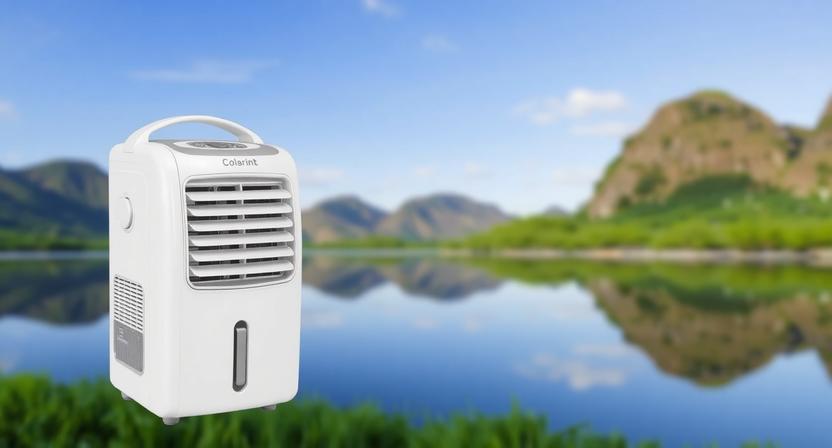
The relentless march of summer heat can transform even the most pleasant environments into sweltering arenas. While traditional central air conditioning offers pervasive cooling, it’s not always a practical or affordable solution for every situation. Enter the portable mini AC – a compact, energy-efficient, and remarkably effective device designed to deliver targeted cool comfort precisely where and when you need it. This comprehensive guide will delve into the world of portable mini AC units, equipping you with the knowledge to make an informed decision and maximize your cooling experience.
Understanding the Portable Mini AC: Functionality and Types
At its core, a portable mini AC operates on the same principles as its larger counterparts: it extracts heat from the air inside a room and expels it outside. However, its design prioritizes portability and smaller-scale cooling. The primary components include a compressor, condenser, evaporator, and a fan. Refrigerant circulates through a closed loop, absorbing heat from the indoor air via the evaporator and releasing it outdoors through the condenser.
Portable mini ACs generally fall into two main categories:
- Single-Hose Units: These are the most common and budget-friendly option. They draw in room air, cool it, and then expel the hot air and moisture through a single exhaust hose vented out a window or other opening. The primary drawback is that the negative pressure created by expelling air can draw warm, unconditioned air from other parts of the dwelling, slightly reducing efficiency.
- Dual-Hose Units: These units offer superior efficiency by utilizing two hoses. One hose draws in outside air to cool the condenser, and the other expels the hot air and moisture generated by the cooling process. This closed-loop system prevents the negative pressure issue of single-hose units, leading to faster cooling and more consistent temperatures. While generally more expensive, the enhanced performance often justifies the investment.
Key Features and Considerations for Optimal Cooling
When selecting a portable mini AC, several crucial features and considerations will dictate its suitability for your needs:
- Cooling Capacity (BTUs): This is arguably the most critical factor. BTUs (British Thermal Units) measure the amount of heat a unit can remove from a space. The higher the BTU rating, the larger the area the unit can effectively cool. Manufacturers provide BTU recommendations based on room size. Overestimating can lead to excessive energy consumption, while underestimating will result in inadequate cooling. A general guideline is 20 BTUs per square foot for average insulation and ceiling heights. Consider factors like sunlight exposure, number of occupants, and appliance heat output when making your selection.
- Energy Efficiency (EER/SEER): Look for the Energy Efficiency Ratio (EER) or Seasonal Energy Efficiency Ratio (SEER) rating. A higher EER/SEER indicates greater energy efficiency, translating to lower electricity bills. Many units also come with ENERGY STAR certification, signifying that they meet strict energy efficiency guidelines set by the U.S. Environmental Protection Agency.
- Portability and Design: While “portable” is in the name, their weight and dimensions can vary. Consider how easily you can move the unit between rooms. Look for sturdy caster wheels and convenient carrying handles. The aesthetic design might also be a factor, with some units boasting sleeker profiles and digital displays.
- Noise Level (Decibels): Portable ACs generate noise due to the compressor and fan. Check the decibel (dB) rating, typically found in the product specifications. Lower dB ratings are preferable, especially for bedrooms or living areas where quiet operation is desired. Single-hose units tend to be slightly noisier than dual-hose models due to the internal air circulation.
- Water Drainage: As the unit cools the air, it also dehumidifies it, producing condensate (water). Most portable mini ACs have a built-in reservoir that needs to be emptied periodically. Some models feature auto-evaporation systems that expel most of the water as vapor through the exhaust hose, reducing the frequency of manual drainage. Others have continuous drain hoses for more convenient, ongoing water removal.
- Thermostat and Controls: Digital thermostats offer more precise temperature control than manual dials. Look for programmable timers, sleep modes, and multiple fan speeds for customized comfort and energy savings. Remote controls enhance convenience, allowing you to adjust settings from across the room.
- Air Filtration: Most units include a washable air filter to capture dust, pollen, and other airborne particles. Regularly cleaning or replacing these filters is essential for maintaining optimal performance and air quality. Some higher-end models may offer more advanced filtration systems.
- Window Venting Kit: All portable mini ACs require venting. They come with a window kit that typically includes an adjustable panel and an exhaust hose. Ensure the kit is compatible with your window type (e.g., sliding, casement, double-hung) and that the installation is secure to prevent warm air from entering.
Installation and Maintenance for Peak Performance
Proper installation and regular maintenance are paramount to ensuring your portable mini AC operates efficiently and reliably for years to come.
Installation Steps:
- Placement: Choose a location near a power outlet and a suitable window for venting. Ensure there’s adequate clearance around the unit for proper airflow (check manufacturer recommendations). Avoid placing it in direct sunlight or near heat sources.
- Window Kit Assembly: Assemble the window venting kit according to the manufacturer’s instructions. This usually involves connecting the exhaust hose to the panel and adjusting the panel to fit your window opening.
- Hose Connection: Securely attach the exhaust hose to both the unit and the window venting kit. Ensure a tight seal to prevent air leaks.
- Power Connection: Plug the unit into a grounded electrical outlet. Avoid using extension cords if possible, as they can pose a fire hazard and reduce efficiency.
- Initial Startup: Turn on the unit and set your desired temperature. Allow the unit to run for a while to cool the room.
Maintenance Essentials:
- Filter Cleaning: Clean the air filter at least every two weeks, or more frequently if you have pets or allergies. Most filters can be rinsed with water and air-dried.
- Water Drainage: Empty the condensate reservoir regularly, or ensure your continuous drain system is functioning correctly. Failure to do so can lead to water leaks and potential mold growth.
- Coil Cleaning: Periodically (every few months), gently clean the condenser and evaporator coils with a soft brush or vacuum attachment to remove dust and debris. This improves heat exchange efficiency.
- Hose and Vent Inspection: Regularly check the exhaust hose and window venting for any kinks, damage, or air leaks.
- Storage: If you’re storing the unit during the off-season, ensure it’s clean and dry. Drain any remaining water and cover it to protect it from dust.
Troubleshooting Common Issues
Even with proper care, you might encounter minor issues. Here are some common problems and their solutions:
- Unit Not Cooling:
- Check if the unit is plugged in and the power switch is on.
- Ensure the thermostat is set to a cooling mode and a sufficiently low temperature.
- Verify that the air filter is clean and not obstructing airflow.
- Confirm that the exhaust hose is properly connected and not kinked.
- Check the window venting for any leaks.
- Unit is Noisy:
- Ensure the unit is placed on a level surface.
- Check for any loose parts or debris inside the unit.
- Single-hose units are naturally noisier than dual-hose models.
- Water Leaking:
- Empty the condensate reservoir.
- Ensure the unit is not tilted excessively.
- Check the continuous drain hose for blockages.
- Reduced Cooling Performance:
- Clean or replace the air filter.
- Clean the evaporator and condenser coils.
- Ensure the room is properly sealed to prevent warm air infiltration.
Maximizing Comfort and Efficiency
Beyond selecting the right unit, several strategies can enhance your portable mini AC experience:
- Targeted Cooling: Utilize the portability to cool only the rooms you are currently using, rather than an entire house.
- Complementary Cooling: Use your portable mini AC in conjunction with ceiling fans or oscillating fans. Fans circulate the cool air, making the room feel cooler and allowing you to set the AC thermostat a few degrees higher, saving energy.
- Room Sealing: Close doors and windows in the room you’re cooling to prevent warm air from entering and cool air from escaping. Consider using draft stoppers for doors and windows.
- Minimize Heat Sources: Turn off unnecessary lights and electronics that generate heat. Avoid using heat-generating appliances like ovens or dryers during the hottest parts of the day.
- Window Treatments: Use blinds, curtains, or shades to block direct sunlight from entering the room, significantly reducing the heat load on your AC.
The portable mini AC is a versatile and accessible solution for combating the summer heat. By understanding its functionality, carefully considering its features, and adhering to proper installation and maintenance practices, you can unlock a world of cool comfort and enjoy your living spaces even on the hottest days.
Enfogo (LIMITED WITH 15 YEARS WARRANTY) Transform environment with the White Portable Air Conditioner Fan,this USB-powered mini AC effortlessly combines a desk fan and mini cooler_M6_M25
₹1,289.00 (as of October 10, 2026 07:16 GMT +05:30 - More infoProduct prices and availability are accurate as of the date/time indicated and are subject to change. Any price and availability information displayed on [relevant Amazon Site(s), as applicable] at the time of purchase will apply to the purchase of this product.)
Drumstone TopRated 𝟏𝟓𝐘𝐫 𝐖𝐚𝐫𝐫𝐚𝐧𝐭𝐲 Portable Air Conditioner Fan, Mini Evaporative Air Cooler with 7-Color LED Light, 3 Wind Speeds and 3 Spray Modes for Office, Home and Travel – Black
₹1,399.00 (as of October 10, 2026 07:16 GMT +05:30 - More infoProduct prices and availability are accurate as of the date/time indicated and are subject to change. Any price and availability information displayed on [relevant Amazon Site(s), as applicable] at the time of purchase will apply to the purchase of this product.)
Enfogo 【12 YEARS WARRANTY】 Portable Air Conditioner Fan. This black air fan features a 500 ml water tank, USB personal cooler, mini humidifier with 7 colors LED light, 3 timer options_M1_M99
₹859.00 (as of October 10, 2026 07:16 GMT +05:30 - More infoProduct prices and availability are accurate as of the date/time indicated and are subject to change. Any price and availability information displayed on [relevant Amazon Site(s), as applicable] at the time of purchase will apply to the purchase of this product.)
PULIER Portable mini Air Conditioner|mini cooler|Anti-leakage Water Ice Cooling Air Cooler for Room Bedroom Office|water sprey|1.2L Water Tank & 2 Ice Packs,360°Adjustment Office, Home, Room
Now retrieving the price.
(as of October 10, 2026 07:16 GMT +05:30 - More infoProduct prices and availability are accurate as of the date/time indicated and are subject to change. Any price and availability information displayed on [relevant Amazon Site(s), as applicable] at the time of purchase will apply to the purchase of this product.)
Enfogo 【12 YEARS WARRANTY】 Portable Air Conditioner Fan. This air fan features a 500 ml water tank, USB personal cooler, mini humidifier with 7 colors LED light, 3 timer options_Multicolor
₹1,579.00 (as of October 10, 2026 07:16 GMT +05:30 - More infoProduct prices and availability are accurate as of the date/time indicated and are subject to change. Any price and availability information displayed on [relevant Amazon Site(s), as applicable] at the time of purchase will apply to the purchase of this product.)
Enfogo 【12 YEARS WARRANTY】 Portable Air Conditioner Fan. This black air fan features a 500 ml water tank, USB personal cooler, mini humidifier with 7 colors LED light, 3 timer options_M1_M1
₹609.00 (as of October 10, 2026 07:16 GMT +05:30 - More infoProduct prices and availability are accurate as of the date/time indicated and are subject to change. Any price and availability information displayed on [relevant Amazon Site(s), as applicable] at the time of purchase will apply to the purchase of this product.)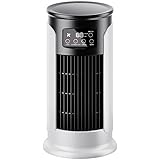
SHOPORA Portable Air Conditioners Fan Personal Air Conditioner for Bedroom Room Home
₹2,767.00 (as of October 10, 2026 07:16 GMT +05:30 - More infoProduct prices and availability are accurate as of the date/time indicated and are subject to change. Any price and availability information displayed on [relevant Amazon Site(s), as applicable] at the time of purchase will apply to the purchase of this product.)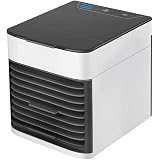
ZAPORA Mini Air Conditioner - Portable, Oscillating Desk Air Conditioner - White - Personal - 3 Speeds - Residential Use
₹19,198.00 (as of October 10, 2026 07:16 GMT +05:30 - More infoProduct prices and availability are accurate as of the date/time indicated and are subject to change. Any price and availability information displayed on [relevant Amazon Site(s), as applicable] at the time of purchase will apply to the purchase of this product.)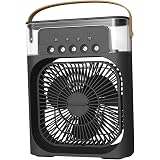
LOOM TREE® Portable Air Conditioner Quiet Small Desk Air Fan for Travel Outdoor Work Black | 1 Portable Air Conditioners Fan
Now retrieving the price.
(as of October 10, 2026 07:16 GMT +05:30 - More infoProduct prices and availability are accurate as of the date/time indicated and are subject to change. Any price and availability information displayed on [relevant Amazon Site(s), as applicable] at the time of purchase will apply to the purchase of this product.)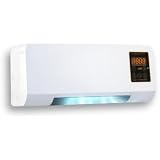
ROOM HEATER | PLASTIC
Now retrieving the price.
(as of October 10, 2026 07:16 GMT +05:30 - More infoProduct prices and availability are accurate as of the date/time indicated and are subject to change. Any price and availability information displayed on [relevant Amazon Site(s), as applicable] at the time of purchase will apply to the purchase of this product.)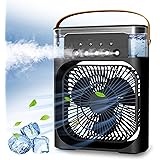
Mabron Portable Evaporative Air Cooler with 7-Color LED Light, 3 Airflow Modes, 3 Mist Settings and Adjustable Cooling for Home, Office, Bedroom and Desktop Use
₹1,289.00 (as of October 10, 2026 07:16 GMT +05:30 - More infoProduct prices and availability are accurate as of the date/time indicated and are subject to change. Any price and availability information displayed on [relevant Amazon Site(s), as applicable] at the time of purchase will apply to the purchase of this product.)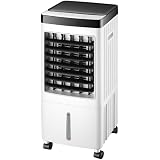
LOOM TREE Air Conditioner Remote or Touch Control Portable AC for Room Bedroom Kitchen|Home & Garden| Home Improvement| Heating, Cooling & Air| Heating & Cooling Appliances| Portable Air Conditione
Now retrieving the price.
(as of October 10, 2026 07:16 GMT +05:30 - More infoProduct prices and availability are accurate as of the date/time indicated and are subject to change. Any price and availability information displayed on [relevant Amazon Site(s), as applicable] at the time of purchase will apply to the purchase of this product.)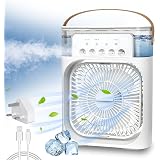
NTMY Mini Air Cooler, USB Desk Fan, Personal Evaporative Cooler with 7 Colors LED Light, 1/2/3 H Timer, 3 Wind Speeds and 3 Spray Modes for Office, Home, Dorm, Travel
Now retrieving the price.
(as of October 10, 2026 07:16 GMT +05:30 - More infoProduct prices and availability are accurate as of the date/time indicated and are subject to change. Any price and availability information displayed on [relevant Amazon Site(s), as applicable] at the time of purchase will apply to the purchase of this product.)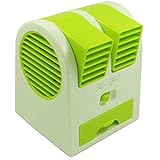
Univext Dual Bladeless Mini Air Conditioner
₹369.00 (as of October 10, 2026 07:16 GMT +05:30 - More infoProduct prices and availability are accurate as of the date/time indicated and are subject to change. Any price and availability information displayed on [relevant Amazon Site(s), as applicable] at the time of purchase will apply to the purchase of this product.)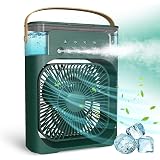
Drumstone 𝙎𝙋𝙀𝘾𝙄𝘼𝙇 𝙒𝙄𝙏𝙃 15 𝙔𝙀𝘼𝙍𝙎 𝙒𝘼𝙍𝙍𝘼𝙉𝙏𝙔 Personal Air Cooler, Portable Air Conditioner Fan, Mini Evaporative Cooler with 7 Colors LED Light, 1/2/3 H Timer, 3 Wind Speeds Green
₹1,459.00 (as of October 10, 2026 07:16 GMT +05:30 - More infoProduct prices and availability are accurate as of the date/time indicated and are subject to change. Any price and availability information displayed on [relevant Amazon Site(s), as applicable] at the time of purchase will apply to the purchase of this product.)
VISTORA Air Conditioner Remote or Touch Control Portable AC for Room Bedroom Kitchen
Now retrieving the price.
(as of October 10, 2026 07:16 GMT +05:30 - More infoProduct prices and availability are accurate as of the date/time indicated and are subject to change. Any price and availability information displayed on [relevant Amazon Site(s), as applicable] at the time of purchase will apply to the purchase of this product.)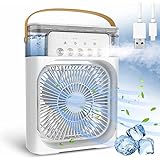
MiNi aIr cOoLeR MiSt fAn pOrTaBlE HuMiDiFiEr mInI CoOlEr fOr hOmE 3 sPeEd mOdE WiTh wAtEr sPrAy, 7 CoLoR LeD AnD TiMeR, uSb pErSoNaL CoOlEr dEsK FaN TiMeR (MuLtY CoLoR)
Now retrieving the price.
(as of October 10, 2026 07:16 GMT +05:30 - More infoProduct prices and availability are accurate as of the date/time indicated and are subject to change. Any price and availability information displayed on [relevant Amazon Site(s), as applicable] at the time of purchase will apply to the purchase of this product.)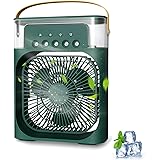
TRIDEO Rechargeable Fan Portable AC for Home Portable Air Conditioners Water Cooler 3 Speeds Modes for Room Office Home Travel_Green_SA07_Multicolor
₹379.00 (as of October 10, 2026 07:16 GMT +05:30 - More infoProduct prices and availability are accurate as of the date/time indicated and are subject to change. Any price and availability information displayed on [relevant Amazon Site(s), as applicable] at the time of purchase will apply to the purchase of this product.)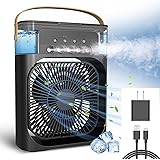
NTMY Portable Air Conditioner Fan, Mini Evaporative Air Cooler with 7 Colors LED Light, 1/2/3 H Timer, 3 Wind Speeds and 3 Spray Modes for Office, Home, Travel (Black)
Now retrieving the price.
(as of October 10, 2026 07:16 GMT +05:30 - More infoProduct prices and availability are accurate as of the date/time indicated and are subject to change. Any price and availability information displayed on [relevant Amazon Site(s), as applicable] at the time of purchase will apply to the purchase of this product.)