
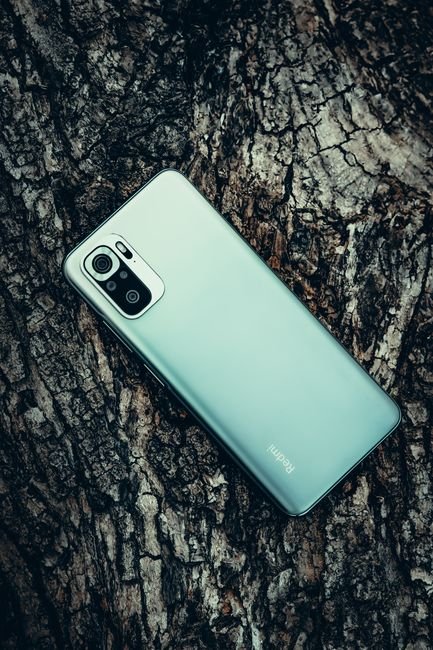
Killer 5G Under ₹15,000: Unlocking Next-Gen Speed on a Budget
The dream of blazing-fast 5G connectivity is no longer exclusive to flagship devices. The Indian market, in particular, has witnessed an explosion of affordable smartphones packing 5G capabilities, making the future accessible to a wider audience. For budget-conscious consumers looking to upgrade their mobile experience without breaking the bank, the sub-₹15,000 segment has become a treasure trove. This article delves into the best 5G smartphones available under this attractive price point, meticulously researched to help you make an informed decision. We’ll explore key features, performance benchmarks, camera capabilities, battery life, and unique selling propositions that make these devices stand out.
Understanding the 5G Landscape in India:
Before diving into specific models, it’s crucial to understand what 5G means for you in India. While widespread millimeter-wave (mmWave) 5G is still nascent, the government’s focus on mid-band and low-band 5G offers significant speed and latency improvements over 4G. This translates to faster downloads, smoother streaming, more responsive online gaming, and enhanced capabilities for future applications. Crucially, most smartphones in the sub-₹15,000 bracket support a comprehensive range of 5G bands crucial for India, ensuring future-proofing.
Key Factors to Consider When Buying a Budget 5G Phone:
- Processor: The chipset dictates performance. Look for reliable MediaTek Dimensity or Snapdragon 5G processors that offer a good balance of power and efficiency.
- RAM & Storage: Aim for at least 6GB of RAM for smooth multitasking and 128GB of internal storage for ample space for apps, photos, and videos. Expandable storage via microSD card is a welcome bonus.
- Display: A vibrant AMOLED or a high-refresh-rate LCD display (90Hz or 120Hz) significantly enhances the viewing experience. Resolution is also important; Full HD+ is the standard.
- Camera: While not flagship-grade, budget phones are increasingly offering capable camera systems. Look for a primary sensor with a decent megapixel count and features like OIS (Optical Image Stabilization) for better low-light performance. Ultrawide and macro lenses add versatility.
- Battery Life: A large battery (5000mAh or more) combined with efficient power management is essential for all-day usage, especially with 5G’s slightly higher power consumption. Fast charging support is a significant convenience.
- Build Quality & Design: While often plastic, modern budget phones offer robust builds and appealing aesthetics.
- Software Experience: Clean UI, timely updates, and minimal bloatware contribute to a positive user experience.
Top 5G Contenders Under ₹15,000 (As of Recent Market Trends):
The market is dynamic, with new models frequently launching. However, several brands consistently deliver compelling options in this segment.
1. Realme Narzo Series (e.g., Realme Narzo 60 Series variants):
Realme has been a dominant force in the budget 5G space, and their Narzo series often hits the sweet spot. Models like the Realme Narzo 60 5G (and its Pro variants if they dip below the threshold) frequently offer a potent combination of features. Expect powerful MediaTek Dimensity processors (like the Dimensity 6100+ or similar), ample RAM and storage configurations (often 8GB/128GB or 8GB/256GB), and vibrant AMOLED displays with high refresh rates. Realme’s camera performance in this segment is generally competitive, with capable primary sensors and useful secondary lenses. Their SuperVOOC fast charging technology is a significant advantage, ensuring quick top-ups. The Narzo series often boasts attractive designs and a user-friendly Realme UI.
- Strengths: Excellent performance for the price, vibrant displays, fast charging, good value proposition.
- Considerations: Camera processing can sometimes be aggressive.
2. Redmi Note Series (e.g., Redmi Note 13 5G variants):
Xiaomi’s Redmi Note series is a perennial favorite for a reason. The Redmi Note 13 5G and its sub-₹15,000 variants consistently deliver a well-rounded package. These devices typically feature capable MediaTek Dimensity chipsets, ensuring smooth 5G connectivity and day-to-day performance. You’ll find generous RAM and storage options, often with expandable storage. The displays are usually bright and sharp, with high refresh rates for fluid scrolling. Redmi’s camera systems are known for their versatility, often including high-resolution main sensors and useful ultrawide lenses. Battery life is a strong suit, and fast charging is usually supported. The MIUI (or HyperOS) software, while feature-rich, can be a matter of personal preference.
- Strengths: Balanced features, good battery life, versatile cameras, often aggressive pricing.
- Considerations: MIUI/HyperOS can be heavily customized and may contain pre-installed apps.
3. Samsung Galaxy M Series / A Series (Entry-level 5G models):
Samsung’s entry into the budget 5G segment often comes in the form of their Galaxy M or A series. Models like the Samsung Galaxy M15 5G or certain Galaxy A series phones offer the trusted Samsung brand name and a clean software experience with One UI. These devices typically prioritize battery life with large 5000mAh or even 6000mAh batteries, coupled with decent fast charging. Performance is usually handled by reliable MediaTek or Exynos 5G chipsets, capable of handling everyday tasks and 5G connectivity. Samsung’s displays are known for their quality, often featuring vibrant AMOLED panels. Camera performance is generally good for casual photography.
- Strengths: Reliable brand, clean software, excellent battery life, good display quality.
- Considerations: Performance might not be as cutting-edge as some competitors in this price bracket.
4. Motorola Moto G Series (e.g., Moto G84 5G variants):
Motorola has been making a strong comeback in the budget segment, focusing on clean software and reliable performance. The Moto G84 5G (or similar models that fall under ₹15,000) often stands out for its near-stock Android experience, which is a breath of fresh air for many. These phones are typically powered by efficient MediaTek Dimensity processors, offering smooth 5G connectivity. You can expect decent RAM and storage configurations. Motorola often equips its devices with good quality displays, sometimes even pOLED panels, offering vibrant colors and deep blacks. The camera performance is generally decent for everyday shots, and battery life is usually commendable. Their commitment to timely software updates is another significant plus.
- Strengths: Near-stock Android experience, clean software, good build quality, reliable performance.
- Considerations: Camera performance might not always match the highest megapixel counts of competitors.
5. iQOO Z Series (e.g., iQOO Z7s 5G / Z9 5G variants):
iQOO, a sub-brand of Vivo, has carved a niche for itself by offering performance-oriented smartphones at competitive prices. The iQOO Z7s 5G or iQOO Z9 5G (when priced under ₹15,000) often feature powerful Qualcomm Snapdragon or MediaTek Dimensity chipsets, delivering excellent gaming and multitasking performance. They typically come with ample RAM and storage, and their displays are usually high refresh rate AMOLED panels. iQOO’s focus on performance often extends to their cooling systems, ensuring sustained performance during demanding tasks. Battery life is generally strong, and fast charging is a standard feature. The Funtouch OS (or OriginOS) offers a feature-rich experience.
- Strengths: Excellent performance for gaming and multitasking, fast charging, good displays.
- Considerations: Software can be feature-heavy and may not appeal to everyone seeking a minimalist experience.
Deep Dive into Key Features:
Display Technologies: In this price bracket, you’ll primarily encounter two types of displays:
- AMOLED: Offers superior contrast ratios, deeper blacks, vibrant colors, and better power efficiency. This is the preferred choice for an immersive viewing experience, especially for media consumption.
- LCD (IPS): While generally not as vibrant as AMOLED, modern LCD panels with high refresh rates (90Hz or 120Hz) can still provide a smooth and enjoyable experience. They are often more affordable to implement.
Camera Prowess on a Budget:
While you won’t find flagship-level computational photography, budget 5G phones have significantly improved their camera game. Look for:
- Primary Sensor: A 50MP or 64MP main sensor is common and can capture detailed shots in good lighting. Some even offer optical image stabilization (OIS) for sharper photos in low light and steadier videos.
- Ultrawide Lens: Adds versatility for capturing landscapes or group shots.
- Macro Lens: Useful for close-up shots, though often of lower quality.
- AI Enhancements: Most phones utilize AI to optimize scene recognition, color reproduction, and low-light performance.
Battery and Charging: The Power Equation: