
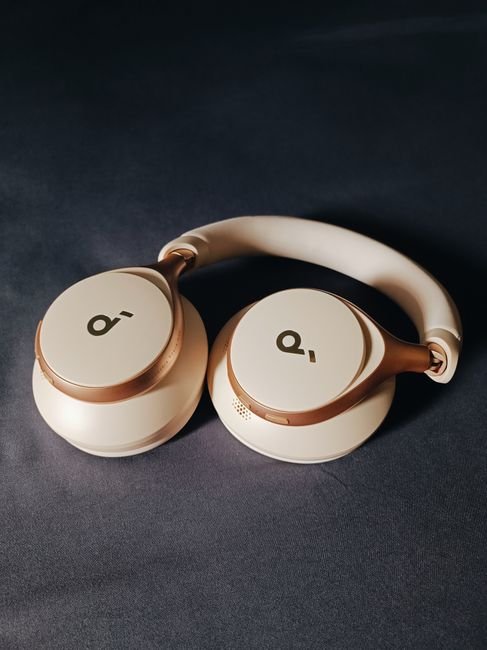
Wireless Headphones for Calls: Stay Connected Effortlessly
In our increasingly mobile and hybrid work environments, seamless communication is paramount. The days of being tethered to a desk phone are long gone. Wireless headphones have revolutionized how we conduct calls, offering unparalleled freedom and clarity. This comprehensive guide delves into the world of wireless headphones for calls, exploring their benefits, key features to consider, and helping you find the perfect pair to stay connected effortlessly.
The Unparalleled Freedom of Wireless Calling
The most immediate and significant advantage of wireless headphones for calls is the liberation from cables. Imagine taking a call while preparing a meal, walking the dog, or simply moving around your home or office without the hassle of tangled wires. This freedom translates to increased productivity, improved comfort, and a more natural calling experience. No more awkward tugging or accidental disconnections. This untethered mobility allows for more dynamic conversations, enabling you to gesticulate, move, and engage more freely, leading to more energetic and effective communication.
Crystal Clear Conversations: The Cornerstone of Effective Calls
Beyond mere convenience, the primary function of headphones for calls is to ensure clear audio transmission and reception. High-quality wireless headphones employ advanced microphone technology and audio processing to minimize background noise and amplify your voice. This is crucial for professional settings where clarity can mean the difference between a successful negotiation and a misunderstood instruction. Look for features like:
- Noise-Canceling Microphones: These are designed to isolate your voice from ambient sounds. Technologies like beamforming microphones, which focus on the sound source closest to them (your mouth), are highly effective in noisy environments. Some high-end models even utilize multiple microphones that work in tandem to intelligently filter out distractions.
- Echo Cancellation: This technology prevents your voice from echoing back to the other person, a common and irritating issue with speakerphones or poorly designed microphones.
- Wind Noise Reduction: For outdoor calls or those taken near open windows, specialized algorithms can significantly reduce the disruptive effect of wind on your audio.
- High-Fidelity Audio Drivers: While not directly related to the microphone, excellent audio drivers ensure you can hear the other person clearly, even in moderately noisy surroundings. This allows for better comprehension and reduces the need for constant repetition.
Key Features to Elevate Your Calling Experience
When selecting wireless headphones for calls, several features can significantly enhance your experience. Prioritize these based on your typical usage scenarios:
- Bluetooth Connectivity and Version: Bluetooth 5.0 and later offer improved range, faster pairing, and more stable connections. Look for multipoint connectivity, which allows you to connect to two devices simultaneously – for example, your laptop and smartphone. This means you can seamlessly switch between a video conference on your computer and an incoming call on your phone without re-pairing.
- Comfort and Fit: You’ll be wearing these headphones for extended periods, so comfort is paramount. Consider:
- Earbud Styles: In-ear (with silicone tips for a seal), open-ear (resting on the earlobe), or bone conduction (transmitting sound through your cheekbones). Each offers different levels of isolation and comfort.
- Over-Ear Headphones: These provide superior comfort for long wear, often with plush earcups and adjustable headbands.
- On-Ear Headphones: A compromise between in-ear and over-ear, offering a balance of comfort and portability.
- Weight and Ergonomics: Lighter headphones are generally more comfortable for prolonged use.
- Battery Life: Essential for those long workdays. Aim for headphones that offer at least 6-8 hours of talk time on a single charge. Many come with charging cases that provide multiple additional charges, extending your usage significantly. Fast charging capabilities are also a lifesaver for quick top-ups.
- Active Noise Cancellation (ANC): While primarily associated with listening to music, ANC can be a game-changer for calls in noisy environments. By actively counteracting ambient noise, it allows you to focus on the conversation and reduces listener fatigue for both parties. Some ANC headphones offer adjustable levels, allowing you to control how much external sound you let in.
- Voice Assistant Integration: Many wireless headphones offer seamless integration with voice assistants like Siri, Google Assistant, or Alexa. This allows you to make calls, send messages, set reminders, and control your music with simple voice commands, further enhancing hands-free convenience.
- Durability and Water Resistance: If you anticipate using your headphones outdoors or during workouts, look for models with an IP (Ingress Protection) rating for water and dust resistance. This ensures they can withstand sweat, rain, and other environmental factors.
- Dedicated Call Controls: Intuitive buttons or touch controls for answering/ending calls, adjusting volume, and muting your microphone are essential for effortless operation.
Types of Wireless Headphones for Calls
The market offers a diverse range of wireless headphones, each suited to different needs:
- True Wireless Stereo (TWS) Earbuds: These are completely cable-free, with two independent earbuds. They are incredibly portable and discreet, making them ideal for on-the-go use and casual calls. Look for TWS earbuds with robust microphone arrays for clear voice pickup.
- Neckband Headphones: These feature earbuds connected by a flexible neckband. They offer a good balance of security, battery life, and are less prone to being lost compared to TWS earbuds. The neckband often houses controls and the battery, contributing to a lighter earbud feel.
- Over-Ear and On-Ear Headphones: These are often preferred for prolonged use, offering superior comfort and often better ANC capabilities. They are excellent for home offices, busy open-plan offices, or any environment where you need to block out distractions. Many professional headsets fall into this category.
- Monaural Headsets: Designed specifically for calls, these feature a single earcup and a boom microphone. They are common in professional call centers and for individuals who prioritize voice clarity above all else and prefer to keep one ear open to their surroundings.
Optimizing Your Calling Experience with Wireless Headphones
To truly unlock the potential of your wireless headphones for calls, consider these tips:
- Position the Microphone Correctly: For boom microphones, ensure it’s positioned close to your mouth. For earbuds, try different ear tip sizes to achieve a snug fit that places the microphone optimally.
- Test in Different Environments: Before relying on your headphones for critical calls, test them in various noisy and quiet settings to understand their performance.
- Keep Firmware Updated: Manufacturers frequently release firmware updates that can improve audio quality, connectivity, and microphone performance.
- Manage Bluetooth Connections: If you use multipoint connectivity, be mindful of which device is actively transmitting audio to avoid unexpected call interruptions.
- Utilize Mute Functions: Don’t hesitate to use the mute button when you need to cough, sneeze, or engage in side conversations. This shows courtesy to the person you’re speaking with.
By understanding the nuances of wireless headphone technology and prioritizing the features that align with your calling needs, you can transform your communication experience. Staying connected effortlessly is no longer a luxury but a necessity, and the right pair of wireless headphones is your key to achieving it.