
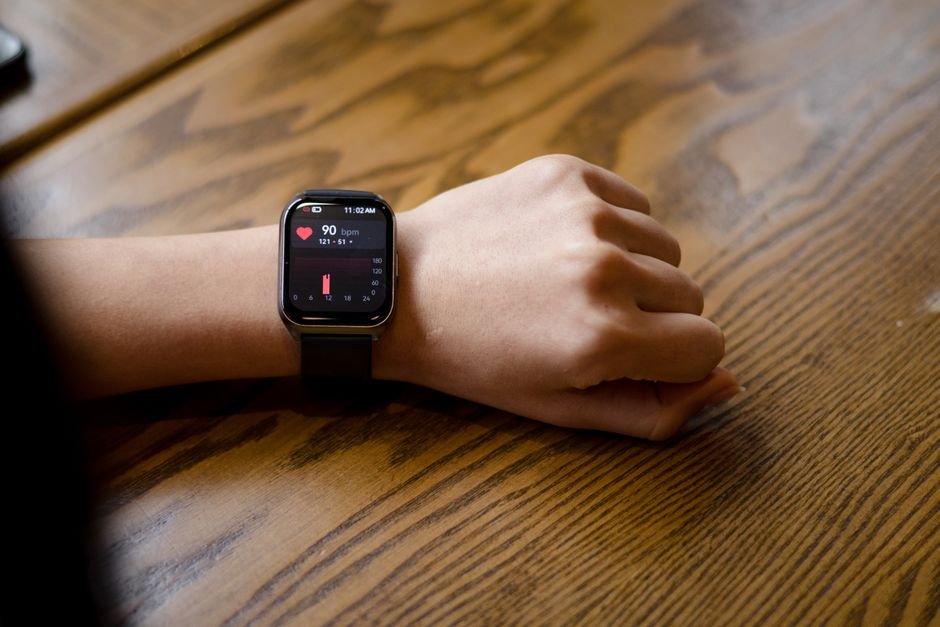
Discover Smarter Health: Your Wristband to Vital Insights with Heart Rate & SpO2 Smartwatches
In an era where proactive health management is paramount, the modern smartwatch has evolved far beyond a mere timekeeping device. It’s a sophisticated personal health companion, offering a wealth of real-time data directly from your wrist. Among the most impactful advancements are integrated heart rate and SpO2 (blood oxygen saturation) monitoring capabilities. These features empower individuals to gain deeper insights into their cardiovascular health and respiratory function, fostering a more informed and proactive approach to well-being. This article delves into the world of smartwatches equipped with heart rate and SpO2 sensors, exploring their functionalities, benefits, and how they contribute to a smarter, healthier lifestyle.
Understanding the Core Technologies: Heart Rate and SpO2
At the heart of these smartwatches lie two crucial sensors: the photoplethysmography (PPG) sensor for heart rate and the same, often combined with an infrared sensor, for SpO2.
-
Heart Rate Monitoring: The PPG sensor utilizes light-emitting diodes (LEDs) to shine light into your skin. As blood flows through your capillaries, it absorbs and reflects this light. The sensor detects the subtle changes in light reflection caused by the pulsating blood flow, allowing it to accurately calculate your heart rate in beats per minute (BPM). This data is invaluable for understanding your baseline resting heart rate, tracking your heart rate during exercise, and identifying potential irregularities.
-
SpO2 Monitoring (Blood Oxygen Saturation): SpO2 sensors employ a combination of red and infrared light. Red light is absorbed more by deoxygenated blood, while infrared light is absorbed more by oxygenated blood. By measuring how much of each light wavelength is absorbed as it passes through your skin (typically on your wrist or fingertip), the smartwatch can estimate the percentage of hemoglobin in your blood that is carrying oxygen. A healthy SpO2 level generally falls between 95% and 100%. Fluctuations can indicate underlying respiratory or cardiovascular issues.
The Multifaceted Benefits of Heart Rate and SpO2 Tracking
The integration of these two vital metrics unlocks a cascade of benefits for users:
-
Enhanced Fitness Optimization: For athletes and fitness enthusiasts, heart rate monitoring is indispensable. It allows for precise training zone calculation, ensuring you’re working out at the optimal intensity for your goals, whether it’s fat burning, cardiovascular improvement, or endurance building. By tracking your heart rate recovery post-exercise, you can also gauge your fitness progress and identify overtraining. SpO2 monitoring during strenuous activities can provide insights into how well your body is adapting to oxygen demands, especially at higher altitudes or during intense workouts.
-
Proactive Cardiovascular Health Awareness: A consistently elevated resting heart rate or significant fluctuations can be early indicators of stress, poor sleep, or even underlying cardiac conditions. Smartwatches provide continuous or on-demand tracking, enabling users to notice trends and consult with healthcare professionals if concerns arise. Similarly, consistently low SpO2 levels, even at rest, can signal issues with lung function or circulation, prompting timely medical evaluation.
-
Sleep Quality Assessment: Sleep is a critical pillar of health, and smartwatches offer invaluable insights into your sleep patterns. By monitoring heart rate and SpO2 during sleep, these devices can identify periods of low oxygen or significant heart rate variability, which may correlate with sleep disturbances like sleep apnea. This data can empower individuals to make lifestyle changes or seek professional help for improved sleep hygiene.
-
Stress Management and Well-being: Elevated heart rate can be a physiological response to stress. By tracking your heart rate throughout the day, smartwatches can help you identify stress triggers and implement mindfulness techniques or relaxation exercises when your heart rate spikes. Some advanced smartwatches even offer guided breathing exercises based on your real-time heart rate.
-
Altitude Acclimation and Respiratory Monitoring: For trekkers, mountaineers, or individuals living at higher altitudes, SpO2 monitoring is particularly useful. It helps assess how well your body is adapting to reduced oxygen levels and can alert you to potential altitude sickness. For individuals with respiratory conditions like COPD or asthma, regular SpO2 monitoring can provide valuable data to share with their doctor.
-
Early Detection of Potential Health Issues: While not a diagnostic tool, the data provided by smartwatches can serve as an early warning system. Unusual patterns in heart rate or SpO2 readings that persist over time can prompt users to seek professional medical advice, potentially leading to earlier diagnosis and treatment of various health conditions.
Key Features to Look For in a Heart Rate & SpO2 Smartwatch
When choosing a smartwatch with these capabilities, consider the following features:
- Accuracy and Reliability: Research reviews and look for devices known for their accurate heart rate and SpO2 readings. Different sensors and algorithms can yield varying results.
- Continuous vs. On-Demand Monitoring: Some watches offer continuous heart rate tracking, while SpO2 might be on-demand. Continuous monitoring provides a more comprehensive picture, but on-demand is useful for spot-checking.
- Data Visualization and Analysis: A user-friendly app that clearly displays your data, trends, and historical information is crucial. Look for features like resting heart rate trends, sleep stage analysis, and SpO2 graphs.
- Alerts and Notifications: The ability to set custom alerts for abnormally high or low heart rates, or significant drops in SpO2, can be a life-saving feature.
- Battery Life: Continuous monitoring, especially of SpO2, can impact battery life. Consider how often you’re willing to charge your device.
- Additional Health Metrics: Many smartwatches also track steps, calories burned, sleep stages, and various workout modes, providing a holistic view of your health.
- Water Resistance: Essential for tracking workouts like swimming or simply for everyday wear.
- Smartwatch Functionality: Beyond health tracking, consider features like notifications, app integration, GPS, and contactless payments.
Integrating Smartwatch Data into Your Health Journey
The true power of these smartwatches lies not just in the data they collect, but in how you utilize it.
- Establish Baselines: Understand your normal resting heart rate and SpO2 levels. This will help you identify deviations more effectively.
- Track Trends Over Time: Don’t focus on isolated readings. Look for patterns and changes over weeks and months.
- Communicate with Your Doctor: Share your smartwatch data with your healthcare provider, especially if you notice persistent anomalies. This can provide valuable context for medical consultations.
- Make Informed Lifestyle Choices: Use the data to motivate yourself to exercise more, manage stress, improve sleep, and adopt healthier habits.
- Be Mindful of Limitations: Remember that smartwatches are not medical devices and should not be used to self-diagnose serious conditions. Always consult with a qualified healthcare professional for any health concerns.
The Future of Wrist-Based Health Monitoring
The evolution of smartwatch technology is rapid. Future iterations are likely to offer even more advanced sensors, improved accuracy, and predictive analytics. We can anticipate:
- Non-invasive Blood Pressure Monitoring: A highly sought-after feature that could revolutionize personal health tracking.
- Body Temperature Sensing: Providing further insights into illness and overall well-being.
- ECG (Electrocardiogram) Capabilities: For more detailed cardiac rhythm analysis.
- AI-Powered Health Insights: Sophisticated algorithms that can interpret data and offer personalized health recommendations.
By embracing smartwatches with integrated heart rate and SpO2 monitoring, individuals are stepping into a new era of personal health empowerment. These devices offer a convenient and accessible window into our body’s vital functions, enabling us to make more informed decisions, optimize our well-being, and ultimately, lead healthier, more vibrant lives.